TorontoOntario · 36 tours
 Niagara FallsOntario · 25 tours
 New York CityNew York · 30 tours
 Las VegasNevada · 8 tours
 San FranciscoCalifornia · 16 tours
 VancouverBritish Columbia · 17 tours
 DubaiUAE · 54 tours
 Abu DhabiUAE · 5 tours
 Buenos AiresArgentina · 23 tours
 AthensGreece · 31 tours
 AucklandNew Zealand · 38 tours
 CancunMexico · 54 tours
No destinations match “”. Try searching all tours instead — that search understands full questions, not just place names.
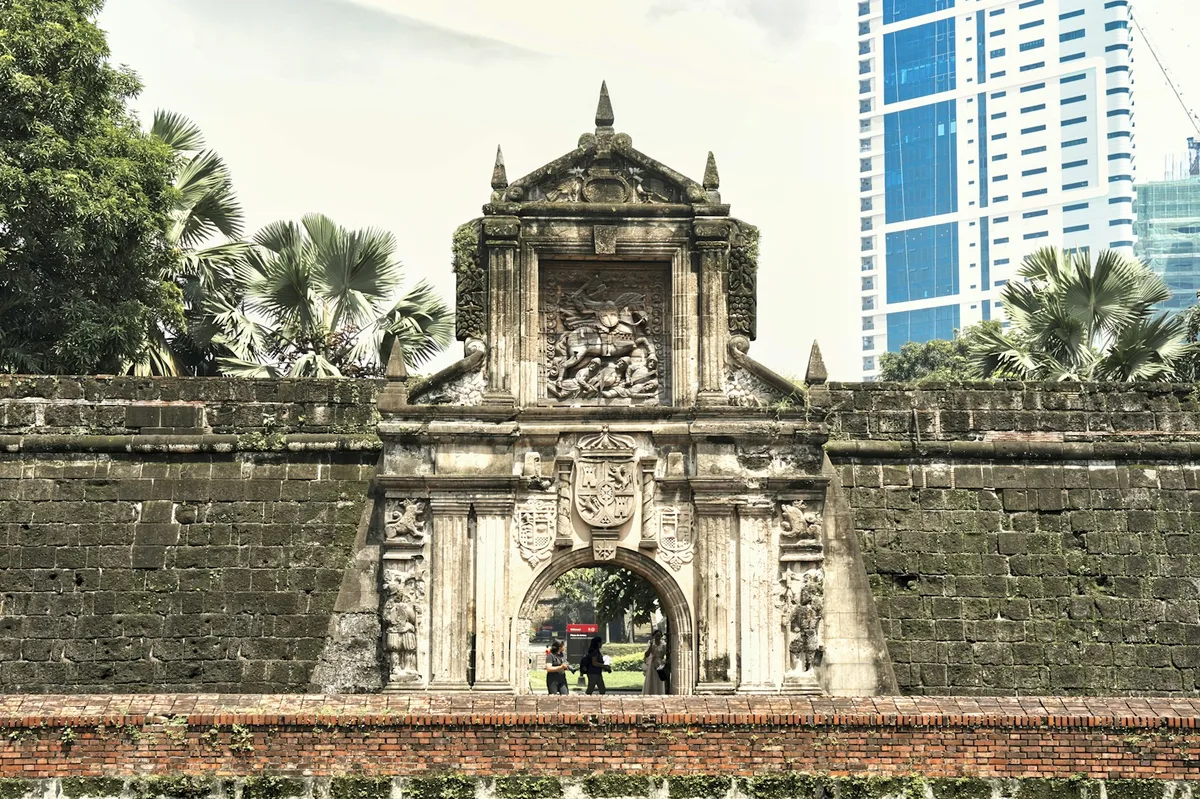
Manila's walled Spanish colonial old town, with Fort Santiago, cobblestone streets, and churches dating to the 16th and 17th centuries.
 Multi-Day Tours
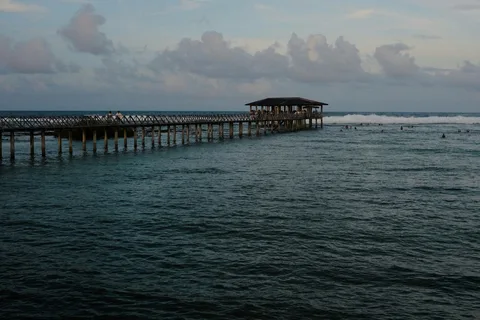
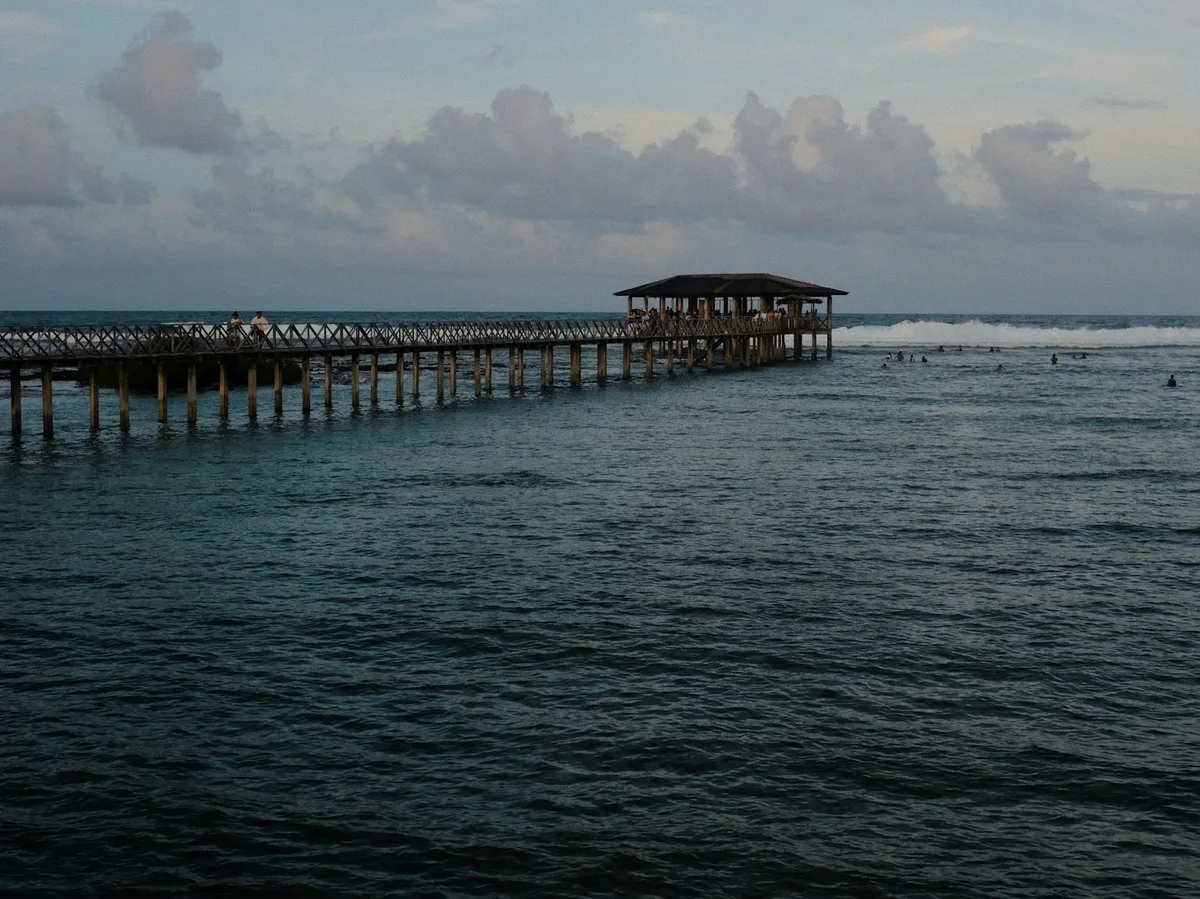
A 12-day private route from Manila's Intramuros and a Pagsanjan Falls canoe trip, through Puerto Galera's island-hopping, to Siargao's surf breaks, lagoons, and island-hopping around Cloud 9.
 Multi-Day Tours
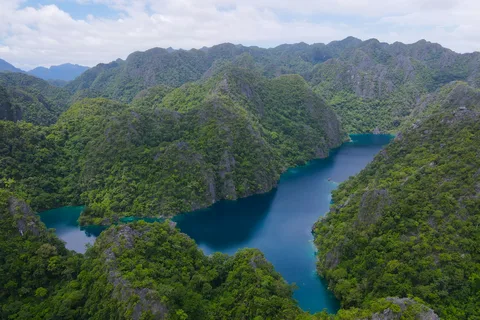
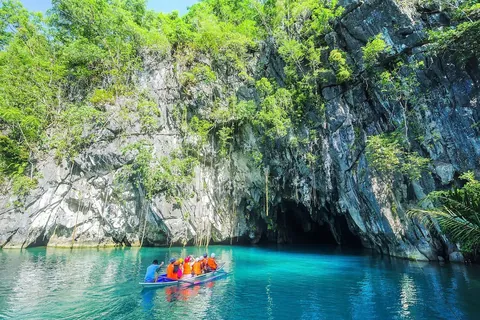
A 14-day private route through Palawan — the UNESCO-listed Puerto Princesa Underground River, Port Barton's island-hopping, El Nido's lagoons and cliffs, and Coron's shipwreck diving and karst lakes.
Visitor guide
Intramuros, Spanish for within the walls, is the historic walled district of Manila, Philippines, founded by the Spanish in 1571. Covering about 0.67 square kilometres beside the Pasig River and Manila Bay, it holds Fort Santiago, San Agustin Church and the Manila Cathedral among its landmarks.
According to Wikipedia, Miguel Lopez de Legazpi settled the site in 1571, and Manila was declared the capital of the Spanish colony that year. Philip II granted the city the title Ciudad Insigne y Siempre Leal. For more than three centuries Intramuros was the seat of the Captaincy General of the Philippines, the base of the Real Audiencia, and the religious and educational centre of the Spanish East Indies. It also served as the Asian hub of the Manila galleon trade with Acapulco.
Stone construction of the walls began in 1590 and continued, with changes of plan, until 1872. Designers named include Geronimo Tongco and Pedro Jusepe. Sources differ on the enclosed area, with figures of roughly 59 to 64 hectares given, and the walls are roughly 2.4 metres thick, and rise to about 6.7 metres. They follow the contours of Manila Bay and the Pasig River, with an inner moat and an outer one facing the city. Seven bastions, from Fort Santiago clockwise, are Tenerias, Aduana, San Gabriel, San Lorenzo, San Andres, San Diego and Plano.
Fort Santiago sits at the northwest tip where the river meets the bay and contains the Baluarte de Santa Barbara. Eight gates originally pierced the walls, including Puerta Real, built in 1780. Gates were closed at night until an 1852 earthquake led to a decree keeping them open. After the Second World War, several gates, including Isabel II, Parian, Real, Santa Lucia and Postigo, were restored or rebuilt.
Intramuros was known as the City of Churches, with eight grand churches inside the walls. San Agustin Church, completed in 1607, is described by Wikipedia as the oldest building in Manila and is part of UNESCO's Baroque Churches of the Philippines listing. It was the only major structure inside the walls not destroyed in 1945. The Manila Cathedral, which fronts Plaza de Roma, was reopened in 1958. The district also housed early educational institutions, including the University of Santo Tomas, founded in 1611, and Colegio de San Juan de Letran, established in 1620.
After the United States took control of the Philippines in 1898, sections of the walls were removed in 1903 and the moats were filled and turned into a golf course. During the Battle of Manila in early 1945, most of Intramuros was destroyed. Wikipedia says only about 5 percent of structures survived and about 40 percent of the walls were destroyed. In 1951 Intramuros was declared a historical monument and Fort Santiago a national shrine, and in 1979 the Intramuros Administration was created to oversee restoration. The Ayuntamiento was rebuilt in 2013, and the Museo de Intramuros opened in 2018 on the site of San Ignacio Church.
Intramuros today combines restored colonial buildings with universities and offices, and Wikipedia notes that concerts, tours and exhibitions draw visitors. Its compact grid is suited to a slow guided visit, and a private tour with a driver can cover the walls, Fort Santiago, the cathedral and San Agustin in one outing.
See every tour and attraction we cover in Philippines.