TorontoOntario · 36 tours
 Niagara FallsOntario · 25 tours
 New York CityNew York · 30 tours
 Las VegasNevada · 8 tours
 San FranciscoCalifornia · 16 tours
 VancouverBritish Columbia · 17 tours
 DubaiUAE · 54 tours
 Abu DhabiUAE · 5 tours
 Buenos AiresArgentina · 23 tours
 AthensGreece · 31 tours
 AucklandNew Zealand · 38 tours
 CancunMexico · 54 tours
No destinations match “”. Try searching all tours instead — that search understands full questions, not just place names.
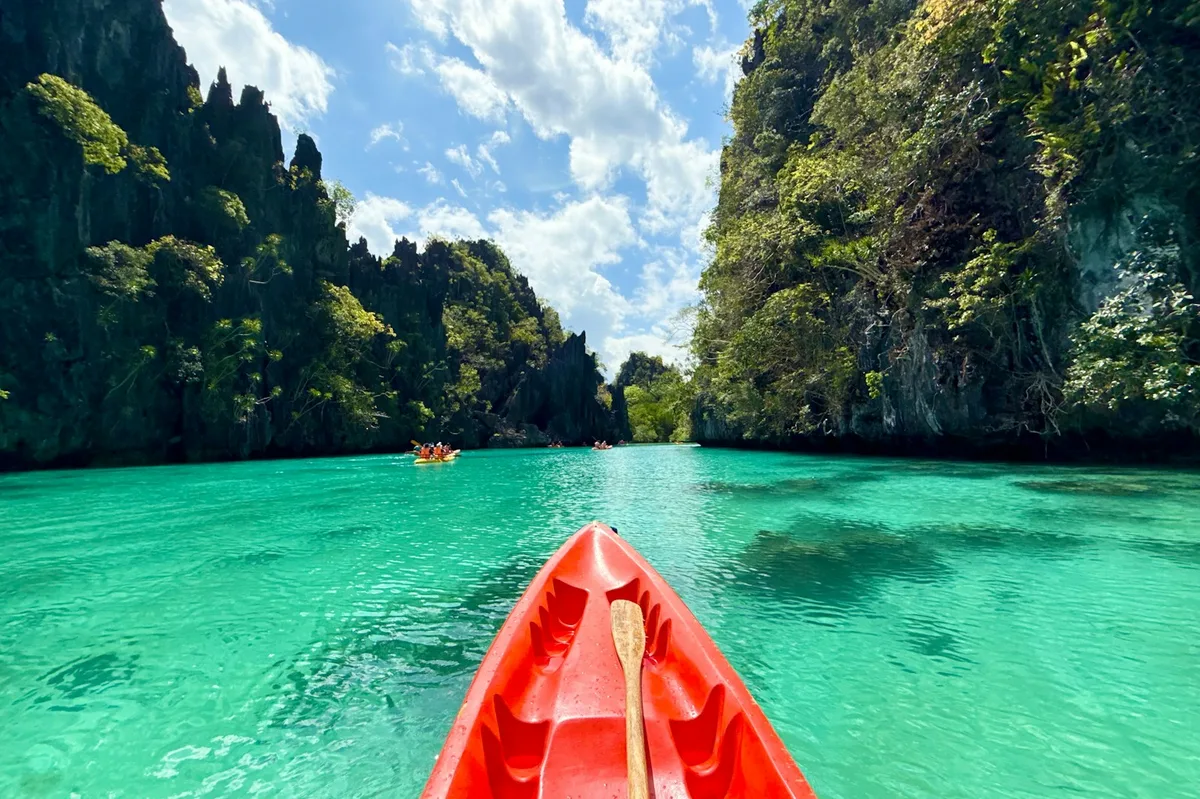
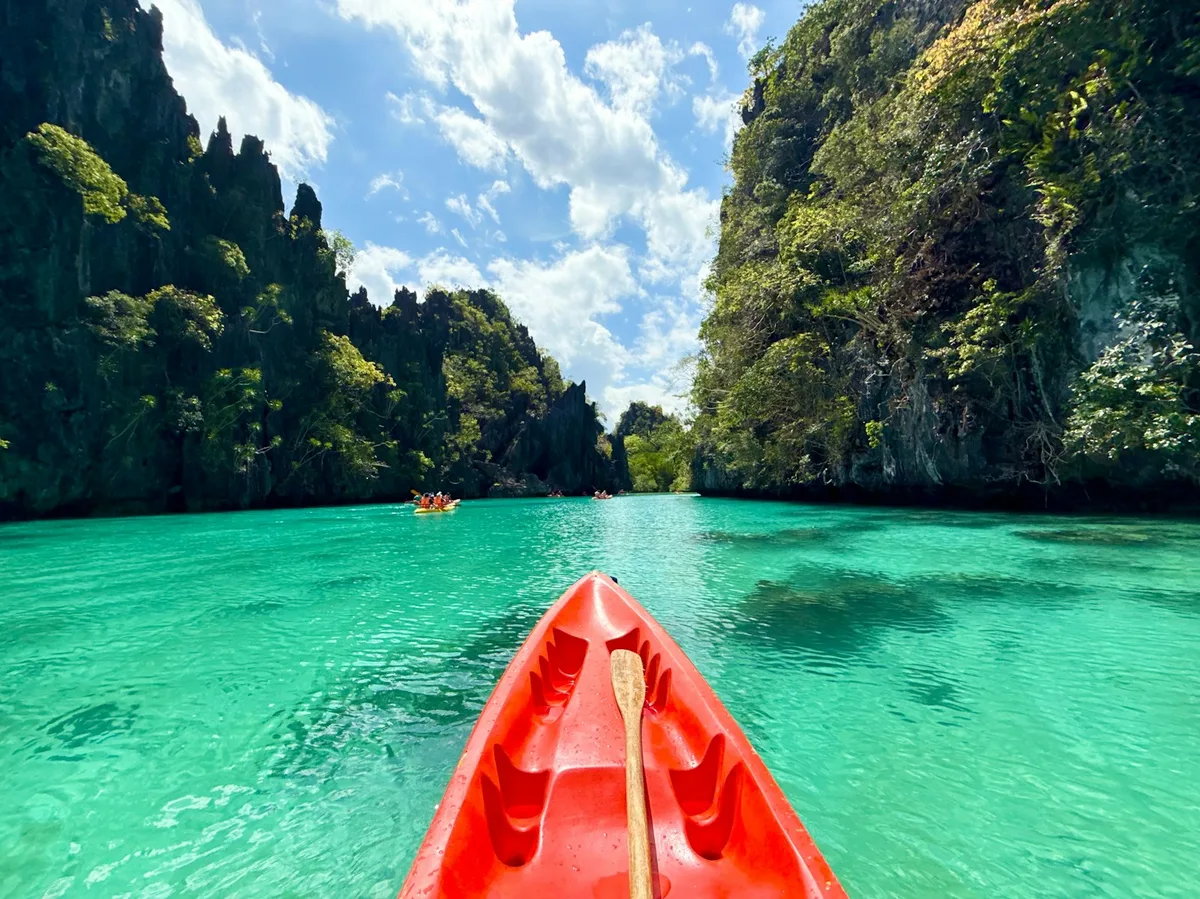
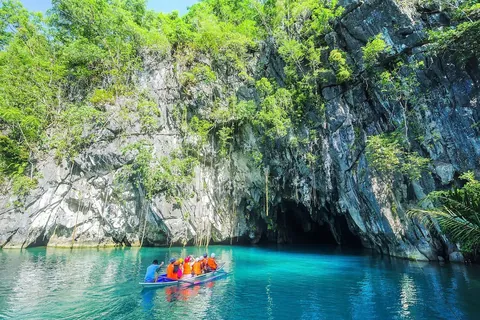
A cluster of limestone-cliff lagoons and hidden beaches in northern Palawan, reached by traditional banca boat on island-hopping tours.
Visitor guide
El Nido is a municipality at the northern tip of mainland Palawan in the Philippines, set on Bacuit Bay among limestone cliffs, islands and white-sand beaches. It is the gateway to the Bacuit archipelago and is usually explored by traditional outrigger boat.
El Nido is Spanish for the nest, and the name refers to the edible nests of swiftlets built in the limestone cliffs, a key ingredient in bird's nest soup, according to Wikipedia. Before 1954 the town was called Bacuit; a folk tale says the Spaniards took the Tagalog word bakit, meaning why, as the place's name. Republic Act No. 1140, approved on 17 June 1954, changed the name to El Nido. The area includes 45 islands and islets and lies about 420 km southwest of Manila.
Wikipedia reports that people have lived in the area since at least 2800 BC, with fossils and burials from the Late Neolithic found in local caves, especially Ille Cave in New Ibajay. The town grew from Talindak, a small Tagbanwa village. Migrants from the Cuyo Islands arrived in the 16th century, Spanish families settled in the 1800s and Chinese families around 1890. El Nido became an independent municipality in 1916.
The rocks of the area range from Permian to Paleogene, and the limestone cliffs resemble those of Ha Long Bay in Vietnam, Guilin in China and Krabi in Thailand. Cadlao Island has the highest peak, at about 640 metres, though another figure of 596 metres is also given. Wikipedia counts about 50 white-sand beaches, and names the Big Lagoon, where visitors row, and Corong Corong Beach. Travel sources describe island-hopping tours to the Big, Small and Secret Lagoons, Shimizu Island and Seven Commandos Beach, though which stops fall under which tour varies by operator.
Bacuit Bay was declared a marine reserve in 1991, and in 1998 the area became the El Nido-Taytay Managed Resource Protected Area, covering about 903 square kilometres, about 40 percent land and 60 percent sea. Wikipedia lists five forest types, three major marine habitats and about 813 fish species, plus about 100 coral species. Birds include the Palawan hornbill and Palawan peacock pheasant, and the four sea turtle species hawksbill, olive ridley, leatherback and green are recorded. Mammals include the Palawan tree shrew and the Palawan stink badger.
The article gives two seasons: dry from December to May and wet from June to November. April and May are driest, and heavy rain usually falls around August, with temperatures from roughly 22 to 33 degrees Celsius. El Nido is reached by El Nido Airport and by a 60 km national road from Taytay. Because boat conditions depend on the weather, a private tour with a driver is best used for the road transfers and planning around the season.
See every tour and attraction we cover in Philippines.