TorontoOntario · 36 tours
 Niagara FallsOntario · 25 tours
 New York CityNew York · 30 tours
 Las VegasNevada · 8 tours
 San FranciscoCalifornia · 16 tours
 VancouverBritish Columbia · 17 tours
 DubaiUAE · 54 tours
 Abu DhabiUAE · 5 tours
 Buenos AiresArgentina · 23 tours
 AthensGreece · 31 tours
 AucklandNew Zealand · 38 tours
 CancunMexico · 54 tours
No destinations match “”. Try searching all tours instead — that search understands full questions, not just place names.
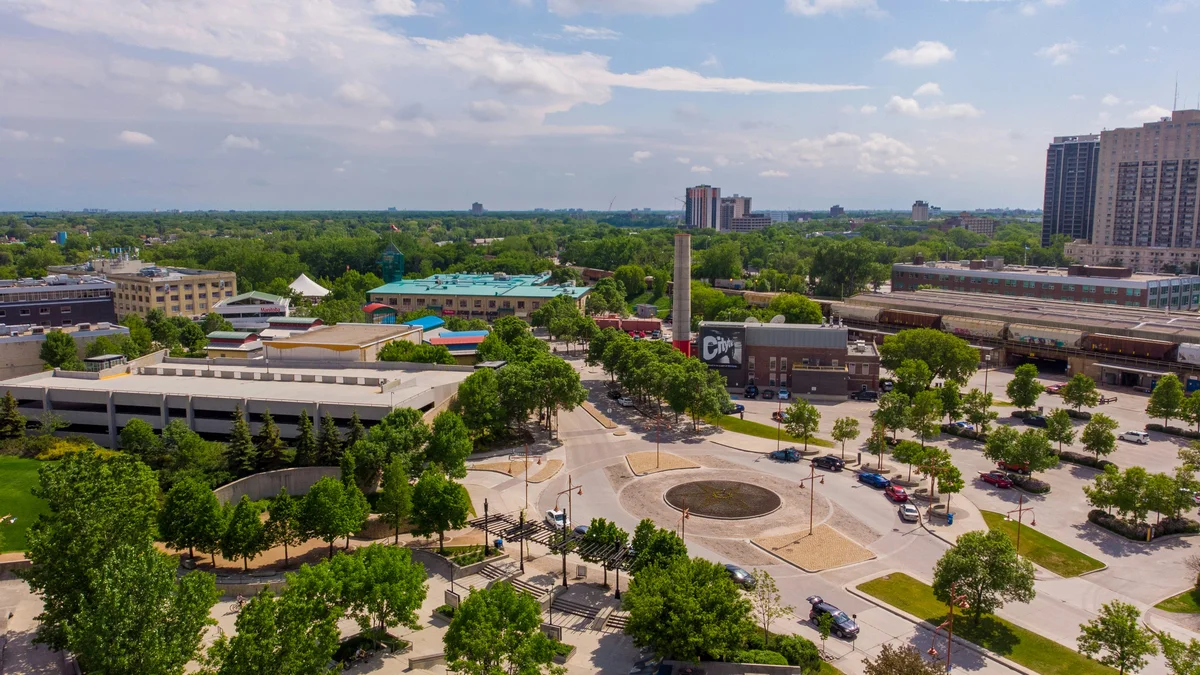
The Forks is a national historic site at the confluence of the Red and Assiniboine Rivers, a meeting place used by Indigenous peoples, fur traders and Métis families for more than 6,000 years. Today it's Winnipeg's most-visited gathering spot, with a historic market building, riverwalk paths, public art and year-round festivals.
Visitor guide
The Forks is the riverside district in downtown Winnipeg, Manitoba, where the Red and Assiniboine rivers meet. It is a National Historic Site of Canada, designated in 1974, and the operator reports more than four million visits a year, which it calls Winnipeg's top tourist attraction. Today it mixes markets, public art, museums, riverside paths and year-round events on a site that has been a meeting place for thousands of years.
Archaeological digs between 1989 and 1994 uncovered Indigenous camps and artifacts linked to bison hunting and fishing, including a hearth dated to about 6,000 years ago. Nakoda, Cree, Anishinaabe and Dakota peoples used the junction as a rest stop on seasonal routes and as a trade link. The Forks describes itself as lying in the National Homeland of the Red River Métis, and uses the Cree name Nestawaya.
La Vérendrye arrived by canoe in 1738 and built Fort Rouge, the first of many forts and trading posts nearby. From 1760 to 1821 the Hudson's Bay Company and North West Company competed here, and the two merged in 1821. The Red River Colony followed. Rivers gave way to rail from the 1880s, and from about 1886 several railways, including the Northern Pacific, Canadian Northern, Grand Trunk Pacific and Canadian National, built yards on the site. The historic rail bridge dates from 1888, and the Kinsmen Building, now part of the Manitoba Children's Museum, from 1889. The government also built two immigration sheds, each holding up to 500 people, as newcomers arrived to settle the Prairies.
After the 1974 designation, the Forks Renewal Corporation was incorporated on July 24, 1987 to redevelop the former CN East Yards, and The Forks National Historic Site opened in 1989. In 1994 the corporation merged with North Portage Development Corporation to form The Forks North Portage Partnership.
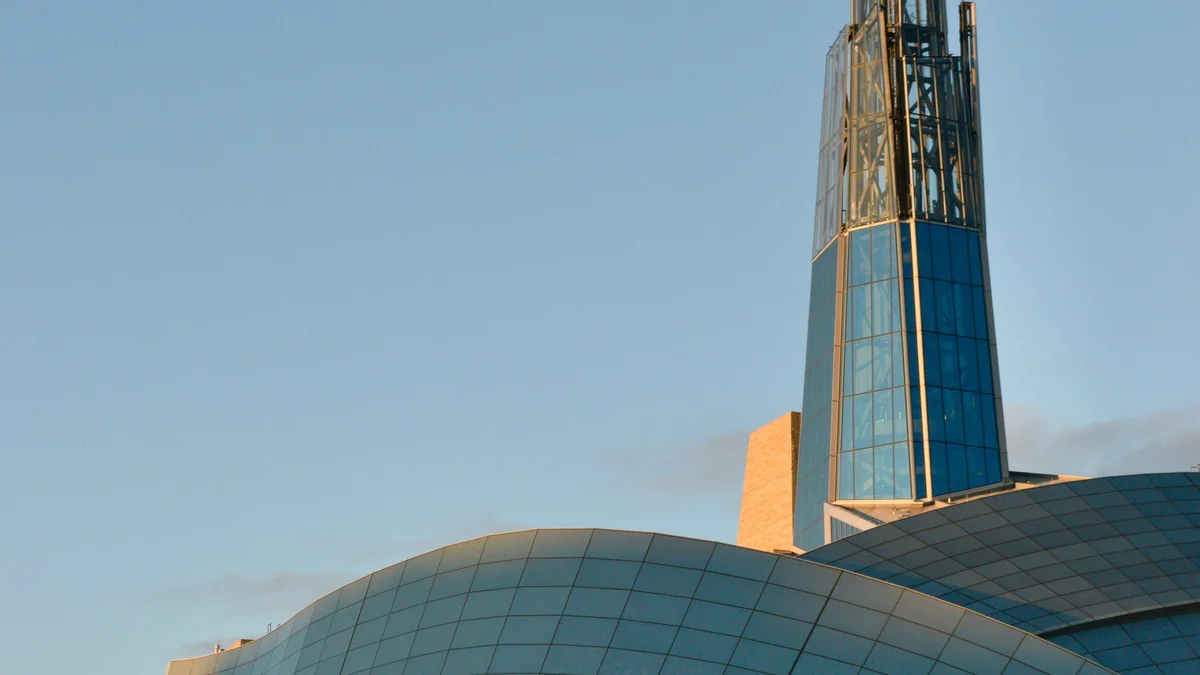
The Forks Market was created by joining former Grand Trunk Pacific and Great Northern railway stables, and has a six-storey tower with a viewing platform. Johnston Terminal, built in 1928 as the National Cartage Building for Canadian National Railway, was later redeveloped for retail. The Esplanade Riel is a cable-stayed pedestrian bridge over the Red River linking downtown to St. Boniface. Other neighbours include the Manitoba Children's Museum, Union Station, the Plaza Skatepark (opened June 30, 2006) and the Canadian Museum for Human Rights, finished in 2014.
In winter the river skating trail, Nestaweya River Trail, was recognised by Guinness in 2008 as the world's longest naturally frozen skating trail, a title later taken by the Lake Windermere Whiteway in British Columbia (measured in 2014). The Assiniboine Riverwalk is often closed by spring flooding, so check conditions in season.
Parking and crowds vary with events, so check The Forks for current events, hours and any closures. The site is easy to walk, with the market, riverside and museum within a short stroll of each other.
The Exchange District is a short drive or walk to the north-west, and the Canadian Museum for Human Rights is on the site's edge. On a private Voyzo tour of Winnipeg, a private vehicle and driver with door-to-door pickup lets guests visit The Forks and move on to the other downtown stops without worrying about parking.
See every tour and attraction we cover in Winnipeg.