TorontoOntario · 36 tours
 Niagara FallsOntario · 25 tours
 New York CityNew York · 30 tours
 Las VegasNevada · 8 tours
 San FranciscoCalifornia · 16 tours
 VancouverBritish Columbia · 17 tours
 DubaiUAE · 54 tours
 Abu DhabiUAE · 5 tours
 Buenos AiresArgentina · 23 tours
 AthensGreece · 31 tours
 AucklandNew Zealand · 38 tours
 CancunMexico · 54 tours
No destinations match “”. Try searching all tours instead — that search understands full questions, not just place names.
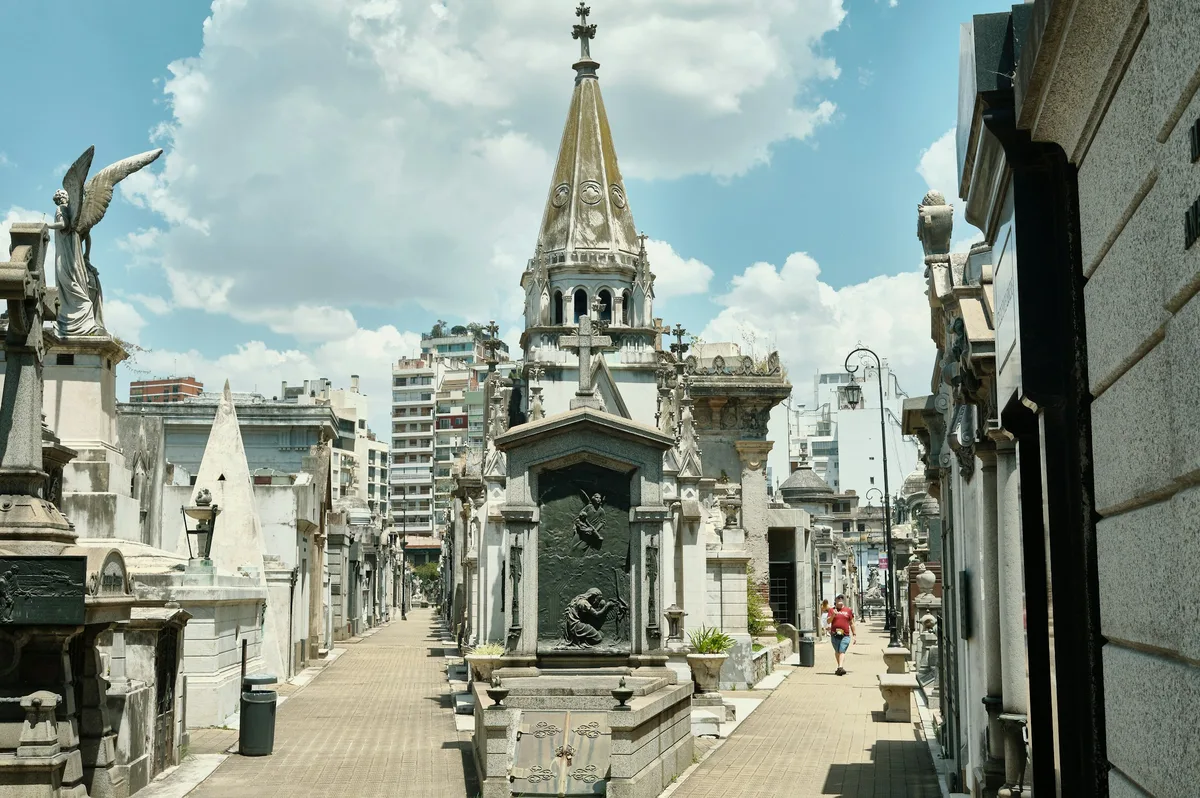
One of the world's most elaborate cemeteries, Recoleta is a maze of ornate marble mausoleums built for Argentina's historical elite, including presidents, generals, and Nobel laureates. Its most-visited grave belongs to Eva Perón, whose family crypt draws a steady stream of visitors. The cemetery remains an active burial site.
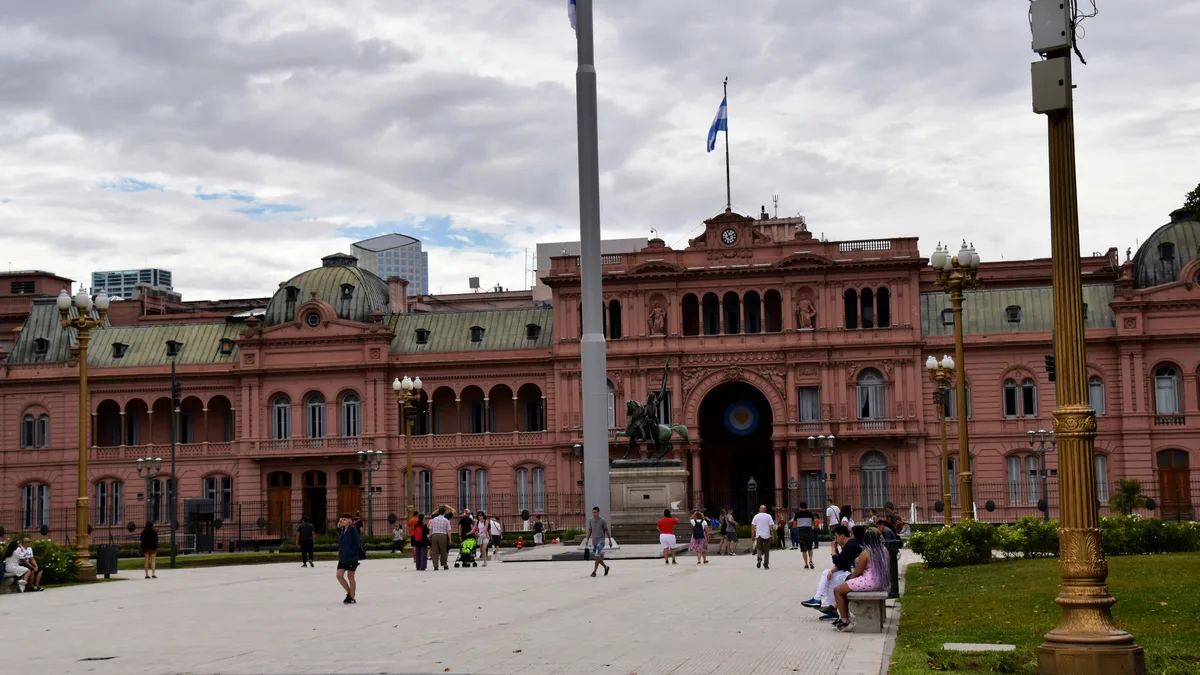 Private Tours
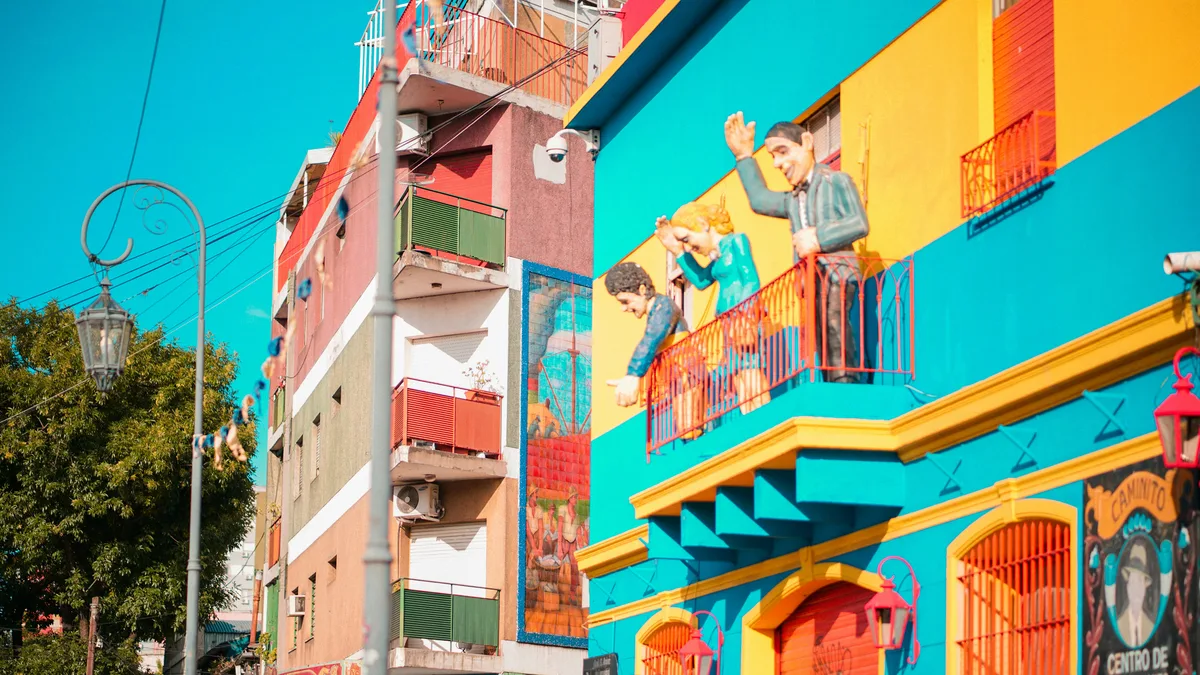
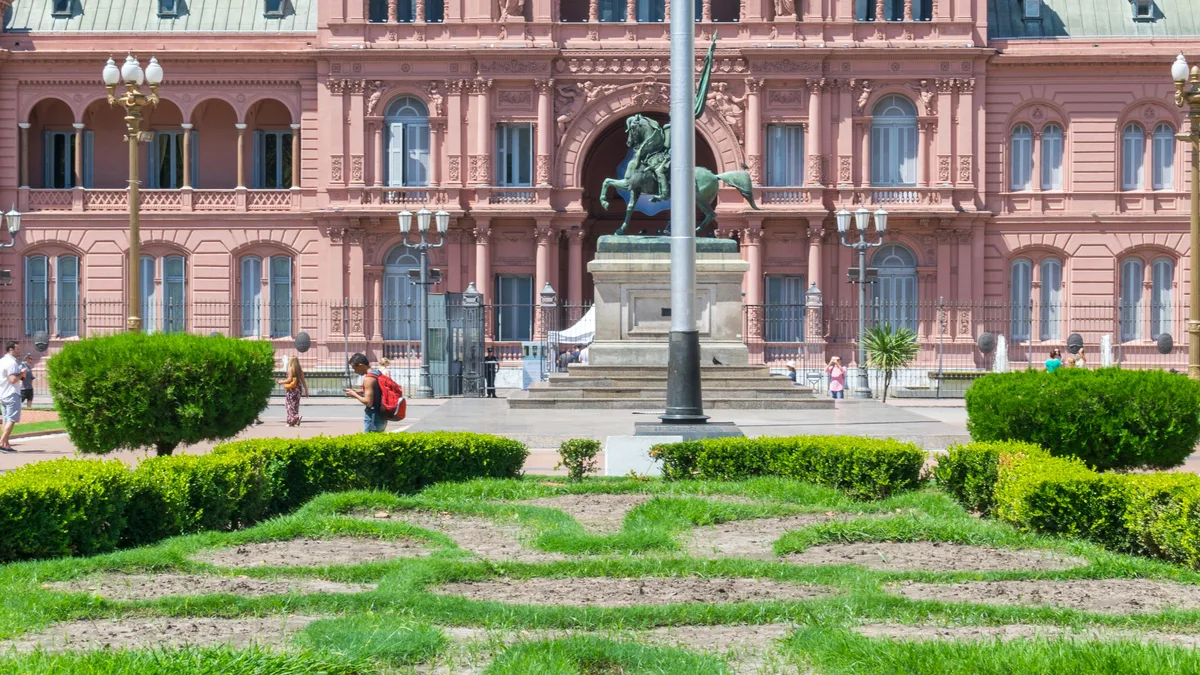
A private, air-conditioned vehicle and a local guide take you through Casa Rosada, La Boca's Caminito, San Telmo, and Recoleta Cemetery in one easy half-day.
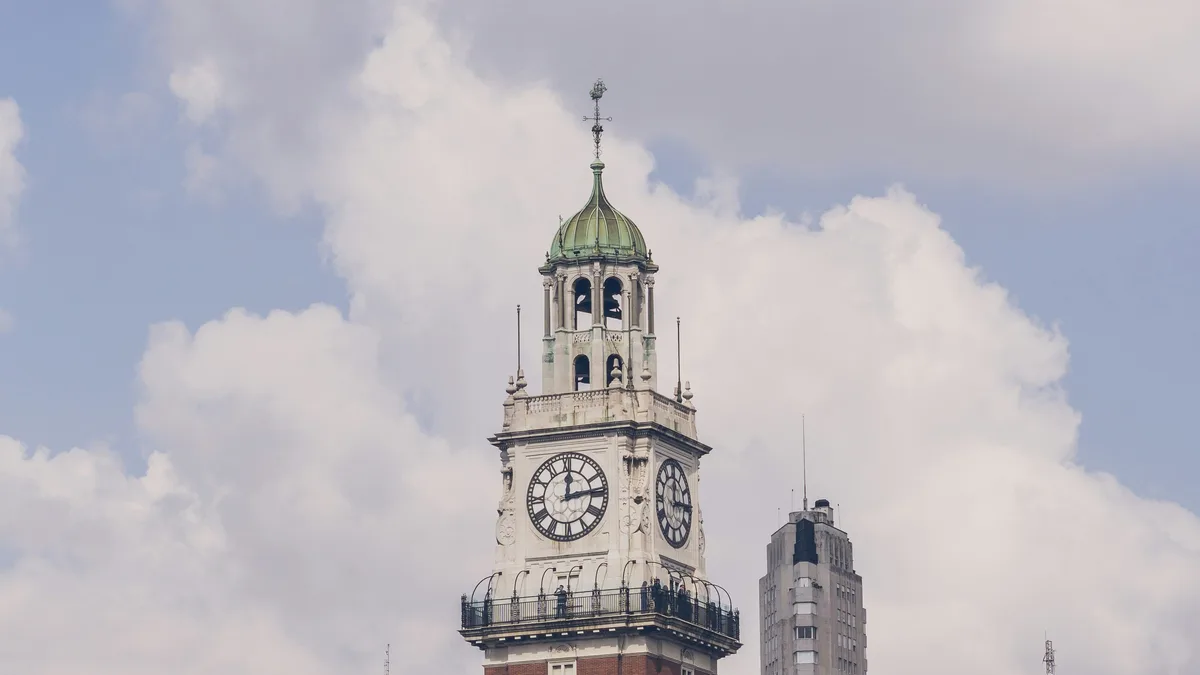 Private Tours
Explore Recoleta — the so-called 'Paris of South America' — and its famous cemetery, then continue to Retiro's grand mansions and the Torre Monumental for city views.
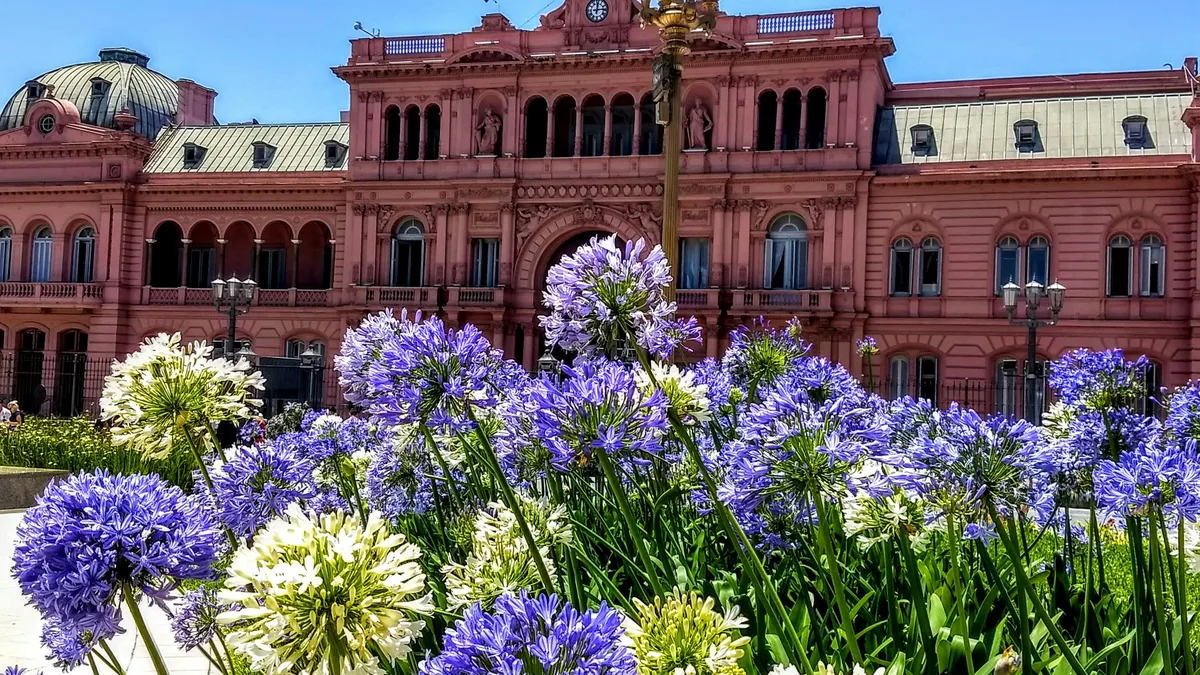 Private Tours
Relive the story of Eva Duarte de Perón — a political leader who fought for Argentina's most disadvantaged — with visits to Plaza de Mayo, the Casa Rosada balcony, her monument, and her tomb at Recoleta Cemetery.
Visitor guide
La Recoleta Cemetery is a historic cemetery in the Recoleta neighbourhood of Buenos Aires, Argentina, known for its elaborate above-ground mausoleums. It contains the graves of notable figures including Eva Perón, presidents of Argentina, Nobel Prize winners and the founder of the Argentine Navy.
Franciscan Recollect monks, known as los recoletos, arrived in this area, then on the outskirts of Buenos Aires, in the early 18th century. The cemetery grew up around their convent and the church of Our Lady of the Pillar, built in 1732. After the order was disbanded in 1822, the convent garden was converted into the first public cemetery in Buenos Aires and inaugurated on 17 November that year as the Cementerio del Norte.
Wikipedia credits then-Governor Martín Rodríguez and government minister Bernardino Rivadavia with creating it. The original layout was drawn up by the French engineer Próspero Catelin, who also designed the current facade of the Buenos Aires Metropolitan Cathedral. The cemetery was last remodelled in 1881 by the Italian architect Juan Antonio Buschiazzo while Torcuato de Alvear was mayor.
The cemetery covers 5.5 hectares and contains 4,691 vaults, all above ground, of which 94 have been declared National Historical Monuments. Visitors enter through neoclassical gates with tall Doric columns. Inside, the grounds are laid out in sections like city blocks, with wide tree-lined walkways branching into narrower lanes lined with mausoleums.
The tombs show a wide range of styles, including Art Deco, Art Nouveau, Baroque and Neo-Gothic, and most of the materials used between 1880 and 1930 were imported from Paris and Milan. Many mausoleums are still used by wealthy Argentine families. Wikipedia notes that some are well maintained while others have fallen into disrepair. Among the memorials are works by Argentine sculptors such as Lola Mora and Luis Perlotti, and the tomb of Liliana Crociati de Szaszak is of special interest because of its unusual design.
The BBC hailed Recoleta in 2011 as one of the world's best cemeteries, and CNN listed it in 2013 among the ten most beautiful. The grounds are also home to a colony of stray cats that has become a minor attraction. According to Wikipedia, the number of resident cats fell from a peak of about 60 in the 1960s to roughly 12 as of 2024, because of adoption drives.
The cemetery is best appreciated on foot, wandering the avenues and noticing the variety of sculpture and architecture. It sits beside the church of Our Lady of the Pillar and the surrounding Recoleta neighbourhood. A private guided visit can help identify the more notable tombs and explain the families and history behind them.
See every tour and attraction we cover in Buenos Aires.