TorontoOntario · 36 tours
 Niagara FallsOntario · 25 tours
 New York CityNew York · 30 tours
 Las VegasNevada · 8 tours
 San FranciscoCalifornia · 16 tours
 VancouverBritish Columbia · 17 tours
 DubaiUAE · 54 tours
 Abu DhabiUAE · 5 tours
 Buenos AiresArgentina · 23 tours
 AthensGreece · 31 tours
 AucklandNew Zealand · 38 tours
 CancunMexico · 54 tours
No destinations match “”. Try searching all tours instead — that search understands full questions, not just place names.
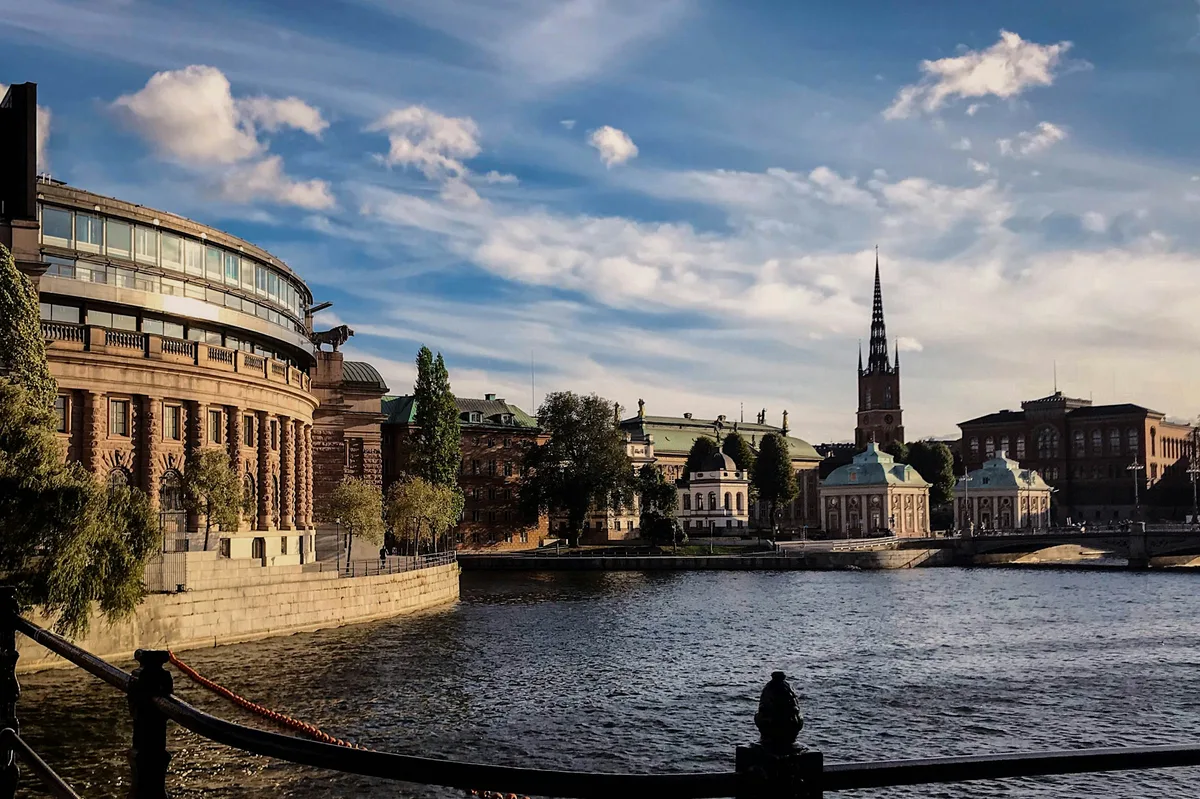
Stockholm's medieval old town, its narrow cobbled streets, the Royal Palace, and the Stortorget square occupying its own small island at the city's center.
 Multi-Day Tours
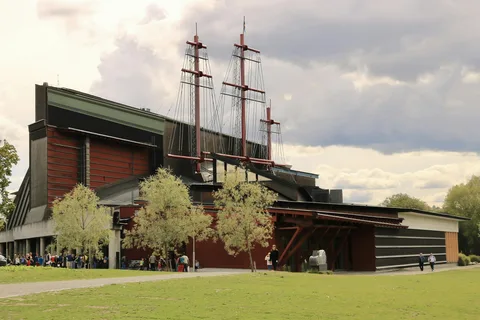
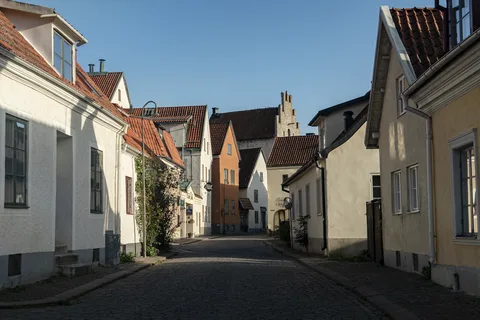
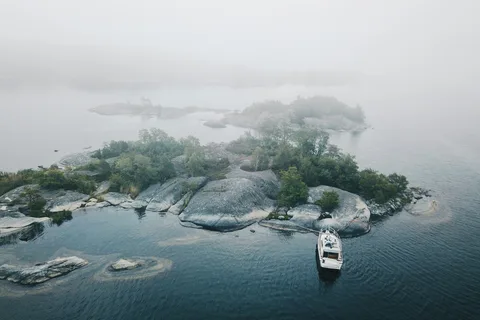
A 10-day Swedish summer route from Stockholm's archipelago and the Vasa Museum to the medieval island town of Visby on Gotland, and the glass-making district of Kosta in Småland.
 Multi-Day Tours
A 7-day Sweden trip pairing Stockholm's 14-island capital with an Arctic stay in Kiruna — the Icehotel, snowmobiling, husky dog sledding, and northern lights viewing in Swedish Lapland.
Visitor guide
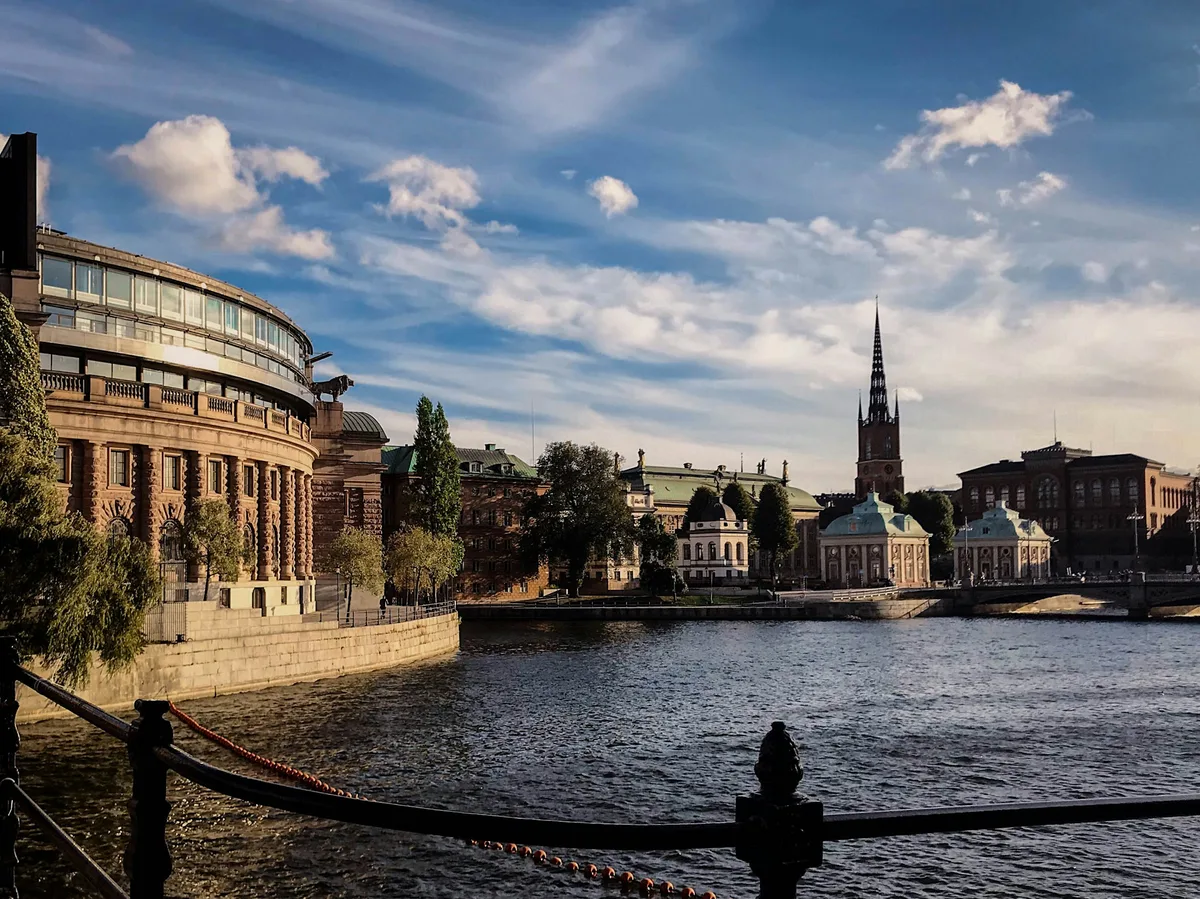
Gamla Stan, meaning 'the Old Town', is the historic core of Stockholm, Sweden, centred on the island of Stadsholmen and joined by the nearby islets of Riddarholmen, Helgeandsholmen and Strömsborg. It holds around 3,000 residents and a dense web of medieval lanes, merchants' houses, churches and palaces that together make up one of the best-known old quarters in Northern Europe.
The name Stockholm is commonly said to mean 'log island', and a popular legend tells how the leaders of Sigtuna, then the capital, set a hollowed log filled with gold afloat and built where it came ashore. That story is legend, but dendrochronology on logs found on Helgeandsholmen in 1978 to 1980 suggests they were cut between 970 and 1020, so activity on the islands is old. The town itself dates to the 13th century, and historians still debate how planned its growth was, with Birger Jarl and Magnus Ladulås traditionally credited as its early organisers.
Until 1980 the district's official name was 'Staden mellan broarna', the Town between the Bridges. The shorter 'Gamla Stan' is a contraction of 'the old town' and is thought to date only to the early 20th century.
The original walled town occupied the raised central ground between the streets Västerlånggatan and Österlånggatan. Lanes ran in from the four compass points to the central market square, Stortorget, while Köpmangatan led east towards the fish market and Svartmansgatan and Skomakargatan led south. According to Wikipedia, medieval street level lay about three metres below today's, many streets were first paved in wood, and stone paving began only in the later 14th century. North German architecture, including Brick Gothic, strongly influenced what was built.
Stortorget is surrounded by old merchants' houses, among them the former Stock Exchange Building. The square grew from a market place that was enlarged after a fire in the early 15th century. It is also the setting of the Stockholm Bloodbath of November 1520, when Swedish nobles were executed on the orders of the Danish king Christian II.
Sweden's Baroque Royal Palace stands at the edge of the island. It was built in the 18th century after the earlier castle, Tre Kronor, burned down, with Nicodemus Tessin the Younger and Carl Hårleman among its designers. Close by is Storkyrkan, Stockholm Cathedral, which holds Bernt Notke's sculpture of Saint George and the Dragon.
On Riddarholmen, Riddarholmskyrkan is the royal burial church, and the House of Nobility, Riddarhuset, stands on the islet's north-western corner. The district also includes Parliament House, Tessin Palace and Bonde Palace, which houses the Supreme Court. The Nobel Museum is in the old town too, and the restaurant Den gyldene freden on Österlånggatan has operated since 1722 and is now owned by the Swedish Academy, whose Thursday luncheons are held there.
Mårten Trotzigs gränd is less than a metre wide and is described as the narrowest alley in the city. Small corners such as the courtyard Bollhustäppan hold the Iron Boy statue by Liss Eriksson from 1967. In the 17th century the streets Stora Nygatan and Lilla Nygatan were extended towards the northern shore, completed by 1660, and the medieval eastern wall gave way to private palaces along Skeppsbron.
From the mid-19th to the early 20th century the area was considered a slum, and after the Second World War some blocks and alleys were demolished to enlarge the Riksdag. From the 1970s and 1980s the district became a major visitor draw. Volunteer building surveys suggest some structures once dated to the 17th and 18th centuries may in fact be far older.
Because the lanes are narrow and the history is layered, Gamla Stan rewards an unhurried walk with a local guide who can point out the details behind the facades. A private tour with a vehicle and driver can handle the approach and onward travel while you explore the island on foot.
See every tour and attraction we cover in Sweden.