TorontoOntario · 36 tours
 Niagara FallsOntario · 25 tours
 New York CityNew York · 30 tours
 Las VegasNevada · 8 tours
 San FranciscoCalifornia · 16 tours
 VancouverBritish Columbia · 17 tours
 DubaiUAE · 54 tours
 Abu DhabiUAE · 5 tours
 Buenos AiresArgentina · 23 tours
 AthensGreece · 31 tours
 AucklandNew Zealand · 38 tours
 CancunMexico · 54 tours
No destinations match “”. Try searching all tours instead — that search understands full questions, not just place names.
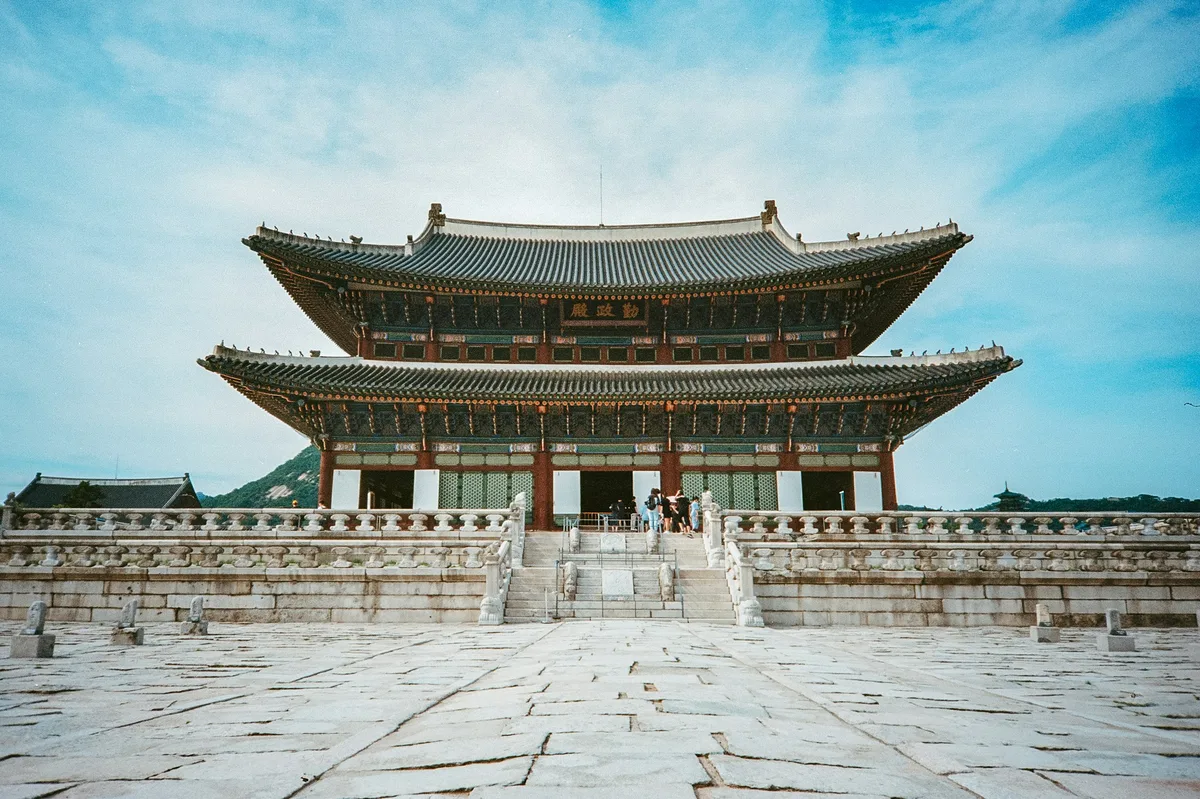
The largest of Seoul's five grand palaces, built in 1395 as the main royal residence of the Joseon dynasty, with a daily royal guard-changing ceremony at its main gate.
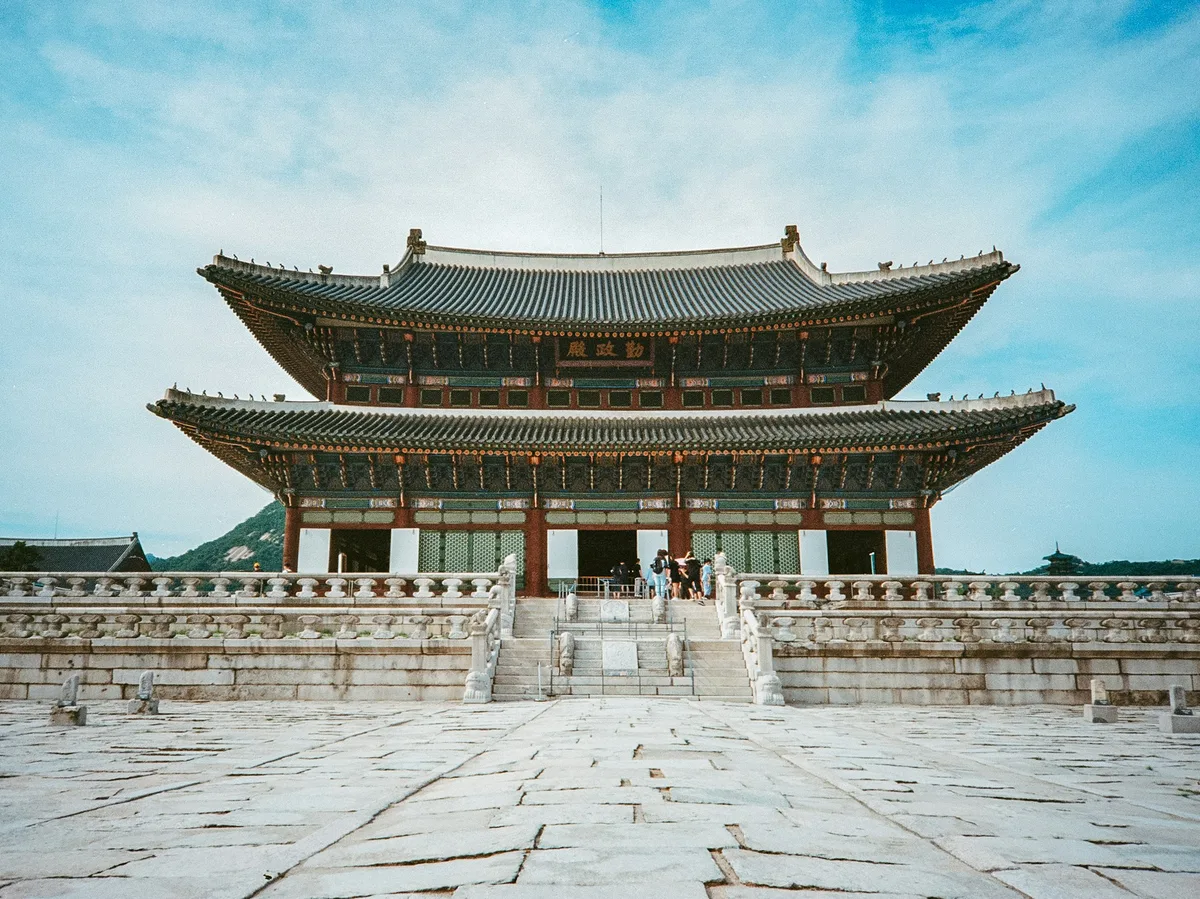 Multi-Day Tours
A 9-day South Korea route from Seoul's palaces to Busan's markets and beaches and volcanic Jeju Island, with a private driver and English-speaking guide throughout and high-speed KTX rail and a short domestic flight linking the cities.
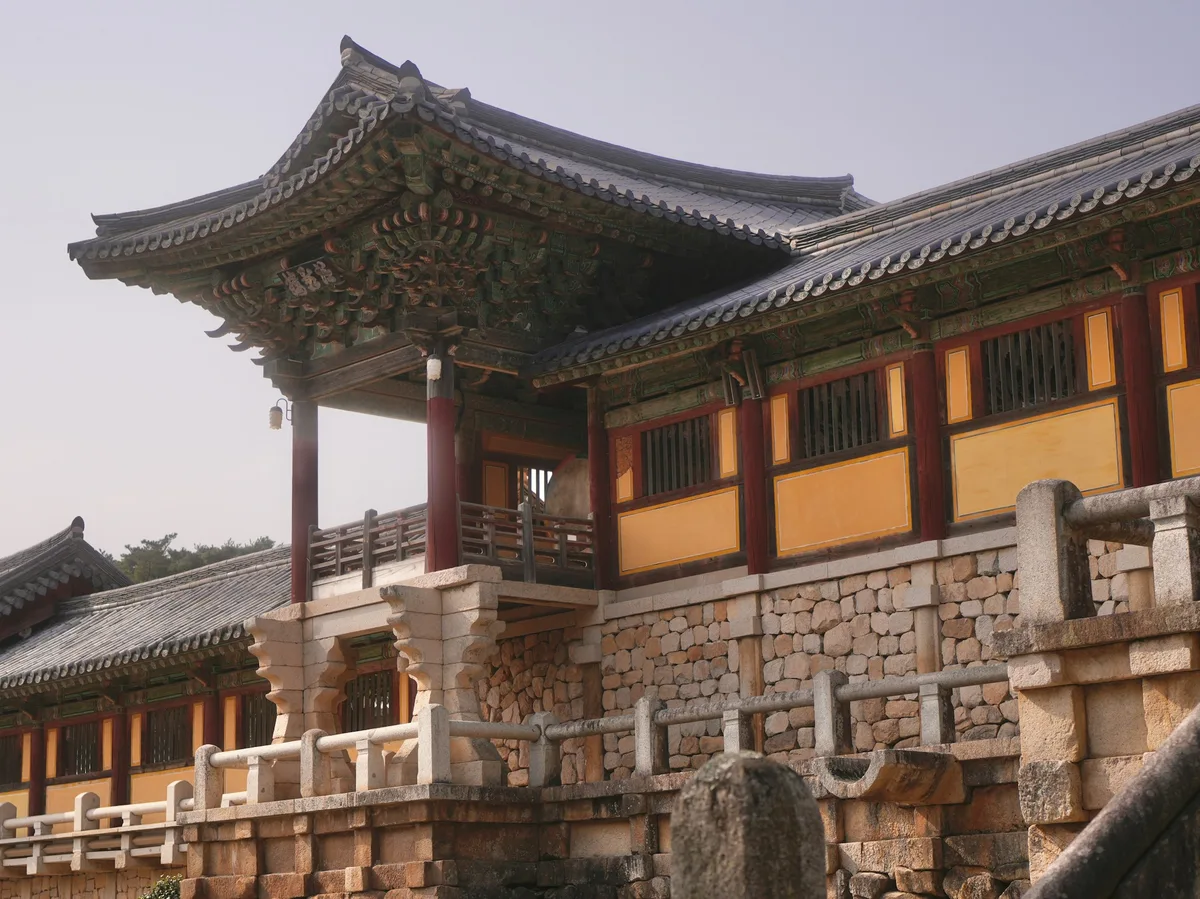 Multi-Day Tours
A 14-day South Korea route from Seoul's palaces and the DMZ to the ancient Silla capital of Gyeongju, Busan's markets and beaches, the Suncheon Bay wetlands, and the traditional hanok village of Jeonju, with a private driver-guide throughout.
Visitor guide
Gyeongbokgung is a royal palace in Seoul, South Korea, established in 1395 as the first royal palace of the Joseon dynasty under King Taejo. Its name roughly means great blessings palace. It is among Seoul's most visited sights and a Historic Site of South Korea, with throne halls, pavilions, museums and a ceremonial guard changing at its main gate.
According to Wikipedia, the minister Chŏng Tojŏn named the palace in the tenth month of 1395, drawing on a line from the Classic of Poetry. It was also known as Bukgwol, the north palace. The first construction phase finished in the ninth month of 1395, and Taejo moved in three months later. Later kings mostly lived in other palaces until Sejong, who reigned from 1418 to 1450, made it the primary palace from 1427. Under Sejong the palace housed the Hall of Worthies, an institution linked with the development of the Korean script Hangul, as well as a water clock and an observatory.
In 1592, during the Imjin War, the palace was completely burned, and the article notes that who set the fires is debated. Plans to rebuild were postponed for lack of funds, and the palace sat largely unused for about 270 years. Queen Sinjeong, regent for King Gojong, ordered its rebuilding in 1865. Gojong moved in during 1868, and reconstruction was completed in 1888, when the palace had roughly 500 buildings. Korea's first electric light is recorded as having been switched on at the palace in 1887.
Empress Myeongseong, also known as Queen Min, was assassinated by Japanese agents in 1895 at Geoncheonggung within the palace grounds. Gojong later moved to Deoksugung and declared the Korean Empire, and Gyeongbokgung was no longer significantly used.
Japan made the palace a public park in 1907 and began auctioning buildings in 1910. By 1945 only about 40 pre-colonial buildings remained. The Government-General of Chōsen building was constructed on the site between 1916 and 1926 and was demolished in 1995 and 1996. The Korean War also damaged the palace, and it was designated a Historic Site of South Korea on 21 January 1963.
The First Gyeongbokgung Restoration Plan, from 1990 to 2010, restored 89 buildings, about a quarter of the original number, and a second plan from 2010 to 2045 aims to recreate roughly 90 more. Gwanghwamun, the main south gate, was restored to its pre-colonial state between 2006 and 2010.
Geunjeongjeon is the main throne hall, a National Treasure described as the largest main hall of any Joseon palace; five kings were crowned there, including Sejong. Gyeonghoeru is an elevated banquet hall on an artificial island, also a National Treasure, rebuilt in 1867. Hyangwonjeong is a pavilion on a pond island built between 1867 and 1873, and Jagyeongjeon has a decorated chimney that is itself a designated Treasure. Gwanghwamun is the main southern gate, first completed in 1395.
The National Palace Museum of Korea occupies a modern building in the southwest of the grounds and holds artefacts from the former royal family. The National Folk Museum of Korea stands in the east. A changing of the guard ceremony takes place twice a day, and a reenactment began in 2002. From July 2005 to December 2024 the palace received about 56 million visitors, more than any other tourist site in Seoul, according to the article.
The grounds are large and mostly outdoors, so a private guide can help pace the visit and explain how the palace was lost and rebuilt. Because the guard ceremony and museum arrangements can change, check current schedules before planning the day.
See every tour and attraction we cover in South Korea.