TorontoOntario · 36 tours
 Niagara FallsOntario · 25 tours
 New York CityNew York · 30 tours
 Las VegasNevada · 8 tours
 San FranciscoCalifornia · 16 tours
 VancouverBritish Columbia · 17 tours
 DubaiUAE · 54 tours
 Abu DhabiUAE · 5 tours
 Buenos AiresArgentina · 23 tours
 AthensGreece · 31 tours
 AucklandNew Zealand · 38 tours
 CancunMexico · 54 tours
No destinations match “”. Try searching all tours instead — that search understands full questions, not just place names.
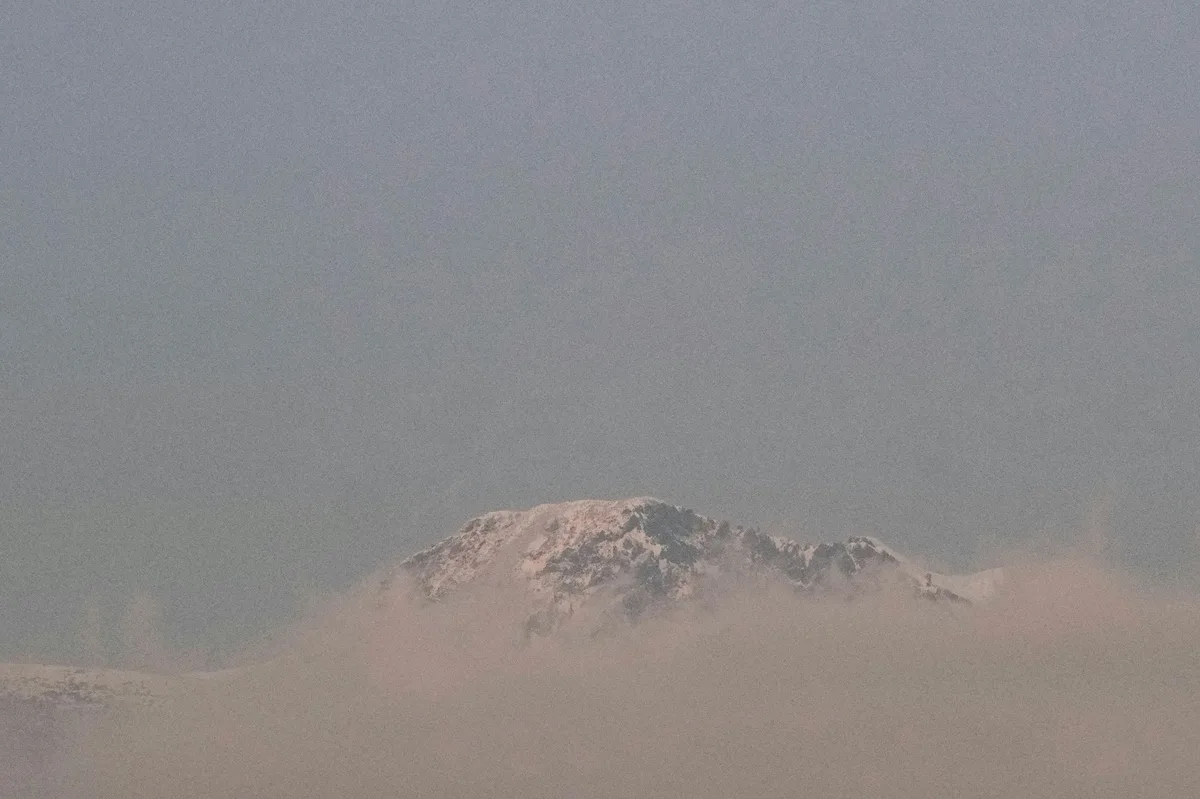
South Korea's highest peak, a dormant shield volcano at the center of Jeju Island and a UNESCO World Heritage site, with hiking trails through its forested slopes.
Visitor guide
Hallasan is a shield volcano that forms most of Jeju Island, South Korea. Its summit, at 1,947 metres, is the highest point in the country, and the surrounding area is protected as Hallasan National Park. The Hallasan Natural Reserve is one of three sites in the UNESCO serial property Jeju Volcanic Island and Lava Tubes.
According to Wikipedia, volcanic building began in the Pliocene on the continental shelf, and basalt and trachyte lava raised the island above sea level. A summit crater more than 400 metres across sits at the top, and about 360 parasitic cones, called oreum, lie on the flanks, along with around 20 tuff rings near the coast and offshore. The Goryeosa records the last eruption in 1007 CE, while geological evidence suggests at least 2,000 years ago, and the article notes that the classification of the volcano as active is not universally agreed.
The crater lake Baengnokdam, whose name means white deer lake, is up to about 2 kilometres in circumference and up to about 100 metres deep, depending on the season. A legend links it to otherworldly men who play with white deer. The mountain is often grouped with Jirisan and Seoraksan as one of South Korea's three main mountains.
Isolation from the mainland has produced distinct species, and plant zones run from subtropical vegetation near the coast to alpine plants near the summit. Wikipedia reports that about 400 of Korea's 4,000 native vascular plant species are estimated to be endangered or potentially rare. Roe deer have recovered thanks to protection, while the tiger, wild boar and Formosan deer are listed as extinct on the island. Sea breezes and eddies around the mountain affect local temperatures, so conditions can differ noticeably between the windward and downwind sides.
Gwaneumsa is described as the island's oldest Buddhist temple. It dates to the Goryeo period, was destroyed in 1702 and was rebuilt in 1908. A memorial outside the temple honours victims of the Jeju uprising of 1948 to 1950. The Jonjaamji pagoda, which preserves Buddha relics, also stands on the mountain. The Hallasan Natural Reserve was designated Natural Monument No. 182 in 1966.
The Hallasan National Park office lists seven trails; the five main ones are Gwaneumsa at 8.7 kilometres, Eorimok at 6.8 (4.7 to Witse Oreum), Seongpanak at 9.6, Yeongsil at 5.8 (3.7 to Witse Oreum) and Donnaeko at 7. Only Gwaneumsa and Seongpanak reach the summit, while the others end at the Nambyeok junction (about 1,600 metres), passing Witse Oreum on the Eorimok and Yeongsil routes, because the upper sections have been closed since 1994 to protect vegetation. Donnaeko reopened on 4 December 2009 after a fifteen-year break. Trail access can change with weather and conservation measures.
Hallasan is usually approached as a full-day outing, and a summit hike is demanding. Those who prefer a gentler experience can explore lower trails and nearby oreum. A private vehicle and driver can handle the trailhead transfers, and checking current trail status before setting out is sensible.
See every tour and attraction we cover in South Korea.