TorontoOntario · 36 tours
 Niagara FallsOntario · 25 tours
 New York CityNew York · 30 tours
 Las VegasNevada · 8 tours
 San FranciscoCalifornia · 16 tours
 VancouverBritish Columbia · 17 tours
 DubaiUAE · 54 tours
 Abu DhabiUAE · 5 tours
 Buenos AiresArgentina · 23 tours
 AthensGreece · 31 tours
 AucklandNew Zealand · 38 tours
 CancunMexico · 54 tours
No destinations match “”. Try searching all tours instead — that search understands full questions, not just place names.
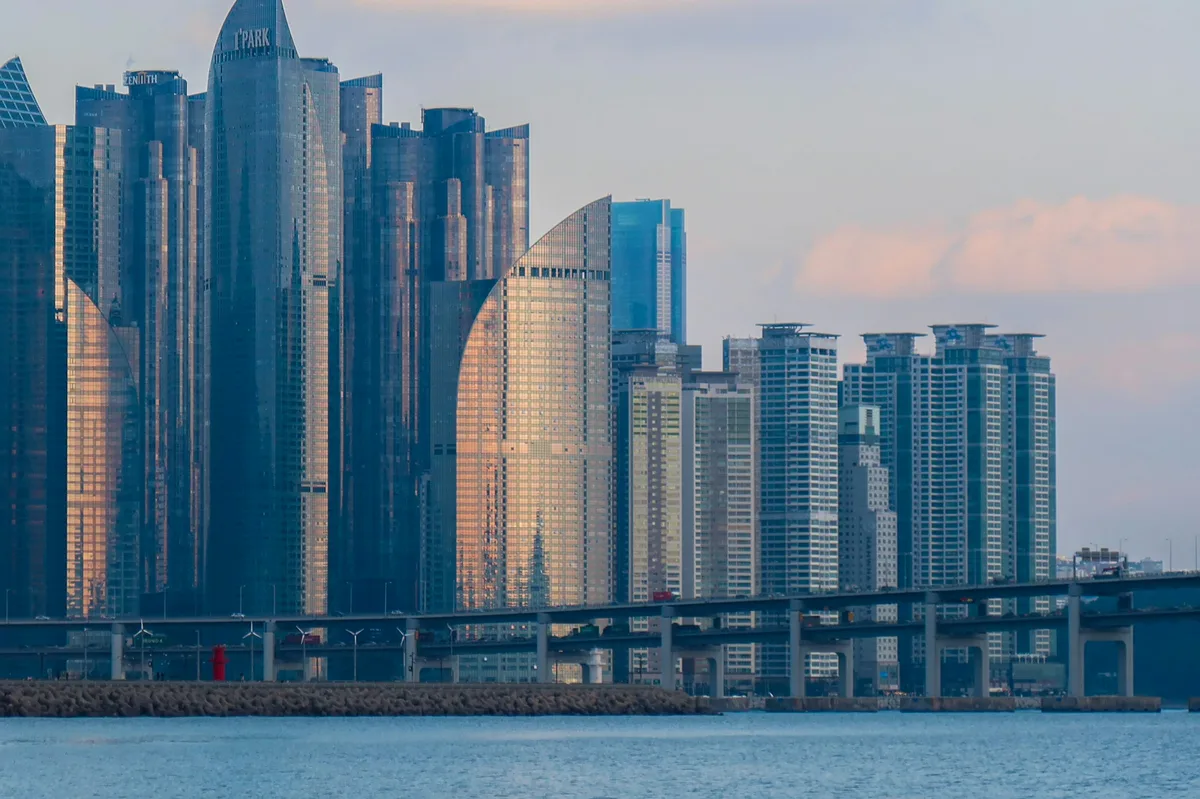
Busan's best-known city beach, a long stretch of sand backed by high-rise towers, popular for swimming, surfing, and its seaside promenade.
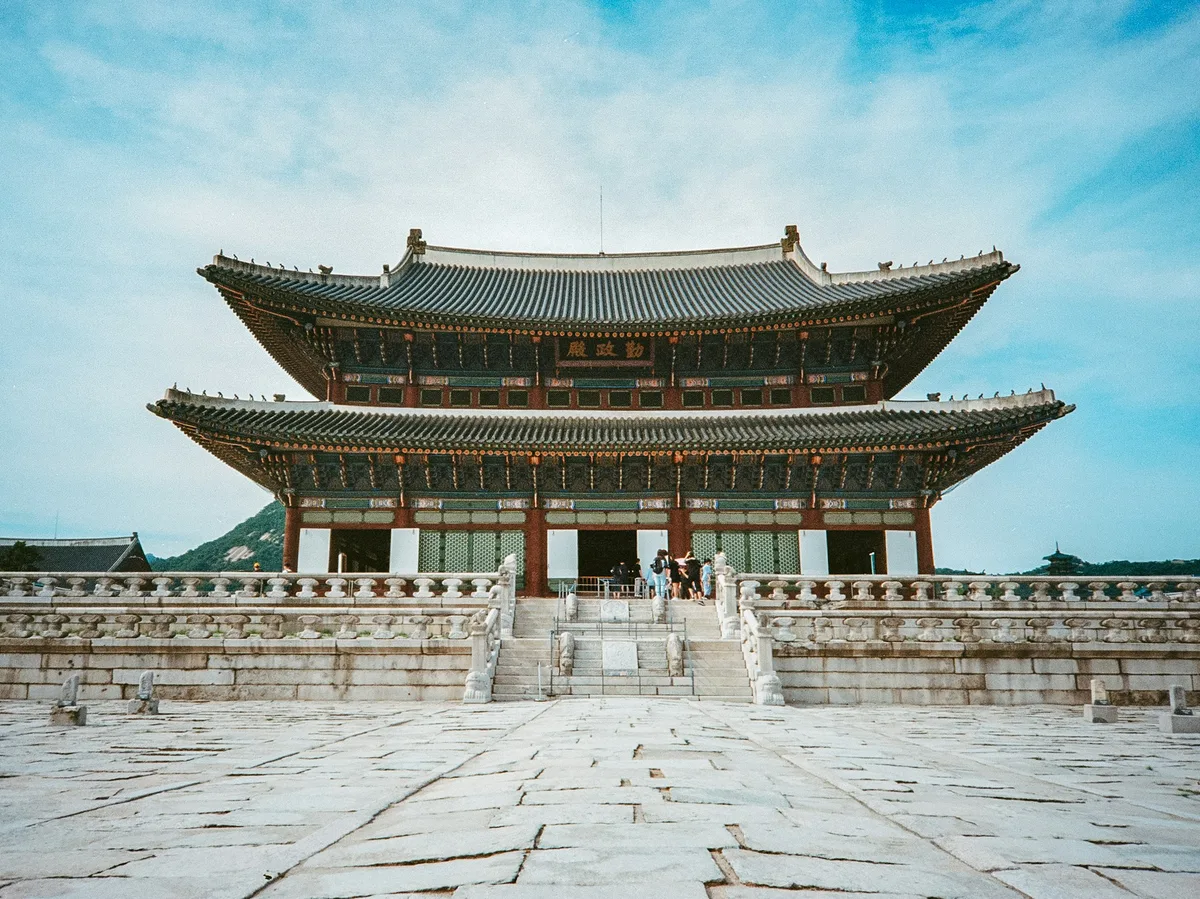 Multi-Day Tours
A 9-day South Korea route from Seoul's palaces to Busan's markets and beaches and volcanic Jeju Island, with a private driver and English-speaking guide throughout and high-speed KTX rail and a short domestic flight linking the cities.
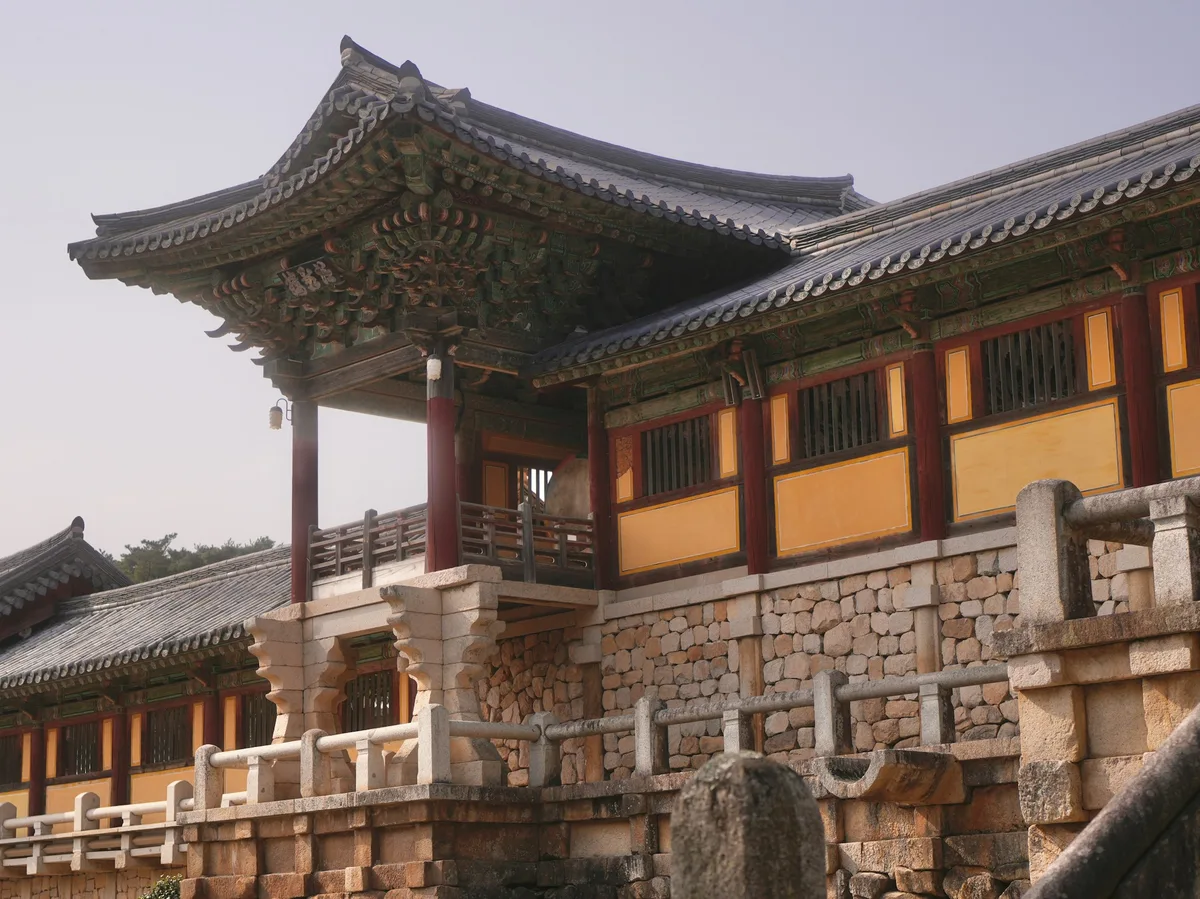 Multi-Day Tours
A 14-day South Korea route from Seoul's palaces and the DMZ to the ancient Silla capital of Gyeongju, Busan's markets and beaches, the Suncheon Bay wetlands, and the traditional hanok village of Jeonju, with a private driver-guide throughout.
Visitor guide
Haeundae Beach is an urban beach in the Haeundae District of Busan, South Korea, considered one of the country's most famous beaches. Its sandy stretch is about 1.5 kilometres long and, after sand restoration, roughly 70 to 90 metres wide, with a skyline of high-rise towers rising behind it. It is a centre of summer holidays and winter festivals alike.
According to Wikipedia, the sandy portion has an average water depth of about 1 metre and can accommodate around 120,000 people at once. It draws over 10 million visitors per season. In 2008 it set a Guinness World Record for the most beach umbrellas at one time, with 7,937 of them. The beach has an accessible parking area, and high-rise buildings such as the LCT Towers are visible from the sand.
The area was originally a fishing area and became a leisure space in the late 19th century. During Japanese colonial rule from 1910 to 1945, Japanese settlers taught their children to swim there. During the Korean War, from 1950 to 1953, United States forces were stationed at the beach and prepared it for landing ships. It opened in 1965 as the country's largest beach at the time and was designated a special tourist area in 1994.
Erosion has been a problem. Wikipedia notes that the sandy area shrank by 54 percent between 1947 and 2004, and the government responded with underwater breakwaters and annual sand replenishment.
The Haeundae Polar Bear Festival has been held every January since 1988, when several thousand people bathe in the near-freezing water. The Haeundae Sand Festival features sand artwork and visitor activities and is described as the only sand-related eco-festival in Korea. The Busan International Film Festival has held events at the beach, which has also hosted e-sports events, concerts on floating stages and was used in the 2009 disaster film Tidal Wave.
Dongbaekseom, a former island at the west end of the beach and now part of the mainland, has long been famed for its beauty. Other nearby attractions listed by Wikipedia include Haeundae Hot Springs, the Oryukdo islands, the Dalmaji-gil tourist road, APEC Naru Park and the Sea Life Busan Aquarium, as well as many restaurants and nightlife venues.
Unlike remote resort coasts, Haeundae sits directly against the city. Wikipedia lists a long run of restaurants, leisure venues and nightlife in the streets behind the sand, and the Haeundae Hot Springs lie a short distance away. This mix of sea, spas and skyline is a large part of why the beach is described as one of Korea's most famous, and it explains why the sand is busy from early in the summer season.
The beach has also been a setting for large public events, from concerts on floating stages to e-sports competitions for StarCraft. The mix of long sand, shallow water averaging about 1 metre in depth, and a high-rise backdrop gives it a different character from the quieter beaches elsewhere on the Korean coast.
The beach is at its busiest in summer, so many visitors prefer early morning or shoulder-season visits for a quieter experience. A private tour can combine the beach with the Dongbaekseom walk and other coastal sights in Busan, and the seafront is easy to enjoy on foot at any time of year.
See every tour and attraction we cover in South Korea.