TorontoOntario · 36 tours
 Niagara FallsOntario · 25 tours
 New York CityNew York · 30 tours
 Las VegasNevada · 8 tours
 San FranciscoCalifornia · 16 tours
 VancouverBritish Columbia · 17 tours
 DubaiUAE · 54 tours
 Abu DhabiUAE · 5 tours
 Buenos AiresArgentina · 23 tours
 AthensGreece · 31 tours
 AucklandNew Zealand · 38 tours
 CancunMexico · 54 tours
No destinations match “”. Try searching all tours instead — that search understands full questions, not just place names.
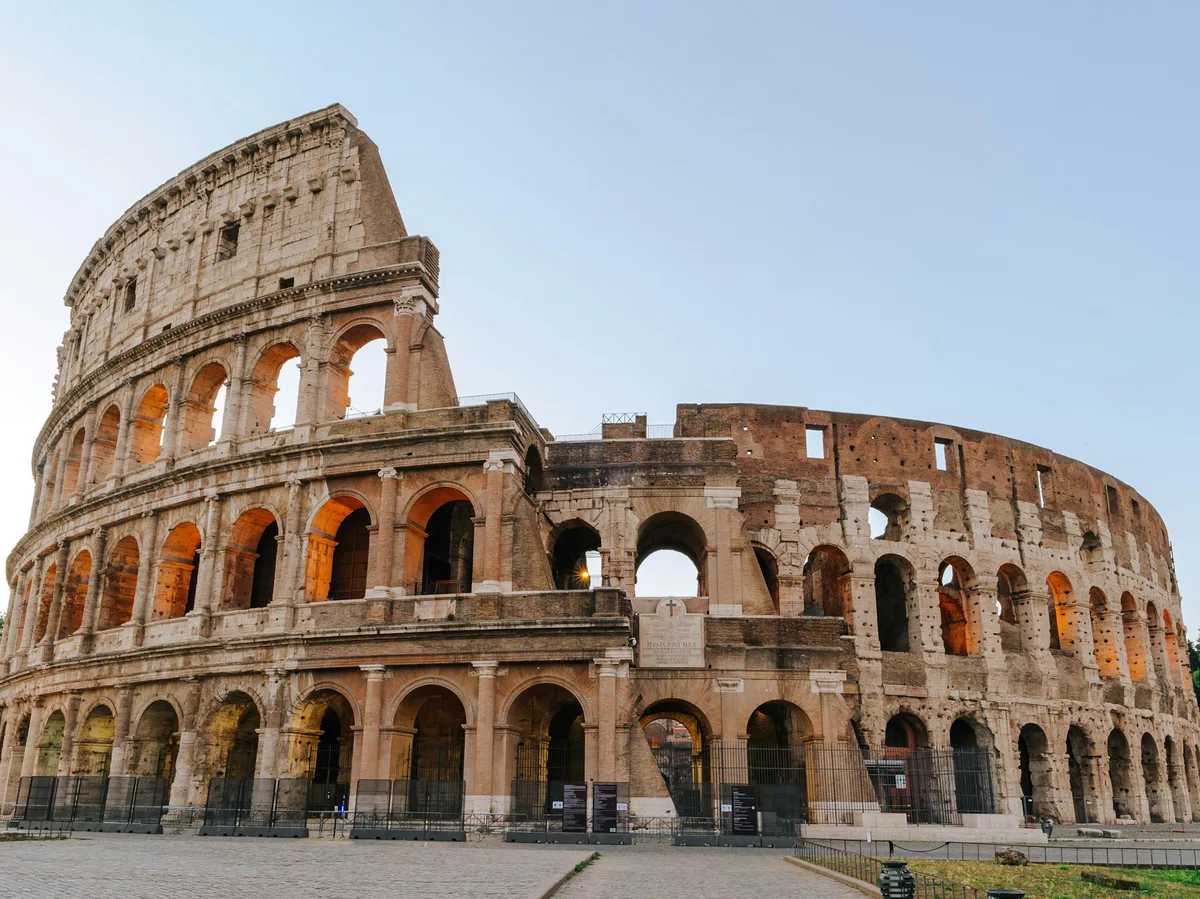
The largest amphitheater ever built by the Roman Empire, still standing at the heart of Rome nearly 2,000 years after gladiators fought inside it — paired on most itineraries with a walk through the neighboring Roman Forum.
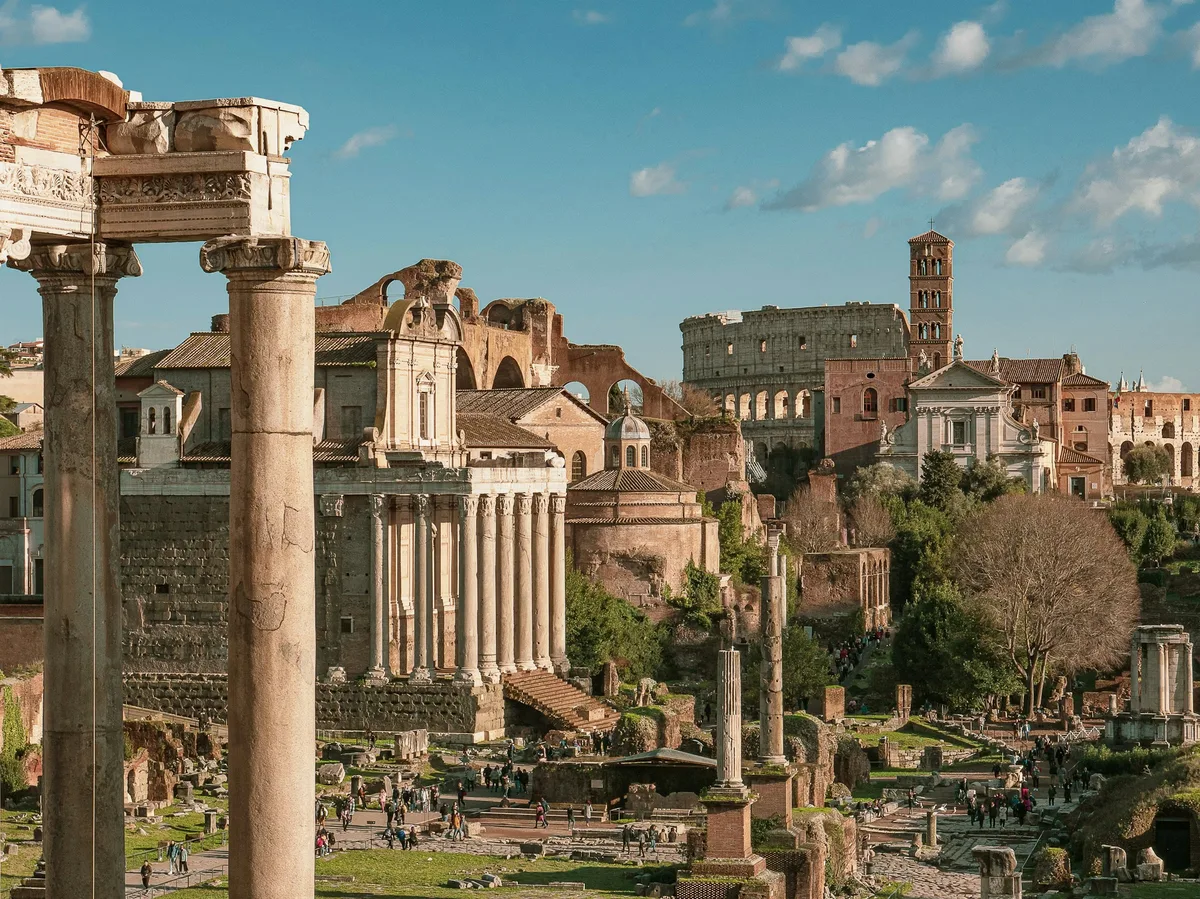 Multi-Day Tours
A 10-day journey through Italy's three most iconic cities — Vatican City and ancient Rome, Renaissance art and cuisine in Florence, and canal life and island-hopping in Venice.
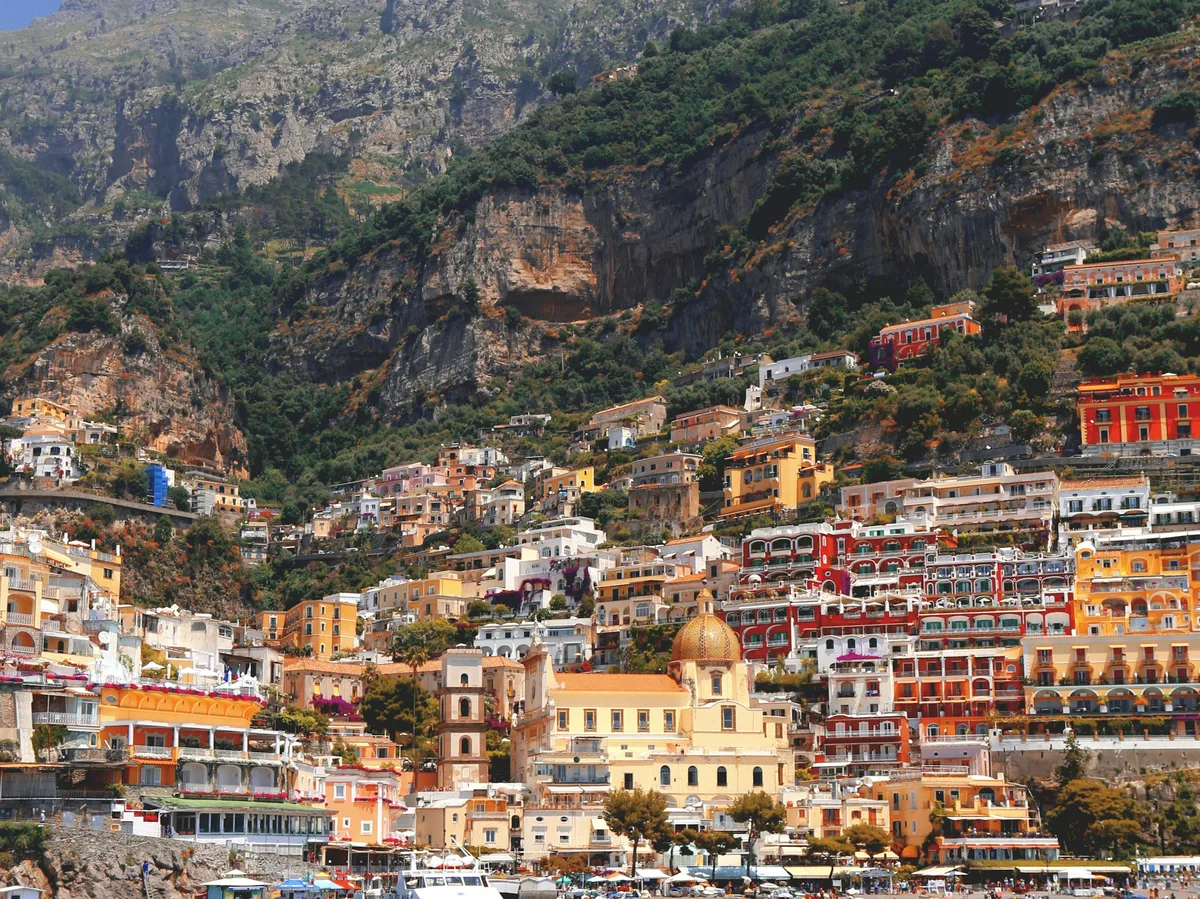 Multi-Day Tours
A 15-day grand tour from Venice's canals through Florence, the Chianti wine trail and Sorrento to the Amalfi Coast and Capri, finishing with Pompeii and Rome.
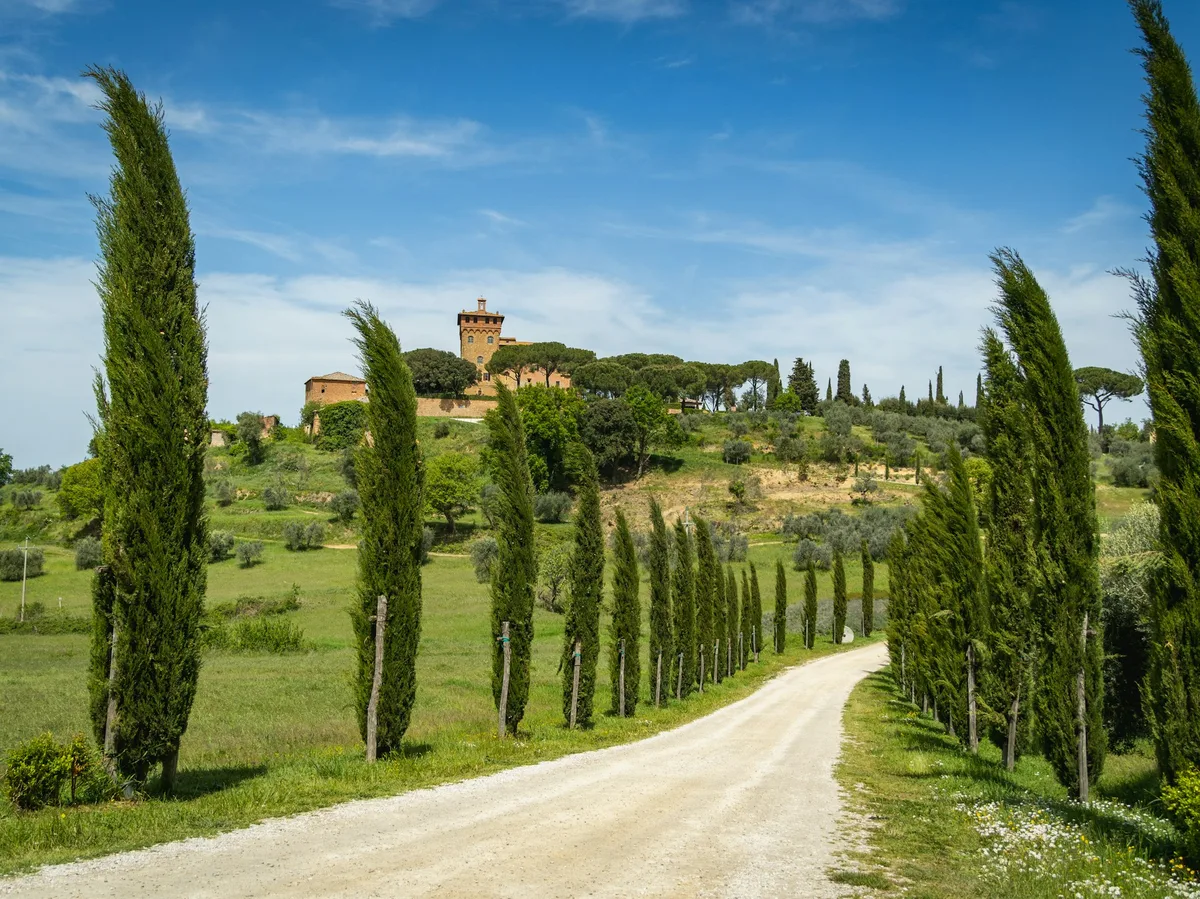 Multi-Day Tours
A 16-day journey from Rome's ancient sites through Florence and Tuscany's wine country, then across to Andalusia's Alhambra, Cordoba's Mezquita and Seville's flamenco, finishing in Madrid.
 Multi-Day Tours
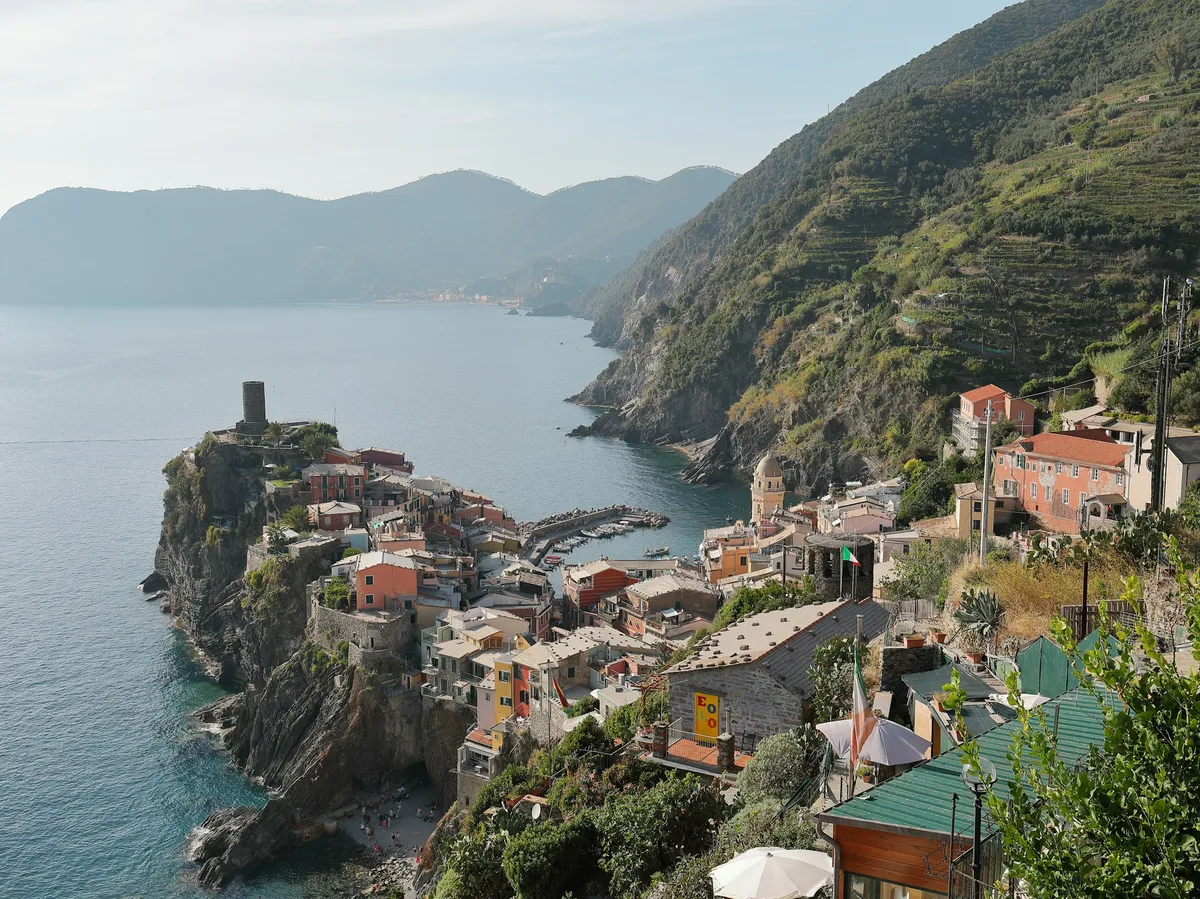
A 15-day luxury honeymoon through Venice, Lake Garda, the Italian Riviera and Cinque Terre, Florence and Tuscany, Rome, Capri and the Amalfi Coast.
 Multi-Day Tours
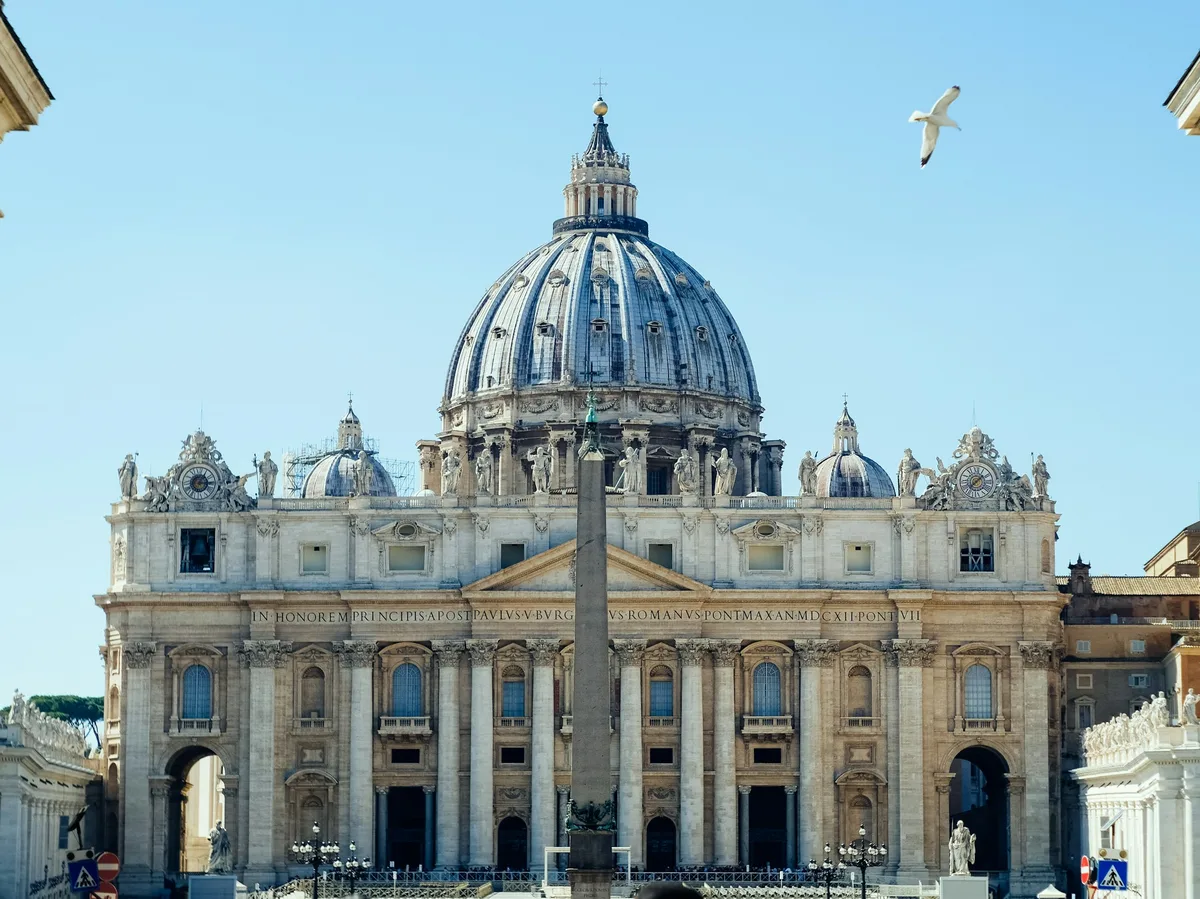
A 14-day accessible journey through Rome, Florence, Bologna and Milan, with accessible hotels and private transfers throughout, plus a wheelchair-accessible hot air balloon ride above the Tuscan hills.
Visitor guide
The Colosseum is an elliptical amphitheatre in the centre of Rome, Italy, just east of the Roman Forum. Begun under the emperor Vespasian and completed under his son Titus, it is described by Wikipedia as the largest ancient amphitheatre ever built and the largest standing amphitheatre in the world. It remains one of the best-known symbols of Imperial Rome.
The site lay in a low valley between the Caelian, Esquiline and Palatine hills. After the Great Fire of Rome in AD 64, the emperor Nero took much of the area for his private domain and built the Domus Aurea there, with an artificial lake in front of it. After Nero, the lake was filled in and the land reused for a new amphitheatre, a move often read as a populist gesture of returning the space to the people. Unlike many amphitheatres, which stood on the edge of a city, this one was placed in the city centre.
Construction began around AD 70 to 72 under Vespasian, though some sources give a few years later. An inscription records that it was paid for from the spoils of the Jewish war, and the building was largely finished by Titus, who held the inaugural games in AD 80 or 81. His brother Domitian later added the hypogeum, the network of tunnels beneath the arena floor that housed animals and prisoners, and a gallery at the top that increased the seating. The three emperors are known together as the Flavian dynasty, which is why later scholars call the building the Flavian Amphitheatre.
The Colosseum is entirely free-standing rather than cut into a hillside. It is oval in plan, roughly 189 metres long and 156 metres wide, with an outer wall about 48 metres high. It was built from travertine, tuff and Roman concrete, and the outer travertine blocks were set without mortar and held together with iron clamps. The surviving north side of the facade rises in three storeys of arcades framed by Doric, Ionic and Corinthian columns, with a tall attic above.
Around the top of the attic are corbels that once supported the velarium, a retractable awning of canvas and rope that shaded spectators. According to Wikipedia, sailors from the Roman naval base at Misenum were enlisted to operate it. Estimates of the audience range from about 50,000 to 80,000 at different points in the building's history, with an average often given as around 65,000.
The arena hosted gladiatorial contests and public spectacles including animal hunts, executions, and re-enactments of famous battles. The Roman historian Cassius Dio reports that more than 9,000 wild animals were killed during the inaugural games. A fire in AD 217 destroyed the wooden upper levels of the interior, and repairs continued over the following centuries. Gladiatorial fights are last mentioned around 435, and animal hunts continued until at least 523.
In the Middle Ages the building took on new roles. A small chapel was built into it by the late sixth century, parts of it served as housing and workshops, and around 1200 the Frangipani family fortified it as a castle. A great earthquake in 1349 brought down the outer south side, and the fallen stone was reused for palaces, churches and hospitals elsewhere in Rome. The pockmarks visible in the walls today are where the iron clamps were pried out. In 1749 Pope Benedict XIV consecrated the Colosseum to the Passion of Christ, although the Catholic Encyclopedia notes there is no historical evidence for the claim that Christians were martyred there, only the plausible conjecture that some may have been.
Later popes carried out stabilisation and restoration work, clearing the vegetation that had overgrown the ruin. The Colosseum is now among Rome's most visited landmarks and is part of the UNESCO-listed historic centre of Rome. Each Good Friday the Pope leads a torchlit Way of the Cross procession that starts in the area around it, and the building appears on the Italian version of the five-cent euro coin.
The Colosseum sits beside the Roman Forum and Palatine Hill, and the three are often visited together. A private guided visit with a driver can help you place the amphitheatre within the surrounding ancient city, and a guide can explain the arena floor, the hypogeum and the surviving facade in context.
See every tour and attraction we cover in Italy.