TorontoOntario · 36 tours
 Niagara FallsOntario · 25 tours
 New York CityNew York · 30 tours
 Las VegasNevada · 8 tours
 San FranciscoCalifornia · 16 tours
 VancouverBritish Columbia · 17 tours
 DubaiUAE · 54 tours
 Abu DhabiUAE · 5 tours
 Buenos AiresArgentina · 23 tours
 AthensGreece · 31 tours
 AucklandNew Zealand · 38 tours
 CancunMexico · 54 tours
No destinations match “”. Try searching all tours instead — that search understands full questions, not just place names.
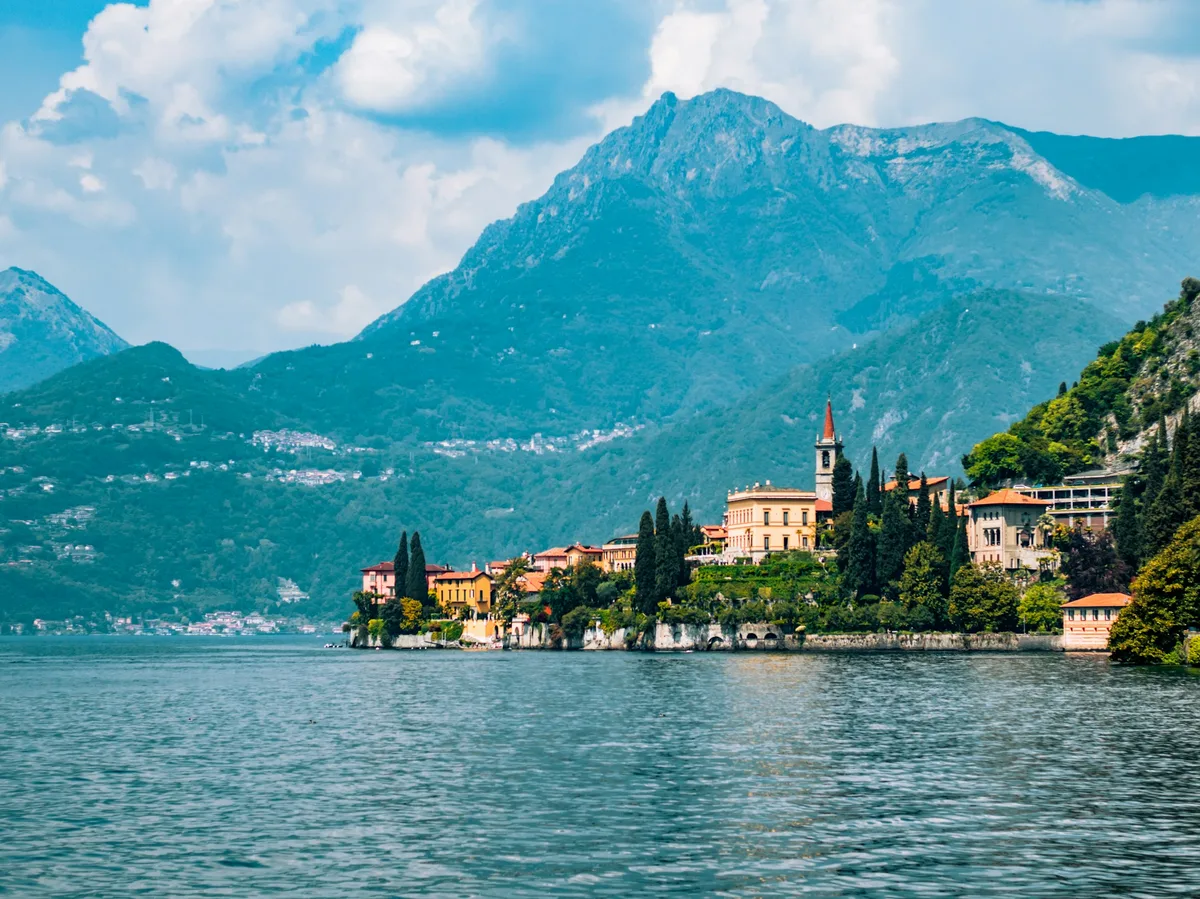
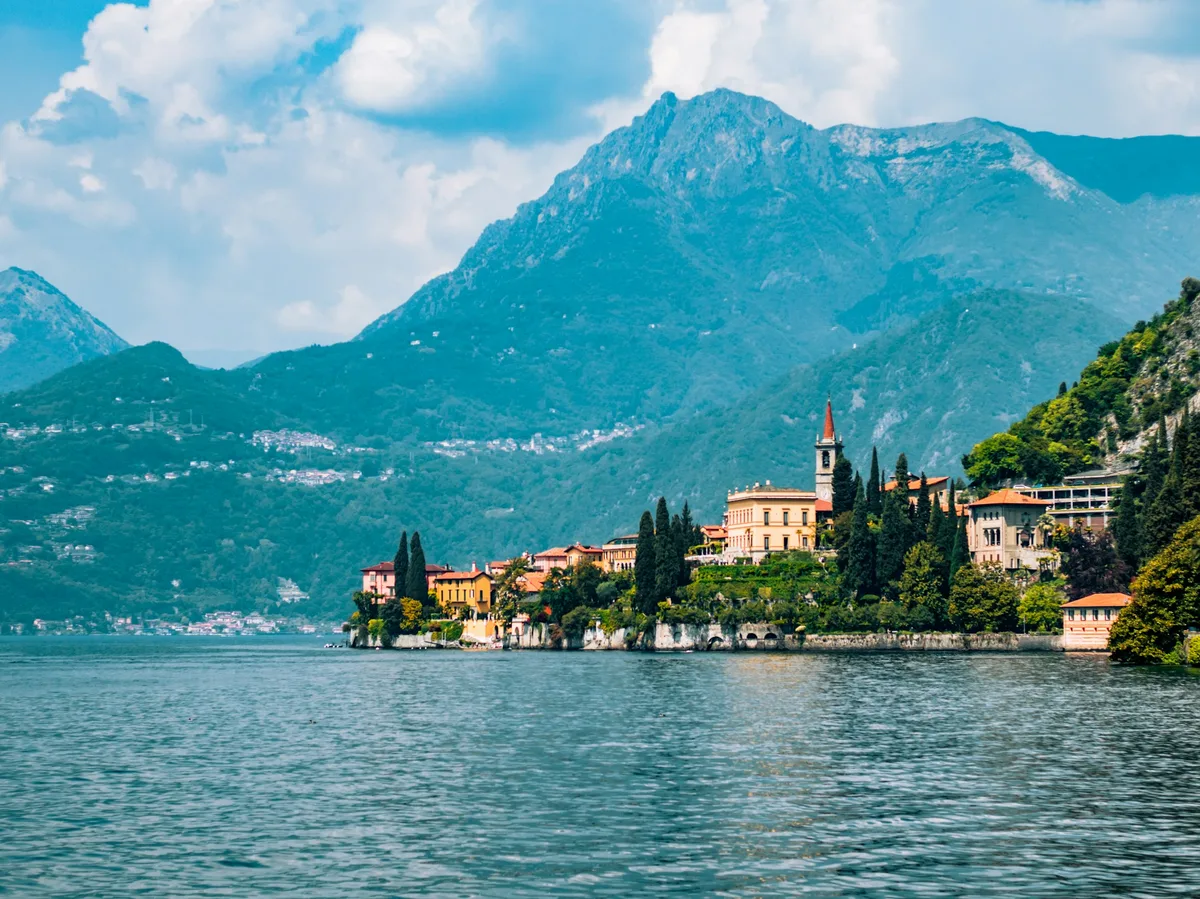
An Alpine lake ringed by villas, gardens and lakeside towns like Bellagio and Tremezzo, reached by boat from Milan and long favored for its mountain views and silk-manufacturing history in the town of Como.
 Multi-Day Tours
A 10-day circuit of northern Italy's lakes — Milan, Lake Como's Bellagio and Tremezzo, Lake Maggiore's Borromean Islands, and wine and hazelnut tastings in Monferrato.
 Multi-Day Tours
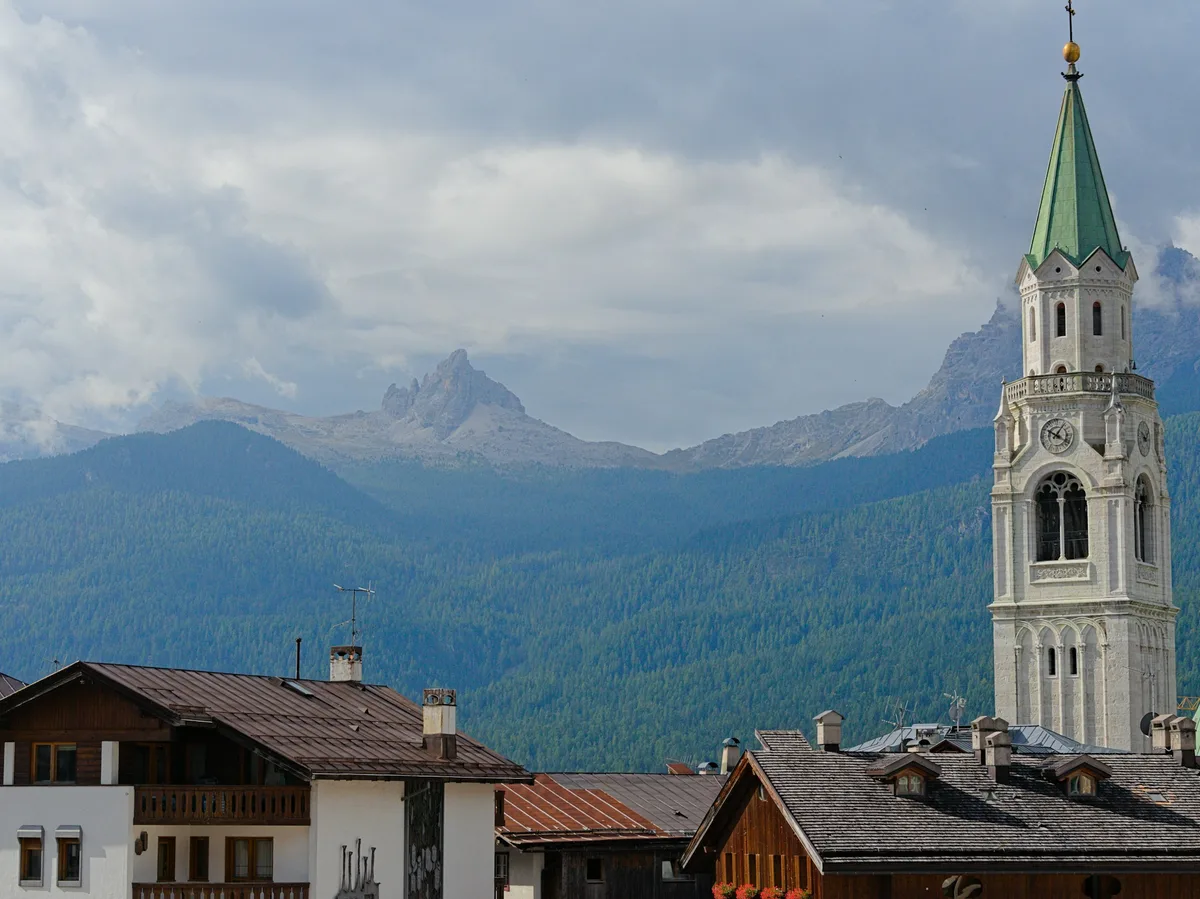
An 11-day journey pairing Switzerland's Interlaken and the Jungfrau Railway with northern Italy's Lake Como and the Dolomites around Cortina d'Ampezzo.
 Multi-Day Tours
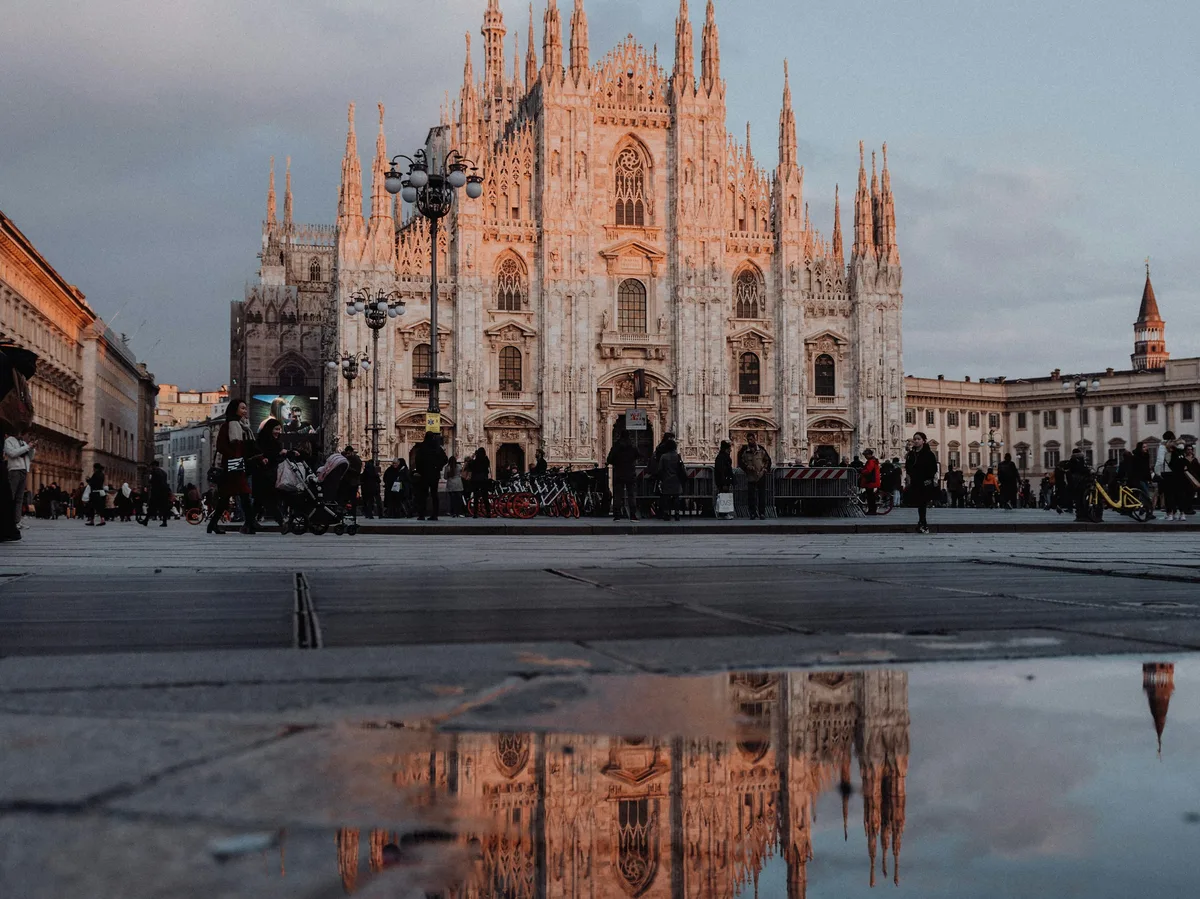
A 10-day craftsmanship tour from Milan's fashion houses through Piedmont's truffles and wine to Bologna's Ferrari and Parmigiano country, Florence's artisans, and Venice's glassmakers.
 Multi-Day Tours
A 14-day accessible journey through Rome, Florence, Bologna and Milan, with accessible hotels and private transfers throughout, plus a wheelchair-accessible hot air balloon ride above the Tuscan hills.
Visitor guide
Lake Como, also known as Lario, is a lake of glacial origin in Lombardy, Northern Italy, about 45 kilometres north of Milan at the foot of the Alps. Covering about 146 square kilometres, it is the third-largest lake in Italy and, at over 400 metres deep, one of the deepest in Europe. Its distinctive Y shape was carved by the ancient Adda glacier.
People have lived around the lake since prehistoric times, and the town of Como was re-founded on its present lakeside site by Julius Caesar in 59 BC as Novum Comum. Pliny the Elder and Pliny the Younger are associated with the town, and the younger Pliny described the lake in his letters as a haven for study, hunting and fishing and kept villas on its shores. The Romans also built the Via Regina, a road linking the lake to the Rhaetian region to the north. The Magistri Comacini, a guild of builders and stonecutters, is said to have originated in this era.
Through the Middle Ages the lake remained strategically important. Como's defensive towers were built under Frederick Barbarossa between 1158 and 1162, and power later passed to the Visconti and Sforza families of Milan. Wikipedia describes the lake as a popular retreat for aristocrats and the wealthy since Roman times.
Lake Como is famous for its villas and gardens. Villa Carlotta, built in 1690, is known for its azaleas and rhododendrons and houses sculptures by Antonio Canova. Villa del Balbianello, on a wooded peninsula, has terraced gardens and was built in 1787 on a former monastery site. Villa Melzi d'Eril dates to 1808 to 1810 and has a landscape park with a Japanese garden. Villa d'Este was built in 1568 for a cardinal and is now a luxury hotel, and the Villa Serbelloni estate in Bellagio houses the Rockefeller Foundation's Bellagio Center. The mild microclimate supports subtropical and Mediterranean plants alongside olives.
Higher on the hillside, the Sacro Monte di Ossuccio, facing Isola Comacina, is a UNESCO World Heritage Site designated in 2003. Built between 1635 and 1710, it has fifteen Baroque chapels along a path to a sanctuary, depicting the Mysteries of the Rosary.
The area became renowned for silk in the 19th and 20th centuries, and the Como silk district is still known for high-quality weaving and finishing. Wikipedia notes this is a reason Como is a UNESCO Creative City for Crafts. The lake has also inspired writers including Alessandro Manzoni, Stendhal, Lord Byron, the Shelleys and Mark Twain, and it appears in film and music.
The shore is dotted with towns including Como, Lecco, Bellagio, Tremezzo and Varenna. Wikipedia also notes that the lake's popularity has brought challenges with overtourism, affecting infrastructure, the environment and local communities. The three arms of the lake join near Bellagio, and boats link many of the lakeside towns.
A private guided visit with a driver is a way to see several towns and gardens without relying on timetables, and travelling outside the busiest periods can make the shoreline feel quieter.
See every tour and attraction we cover in Italy.