TorontoOntario · 36 tours
 Niagara FallsOntario · 25 tours
 New York CityNew York · 30 tours
 Las VegasNevada · 8 tours
 San FranciscoCalifornia · 16 tours
 VancouverBritish Columbia · 17 tours
 DubaiUAE · 54 tours
 Abu DhabiUAE · 5 tours
 Buenos AiresArgentina · 23 tours
 AthensGreece · 31 tours
 AucklandNew Zealand · 38 tours
 CancunMexico · 54 tours
No destinations match “”. Try searching all tours instead — that search understands full questions, not just place names.
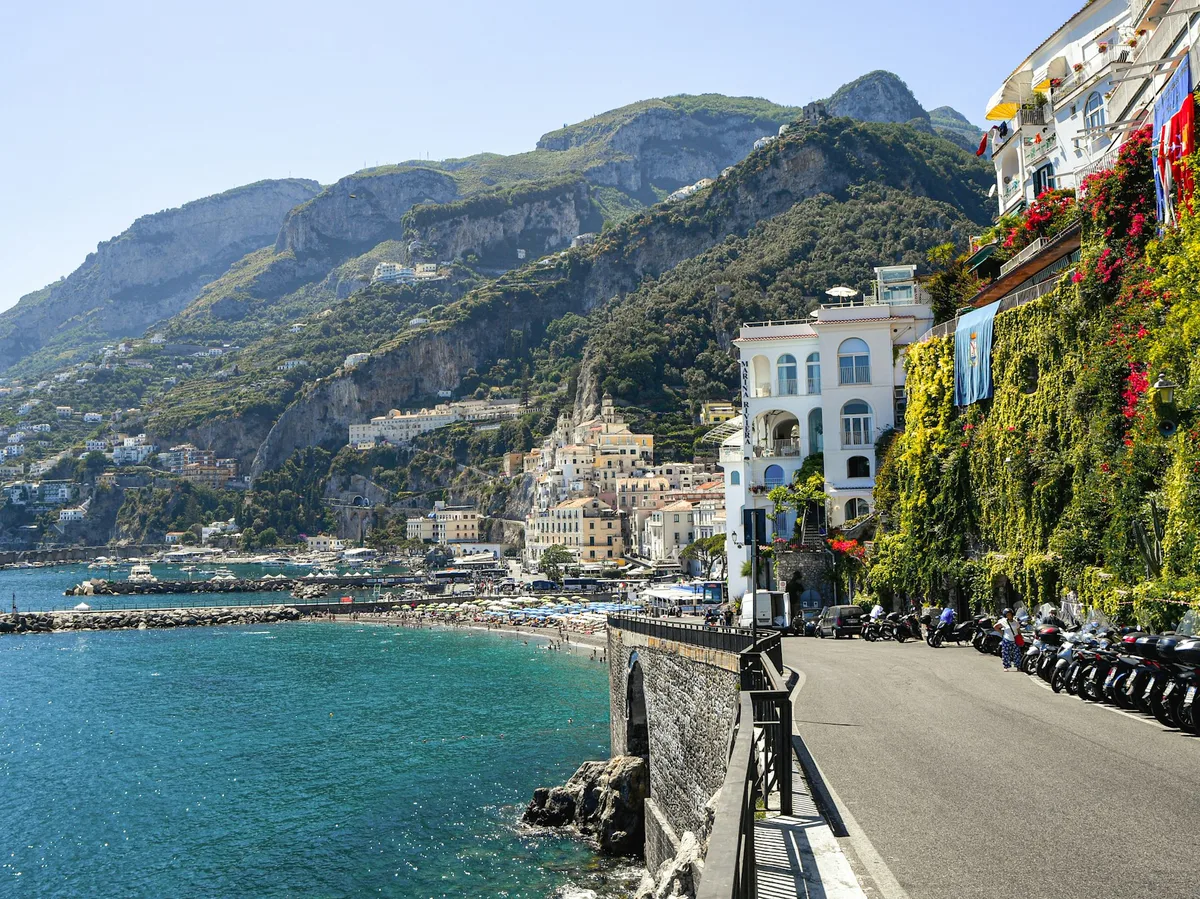
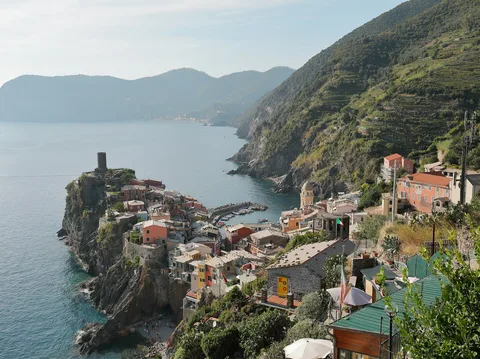
A cliffside stretch of pastel-colored towns — Positano, Amalfi and Ravello — strung along hairpin coastal roads above the Tyrrhenian Sea, a highlight of nearly every southern Italy and honeymoon itinerary.
 Multi-Day Tours
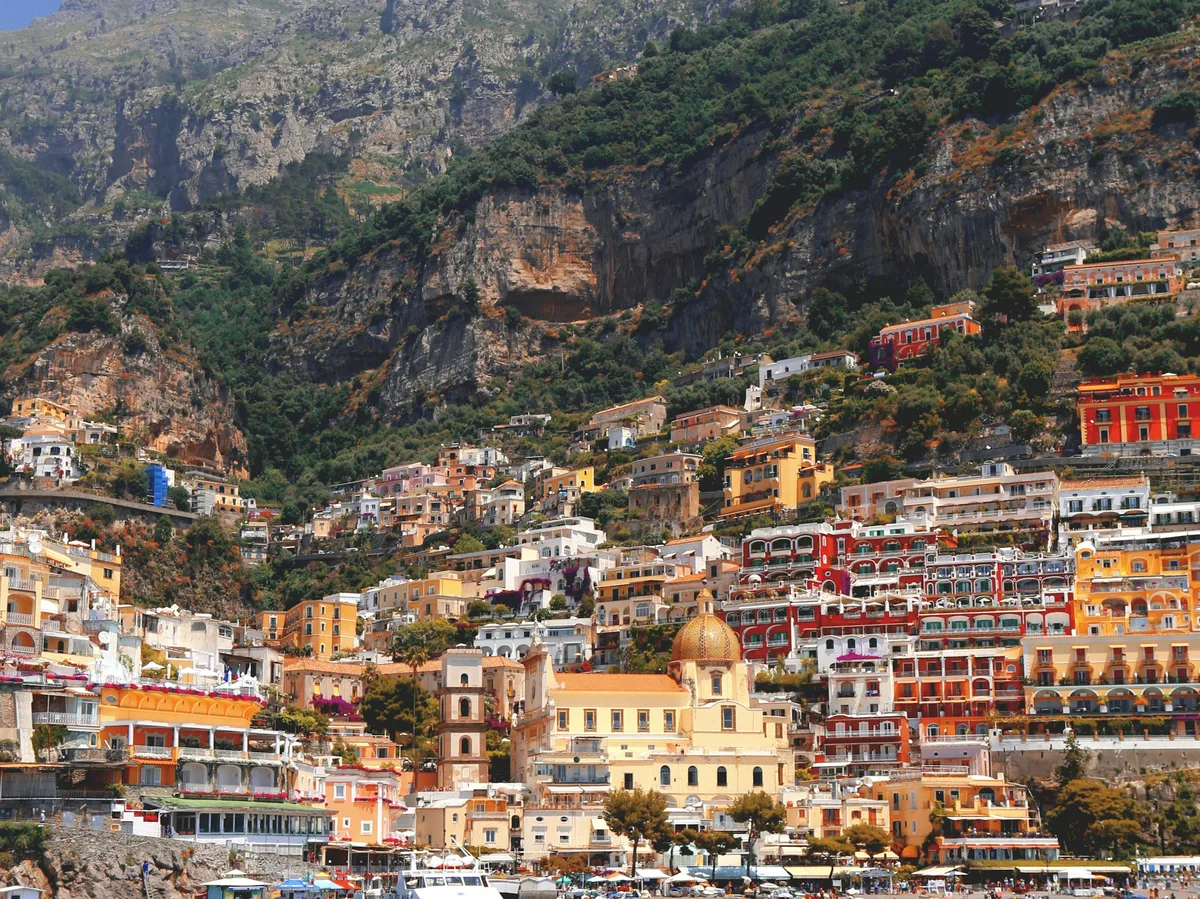
A 15-day grand tour from Venice's canals through Florence, the Chianti wine trail and Sorrento to the Amalfi Coast and Capri, finishing with Pompeii and Rome.
 Multi-Day Tours
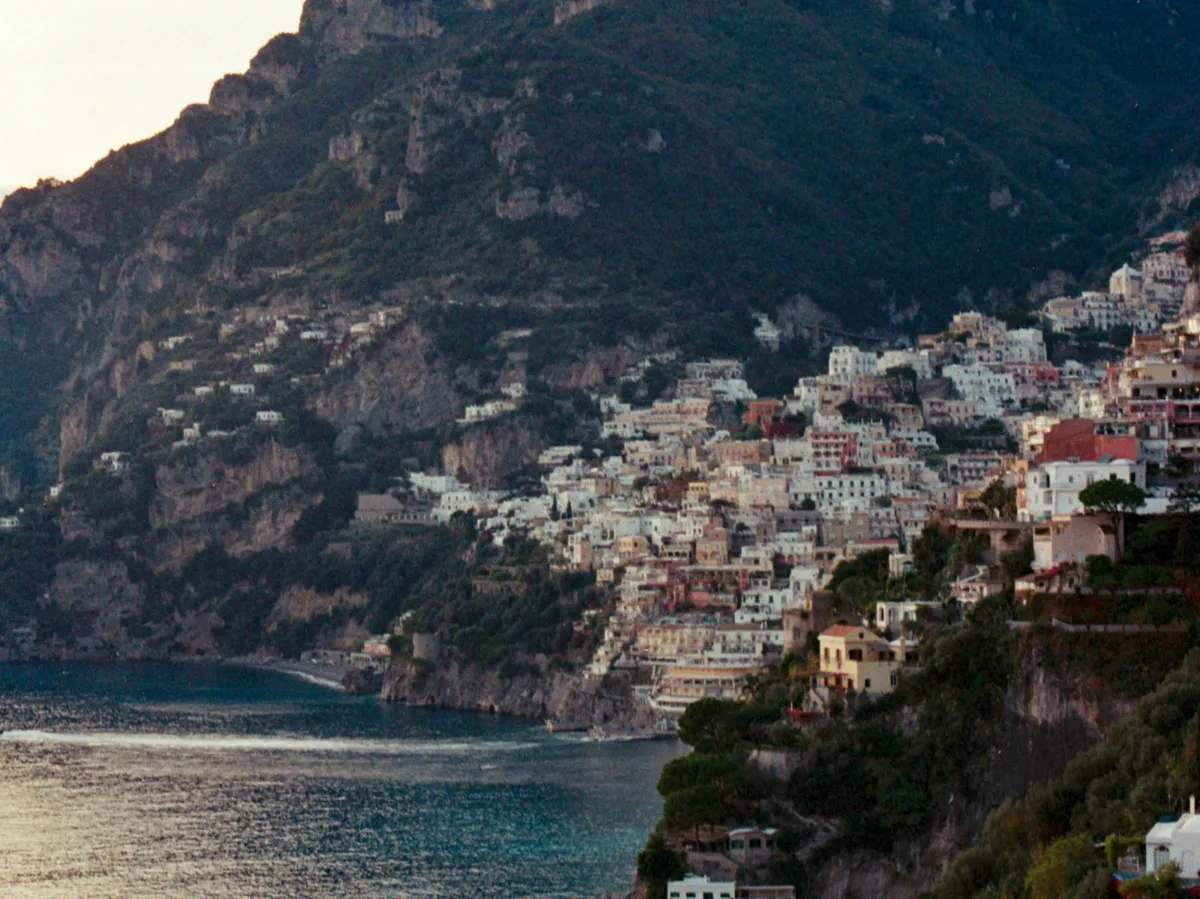
A 15-day honeymoon pairing the Amalfi Coast and Capri with the Greek islands of Mykonos and Milos and a finale in Athens.
 Multi-Day Tours
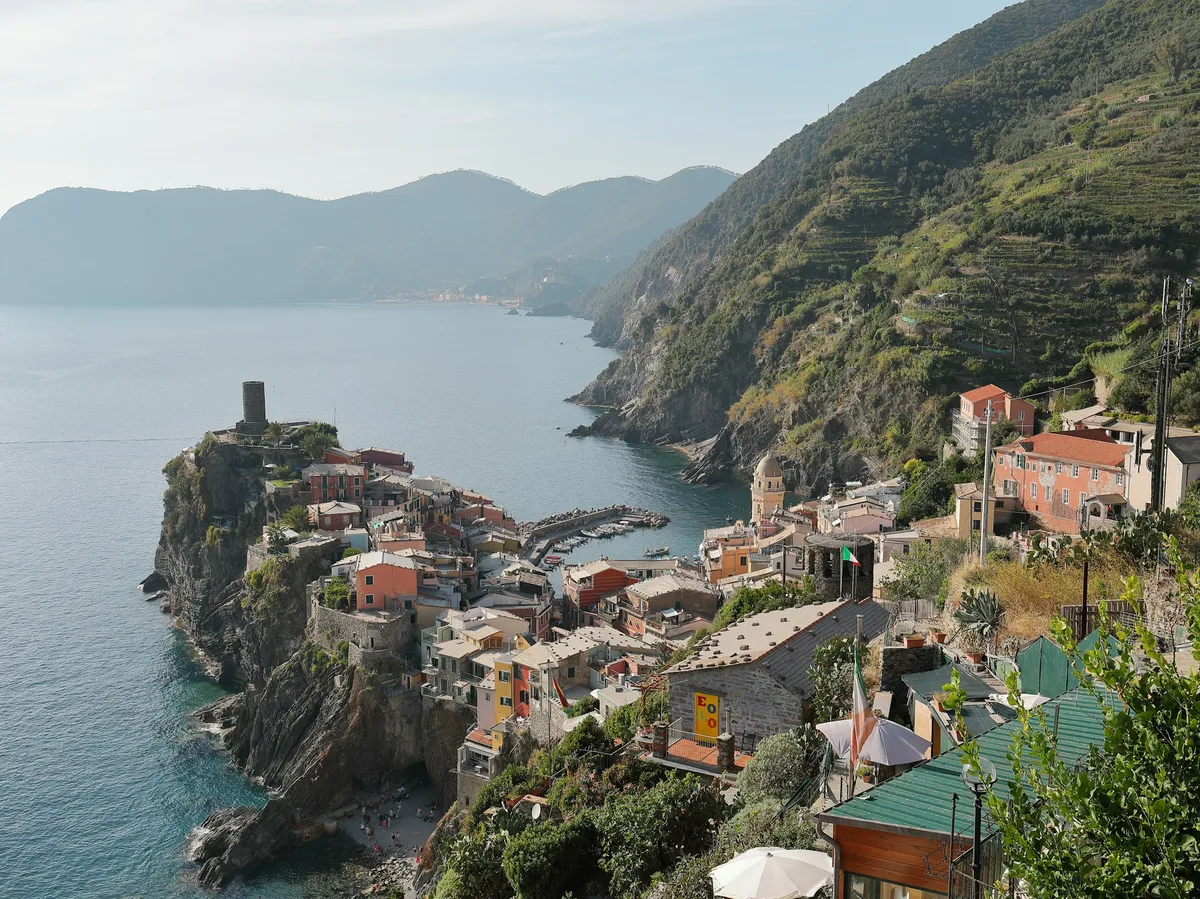
A 15-day luxury honeymoon through Venice, Lake Garda, the Italian Riviera and Cinque Terre, Florence and Tuscany, Rome, Capri and the Amalfi Coast.
 Multi-Day Tours
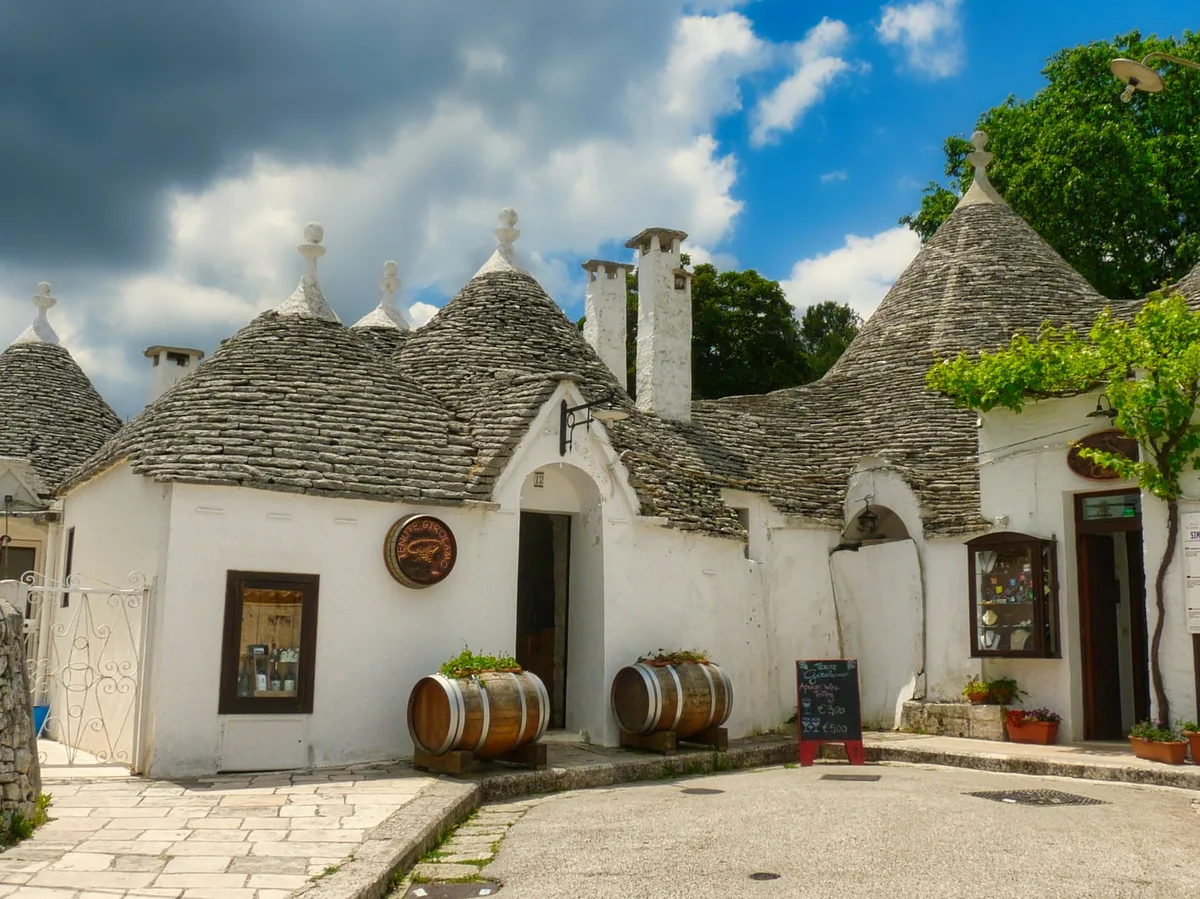
A 13-day journey through southern Italy — the Amalfi Coast, Matera's cave dwellings, Alberobello's trulli houses, Puglia's wine country, and Sicily's Mount Etna, Taormina and Baroque towns.
Visitor guide
The Amalfi Coast is a stretch of coastline overlooking the Tyrrhenian Sea and the Gulf of Salerno, in the Province of Salerno in the Campania region of southern Italy. It lies south of the Sorrentine Peninsula and north of the Cilentan Coast, and has been a UNESCO World Heritage Site since 1997. It takes its name from the town of Amalfi, historically its main geographical and political hub.
Between the 10th and 11th centuries the territory was the Duchy of Amalfi, centred on the town of Amalfi. According to Wikipedia, Amalfi extracted itself from Byzantine vassalage in 839 and first elected a duke in 958, and it rivalled Pisa and Genoa as a Mediterranean trading power before the rise of Venice. Its merchants traded with Byzantium and the Islamic ports, and the Amalfitan maritime code, the Tavole amalfitane, was widely used by Christian port cities. The republic fell to the Normans in 1073, and the town was taken by the Pisans in 1135 and 1137, after which it declined. A tsunami in 1343 destroyed the port and lower town.
Ravello, perched high above the coast, was an important town of the Amalfi republic from the 9th century. Wikipedia describes a population of some 25,000 in the 12th century and notes surviving palazzi of the mercantile nobility. Its Villa Rufolo, dating to 1270, was mentioned by Boccaccio in the Decameron and is said to have inspired Richard Wagner's stage design for Parsifal in 1880, while Villa Cimbrone is known for its Terrace of the Infinite.
The coast sits on the steep southern shore of the Sorrentine Peninsula, which leaves little room for farming or building. The only land route is the roughly 40-kilometre Amalfi Drive, the Strada Statale 163, which runs along the coastline between Vietri sul Mare in the east and Positano in the west. Thirteen municipalities are located on the Amalfi Coast, many of them centred on tourism, and the climate is Mediterranean, with warm summers and mild winters.
Positano, a town of a few thousand inhabitants built into the hills above the sea, has archaeological evidence of Roman villas from the first century BC, and a Roman villa site there has been excavated since 2003. Amalfi itself lies at the mouth of a deep ravine at the foot of Monte Cerreto, and became a popular seaside resort for the British upper classes from the Edwardian era.
Local products reflect the terraced landscape. The coast is known for limoncello made from the sfusato amalfitano lemon, grown in terraced gardens along the whole coastline. Other specialities named by Wikipedia include concerto, a dark herbal liqueur typically produced in Tramonti, anchovies from Cetara, colourful handmade ceramics from Vietri, and bambagina, a thick hand-made paper produced in Amalfi.
The coast has been called the Divina Costiera, the Divine Coast, and has appeared in films, novels and artworks, including scenes in Federico Fellini's 1972 film Roma and in Wonder Woman, where it stood in for the Amazon island of Themyscira. Buses and ferries run along the coast, with boat excursions from Positano and Amalfi, and Naples International Airport is the main international gateway.
Because the coastal road is narrow and winding, a private guided visit with a driver is a practical way to see several towns in a day without handling the bends yourself, leaving time for the views, the towns and a stop in Ravello.
See every tour and attraction we cover in Italy.