TorontoOntario · 36 tours
 Niagara FallsOntario · 25 tours
 New York CityNew York · 30 tours
 Las VegasNevada · 8 tours
 San FranciscoCalifornia · 16 tours
 VancouverBritish Columbia · 17 tours
 DubaiUAE · 54 tours
 Abu DhabiUAE · 5 tours
 Buenos AiresArgentina · 23 tours
 AthensGreece · 31 tours
 AucklandNew Zealand · 38 tours
 CancunMexico · 54 tours
No destinations match “”. Try searching all tours instead — that search understands full questions, not just place names.
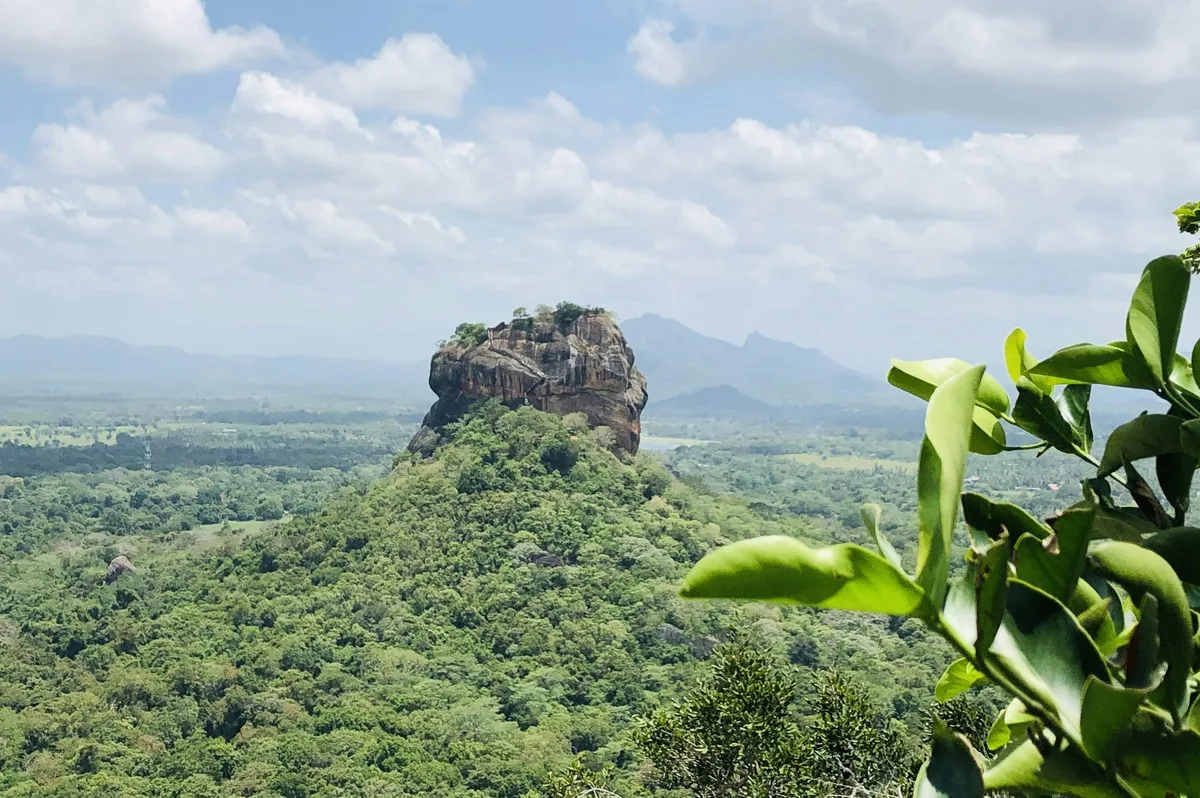
A UNESCO World Heritage 5th-century rock fortress rising nearly 200 meters above the jungle, with ancient frescoes and landscaped gardens along the climb.
 Multi-Day Tours Popular Pick
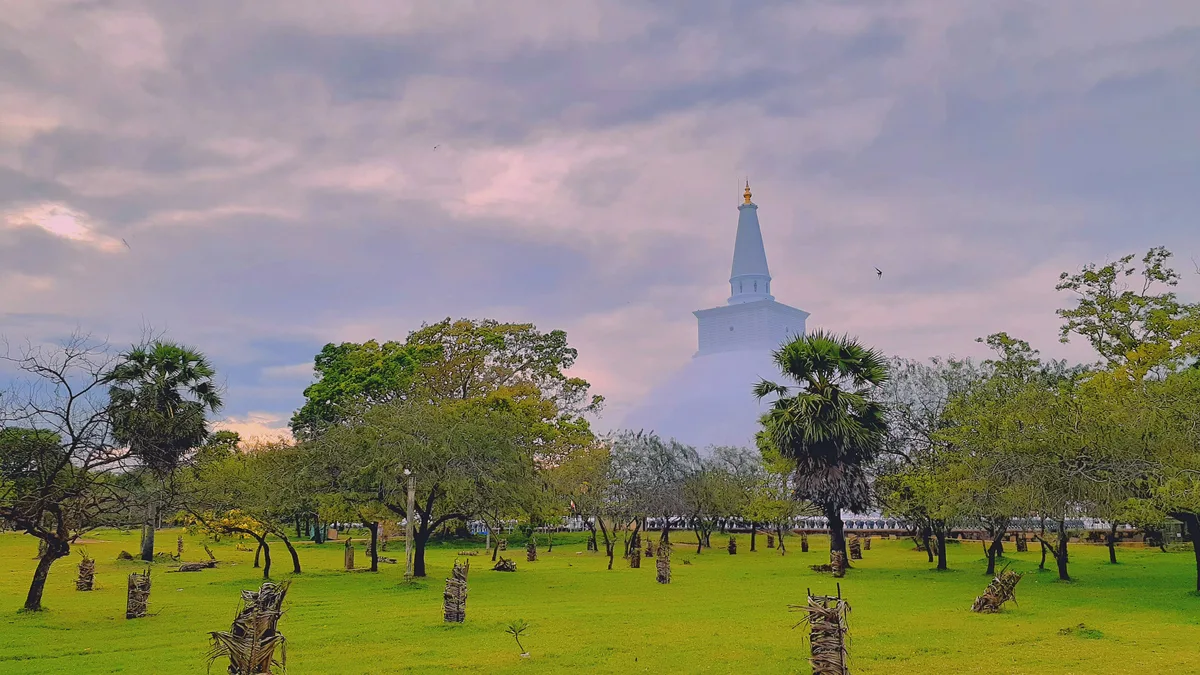
A 6-day private circuit through Sri Lanka's ancient sites and hill country — Anuradhapura, Trincomalee, Sigiriya, and Kandy to Nuwara Eliya — with your own driver and hotels arranged throughout.
 Multi-Day Tours
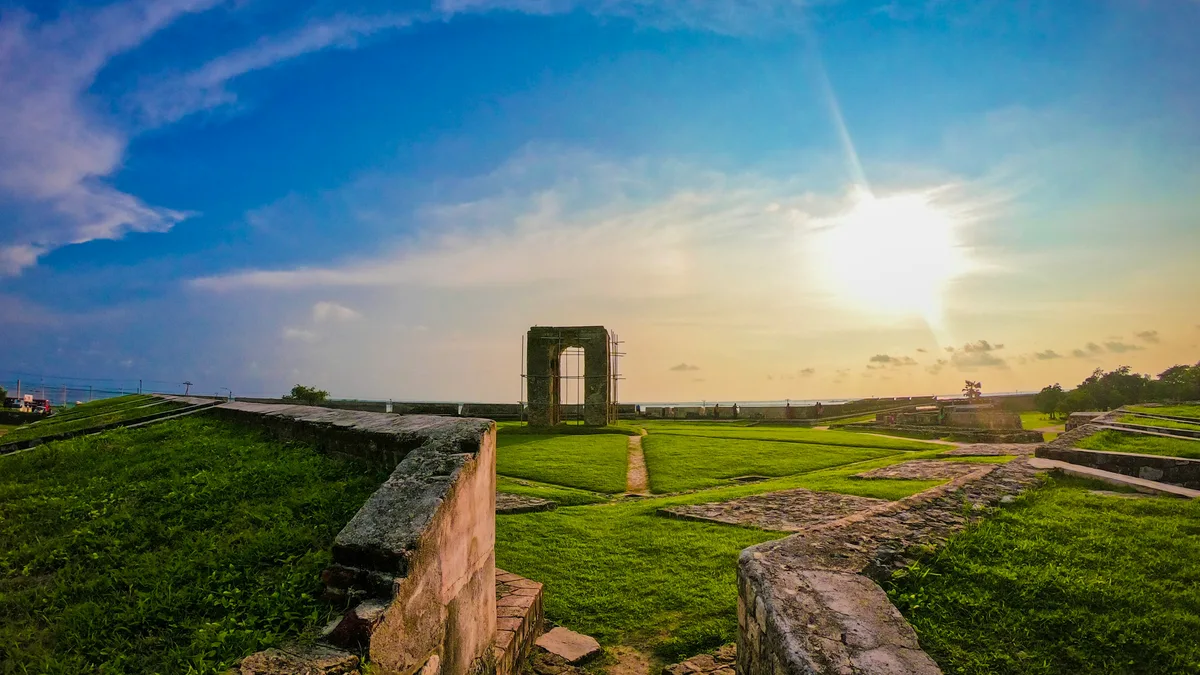
A 7-day private tour through Sri Lanka's north and cultural heartland — Anuradhapura, Mannar, two nights in Jaffna, Trincomalee, Sigiriya, and Kandy to Nuwara Eliya.
 Multi-Day Tours Popular Pick
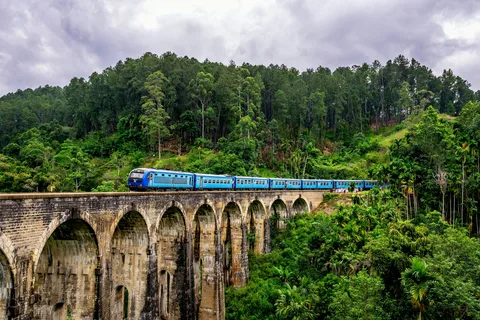
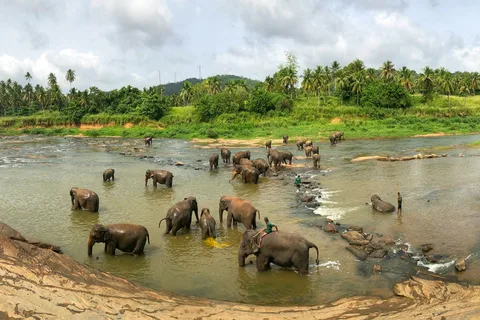
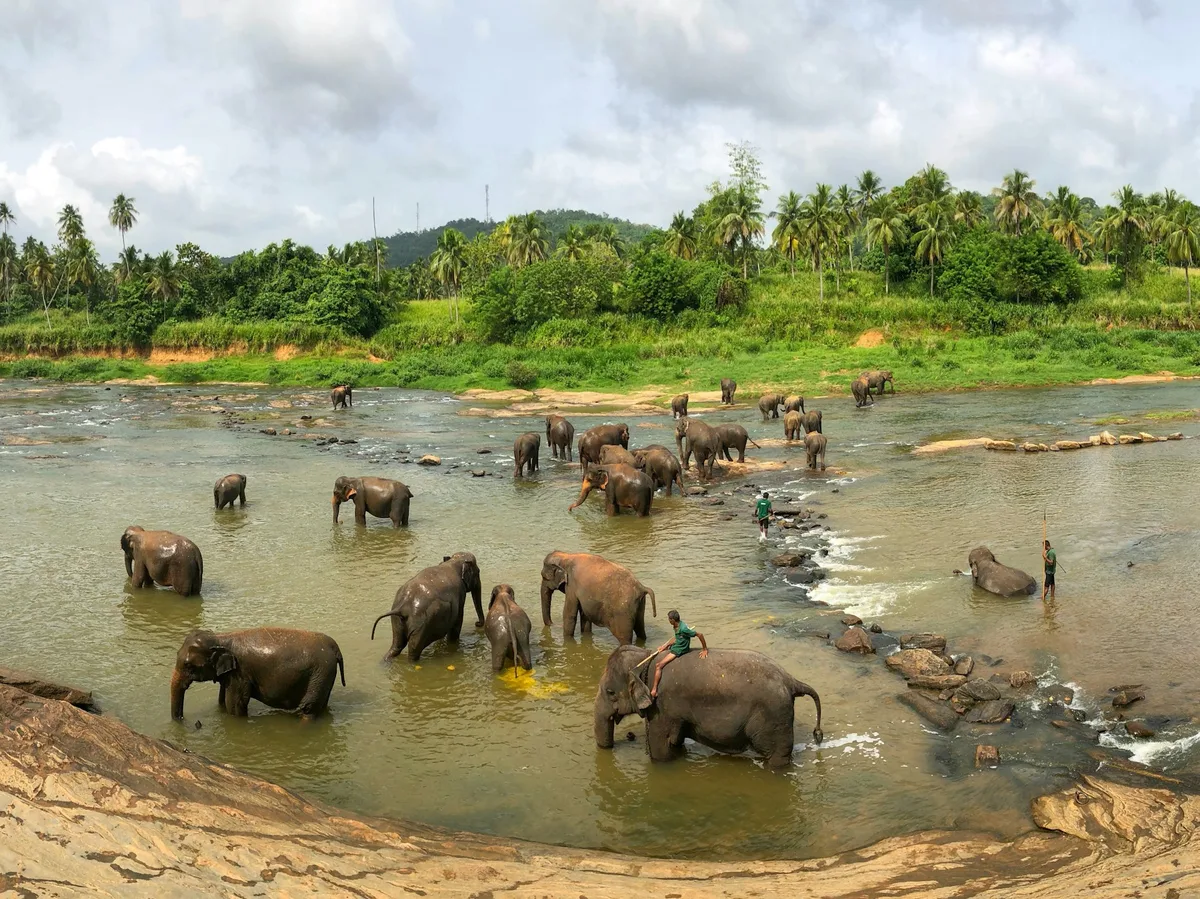
Voyzo's most complete Sri Lanka itinerary — 8 days from Negombo's beaches to the Pinnawala Elephant Orphanage, Sigiriya, a Habarana safari, Kandy, Nuwara Eliya's tea country, and Ella's Nine Arch Bridge.
Visitor guide
Sigiriya, also called Sinhagiri or Lion Rock, is an ancient rock fortress in the northern Matale District of Sri Lanka's Central Province, near the town of Dambulla. A column of granite rises about 180 metres above the surrounding plains, and the site combines a palace, gardens and monastic remains. It was designated a UNESCO World Heritage Site in 1982.
Geologists classify Sigiriya as an inselberg formed from the solidified magma plug of a former volcano. The area was likely inhabited in prehistoric times, and the Aligala rock shelter east of the rock suggests occupation around 3000 BCE. Brahmi inscriptions show that Buddhist monks and ascetics lived in the rock shelters by the 1st or 2nd century BCE, and monastic settlements expanded on the boulder-strewn slopes during the 3rd century BCE.
According to the Cūḷavaṃsa chronicle, King Kashyapa I, who seized the throne in a coup, chose the rock as his capital in 477 CE. Fearing the return of his half-brother Moggallana, he moved the royal capital from Anuradhapura to the fortified summit. He built a palace on top, decorated the sides of the rock with frescoes, and developed the surrounding area into a city with defences, palaces and gardens. Moggallana returned and defeated him in 495 CE.
Other accounts differ. Some credit King Dhatusena as the original builder, and some scholars argue that the site was built by a Buddhist community without a military purpose. After Kashyapa's death the capital returned to Anuradhapura, and Sigiriya became a Buddhist monastery complex that operated until the 13th or 14th century.
The site has an upper palace on the summit with cisterns cut into the rock, a mid-level terrace with the Lion Gate and the Mirror Wall, and lower palaces on the slopes. The Lion Gate takes its name from a massive lion structure built halfway up the rock; only its paws and legs remain, flanking a staircase.
The western face once held paintings covering an area about 140 metres long and 40 metres high. Most are lost, but the best-known survivors are the Sigiriya Maidens, also called apsaras or celestial nymphs. Scholars have compared their style with paintings at the Ajanta Caves in India, and the identity of the women remains uncertain. The Mirror Wall was originally polished so reflective that the king could see himself in it, and it now carries visitor graffiti, some from the 8th century and most from the 9th and 10th. Writing on the wall is now banned to protect it.
Wikipedia notes that the gardens are considered among the oldest landscaped gardens in the world. The water gardens have moats, causeways, long pools and fountains fed by underground conduits, with gravity moving the water, and some of the hydraulic systems still function. Boulder gardens link large rocks by winding paths, and terraced gardens rise in concentric rings around the base to a limestone staircase leading to the Lion Gate.
In 1831 Major Jonathan Forbes of the British Army encountered the brushwood-covered summit while riding past, and H.C.P. Bell later conducted extensive research. The Cultural Triangle Project began comprehensive work on the whole city in 1982. The climb involves many steps and exposed stairways, so a private tour with a local driver and guide suits an early start. Pidurangala Rock, about 1 kilometre to the north, has a similar origin.
See every tour and attraction we cover in Sri Lanka.