TorontoOntario · 36 tours
 Niagara FallsOntario · 25 tours
 New York CityNew York · 30 tours
 Las VegasNevada · 8 tours
 San FranciscoCalifornia · 16 tours
 VancouverBritish Columbia · 17 tours
 DubaiUAE · 54 tours
 Abu DhabiUAE · 5 tours
 Buenos AiresArgentina · 23 tours
 AthensGreece · 31 tours
 AucklandNew Zealand · 38 tours
 CancunMexico · 54 tours
No destinations match “”. Try searching all tours instead — that search understands full questions, not just place names.
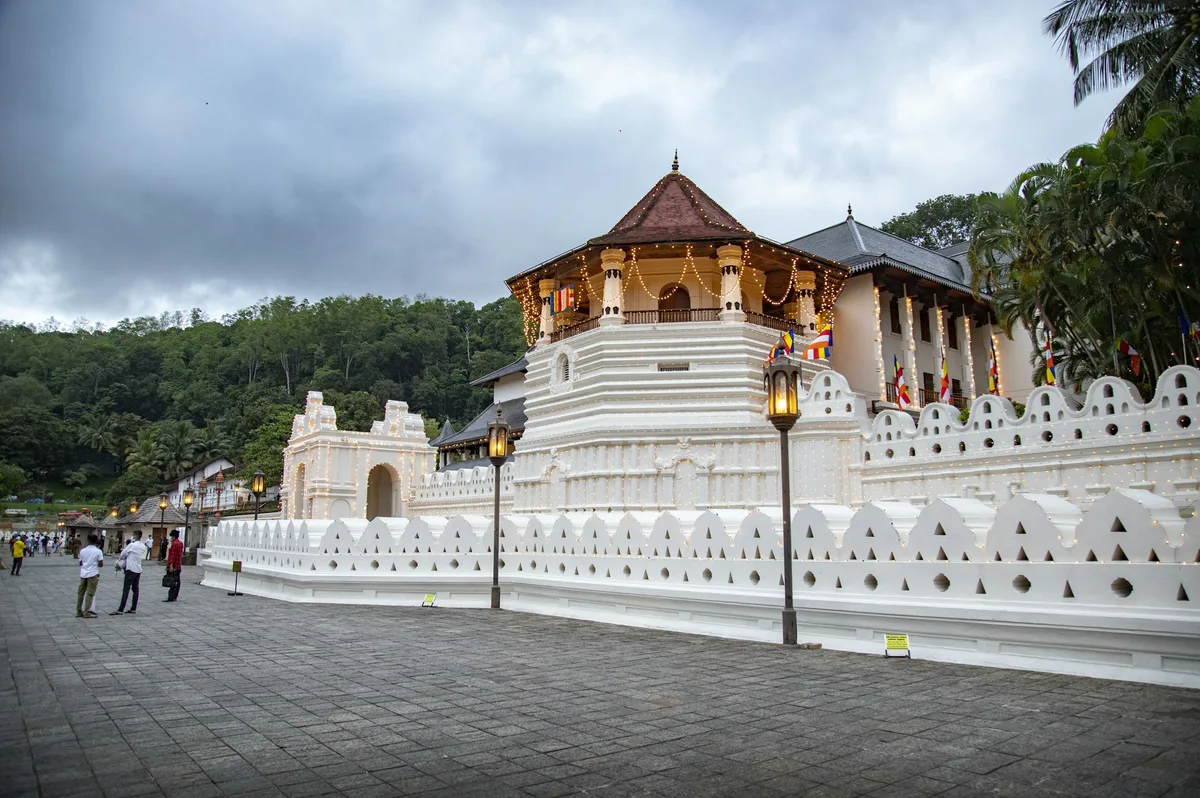
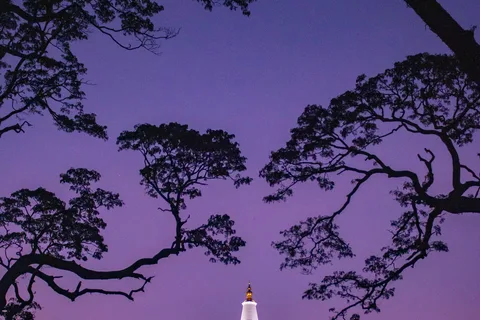
Sri Lanka's most sacred Buddhist site in Kandy, said to house a tooth relic of the Buddha, set beside Kandy Lake.
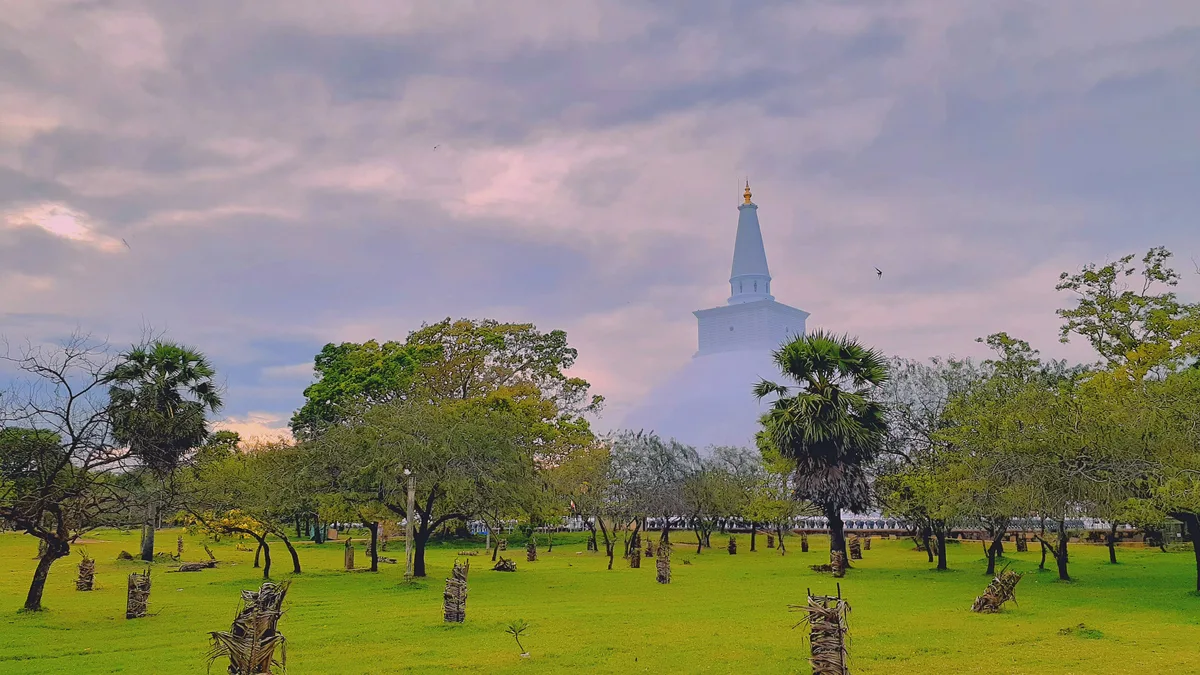 Multi-Day Tours Popular Pick
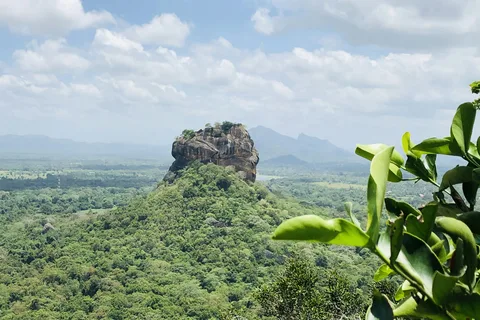
A 6-day private circuit through Sri Lanka's ancient sites and hill country — Anuradhapura, Trincomalee, Sigiriya, and Kandy to Nuwara Eliya — with your own driver and hotels arranged throughout.
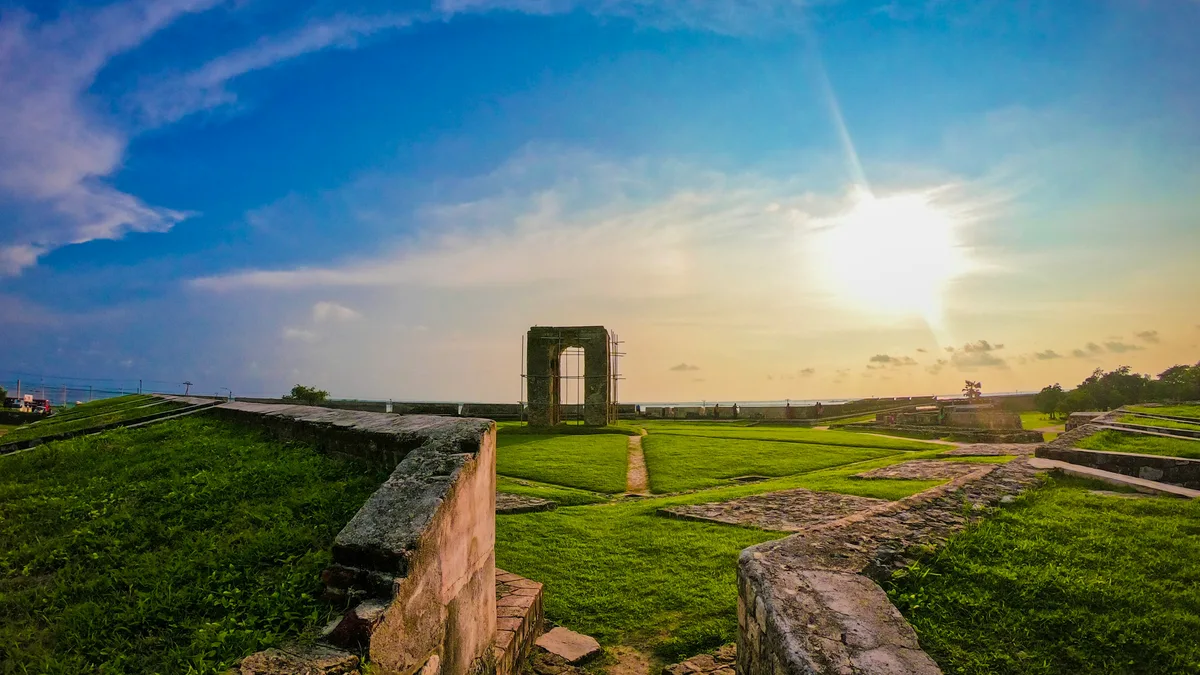 Multi-Day Tours
A 7-day private tour through Sri Lanka's north and cultural heartland — Anuradhapura, Mannar, two nights in Jaffna, Trincomalee, Sigiriya, and Kandy to Nuwara Eliya.
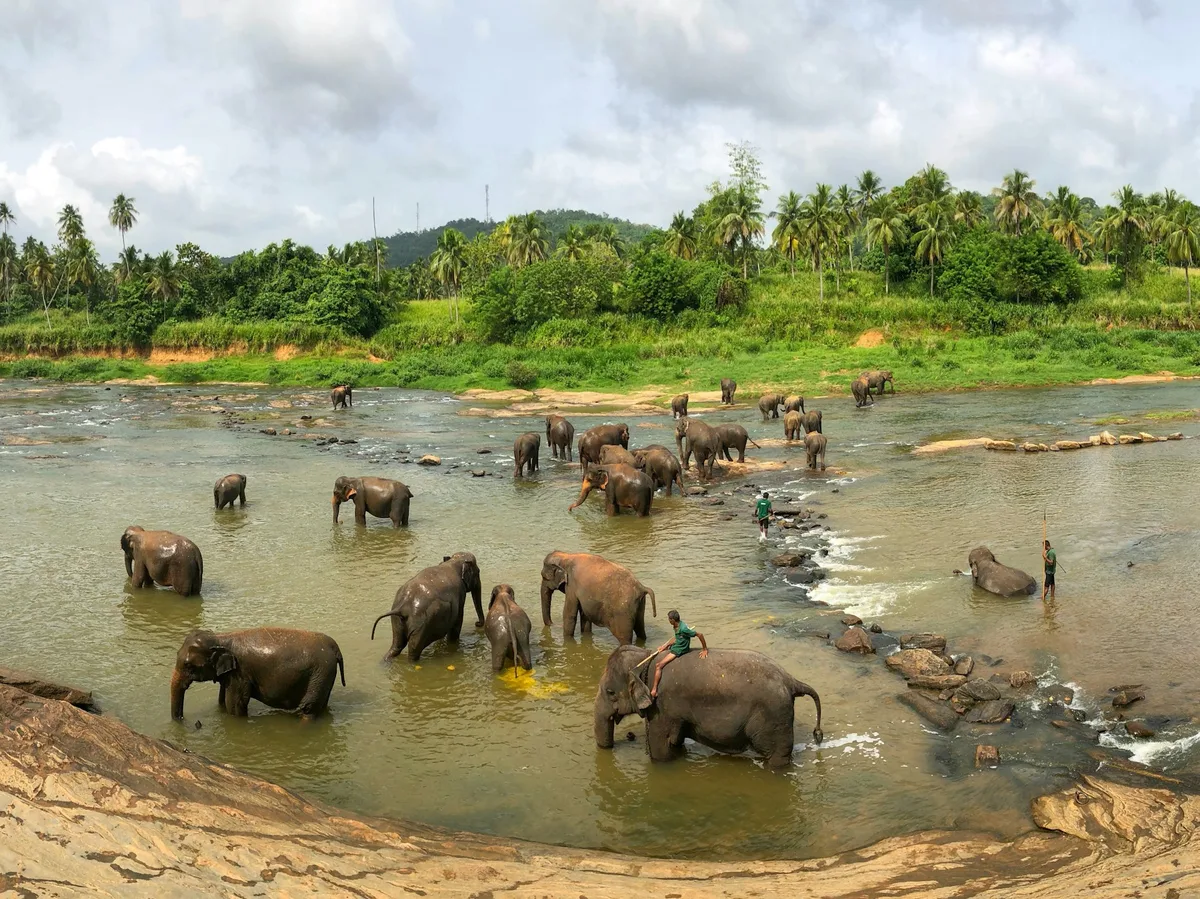 Multi-Day Tours Popular Pick
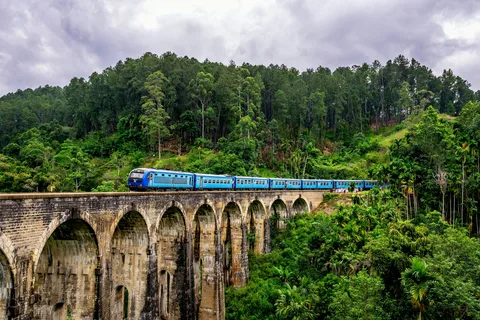
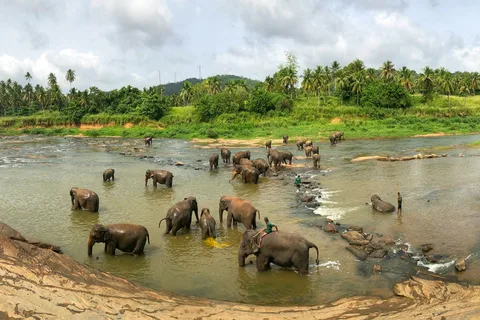
Voyzo's most complete Sri Lanka itinerary — 8 days from Negombo's beaches to the Pinnawala Elephant Orphanage, Sigiriya, a Habarana safari, Kandy, Nuwara Eliya's tea country, and Ella's Nine Arch Bridge.
Visitor guide
The Temple of the Sacred Tooth Relic, known in Sinhala as Sri Dalada Maligawa, is a Buddhist temple in Kandy, Sri Lanka. It stands within the Royal Palace Complex of the former Kingdom of Kandy and houses a relic believed to be a tooth of the Buddha. It was designated a UNESCO World Heritage Site in 1988.
Wikipedia notes that Sinhalese kings historically held the relic, and whoever possessed it was believed to hold the right to govern the island. According to the traditional account, the relic was kept in Kalinga after the Buddha's passing, and when Kalinga was attacked, Princess Hemamali and Prince Dantha brought it to the island, with Hemamali reportedly hiding it in her hair. They landed during the reign of Sirimeghavanna of Anuradhapura (301 to 328 CE), who enshrined it at the Meghagiri Vihara, today's Isurumuniya. These details belong to tradition rather than documented history.
Because guarding the relic became a royal duty, monarchs built relic temples near their palaces through the Anuradhapura, Polonnaruwa and Dambadeniya periods. In later centuries it moved between Gampola, Kotte and other places, and in 1603, when the Portuguese invaded Kandy, it was taken to Dumbara before being recovered by Rajasinha II.
King Vimaladharmasuriya I built the first relic temple in Kandy, which no longer exists, as well as the Royal Palace of Kandy north of the temple. The present temple was built by Vira Narendra Sinha. Sri Vikrama Rajasinha added the octagonal Paththirippuwa and the surrounding moat; the royal architect Devendra Moolacharya is credited with the Paththirippuwa, which now houses the temple library.
The royal audience hall, the magul maduwa, was completed in the late 18th century and is where Kandyan kings held court. It was also the place where the 1815 Kandyan Convention was drawn up and read.
A brick wall along the moat and Bogambara lake, called the water waves wall, has holes that once held coconut-oil lamps. The main gate stands over the moat and its steps carry a Kandyan-style moonstone, with elephant carvings flanking the entrance. The two-storey main shrine has ivory-carved doors, and the inner chamber holding the relic is called the Handun Kunama. The golden canopy over the shrine and the golden fence around the complex were added in 1987. The relic is enclosed in seven golden caskets inlaid with gemstones, with a design representing a stupa.
Monks of the Malwathu and Asgiri chapters perform daily worship in the inner chamber, with rituals at dawn, noon and evening. On Wednesdays the relic is symbolically bathed with a scented herbal preparation called Nanumura Mangallaya. The annual Kandy Esala Perahera honours the Sacred Tooth Relic.
Nearby are the Kandy Lake, the National Museum of Kandy, the Temple of the Tooth Museum and the Udawatta Kele Sanctuary. This is an active place of worship, so visitors usually dress modestly, and a private tour with a local driver and guide helps with timing and etiquette.
See every tour and attraction we cover in Sri Lanka.