TorontoOntario · 36 tours
 Niagara FallsOntario · 25 tours
 New York CityNew York · 30 tours
 Las VegasNevada · 8 tours
 San FranciscoCalifornia · 16 tours
 VancouverBritish Columbia · 17 tours
 DubaiUAE · 54 tours
 Abu DhabiUAE · 5 tours
 Buenos AiresArgentina · 23 tours
 AthensGreece · 31 tours
 AucklandNew Zealand · 38 tours
 CancunMexico · 54 tours
No destinations match “”. Try searching all tours instead — that search understands full questions, not just place names.
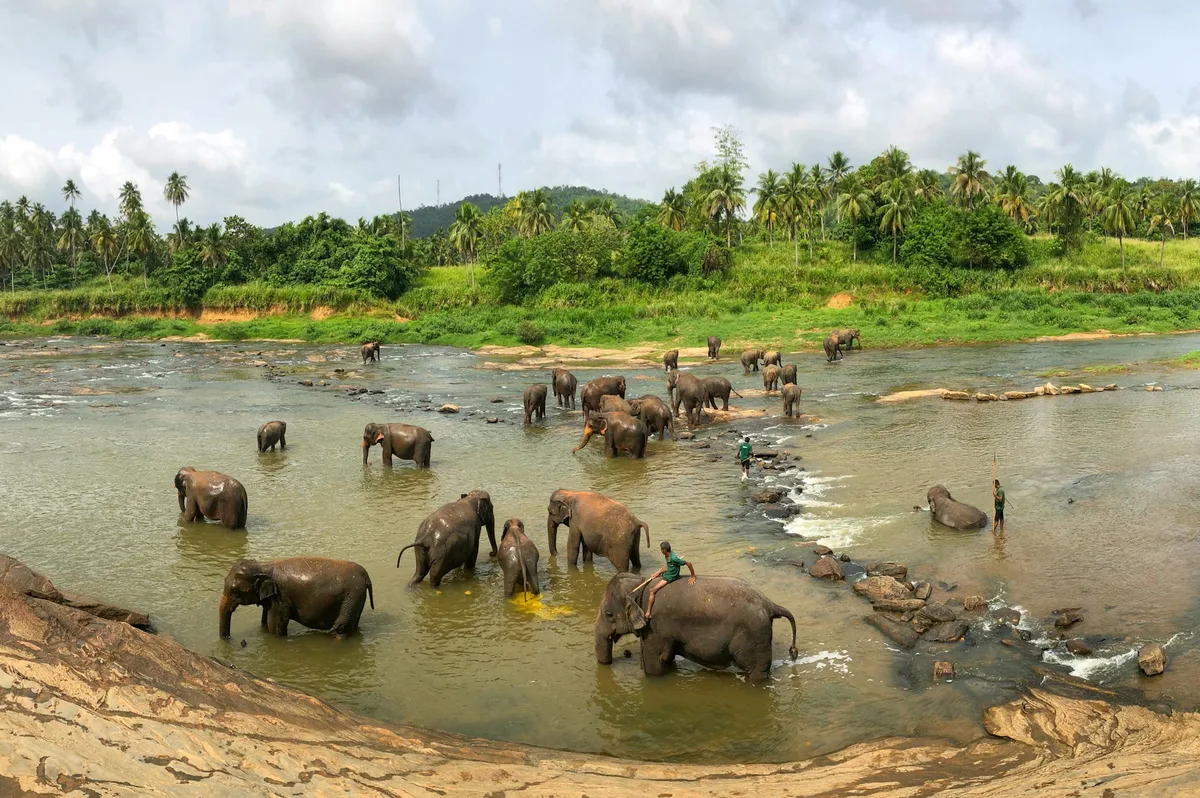
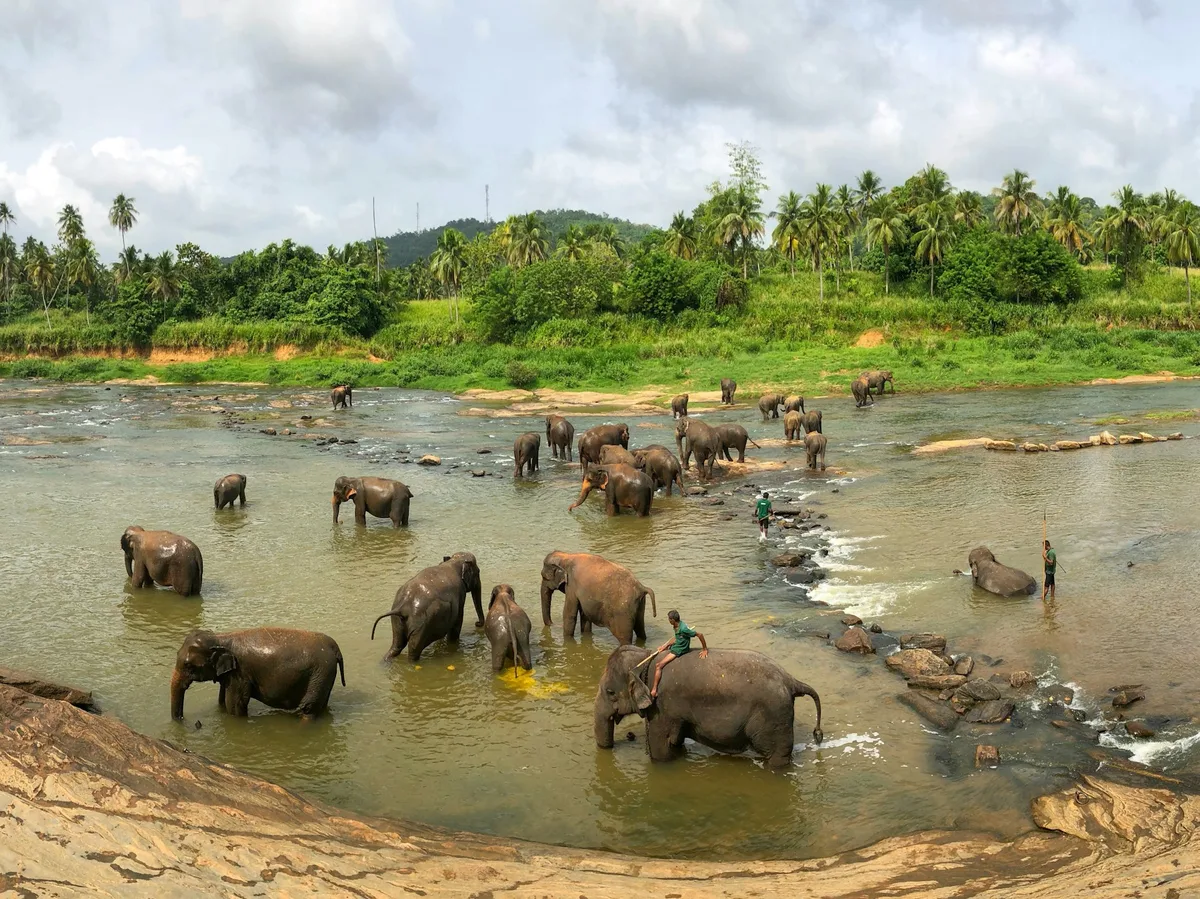
One of Sri Lanka's best-known elephant sanctuaries, where rescued and orphaned elephants are cared for and bathe together in the nearby river.
Visitor guide
The Pinnawala Elephant Orphanage is a captive breeding and conservation institute for wild Asian elephants in Pinnawala village, about 13 kilometres northeast of Kegalle town in Sri Lanka's Sabaragamuwa Province. Founded in 1975 by the Department of Wildlife Conservation, it was set up to care for orphaned, unweaned wild elephants found wandering in and near the country's forests.
Wikipedia says the orphanage first operated at Wilpattu National Park, then moved to a tourist complex in Bentota and later to Dehiwala Zoo before settling in Pinnawala. It opened with five baby elephants, and the site is a former coconut plantation of about 25 acres beside the Maha Oya River, land donated by the Adhikaram Mudiyanse family of Kandy. The facility was planned as a tourist attraction whose income would help fund the orphanage. In 1978 the Department of National Zoological Gardens took it over, and an elephant breeding programme began in 1982.
Orphans were taken in until 1995, when the Department of Wildlife Conservation created the Udawalawe Elephant Transit Home. After that, most additions to the herd came from births on site. Young elephants are often orphaned when they fall into pits or ravines searching for water in droughts, or are displaced by development or found sick or wounded.
In 2023 the orphanage housed 71 elephants, 30 males and 41 females, across three generations. Around 70 mahouts look after them. During the day females and young elephants roam as a herd in an area of a few acres, and twice a day they are walked about half a kilometre to the river to drink and bathe. Elephants are fed in their stalls because the grounds offer little food, with handlers bringing jackfruit, coconut, kitul, tamarind and grass daily. Visitors can watch the daily routines, including the bottle-feeding of calves and the bathing in the river.
The first birth at Pinnawala occurred in 1984, when a female named Sukumalee was born. By 2023 the facility had recorded 75 captive births, with a highest annual total of 17 in 2011. On 31 August 2021 an elephant named Surangi gave birth to twin males, which Wikipedia describes as the first twin elephant birth in Sri Lanka in about 80 years.
The orphanage has faced criticism. A 2010 report by the Born Free Foundation questioned the welfare of the elephants, and in 2012 the Sri Lanka Environment Trust criticised donating tamed elephants to people with poor records of animal care. Visitors who care about animal welfare may wish to read these discussions, and the orphanage's own role as a breeding centre, before deciding how to visit.
The main residential area lies on one side of the road and the bathing and viewing area on the river lies across it. A private tour with a local driver and guide can combine Pinnawala with other stops in the Kegalle area, and the bathing at the river is a central part of the routine.
See every tour and attraction we cover in Sri Lanka.