 TorontoOntario · 36 tours
 Niagara FallsOntario · 25 tours
 New York CityNew York · 30 tours
 Las VegasNevada · 8 tours
 San FranciscoCalifornia · 16 tours
 VancouverBritish Columbia · 17 tours
 DubaiUAE · 54 tours
 Abu DhabiUAE · 5 tours
 Buenos AiresArgentina · 23 tours
 AthensGreece · 31 tours
 AucklandNew Zealand · 38 tours
 CancunMexico · 54 tours
No destinations match “”. Try searching all tours instead — that search understands full questions, not just place names.
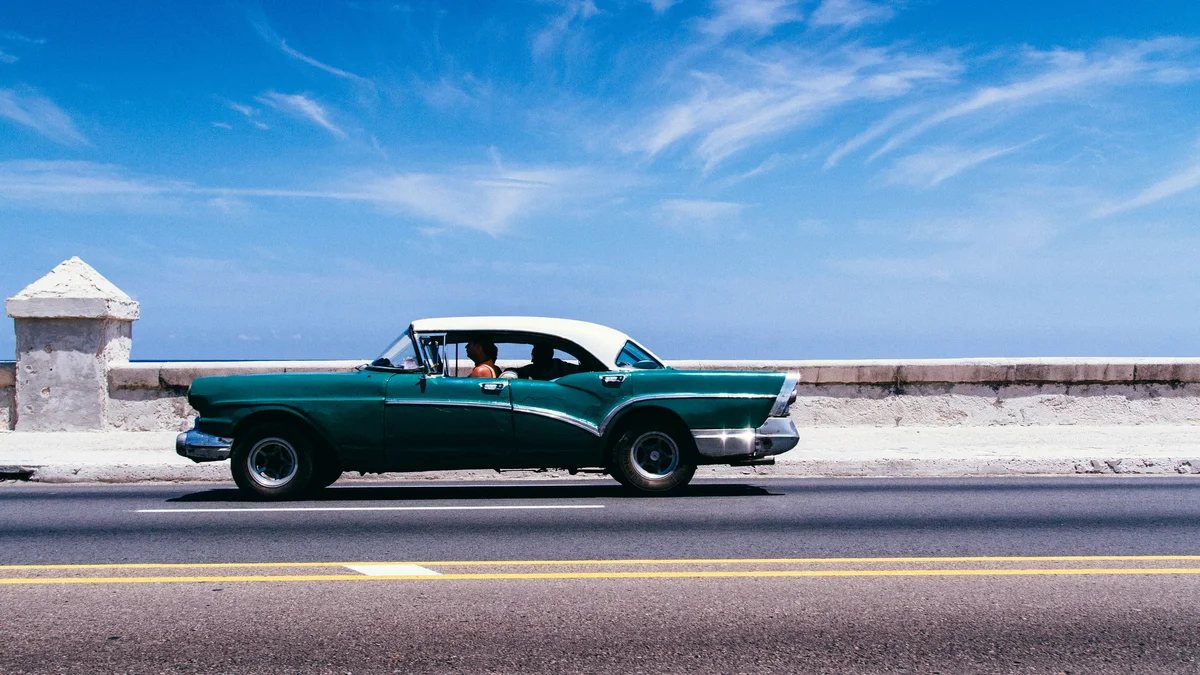
Voyzo runs 5 tours in Havana, covering 5 top attractions. A private tour means your own guide, driver, and vehicle and an itinerary built around your group rather than a fixed bus schedule.
Private Tours
A private open-top classic car and a bilingual guide take you through Old Havana, the Malecón seafront, and the city's real neighborhoods, with the route shaped around what you want to see.
 Private Tours
A private guide and driver take you through real cigar rolling, an aged-rum tasting, and the streets of Old Havana in a classic car, at your own pace.
 Private Tours
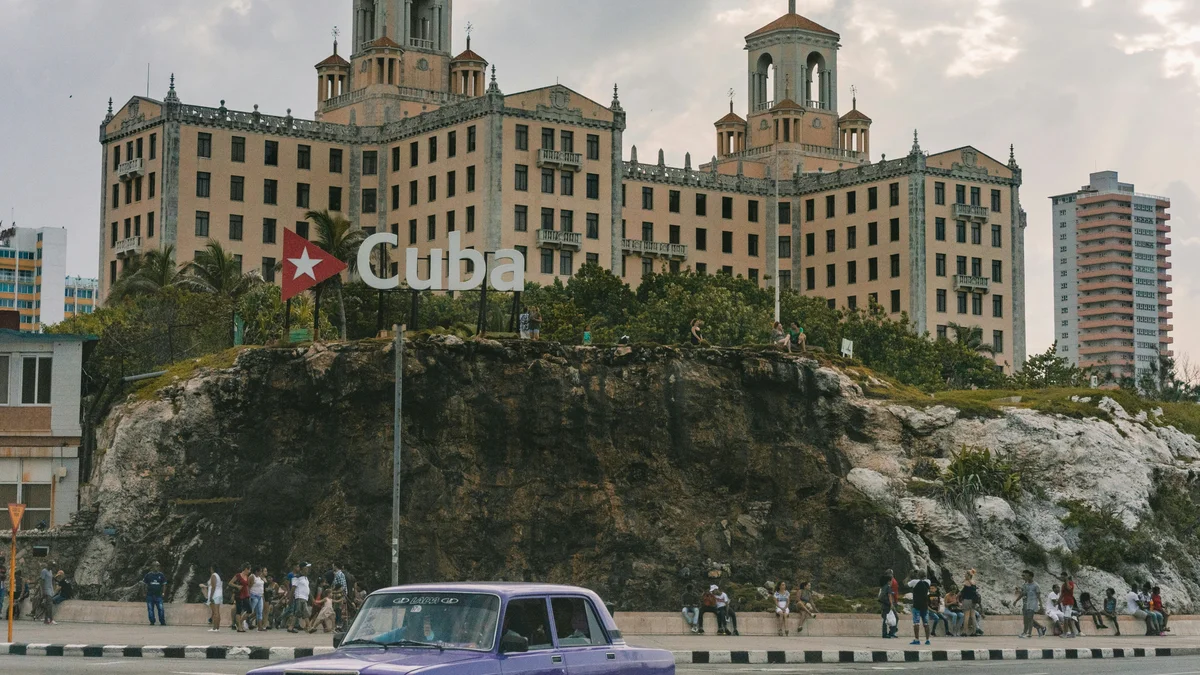
A private guide and driver walk you through Old Havana and the real Hemingway landmarks — El Floridita, a cigar factory, and the Hotel Nacional — built around your own interests.
 Private Tours
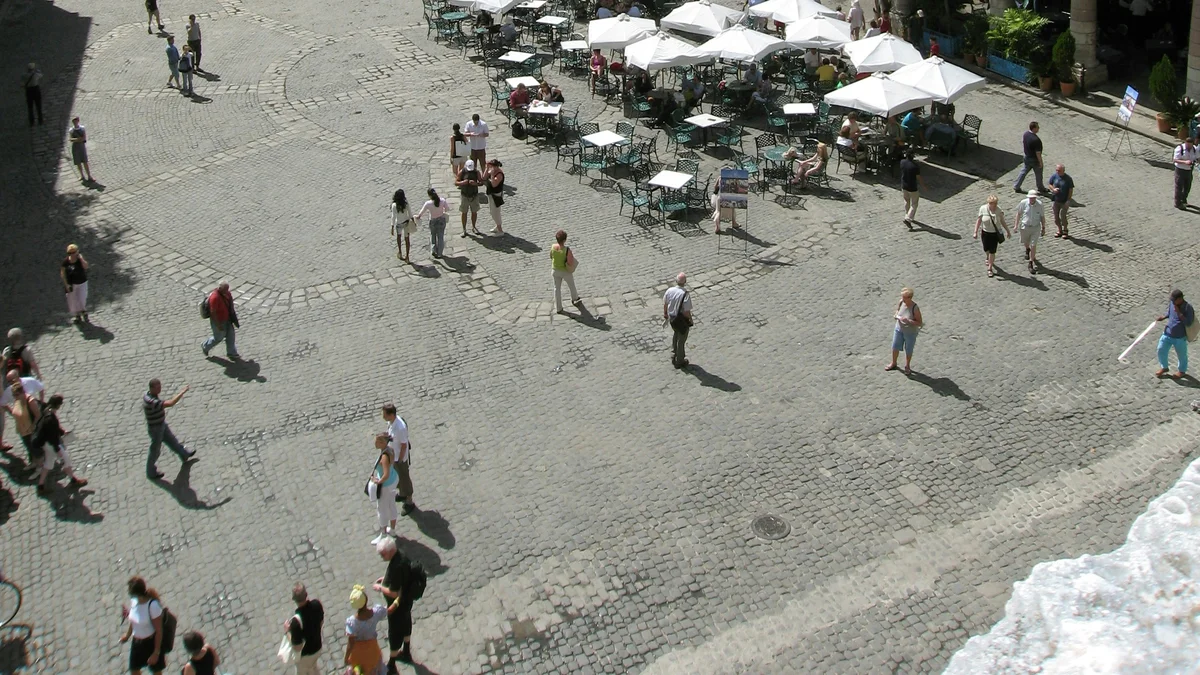
A private driver and walking guide combine Old Havana's colonial squares with Fusterlandia, the artist José Fuster's mosaic-covered fishing neighborhood, on one exclusive day.
 Private Tours
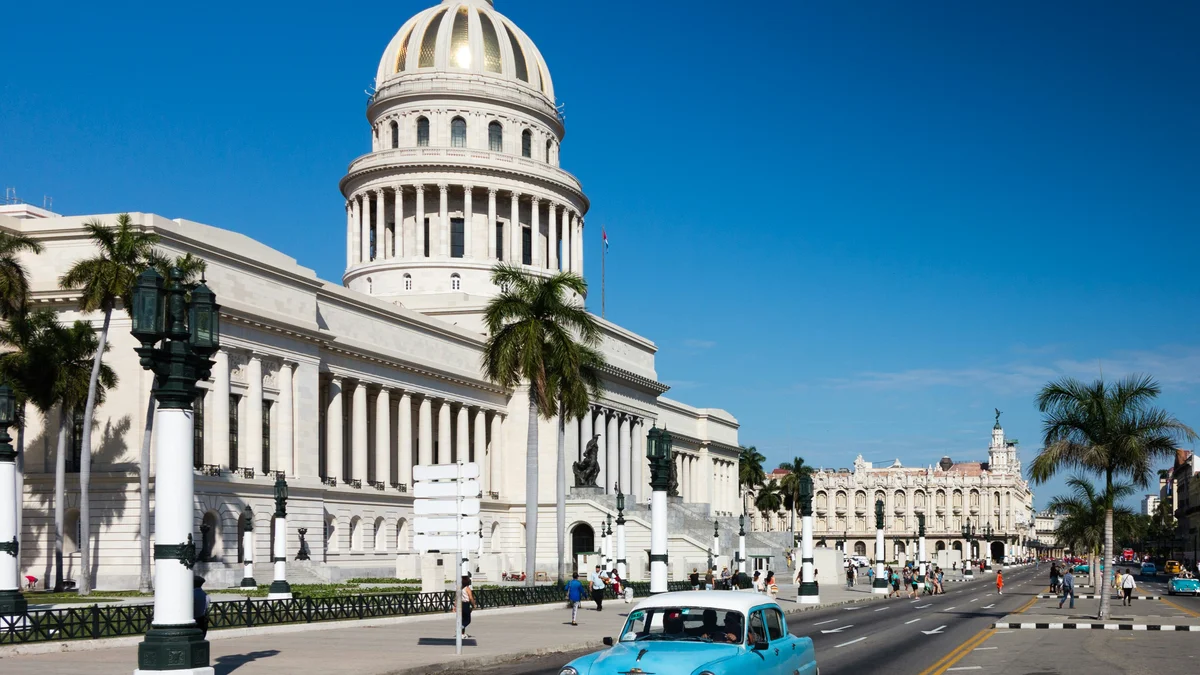
A private classic-car sightseeing drive through Old Havana, the Capitolio, and the Malecón at sunset, finishing at Havana's famous open-air Tropicana cabaret show.
Private tours in Havana are matched to your party size — here's the fleet we draw from for this region.
| Vehicle | Model | Capacity | Best For |
|---|---|---|---|
| Private Car / SUV | Kia Sportage or similar | Up to 5 guests | A comfortable, air-conditioned car for couples and small families touring Cuba's cities and countryside. |
| Passenger Van | Mercedes-Benz Sprinter, air-conditioned | Up to 12 guests | A spacious van for families and small groups travelling together between Havana, Trinidad and Varadero. |
| Mini-Coach | Yutong mini-coach | Up to 25 guests | A larger, air-conditioned coach for bigger groups touring Cuba's multi-day routes together. |
Popular stops our guides build into Havana itineraries — tap any attraction to learn more.
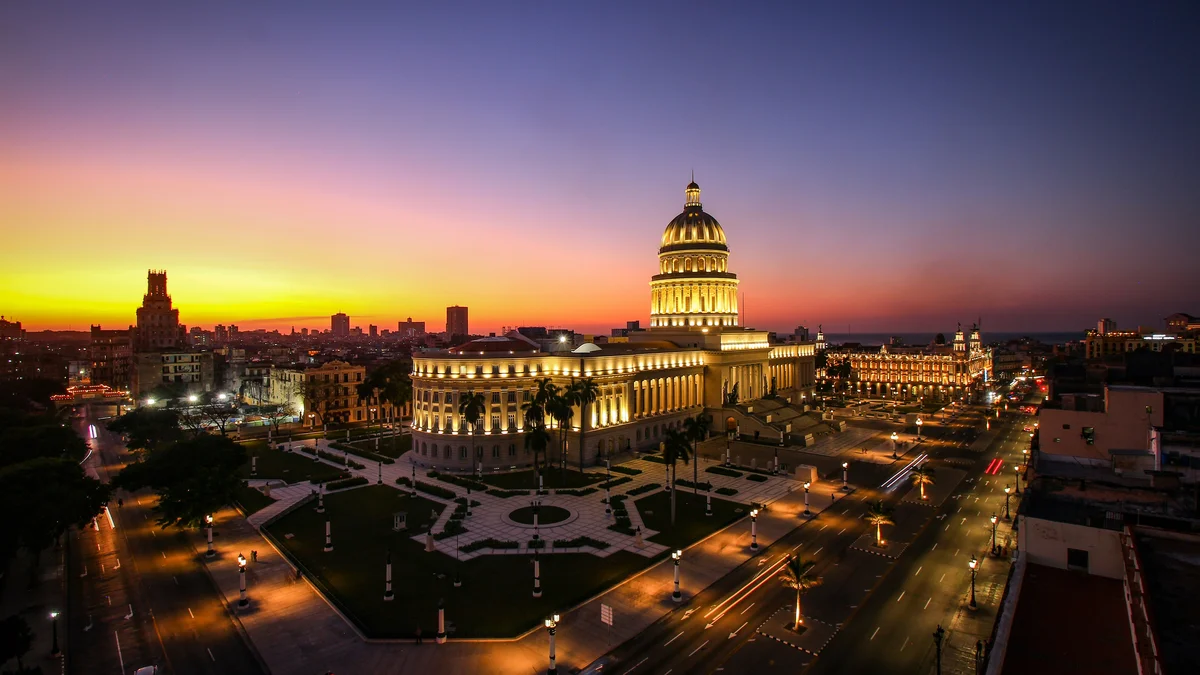 El Capitolio
Havana
Havana's domed former Capitol building, completed in 1929 and modeled loosely on Washington DC's Capitol, was the seat of Cuba's Congress before the 1959 revolution, later housed the Academy of Sciences, and is now the seat of the National Assembly of People's Power. Its grand marble interior and the Statue of the Republic beneath the dome make it one of the city's most recognizable landmarks.
4
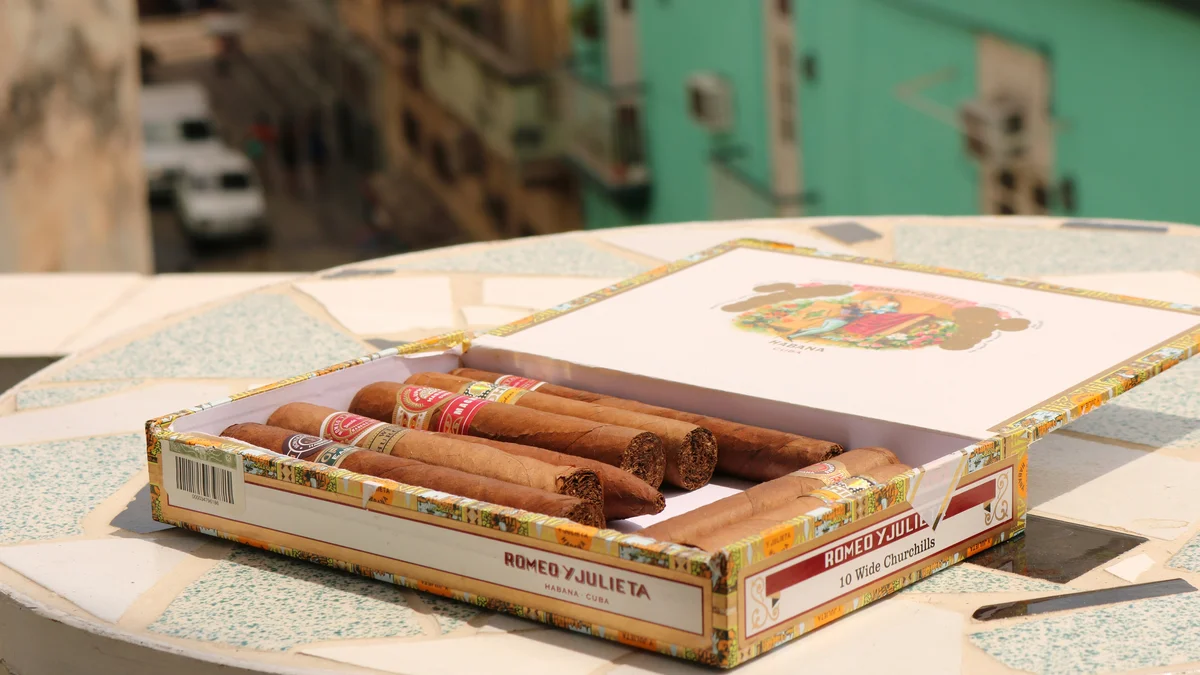 Real Fábrica de Tabacos Partagás
Havana
One of Cuba's oldest working cigar factories, founded in Havana in 1845, where rollers still hand-roll Habanos using techniques passed down over generations. Visitors touring Havana's cigar trade typically see the rolling floor in action, a stop that anchors most of the city's real cigar-focused tours.
5
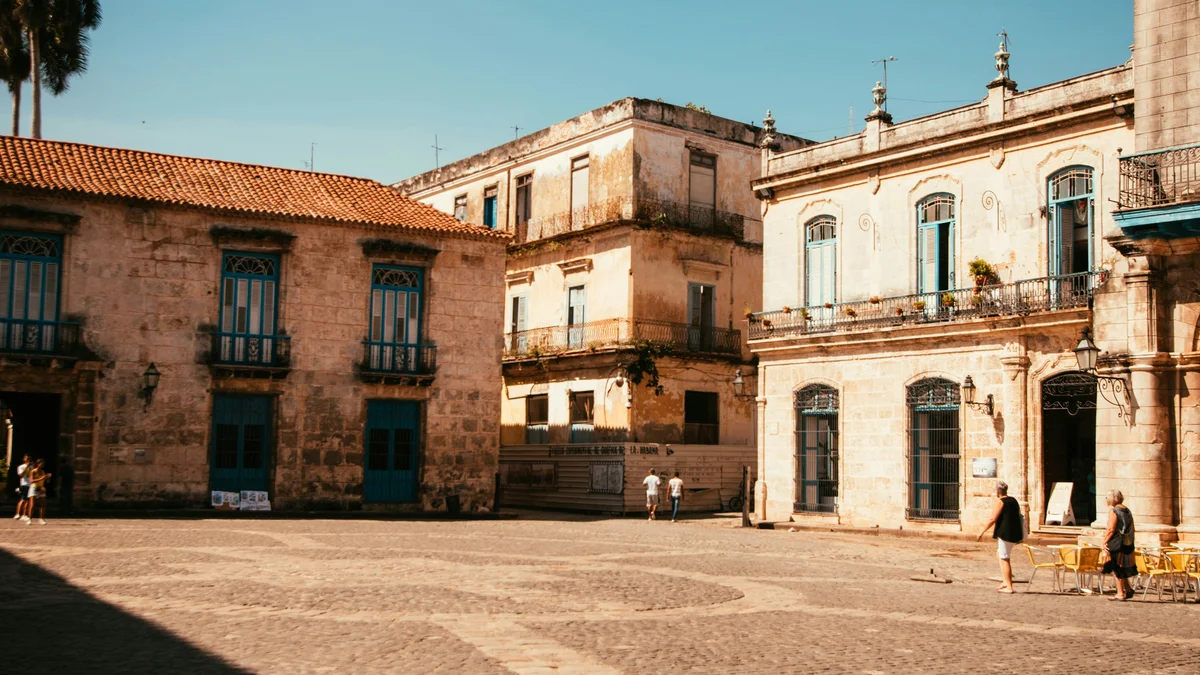 Plaza de la Catedral
Havana
The smallest and arguably most atmospheric of Old Havana's four colonial squares, framed by the baroque Catedral de San Cristóbal de La Habana, begun by the Jesuits in 1748, and lined with restored 18th-century mansions. It's a standard, well-photographed stop on almost every Old Havana walking tour.
American citizens need their trip to fall under one of the US Treasury's authorized categories for travel to Cuba (such as Support for the Cuban People) — leisure tourism alone doesn't qualify. Most travelers keep a simple record of their people-to-people activities, which a private, locally guided day tour like the ones on this page naturally provides.
US-issued credit and debit cards generally do not work in Cuba, and ATM access can be unreliable. Most visitors bring cash (euros or Canadian dollars are often easier to exchange than US dollars) and budget for tips to guides and drivers in cash as well.
Havana's public transport is limited and not really built for visitors, and the city's real highlights — Old Havana, the Malecón, Vedado, and outer neighborhoods like Jaimanitas — are spread out enough that a private driver covers them far more comfortably than walking or shared transport alone.
Wi-Fi is improving but still inconsistent outside hotels, and mobile data can be slow. Most travelers buy a local ETECSA internet card or rely on hotel Wi-Fi rather than expecting reliable connectivity on the move.
The vintage American convertibles used on Havana's classic-car tours come with their own professional driver — these are chauffeured sightseeing experiences, not self-drive rentals, and Voyzo's tours follow that same model.
November through April is Havana's dry season and the most comfortable time to visit, with lower humidity and little rain. Hurricane season runs roughly June through November, with the highest risk in September and October.
Havana is Cuba's capital and its overwhelming gateway for visitors — a city of crumbling, beautiful colonial architecture, 1950s American convertibles still doing daily work as taxis, and a real, lived-in energy that has little to do with the postcard version of the city. Old Havana (Habana Vieja), the colonial core built around four historic squares, is a UNESCO World Heritage Site and the natural starting point for any first visit, but the city's real character extends well beyond it — into the seafront Malecón, the mid-century glamour of Vedado, and residential neighborhoods like Jaimanitas, home to the mosaic-covered streets of Fusterlandia.
Because Cuba's tourism runs almost entirely on private, locally-run guide-and-driver businesses rather than large international tour operators, a private tour is less a luxury upgrade here than it is the normal, expected way to see the city — your guide can genuinely tailor the day to your interests, whether that's Hemingway's old haunts, the cigar and rum trade, or Old Havana's architecture, and reach neighborhoods that public transit doesn't cover well.
Havana is also the practical base for day trips into western Cuba, most notably the tobacco-growing Viñales Valley, a UNESCO-listed landscape of dramatic limestone hills (mogotes) a few hours west of the city — Voyzo's existing multi-day Cuba itineraries already build Viñales into longer trips, so it's worth checking those alongside any Havana-only city tour if you have more than a day or two.
Tell us your group size and dates — we'll take care of the rest.
