TorontoOntario · 36 tours
 Niagara FallsOntario · 25 tours
 New York CityNew York · 30 tours
 Las VegasNevada · 8 tours
 San FranciscoCalifornia · 16 tours
 VancouverBritish Columbia · 17 tours
 DubaiUAE · 54 tours
 Abu DhabiUAE · 5 tours
 Buenos AiresArgentina · 23 tours
 AthensGreece · 31 tours
 AucklandNew Zealand · 38 tours
 CancunMexico · 54 tours
No destinations match “”. Try searching all tours instead — that search understands full questions, not just place names.
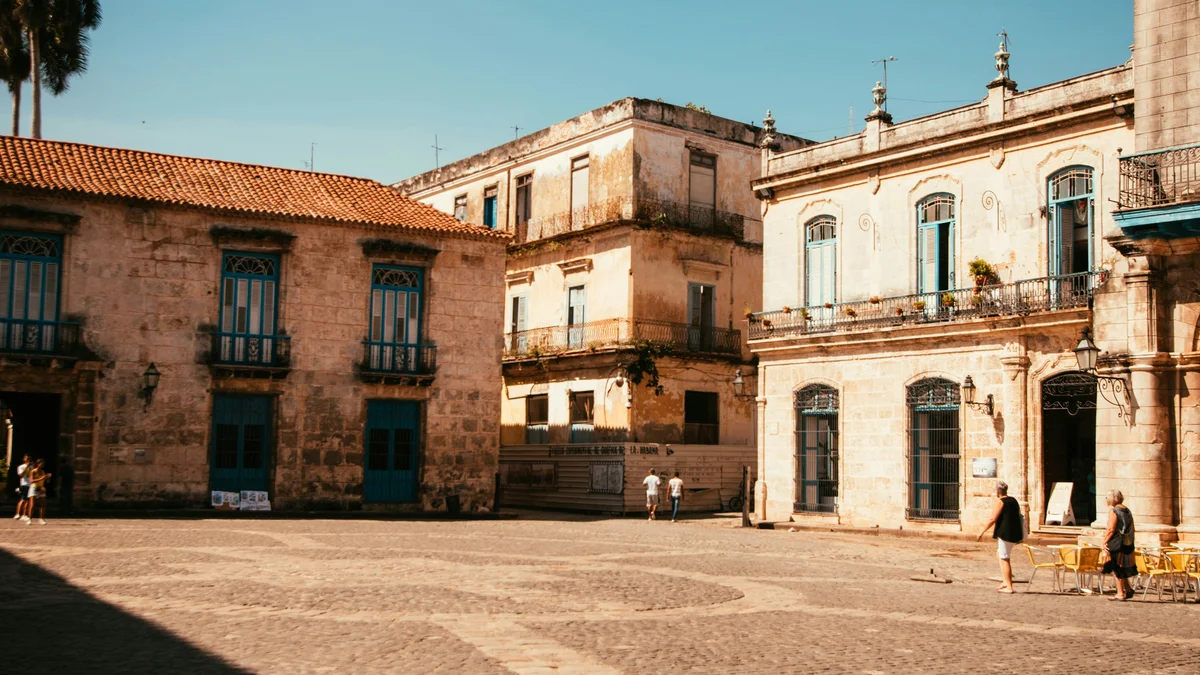
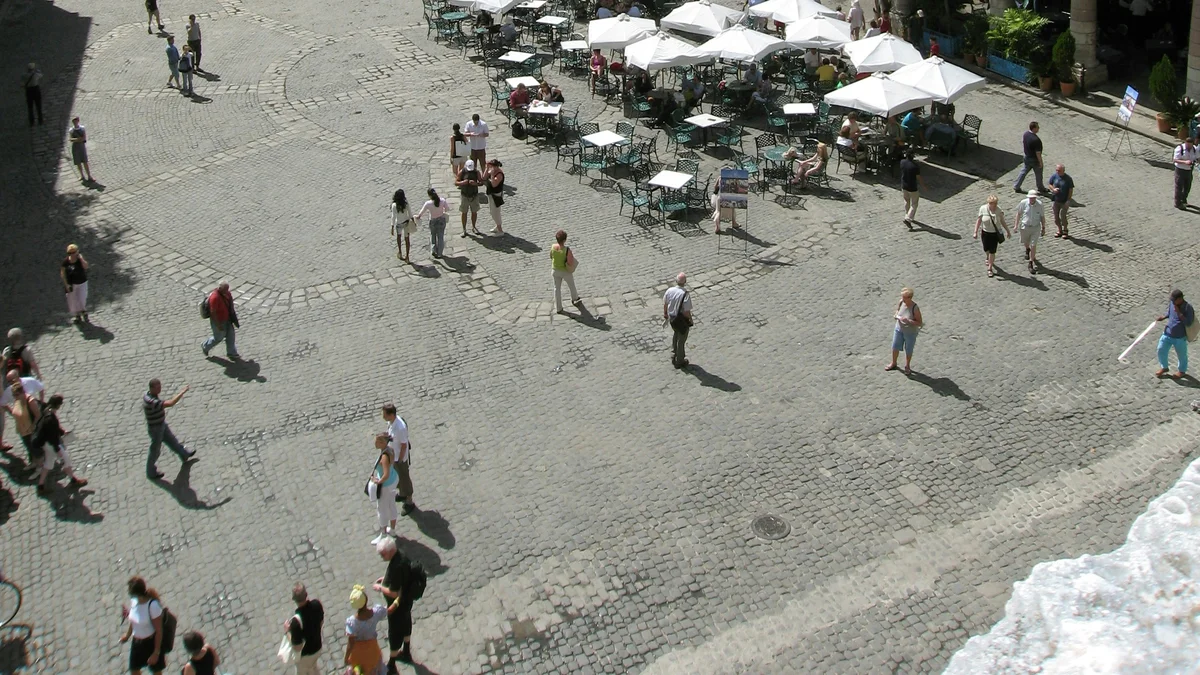
The smallest and arguably most atmospheric of Old Havana's four colonial squares, framed by the baroque Catedral de San Cristóbal de La Habana, begun by the Jesuits in 1748, and lined with restored 18th-century mansions. It's a standard, well-photographed stop on almost every Old Havana walking tour.
 Private Tours
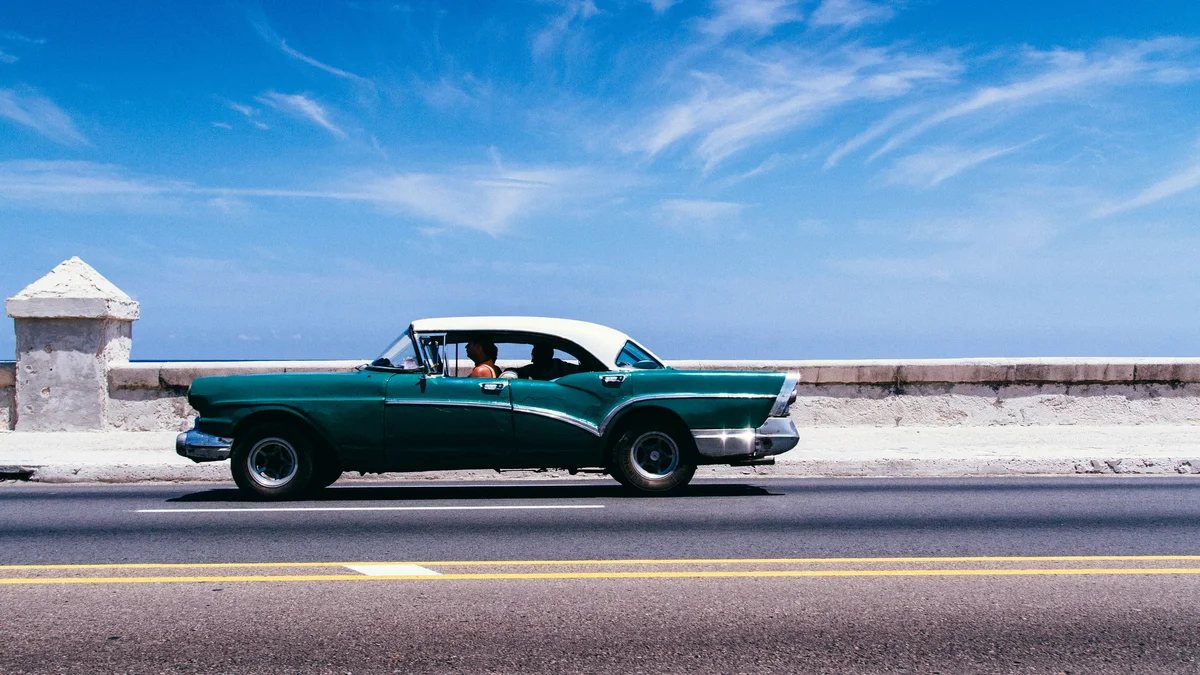
A private open-top classic car and a bilingual guide take you through Old Havana, the Malecón seafront, and the city's real neighborhoods, with the route shaped around what you want to see.
 Private Tours
A private driver and walking guide combine Old Havana's colonial squares with Fusterlandia, the artist José Fuster's mosaic-covered fishing neighborhood, on one exclusive day.
Visitor guide
Plaza de la Catedral is a colonial square in Old Havana, Cuba, dominated by the Catedral de San Cristobal. Part of the UNESCO-listed Old Havana, it is one of the best-known baroque ensembles in the city.
The plaza was built on the former Plaza de la Cienaga, a swamp that had been drained and used as a naval dockyard. The cathedral sits on Calle Empedrado between San Ignacio and Mercaderes streets. Old Havana, including the plaza, was inscribed as a UNESCO World Heritage Site in 1982.
The Spanish Wikipedia adds that in the sixteenth century the first residents built houses around the edge and left the centre open, and water from the Zanja Real, the city's main channel, pooled there and formed a swamp, so it was first called the Plaza de la Cienaga, or Swamp Square.
In 1700, according to Spanish Wikipedia, Bishop Diego Evelino de Compostela ordered land bought for a hermitage to Saint Ignatius of Loyola. The Jesuits later planned a college and a grander church, a project that stopped when they were expelled from Spanish territories in the 1760s to 1770s. The unfinished church was completed as the Church of the Santisima Concepcion, the college became a seminary and the square became the Plaza de la Catedral. Sources vary on exact dates, so they are best treated as approximate.
The Jesuits began building in 1748 on the site of an earlier church, with plans approved in 1727. After King Charles III expelled the Jesuits in 1767 the church was left unfinished; the parish moved into it in December 1777, conversion into a cathedral was ordered in 1778, and sources give 1787 or 1788 for its formal cathedral status. Wikipedia describes a baroque facade with asymmetrical bell towers, and a Latin cross plan with a central nave, two side aisles and eight side chapels.
The walls are built of coral stone blocks, and fossilised marine life can be seen in them. Details of the facade resemble those of the nearby San Carlos and San Ambrosio Seminary, which is part of the same church complex.
After the 1796 Peace of Basel, the remains believed to be those of Christopher Columbus were moved to the cathedral's Altar of the Gospel. Wikipedia says they were returned to Spain in 1898, after the Cuban War of Independence, and taken to Seville Cathedral. The attribution of the remains has long been debated, so it is best described as a tradition.
Wikipedia describes the cathedral as one of the most beautiful and sober churches of American baroque.
The square is surrounded by old townhouses and arcades, some of which are now museums, galleries and restaurants. The surrounding details are not covered in Wikipedia's cathedral article, so guides and local sources are the best reference for individual buildings. A private guided visit can connect the plaza with Plaza de Armas, Plaza Vieja and the harbour fortresses on a single walking route.
The Museo de Arte Colonial is across from the cathedral in the former Casa Bayona. The Palacio del Conde Lombillo, also called Casa de Lombillo, faces the plaza, with a statue by Jose Villa Soberon of the Spanish flamenco dancer Antonio Gades in front of it; Gades moved to Cuba in 1975 after disbanding his company in protest against the Franco regime. The Mansion del Marques de Aguas Claras also overlooks the plaza, and several restaurants occupy nearby colonial houses.
See every tour and attraction we cover in Havana.