TorontoOntario · 36 tours
 Niagara FallsOntario · 25 tours
 New York CityNew York · 30 tours
 Las VegasNevada · 8 tours
 San FranciscoCalifornia · 16 tours
 VancouverBritish Columbia · 17 tours
 DubaiUAE · 54 tours
 Abu DhabiUAE · 5 tours
 Buenos AiresArgentina · 23 tours
 AthensGreece · 31 tours
 AucklandNew Zealand · 38 tours
 CancunMexico · 54 tours
No destinations match “”. Try searching all tours instead — that search understands full questions, not just place names.
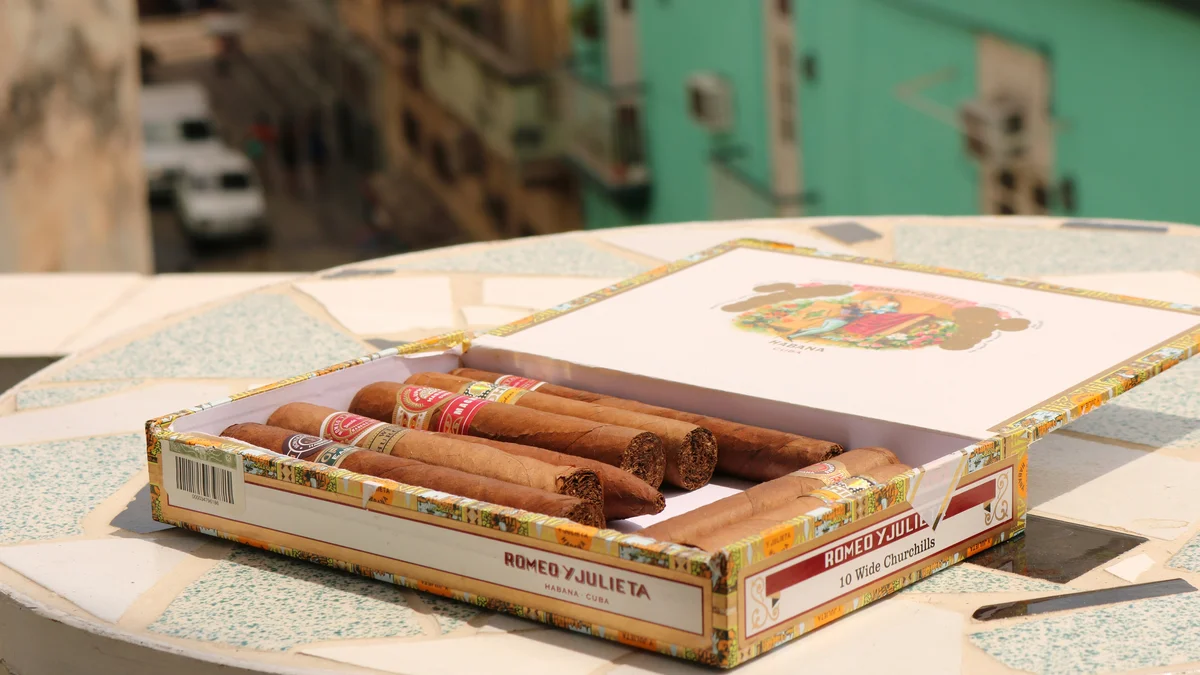
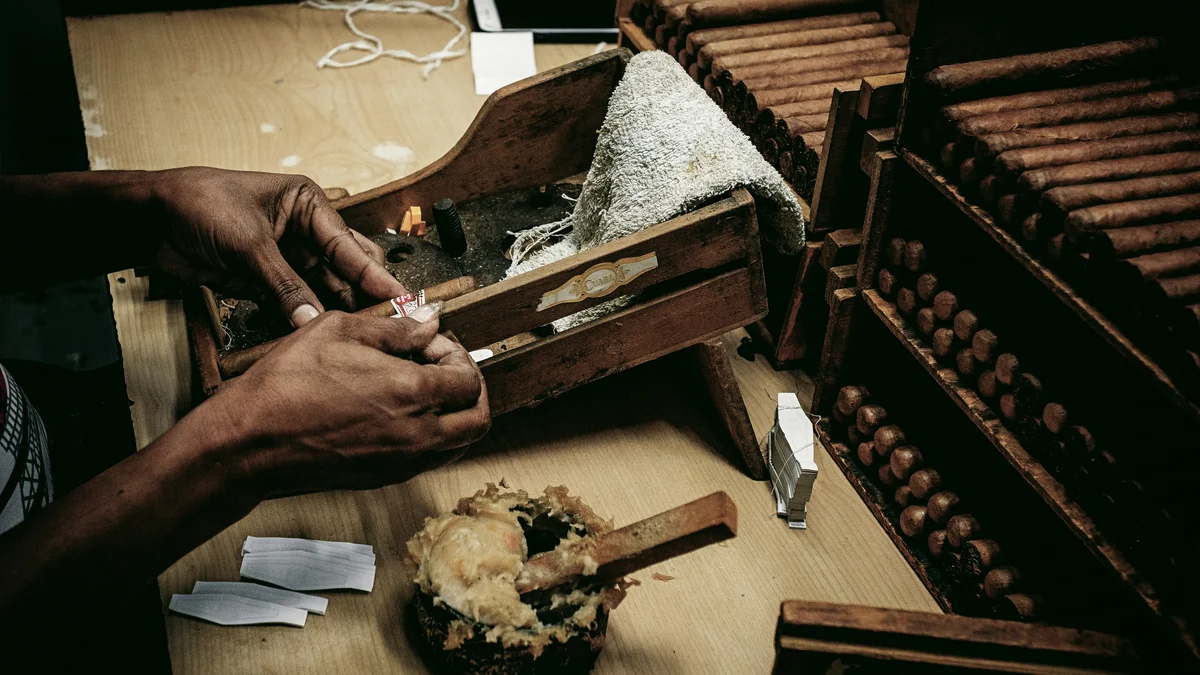
One of Cuba's oldest working cigar factories, founded in Havana in 1845, where rollers still hand-roll Habanos using techniques passed down over generations. Visitors touring Havana's cigar trade typically see the rolling floor in action, a stop that anchors most of the city's real cigar-focused tours.
 Private Tours
A private guide and driver take you through real cigar rolling, an aged-rum tasting, and the streets of Old Havana in a classic car, at your own pace.
 Private Tours
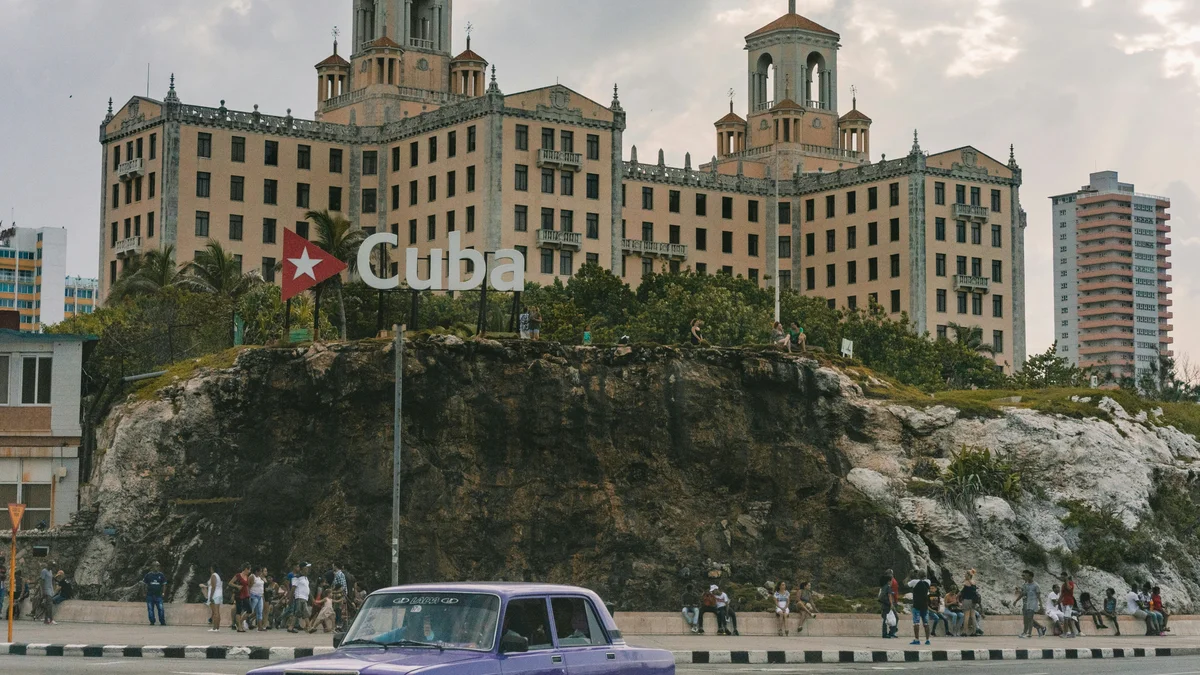
A private guide and driver walk you through Old Havana and the real Hemingway landmarks — El Floridita, a cigar factory, and the Hotel Nacional — built around your own interests.
Visitor guide
Real Fabrica de Tabacos Partagas is a historic cigar factory in Havana, associated with one of Cuba's oldest cigar brands. The brand was established in 1845 by the Catalan-born Don Jaime Partagas y Ravell and is today produced under the state-owned company Habanos S.A.
According to Wikipedia, Jaime Partagas emigrated to Cuba in 1831, owned many plantations in the Vuelta Abajo region and was known for his skill in selecting and blending tobacco. He established La Flor de Tabacas de Partagas in Havana in 1845. He was killed on one of his plantations in 1868. Legend credits him with hiring one of the first lectors, readers who entertained rollers, but that is described as legend.
After his death his son Jose Partagas ran the business, which was later sold to the banker Jose A. Bances and then taken over by the Cifuentes family.
Tobacco from his Vuelta Abajo estates was fermented, sorted and graded, and wrappers were sorted into three classes by fineness. Workers hand-rolled cigars at long rows of wooden desks with a lector reading aloud from books and newspapers. By 1886 the factory employed 425 cigar makers, according to English Wikipedia. In 1871 his son announced a patented design and trademark for cigar boxes in response to counterfeits made in the United States.
The Cuban government seized the factory on 15 September 1960. The brand continued under state control, first through Cubatobaco and then Habanos S.A., the state-owned tobacco company. In 2002 Altadis bought a controlling share in Habanos and began restructuring production.
Partagas Serie D No. 4 is widely regarded as the best-selling Cuban cigar worldwide. A separate Partagas brand is produced in the Dominican Republic by General Cigar Company, so the name does not refer to a single product line.
The building is described as an industrial structure with an ornate maroon and cream facade that stood out from its neighbours. Early factory varieties noted in the nineteenth century included Celestiales, Salomones, Napoleones and Imperiales, and the factory also produced brands such as Bolivar, Ramon Allones and La Gloria Cubana. A special size, Visible Inmenso, was made exclusively for King Farouk of Egypt. Ramon Cifuentes became a partner in 1899 and took over ownership in 1900.
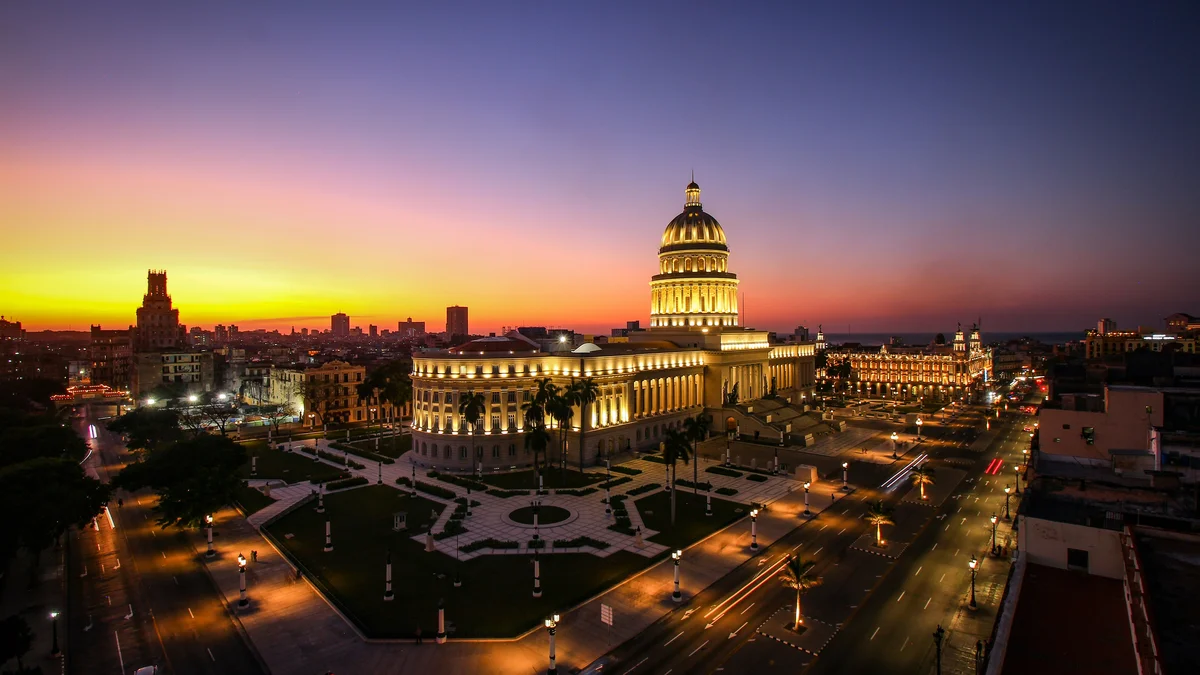
English Wikipedia places the Real Fabrica de Tabacos Partagas across the street from the Capitolio, and says it is also known as the Francisco Perez German factory after the revolution. The Partagas article notes a new factory opened in January 2012 about three kilometres from Old Havana, and travel guides disagree on where the factory is now, so visitors should confirm the site and its status before planning a visit.
Cigar factories are working environments where tobacco is sorted, rolled by hand and quality-checked, a process visitors may see on guided tours where offered.
A visit is usually part of a private guided Havana day, together with other sights in the centre. Opening, tour availability and photography rules are set by the operator and change, so confirm them in advance. Buy cigars only from licensed shops and keep receipts, as export rules differ by country.
See every tour and attraction we cover in Havana.