TorontoOntario · 36 tours
 Niagara FallsOntario · 25 tours
 New York CityNew York · 30 tours
 Las VegasNevada · 8 tours
 San FranciscoCalifornia · 16 tours
 VancouverBritish Columbia · 17 tours
 DubaiUAE · 54 tours
 Abu DhabiUAE · 5 tours
 Buenos AiresArgentina · 23 tours
 AthensGreece · 31 tours
 AucklandNew Zealand · 38 tours
 CancunMexico · 54 tours
No destinations match “”. Try searching all tours instead — that search understands full questions, not just place names.
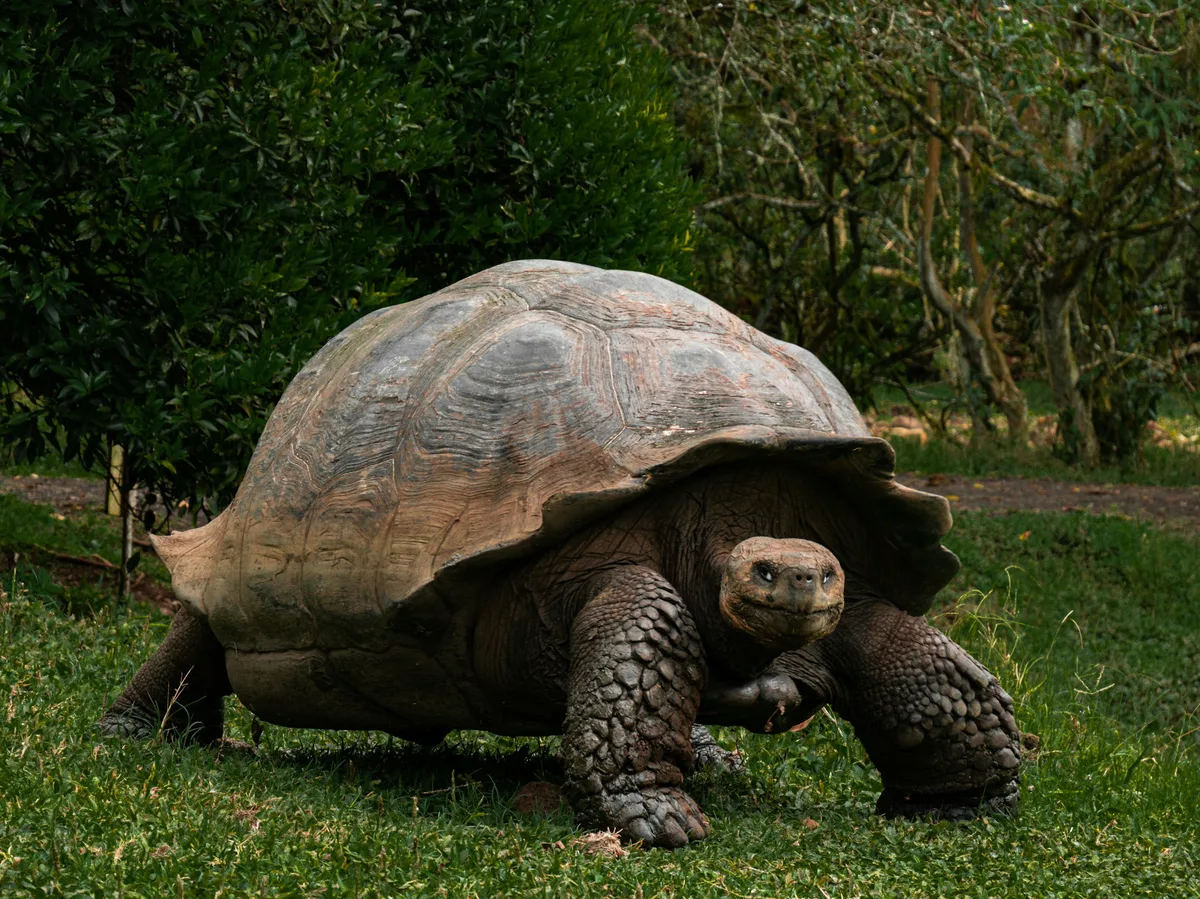
A UNESCO World Heritage archipelago where giant tortoises, marine iguanas, blue-footed boobies, and sea lions live largely undisturbed by natural predators, making close, unscripted wildlife encounters part of everyday island life.
 Multi-Day Tours
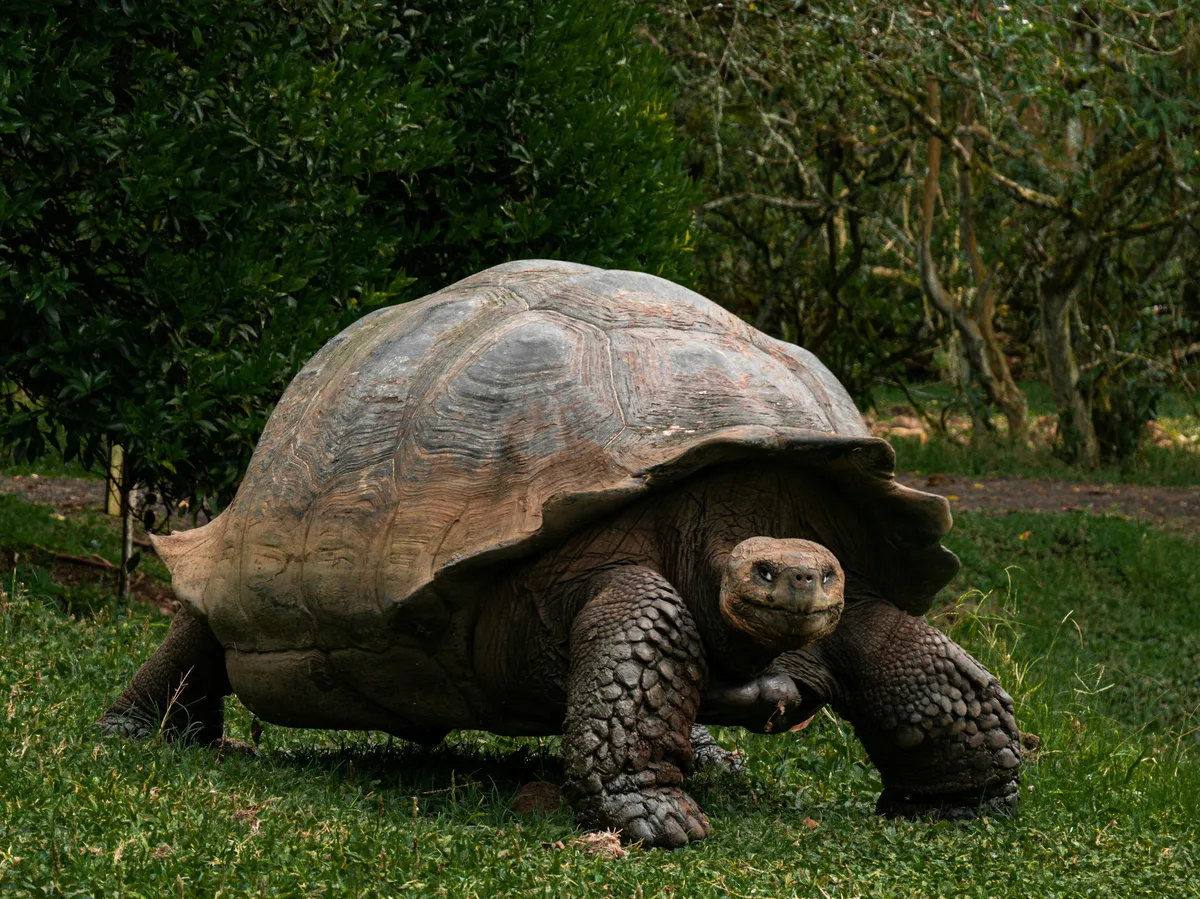
A 10-day island-hopping circuit through the Galapagos — Santa Cruz, Isabela, and San Cristobal — built around giant tortoises, snorkeling, and volcanic landscapes, with a Quito arrival on either end.
 Multi-Day Tours Popular Pick
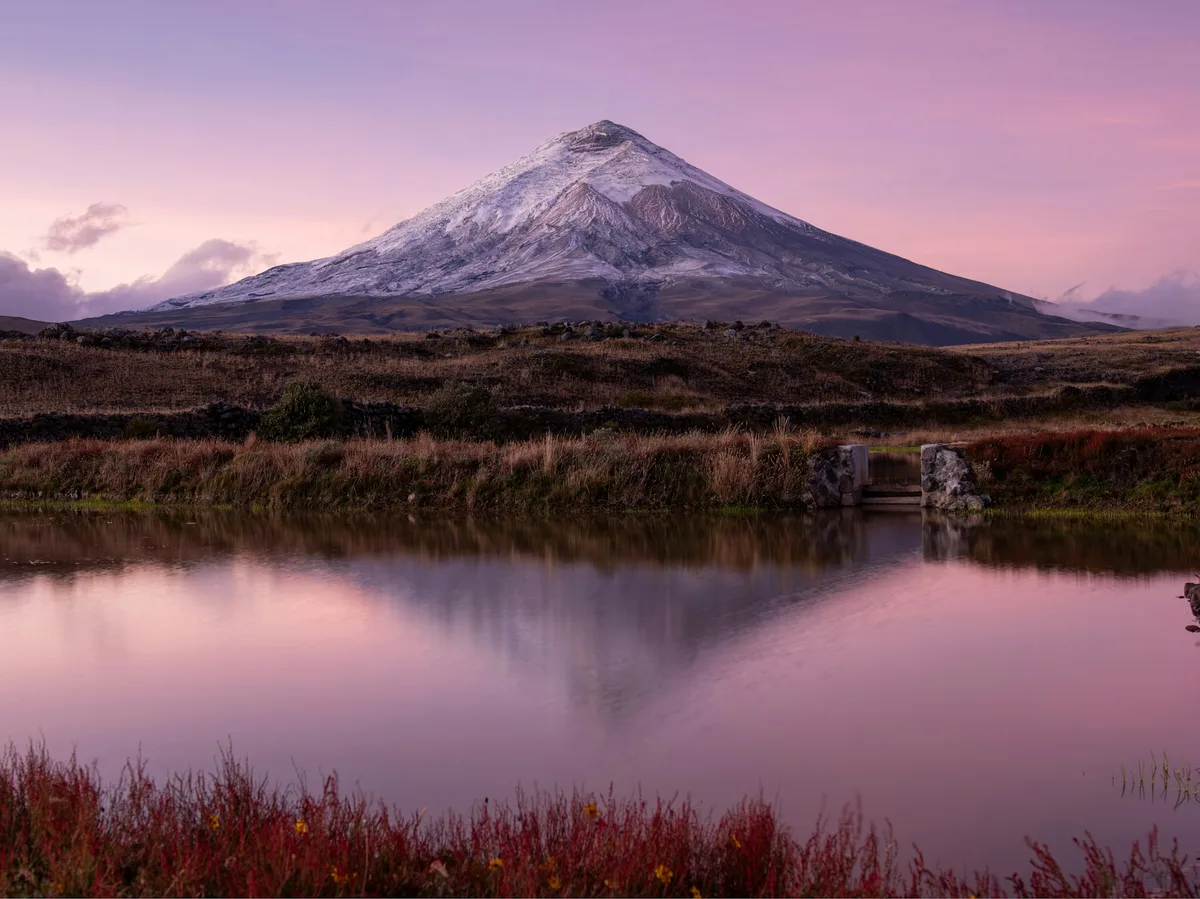
A comprehensive 14-day cross-section of Ecuador — the northern Andes, the Cuyabeno Amazon reserve, and four days island-hopping the Galapagos — built around wildlife and landscape at every stage.
 Multi-Day Tours
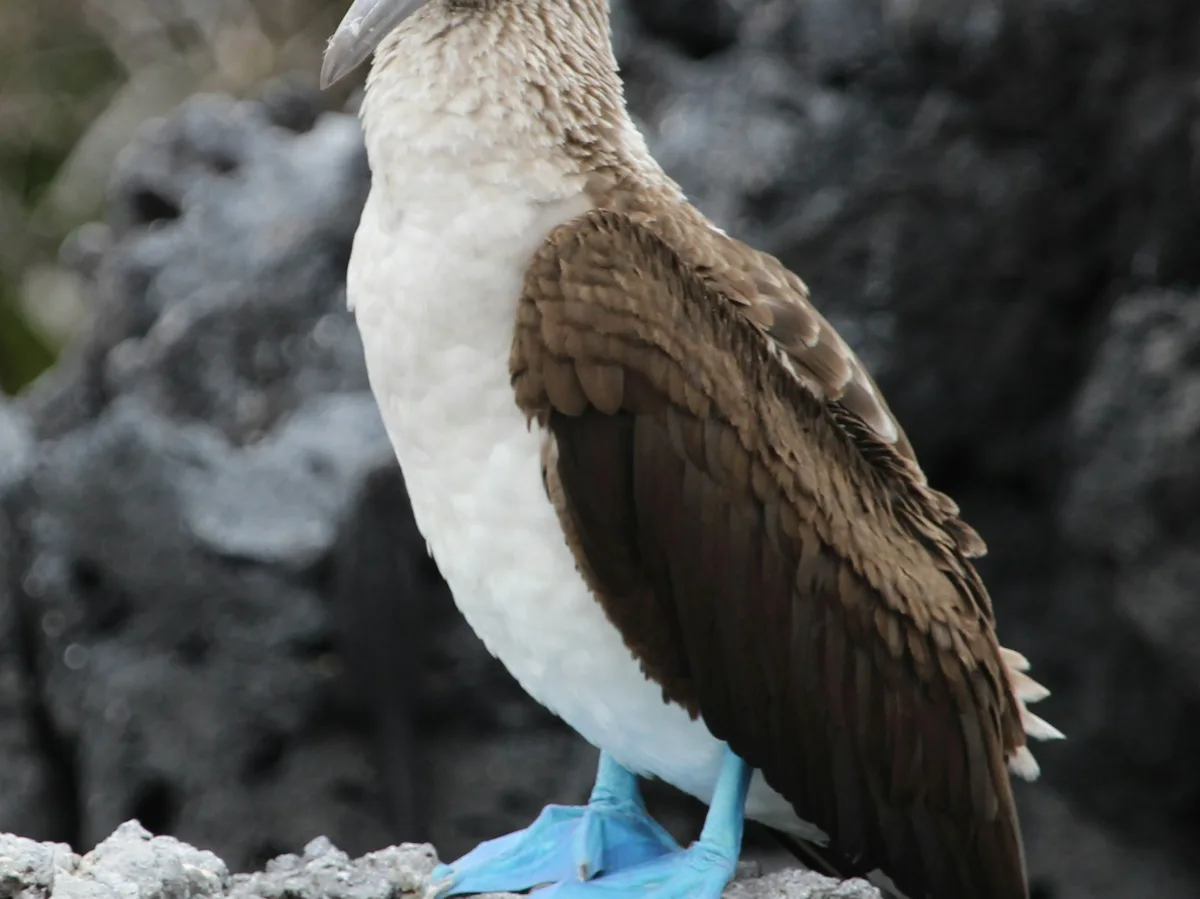
A short, land-based Galapagos introduction from Baltra — giant tortoises, a Santa Cruz bay tour, and two days visiting uninhabited islands for wildlife and snorkeling.
Visitor guide
The Galápagos Islands are a volcanic archipelago in the Eastern Pacific that form Ecuador's Galápagos Province, roughly 900 kilometres west of the South American mainland. The islands are best known for their wildlife, including giant tortoises, marine iguanas, blue-footed boobies and sea lions, species that have evolved in isolation and that visitors can observe at very close range.
The Galápagos sit over a volcanic hotspot on the Nazca plate, and according to Wikipedia volcanism there has continued for at least 20 million years. The youngest islands, Isabela and Fernandina, are still being shaped by eruptions, while older islands have eroded into softer landscapes. Sources give slightly different counts, with Wikipedia describing 127 islands, islets and rocks, of which 19 exceed one square kilometre. Isabela is the largest island and accounts for nearly three-fifths of the archipelago's land area. Three ocean currents, the cool Humboldt, the warm Panama and the nutrient-rich Cromwell, meet around the islands and help explain why tropical and cold-water species live side by side.
The first recorded European arrival was in March 1535, when Bishop Tomás de Berlanga drifted off course and found the islands uninhabited. English pirates later used them as a base, and whalers and sealers took a heavy toll on tortoises and other animals; goats and rats introduced during those centuries damaged native ecosystems. Ecuador formally claimed the islands in 1832. Charles Darwin visited aboard HMS Beagle in 1835 and spent about five weeks in the archipelago. His observations, including how mockingbirds differed from island to island, are generally credited as one inspiration for his theory of evolution by natural selection.
The archipelago takes its name from its giant tortoises, and Chelonoidis nigra is described as the largest living tortoise species. Marine iguanas, which feed on algae in the sea, and flightless cormorants are among the endemic reptiles and birds that evolved to suit island conditions. Darwin's finches, blue-footed boobies, frigatebirds, swallow-tailed gulls and red-billed tropicbirds nest on various islands. Galápagos sea lions are common on beaches and jetties, and a Galápagos fur seal can be found on Santiago. On land there are around 500 native vascular plant species, roughly 180 of them endemic, and vegetation changes from arid, cactus-dominated lowlands to lush highlands.
Ecuador designated about 97 percent of the islands' land area as Galápagos National Park, which Wikipedia says was established in 1959 and began operating in 1968, with a marine resources reserve set up in 1986 that became the Galápagos Marine Reserve under Ecuador's 1998 Special Law. UNESCO inscribed the islands as a World Heritage Site in 1978, with extensions in 2001 and 2003. The site was on the List in Danger from 2007 to 2010, with invasive species named as a principal concern. The Charles Darwin Research Station on Santa Cruz island is part of the conservation effort, including a breeding programme for the yellow land iguana.
The islands have two broad seasons. From roughly June to November the garúa season brings cooler sea temperatures, a steady southeast wind and misty drizzle in the highlands, while December to May is warmer with little wind and occasional heavy downpours. El Niño events every few years can change sea temperatures and rainfall. Because the wildlife is protected, visits are organised around designated sites and park rules, and a private guided visit suits travellers who want context on what they are seeing.
See every tour and attraction we cover in Ecuador & Galapagos.