TorontoOntario · 36 tours
 Niagara FallsOntario · 25 tours
 New York CityNew York · 30 tours
 Las VegasNevada · 8 tours
 San FranciscoCalifornia · 16 tours
 VancouverBritish Columbia · 17 tours
 DubaiUAE · 54 tours
 Abu DhabiUAE · 5 tours
 Buenos AiresArgentina · 23 tours
 AthensGreece · 31 tours
 AucklandNew Zealand · 38 tours
 CancunMexico · 54 tours
No destinations match “”. Try searching all tours instead — that search understands full questions, not just place names.
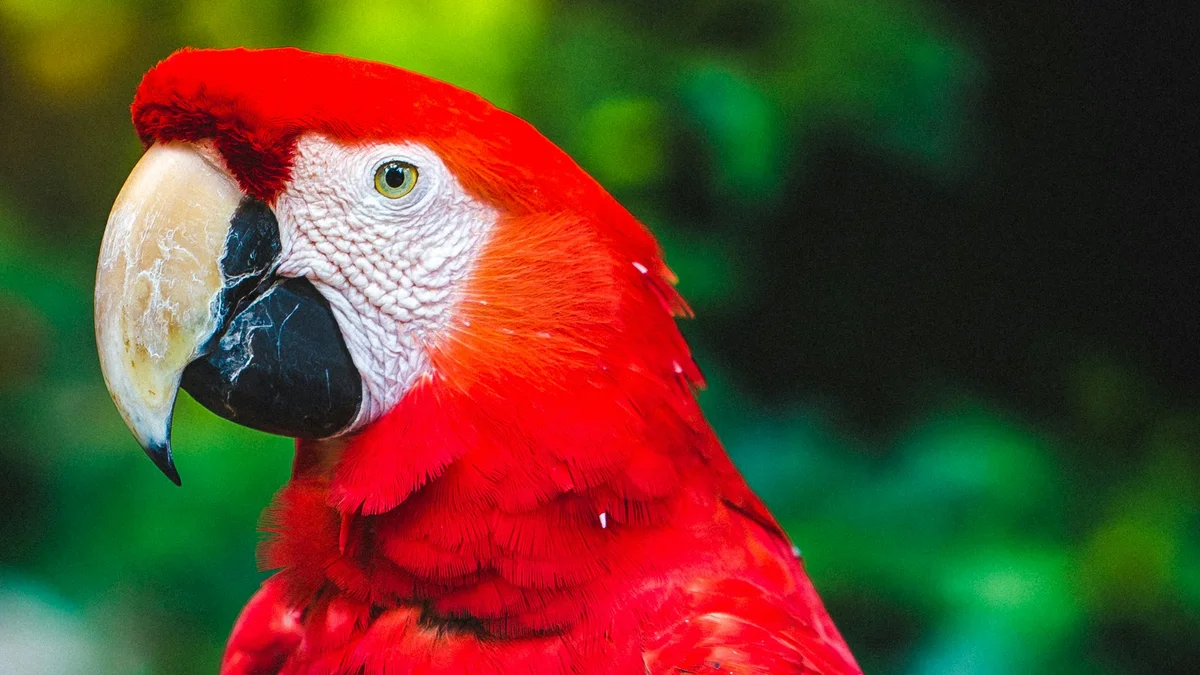
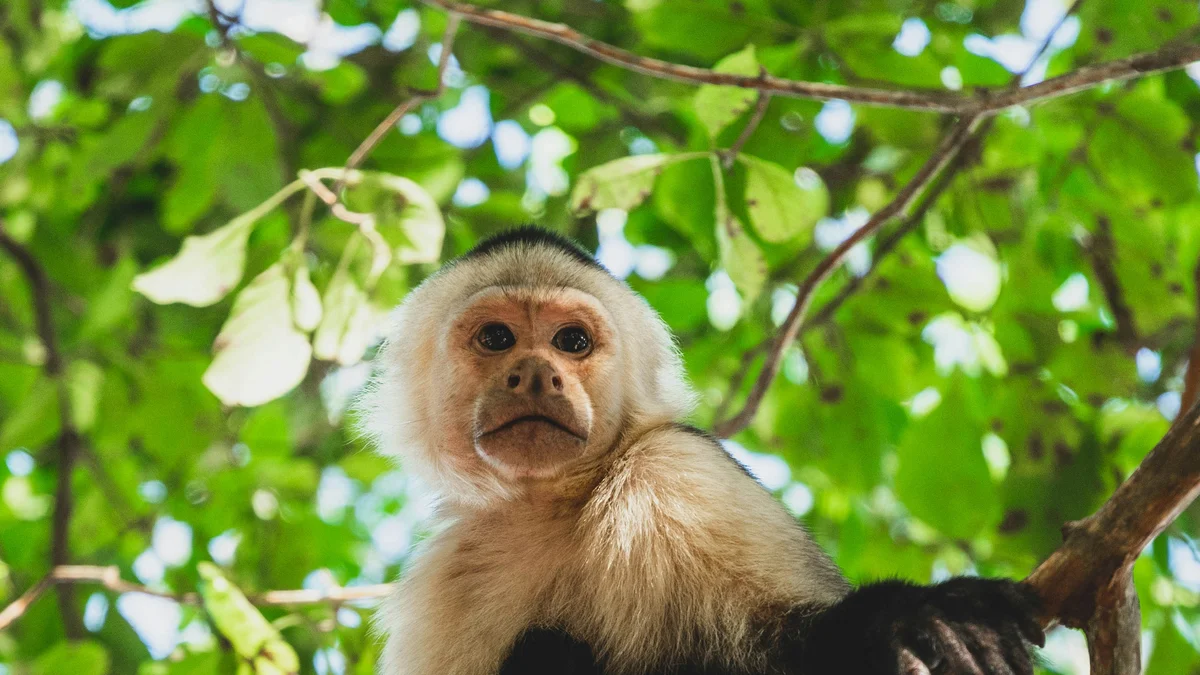
A wildlife preservation park near West Bay where visitors walk guided boardwalks past rescued Capuchin white-faced monkeys, macaws, parrots, and hummingbirds in a protected setting. The park also has a freshwater pool and an onsite restaurant, and sits close enough to West Bay Beach that many visits combine both in a single stop.
Visitor guide
Gumbalimba Park is a privately run eco-adventure and history park at West Bay on the western end of Roatan, the largest of the Bay Islands of Honduras. It is known for free-roaming white-faced capuchin monkeys and macaws, tropical gardens, a pirate-themed museum cave and a beachfront setting.
The park's own website describes a nature sanctuary combining wildlife encounters, botanical gardens, historical education and beach time. Its best-known residents are white-faced capuchin monkeys and scarlet macaws, which move freely around the grounds, alongside iguanas, parrots and hummingbirds according to tour listings. The park says visitors need a guide to see the monkeys and macaws, and the guide is part of the visit. It also asks for sustainable practices, including no loud music and no outside pets. Visitor reports vary on exactly which animals appear on a given day, so the animal list is best read as typical rather than guaranteed.
The park's history page names several of its trees, including the cannonball tree, the gumbolimbo, mazapan, tamarindo and almond. It singles out a ceiba, one of its oldest trees, noting the ceiba's cultural significance across Central America. The gumbolimbo is described there as the park's namesake, which is consistent with several travel guides that say the name comes from a tree islanders call gumbalimba. Tour listings describe more than 200 species of plants and trees, a suspension bridge over a pond, and a ground-level alternative for those who prefer not to cross it.
The park includes a man-made cave, called a Pirate Museum Cave on the official site, that presents the history of Roatan and the Bay Islands. Inside it is an insectarium of preserved specimens from around the world, organised by scientific taxonomy to show how species are related. One listing puts the collection at nearly 2,500 insects, a figure that comes from a tour site rather than the park itself.
The pirate theme draws on real history. Wikipedia notes that Dutch, English and French freebooters used the Bay Islands as bases for raids on Spanish shipping, and English settlers from British Honduras briefly held Port Royal on Roatan in the 1640s. The cave interprets this setting in a lighthearted way rather than as a formal academic museum.
Tour listings and travel sites say the park opened in 2003 as a locally owned business and covers about 20 acres at West Bay. These figures come from secondary sources, and the park's own pages reviewed here do not state its founding year, size or owners.
Roatan lies about 65 km off the northern coast of Honduras, is roughly 59 km long and sits on the southern edge of the Mesoamerican Barrier Reef System, according to Wikipedia. The Bay Islands are also an Important Bird Area, supporting white-crowned pigeons, chimney swifts and yellow-naped amazons. West Bay is on the busier western end of the island, so the park is easy to combine with the beach and nearby wildlife stops.
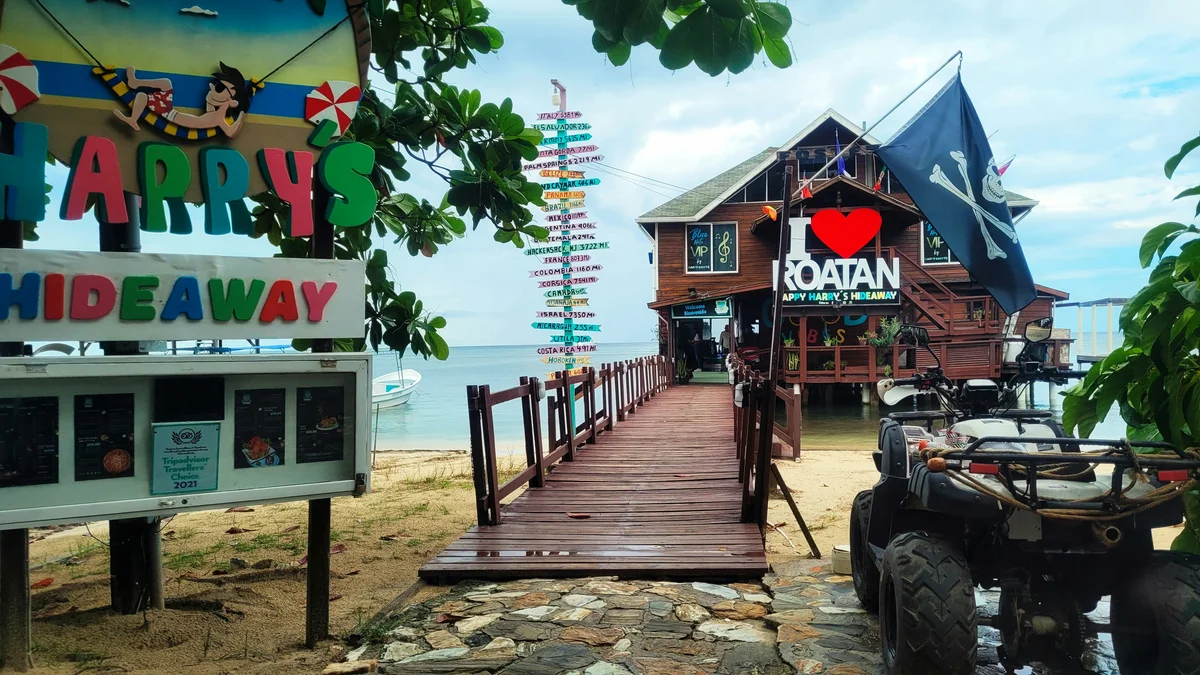
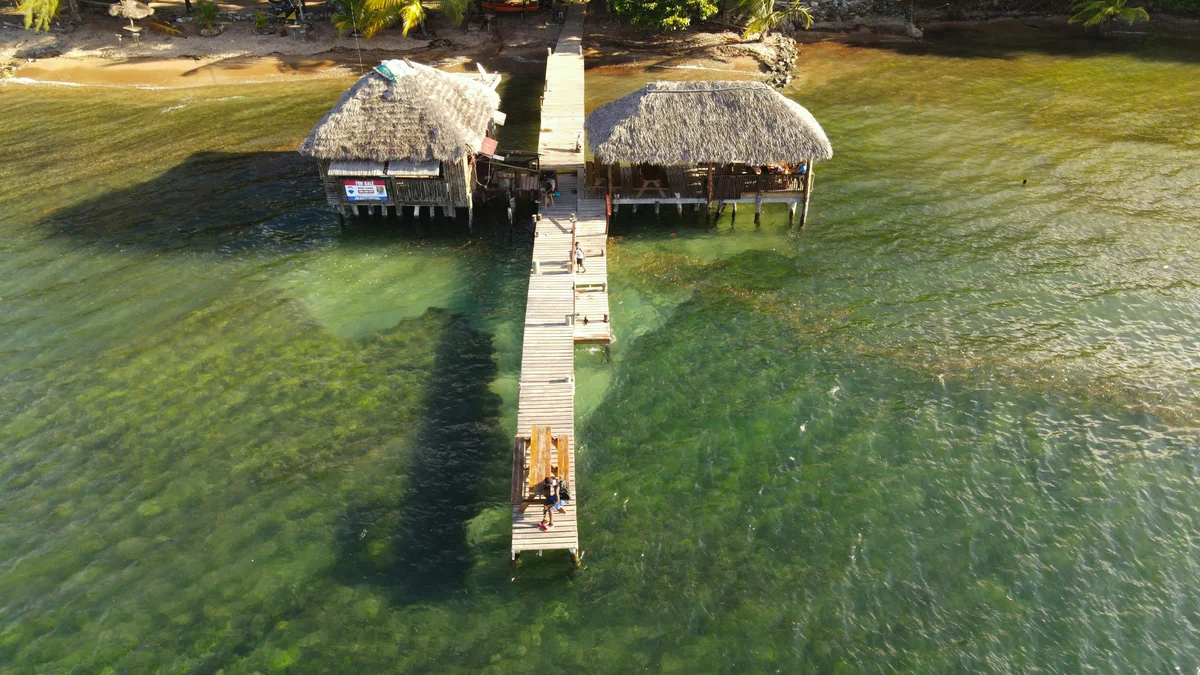
The official site lists a private beach on the Atlantic side and a freshwater pool for use after the guided tour, plus a zipline course with 13 cables and 17 platforms, kayak rentals, golf car rentals, lockers and two restaurants. A private guided visit with a vehicle and driver suits the park, since it can be combined with other west-end attractions without the need to arrange separate transfers.
See every tour and attraction we cover in Roatan.