TorontoOntario · 36 tours
 Niagara FallsOntario · 25 tours
 New York CityNew York · 30 tours
 Las VegasNevada · 8 tours
 San FranciscoCalifornia · 16 tours
 VancouverBritish Columbia · 17 tours
 DubaiUAE · 54 tours
 Abu DhabiUAE · 5 tours
 Buenos AiresArgentina · 23 tours
 AthensGreece · 31 tours
 AucklandNew Zealand · 38 tours
 CancunMexico · 54 tours
No destinations match “”. Try searching all tours instead — that search understands full questions, not just place names.
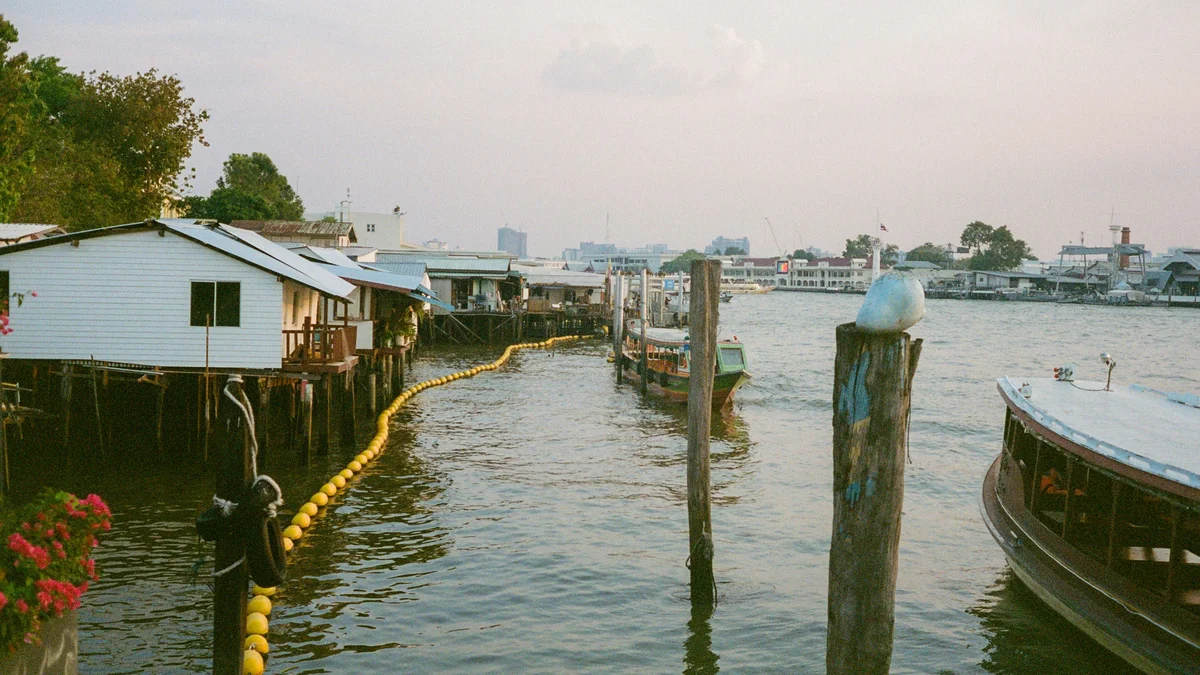
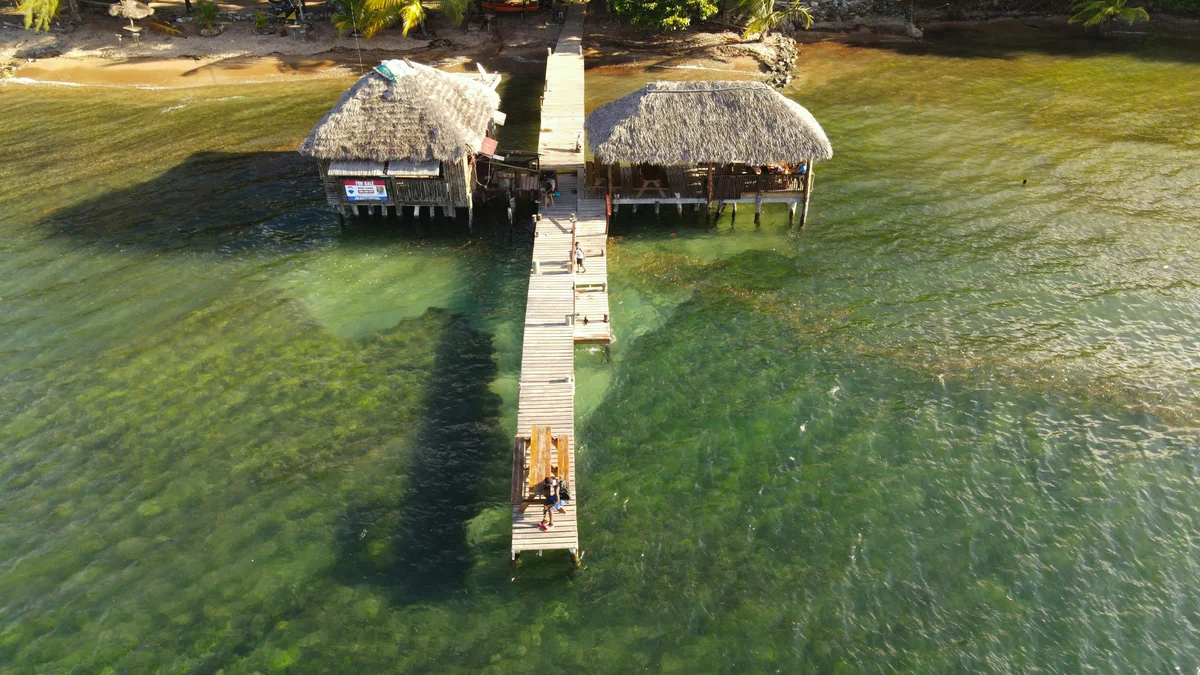
Known locally as 'the Venice of Roatán,' Oak Ridge is a waterfront town on the island's East End built around a network of canals, where many houses are raised on stilts over the water and locals still get around by small boat. It's the commercial center of the East End and a genuinely different side of Roatán from the West Bay and West End tourist strip.
Visitor guide
Oak Ridge, spelled Oakridge on some maps, is a fishing town on the south coast of eastern Roatan, in the Bay Islands of Honduras. Travel writers call it the Venice of Roatan because pastel-coloured wooden houses stand on stilts over the harbour and boats are a normal way to get around.
Wikipedia lists Oakridge among the south-coast settlements east of the island's main town, Coxen Hole, along with Mount Pleasant, French Harbour, First Bight, Parrot Tree and Jonesville. Bold Traveller, a Canadian travel site, describes brightly coloured stilt houses over the turquoise water of Oak Ridge Harbour, with fishing boats moored in the harbour and fishermen mending nets. Visitors can explore by cayuco, a long motorised canoe-like boat, which passes stilt houses and bars reachable only by water. Local guides quoted in the same article say tourism has now overtaken fishing as the island's main industry.
The nickname is a comparison to Venice rather than a claim of similar scale. Oak Ridge is a small town, and building at the water's edge is a coastal tradition across the Bay Islands.
Wikipedia's article on the Bay Islands Department lists four municipalities: Guanaja, Jose Santos Guardiola, Roatan and Utila. The seat of Jose Santos Guardiola is Oak Ridge, which makes this small harbour town the administrative centre of the eastern half of Roatan.
The east of the island has extensive mangrove forest. Wikipedia notes that the easternmost quarter of Roatan, called Helene or Santa Elena, is separated from the rest of the island by a narrow channel about 15 metres wide cut through mangroves. Tour operators run boat trips through mangrove channels near Jonesville, close to Oak Ridge, and Bold Traveller describes the Jonesville mangrove tunnel as a canopy of tangled roots and dense greenery. One tour operator says the canals were dug long ago so small boats could travel between harbours inside the reef, and some operators call the area a pirate hideout; neither claim was confirmed by an independent historical source in the material reviewed.
The island's history explains why a place like Oak Ridge looks the way it does. Wikipedia says Dutch, English and French freebooters used the Bay Islands as bases for raids on Spanish shipping, and settlers from Jamaica and the Cayman Islands arrived in the 1830s and 1840s. The British declared a colony in 1852, and a convention later returned the islands to Honduran sovereignty. The Garifuna were deported to Roatan by the British in 1797, and their community at Punta Gorda became the first permanent post-Columbian settlement in the Bay Islands. English-speaking descendants of British settlers live on the main islands, while Spanish is the official language.
Roatan is about 59 km long and sits on the southern edge of the Mesoamerican Barrier Reef System. Its best-known beaches, dive shops and resorts are on the west end, so the east end offers a contrast of working harbours, small communities and mangrove shores. The area is a longer drive from the cruise ports and west-end resorts, and a private tour with a driver and local guide suits it because roads are fewer and a guide can introduce the community.
See every tour and attraction we cover in Roatan.