TorontoOntario · 36 tours
 Niagara FallsOntario · 25 tours
 New York CityNew York · 30 tours
 Las VegasNevada · 8 tours
 San FranciscoCalifornia · 16 tours
 VancouverBritish Columbia · 17 tours
 DubaiUAE · 54 tours
 Abu DhabiUAE · 5 tours
 Buenos AiresArgentina · 23 tours
 AthensGreece · 31 tours
 AucklandNew Zealand · 38 tours
 CancunMexico · 54 tours
No destinations match “”. Try searching all tours instead — that search understands full questions, not just place names.
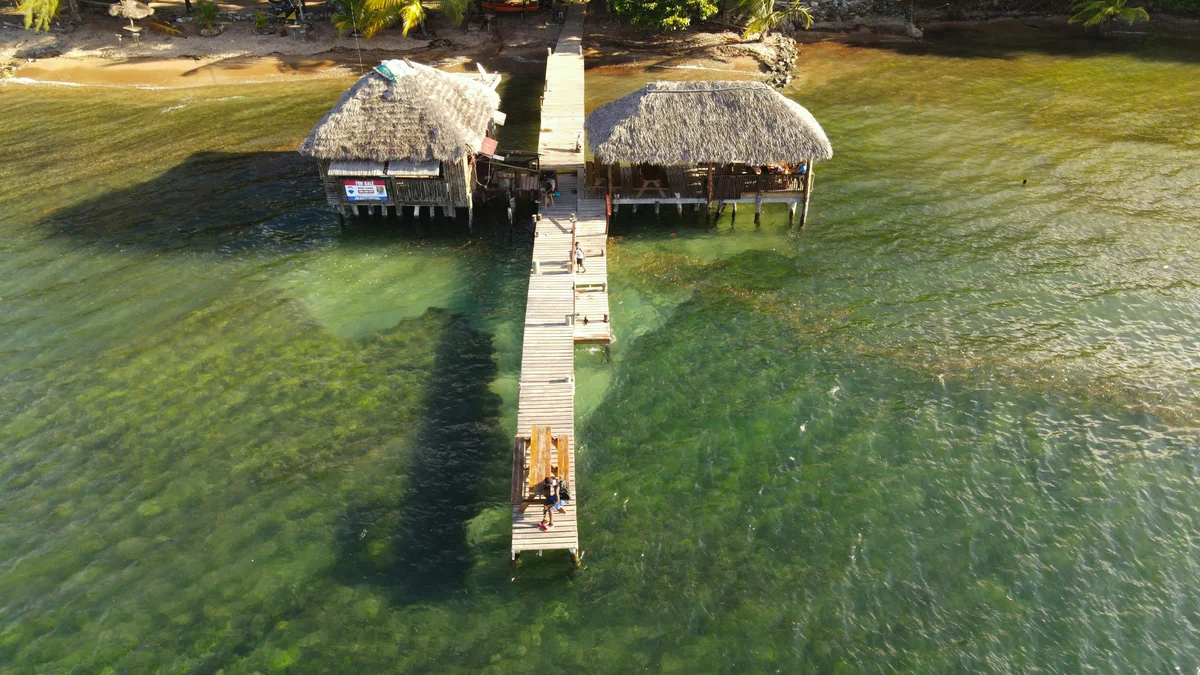
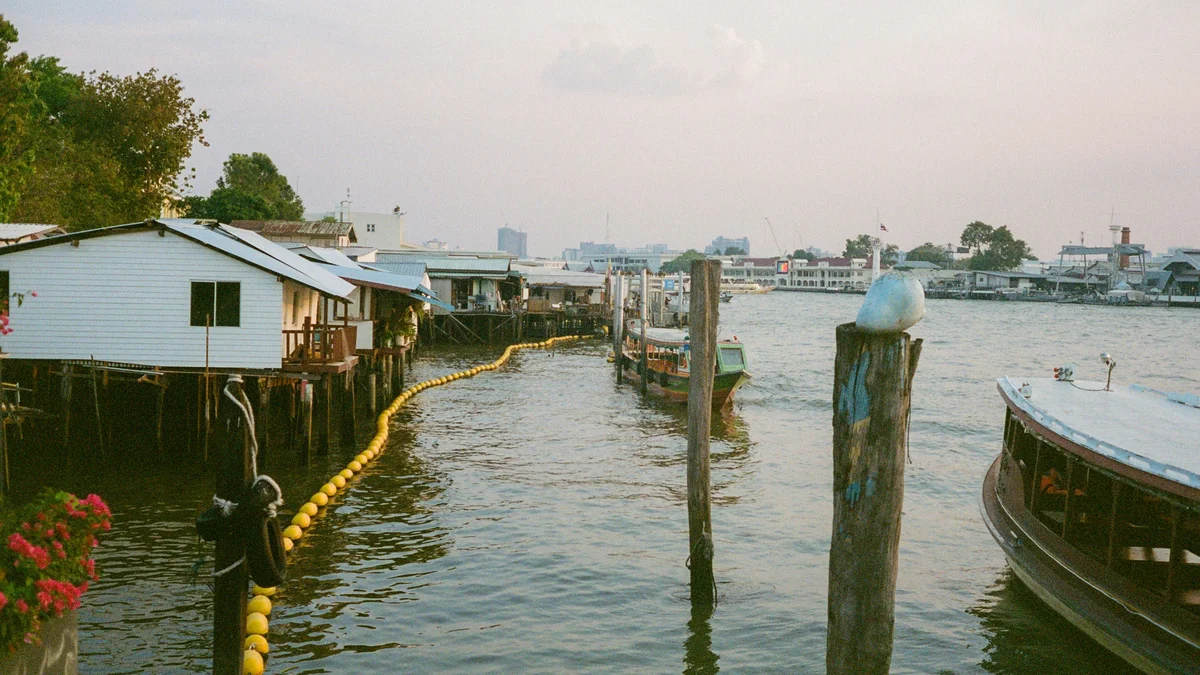
Roatán's oldest settlement and the first permanent Garifuna (Garinagu) community in Honduras, established by Afro-Indigenous settlers in the late 1700s. Its colorful waterfront houses and living Garifuna culture, language, and music make it one of the island's most historically significant real communities, still largely outside the main tourist circuit on the East End.
Visitor guide
Punta Gorda is a Garifuna community on the northern coast of Roatán, in the Bay Islands of Honduras. According to Wikipedia, it was founded after the British deported the Garifuna from the Caribbean island of Saint Vincent in 1797, and its people became the Bay Islands' first permanent post-Columbian settlers.
The Garifuna, or Garínagu, are an Afro-Indigenous people descended from Arawak and Kalinago (Island Carib) peoples and from Africans, who originated on Saint Vincent, which they called Yurumein. Wikipedia explains that after the Second Carib War, in which the Garifuna were supported by the French, the British defeated them and chose to deport them, concerned about further unrest. The deportees were taken first to Jamaica and then to Roatán. One account in the Garifuna article says they landed on 12 April 1797 and that, of more than 5,000 deported, only about 2,500 survived the journey. Numbers differ between sources, so these figures are best regarded as approximate.
Most of the Garifuna soon moved on to Trujillo on the Honduran mainland, but a portion remained on Roatán and founded Punta Gorda on the island's north coast. From there, and from Trujillo, Garifuna families spread along the Caribbean coast of Central America, becoming the foundation of the modern Garifuna communities of Honduras, Belize and Guatemala. Wikipedia describes Punta Gorda as the Bay Islands' first permanent post-Columbian settlement. The claim that it is the oldest settlement on Roatán should be read with that qualification, since earlier Indigenous peoples had lived on the islands before European contact.
Garifuna culture combines African, Arawak and Kalinago elements. In 2001 UNESCO proclaimed the language, dance and music of the Garifuna a Masterpiece of the Oral and Intangible Heritage of Humanity, covering communities in Honduras, Belize and Nicaragua. The Garifuna language belongs to the Arawakan family. Garifuna music includes ritual genres such as the dugu, a healing ceremony for ancestors, as well as secular dance styles, and drumming is central to many celebrations. Visitors to Punta Gorda may encounter cassava-based foods, drumming and dance, although what is offered depends on the day and the community's own programmes.
Punta Gorda lies on the north shore of the island's eastern half, away from the more developed West End and West Bay area. Wikipedia lists it among the island's settlements on the north coast, alongside the communities of the south coast such as Jonesville and Oakridge. The Bay Islands as a whole are known for a different cultural mix from mainland Honduras, with English-speaking Islander communities descending from Cayman Islands settlers, alongside Garifuna, Mestizo and expatriate residents.
As a living community rather than a ticketed site, Punta Gorda is best approached with respect and local guidance. A private tour with a driver and local guide is a good way to visit, as it provides background on Garifuna history and an introduction to people who can explain their own traditions. Itineraries and any cultural experiences vary, so they are arranged on a tour-by-tour basis.
See every tour and attraction we cover in Roatan.