TorontoOntario · 36 tours
 Niagara FallsOntario · 25 tours
 New York CityNew York · 30 tours
 Las VegasNevada · 8 tours
 San FranciscoCalifornia · 16 tours
 VancouverBritish Columbia · 17 tours
 DubaiUAE · 54 tours
 Abu DhabiUAE · 5 tours
 Buenos AiresArgentina · 23 tours
 AthensGreece · 31 tours
 AucklandNew Zealand · 38 tours
 CancunMexico · 54 tours
No destinations match “”. Try searching all tours instead — that search understands full questions, not just place names.
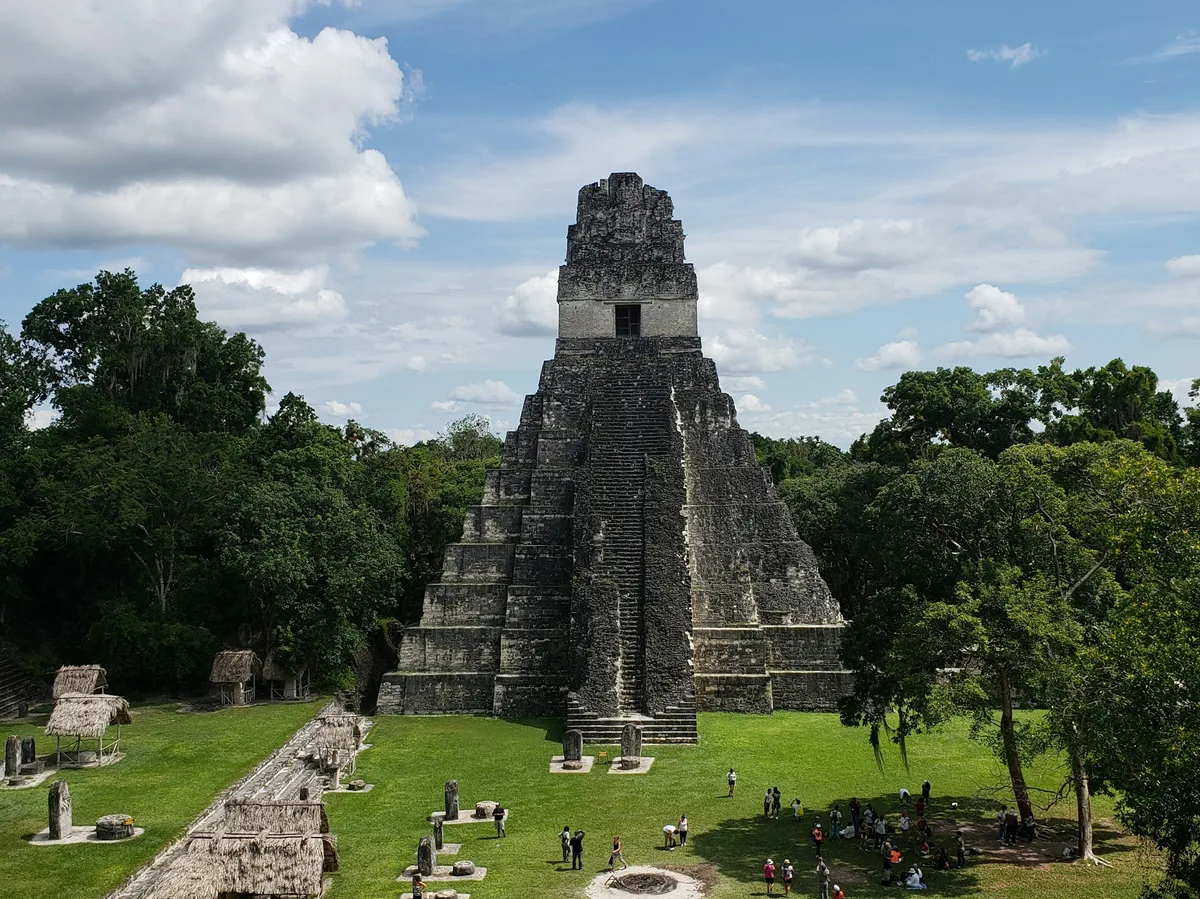
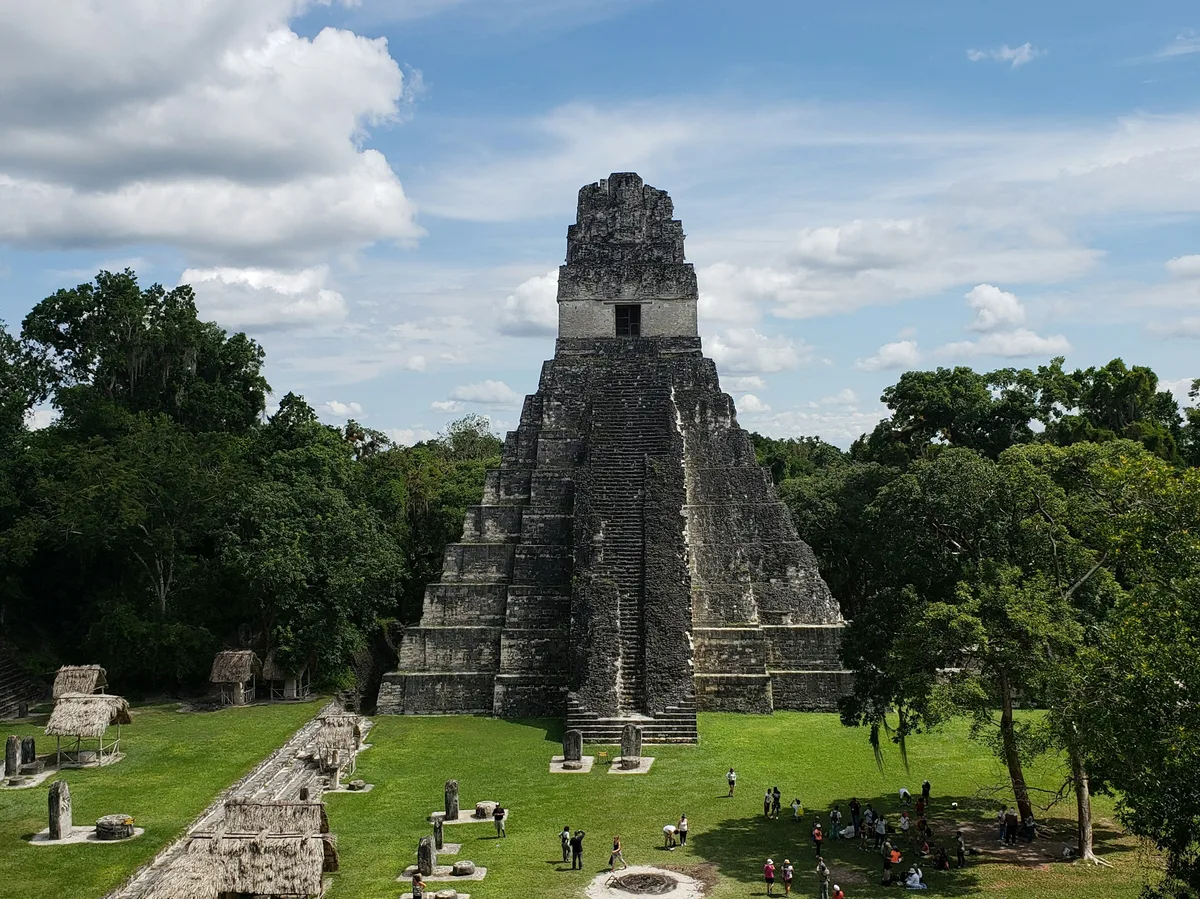
A UNESCO World Heritage Site and one of the largest excavated cities of the ancient Maya, with roughly 3,000 structures — including the 65-meter Temple of the Great Jaguar — rising from the Peten rainforest, home to spider monkeys, toucans, and howler monkeys.
 Multi-Day Tours
A 13-day private circuit through Guatemala's colonial towns, volcanoes, and Mayan ruins — Antigua, Lake Atitlan, Chichicastenango, Rio Dulce, and Tikal — with a one-night detour across the border to the Copan ruins in Honduras.
 Multi-Day Tours
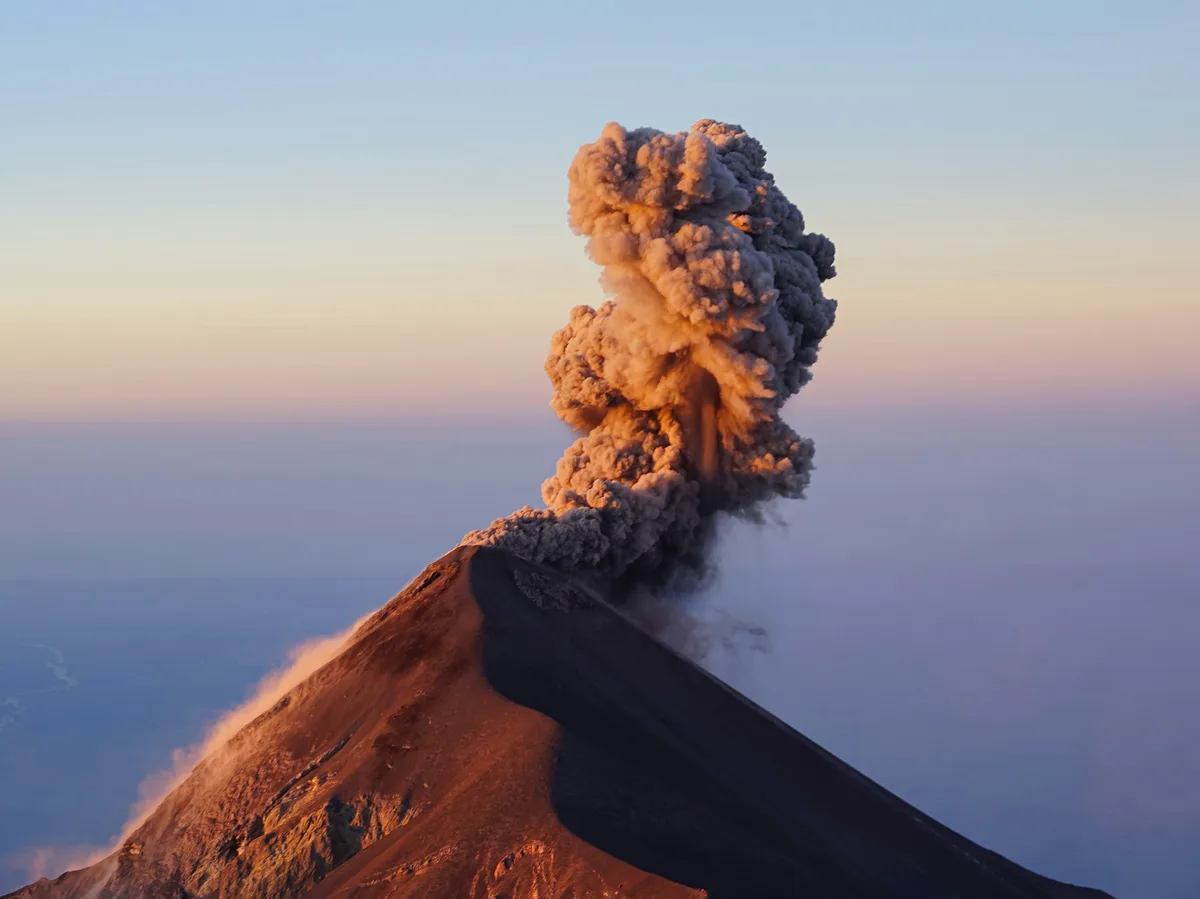
A 10-day private journey through Lake Atitlan's Mayan villages and colonial Antigua, building to an overnight camping ascent of Acatenango volcano to watch Fuego erupt, before finishing among the ancient temples of Tikal.
 Multi-Day Tours
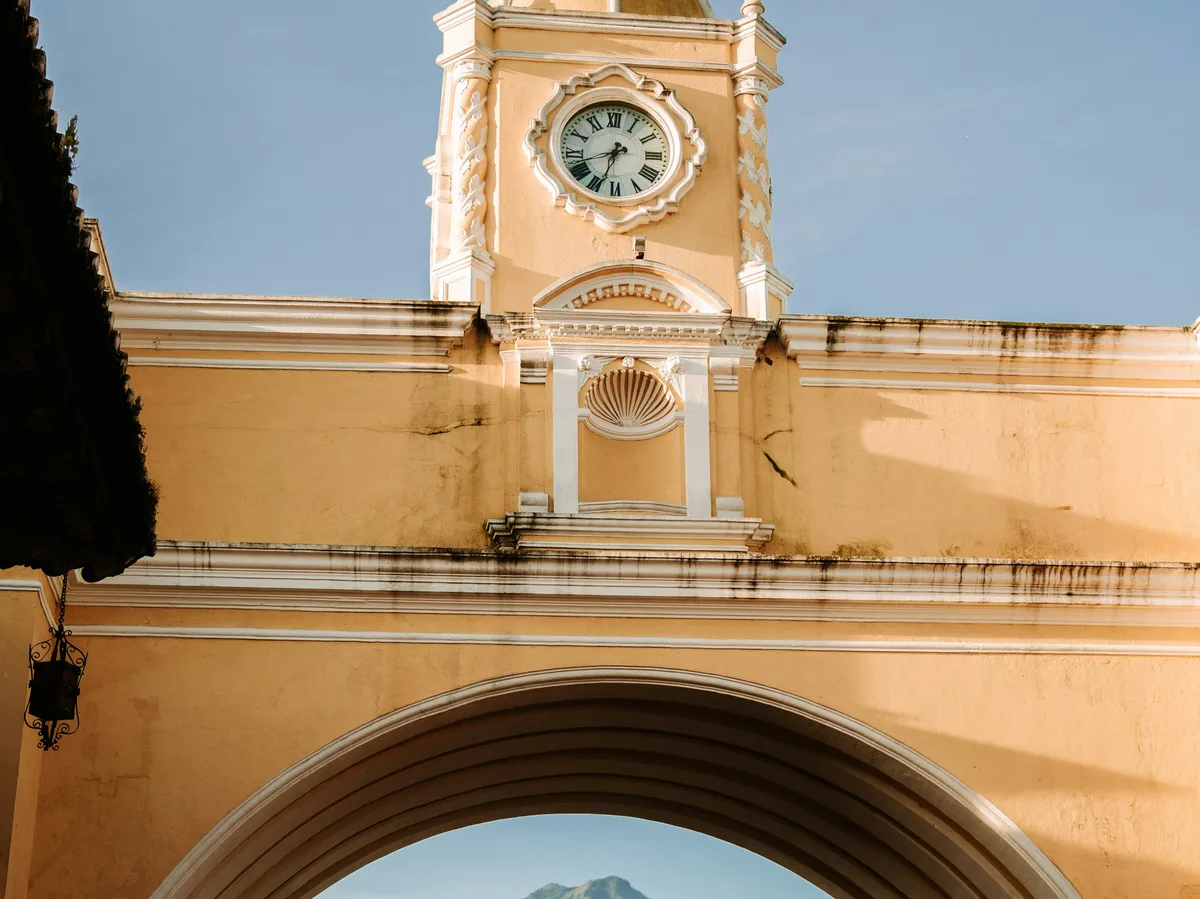
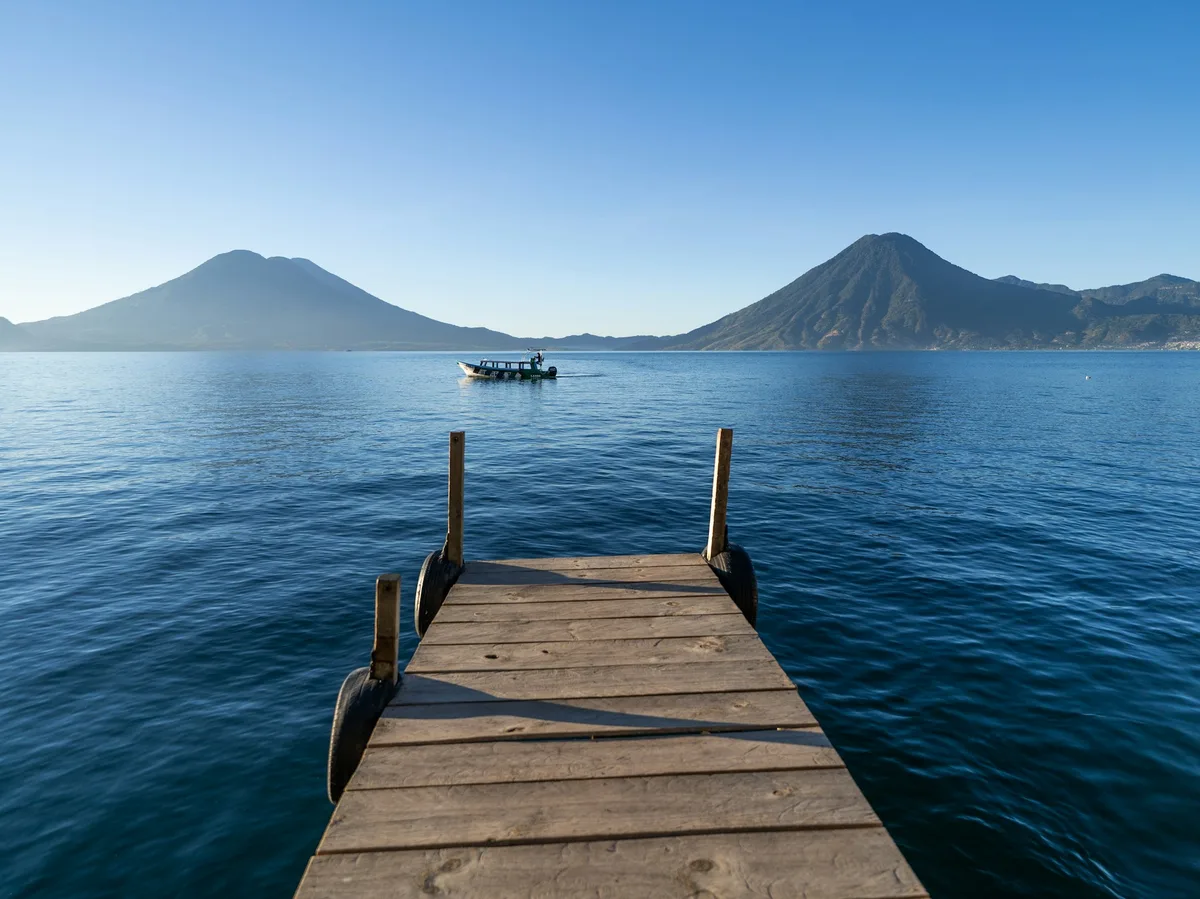
An 8-day private introduction to Guatemala in three parts — the colonial streets of Antigua, the Mayan villages of Lake Atitlan, and the jungle-clad ruins of Tikal and Yaxha in the Peten.
 Multi-Day Tours
A 12-day private family itinerary through Guatemala — a chocolate workshop in Antigua, a hike up Pacaya volcano, boat trips on Lake Atitlan, a swim in the Crater Azul cenote, Tikal's jungle canopy zipline, and a private cruise along the Rio Dulce.
 Multi-Day Tours
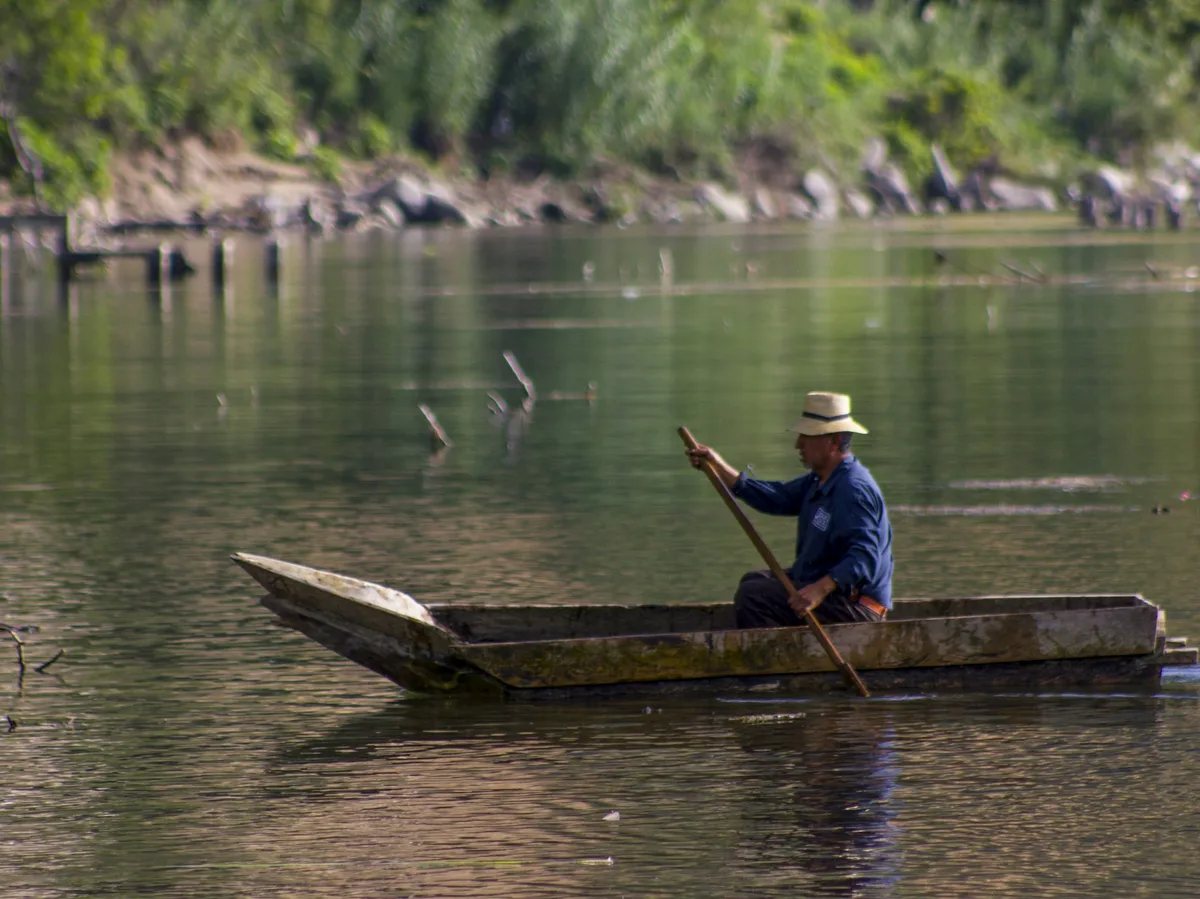
A 10-day private nature-focused route through Guatemala — the cloud forests of Biotopo del Quetzal, the Crater Azul cenote, Tikal and Quirigua's ruins, the Rio Dulce, Garifuna Livingston, and the Mayan villages of Lake Atitlan.
 Multi-Day Tours
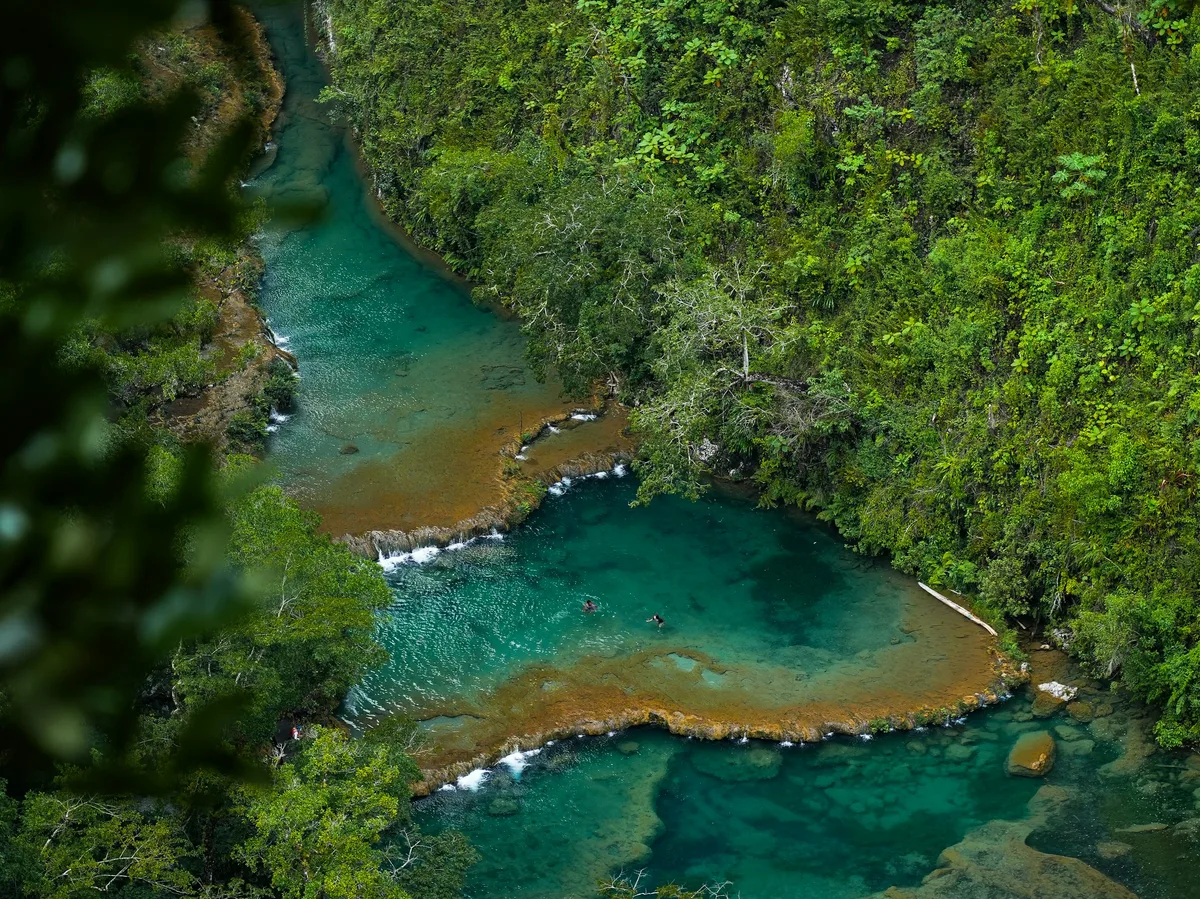
A 13-day private luxury circuit through Guatemala — Antigua and Lake Atitlan, the turquoise pools of Semuc Champey, the Candelaria Caves, the jungle fortress of Aguateca, Tikal, and a two-night eco-lodge stay on the Rio Dulce.
Visitor guide
Tikal National Park protects the ruins of a major Classic-period Maya city in the rainforest of the Petén Department in northern Guatemala. The city, probably called Yax Mutal in antiquity, is a UNESCO World Heritage Site inscribed in 1979, and the surrounding park is a mixed cultural and natural property set within the Maya Biosphere Reserve.
Tikal lies roughly 64 kilometres by road from Flores and Santa Elena and about 303 kilometres north of Guatemala City, according to Wikipedia. Monumental architecture there dates to the 4th century BC, and the main phase of construction began around 400 to 300 BC. A dynasty is traditionally said to have been founded by a ruler named Yax Ehb Xook, perhaps in the 1st century AD. The Classic-period peak is generally placed between about AD 200 and 900.
Inscriptions and archaeology record a turbulent political story. In AD 378 a figure named Siyaj K'ak', probably a foreign general with links to Teotihuacan, arrived, and a new ruler, Yax Nuun Ahiin I, was installed the following year. Tikal later fought a long rivalry with Calakmul and in AD 562 was defeated by an alliance of Calakmul and Caracol, which began a hiatus of roughly a century in monument building. The city recovered under Jasaw Chan K'awiil I, who is recorded as defeating Calakmul's forces in AD 695.
Tikal is known for steep limestone pyramids that rise above the forest canopy. Temple I, often called the Temple of the Great Jaguar, stands about 47 metres high and served as the funerary pyramid of Jasaw Chan K'awiil, who was entombed in AD 734. Temple II, the Temple of the Masks, rises to roughly 38 metres. Temple III, the Temple of the Jaguar Priest, is about 55 metres and is described as the last great pyramid built at the city, around AD 810.
Temple IV is the tallest at about 70 metres to the top of its roof comb, and Temple V reaches roughly 57 metres. Temple VI, the Temple of the Inscriptions, was dedicated in AD 766 and carries a long carved text. The North Acropolis, with its funerary pyramids such as Temple 33, shows how successive rulers built over earlier tombs. Heights vary slightly between sources, so figures are best treated as approximate.
The baktun ending of AD 830 apparently passed without the usual celebration, and the last monument at Tikal was erected in AD 869. Most of the population had left by the late 9th century and the city was nearly deserted after about AD 950. Proposed causes include overpopulation, agricultural failure, drought, and contamination of water reservoirs, and scholars still debate the relative weight of each. Population estimates for the city at its height range widely, from around 10,000 to 90,000 for the core, and some archaeologists consider the highest figures inflated.
Local people never entirely forgot the ruins. Modesto Mendez and Ambrosio Tut visited in 1848, and Alfred P. Maudslay surveyed the site in 1881 and 1882. The University of Pennsylvania's Tikal Project worked there from 1956 to 1970, mapping the city, restoring buildings and recording more than 200 monuments, and a Guatemalan government project followed from 1979 to 1984.
The national park was established on 26 May 1955 and covers about 570 square kilometres. Wikipedia describes it as the first protected area in Guatemala. Its forest holds kapok, tropical cedar and Honduras mahogany trees, and wildlife that includes spider and howler monkeys, coatis, agoutis, toucans, parrots and ocellated turkeys. Jaguars, ocelots and pumas are reported in the park, though they are rarely seen. Because the pyramids sit within continuous forest, a visit combines archaeology with birdwatching and, in the early morning, the sound of howler monkeys. A private guided visit suits the site well, since the plazas, causeways and temples are spread out over a large area.
See every tour and attraction we cover in Guatemala.