TorontoOntario · 36 tours
 Niagara FallsOntario · 25 tours
 New York CityNew York · 30 tours
 Las VegasNevada · 8 tours
 San FranciscoCalifornia · 16 tours
 VancouverBritish Columbia · 17 tours
 DubaiUAE · 54 tours
 Abu DhabiUAE · 5 tours
 Buenos AiresArgentina · 23 tours
 AthensGreece · 31 tours
 AucklandNew Zealand · 38 tours
 CancunMexico · 54 tours
No destinations match “”. Try searching all tours instead — that search understands full questions, not just place names.
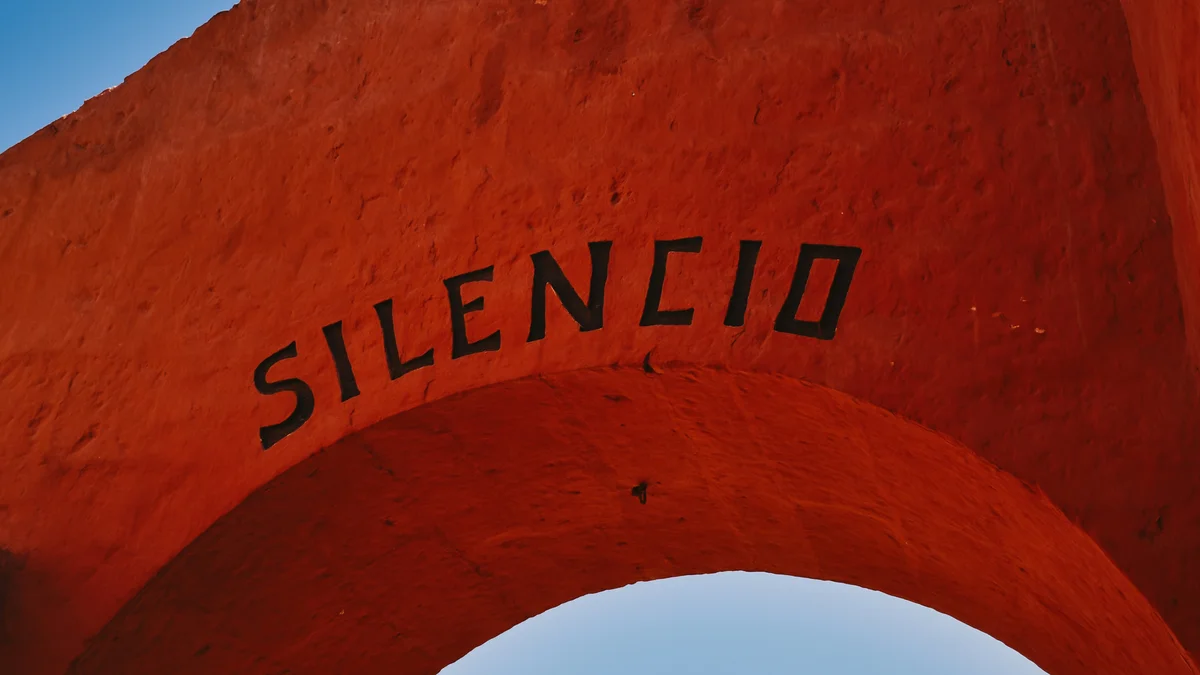
A walled colonial convent covering nearly an entire city block, founded in 1579 and closed to the outside world for almost 400 years until it opened to visitors in 1970. Its narrow cobbled streets and vividly painted cloisters, built from Arequipa's own white volcanic sillar stone, make it one of the most photographed religious sites in South America.
 Private Tours
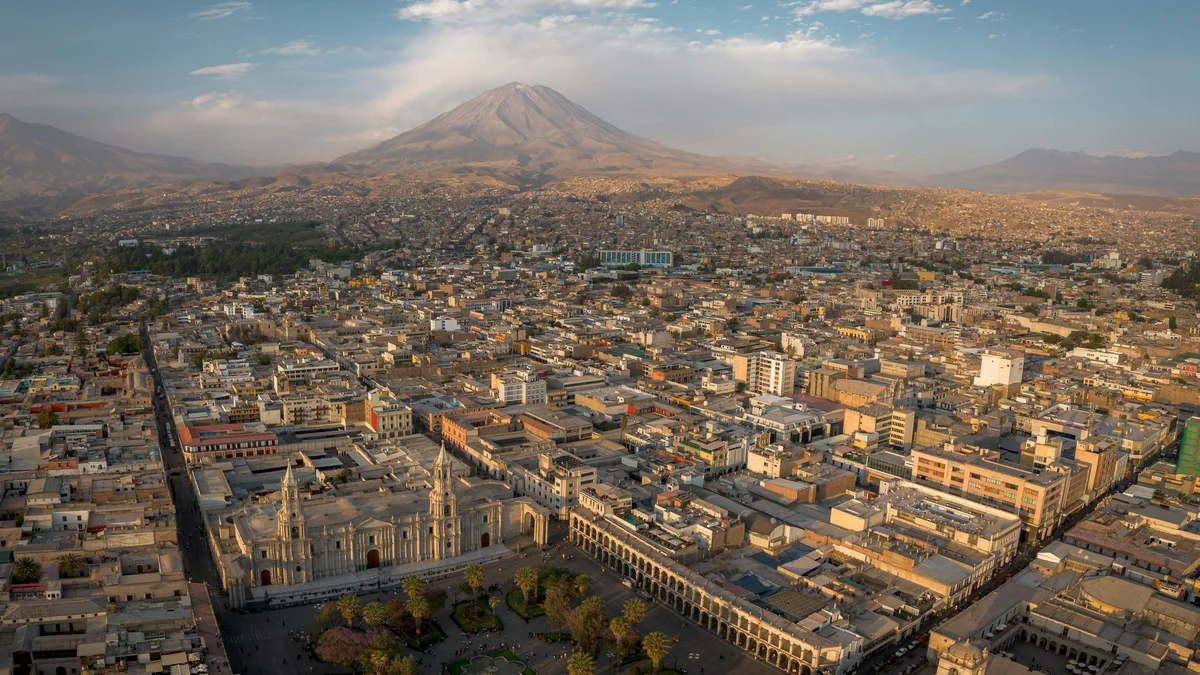
Skip a separate transfer entirely — your private guide meets you at the airport, then takes you straight into a private city tour of Yanahuara, Carmen Alto, and Santa Catalina Monastery.
 Private Tours
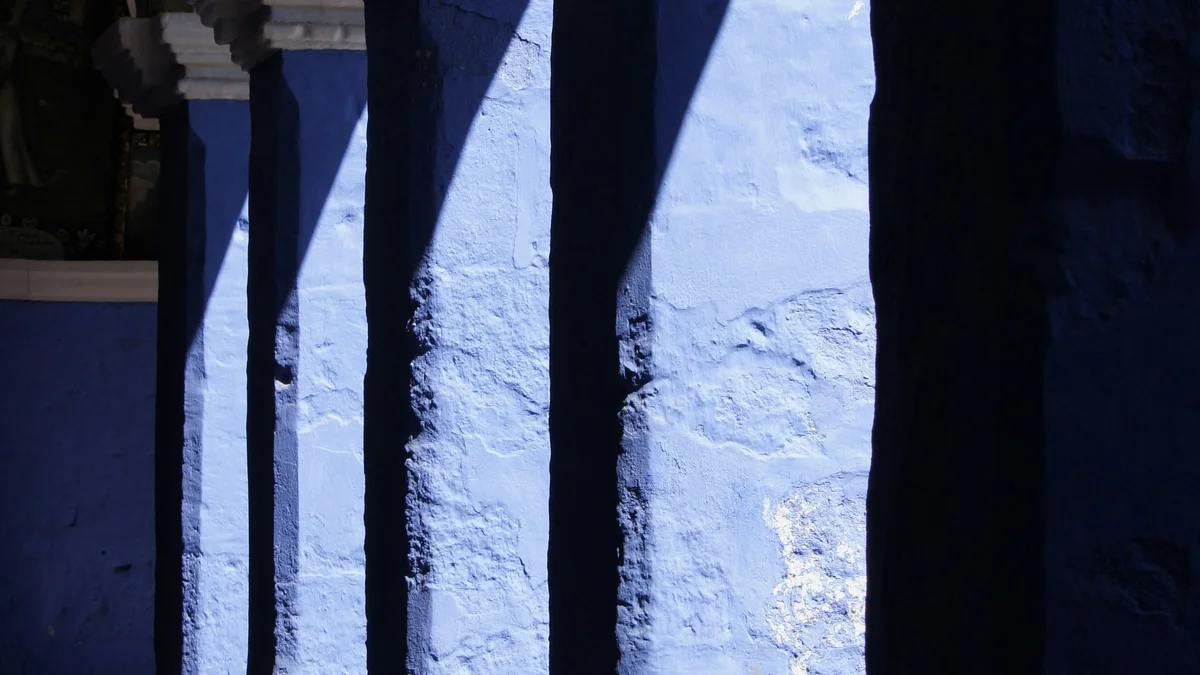
Explore Arequipa's colonial core at your own pace with a private guide, including entrance to the Santa Catalina Monastery and a private guide inside its cloisters.
 Private Tours
A private 5-hour city tour of Arequipa with a private guide and vehicle, visiting the Museum of Andean Sanctuaries (home to the Juanita mummy), Santa Catalina Monastery, and the colonial suburbs of Cayma, Yanahuara, and Sabandía.
Visitor guide
The Monastery of Santa Catalina de Siena is a Dominican convent in the historic centre of Arequipa, Peru. Walled off like a small city of narrow streets, it is part of the UNESCO World Heritage Site of the Historical Centre of the City of Arequipa.
According to Wikipedia, the monastery was consecrated in 1579 after Viceroy Francisco de Toledo granted the license for its foundation. Dona Maria de Guzman, widow of Diego Hernandez de Mendoza, gave up her assets to join the community under construction, and the foundation record, signed by the town council and others, named her first resident and prioress. The first building was completed on 2 October 1580, when a high mass was held. The article gives 10 September 1579 for the foundation record, while other sources give 15 August 1540 for the founding of the city itself.
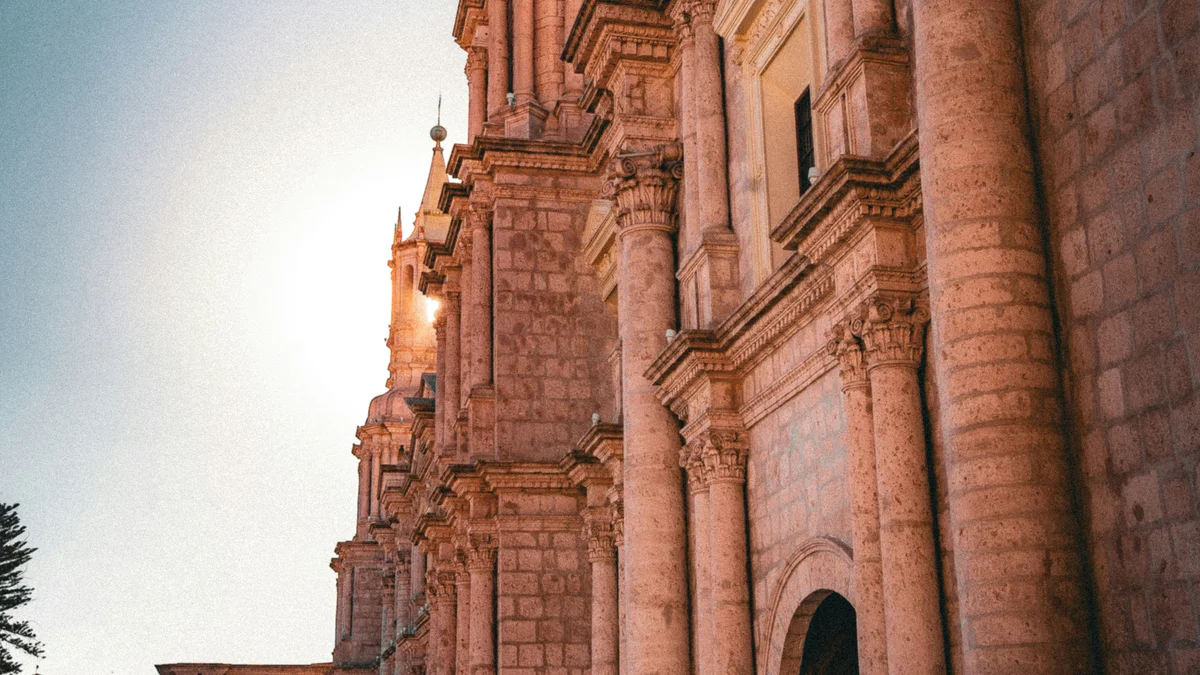
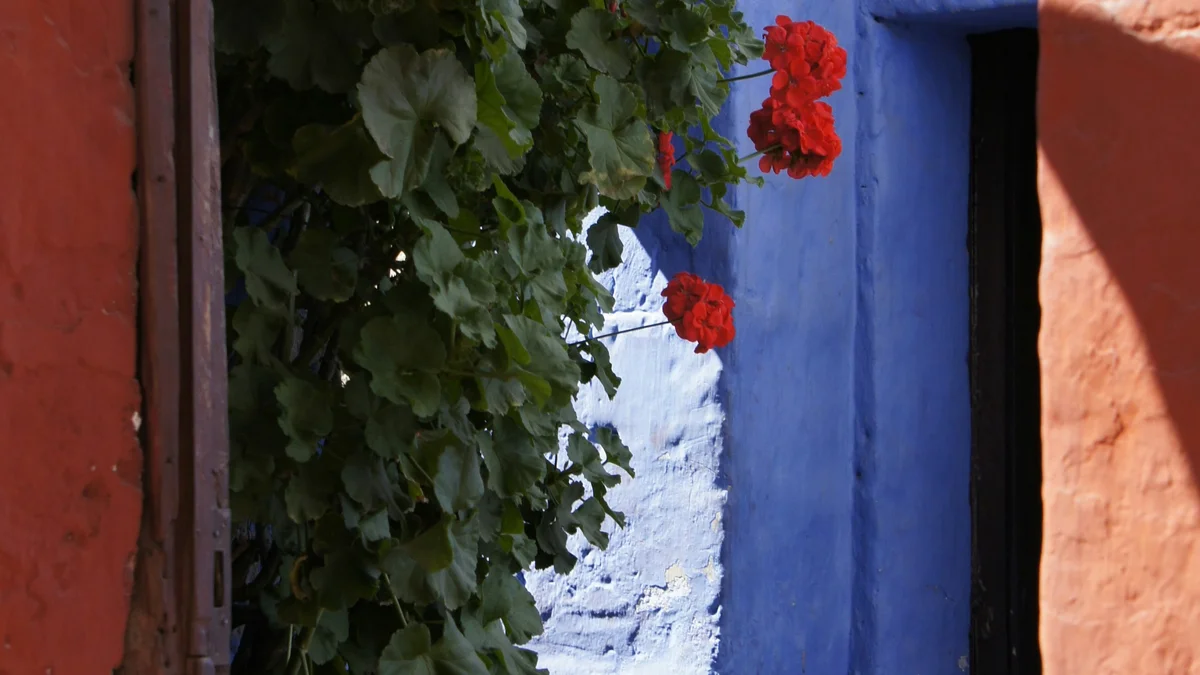
The complex covers about 20,000 square metres, and a wall about four metres high isolated the nuns' lives from the city even though the monastery sits in its heart. Inside, streets are narrow and winding, and small cloisters and courtyards are filled with colourful flowers and painted walls. Two types of volcanic tuff are used: white tuff from the Chachani volcano and pink tuff from the Misti, though the infobox calls the stone sillar. The entrance portal carries a relief of Saint Catherine of Siena, the monastery's patron, carved into the tuff wall.
Early members were mostly white criollas and mestizas from wealthy families, along with so-called poor nuns who entered without paying a dowry. By the middle of the eighteenth century the monastery housed more than 300 women in habit, plus servants. Earthquakes in 1600 and 1604 destroyed the first buildings, and the present complex dates mainly from the last third of the seventeenth century. Families built private cells for their daughters, which explains why some sectors are orderly and others irregular. In 1747 four nuns left to found the Santa Rosa monastery elsewhere in Arequipa. The monastery stayed closed behind a veil of silence until 1970, when much of it opened to the public. Nuns still live in the northern part of the complex.
The Cloister of the Orange Trees dates from 1738 and is named for its orange trees, and three crosses in its middle are part of a tradition in which nuns represent the Passion of Christ each Good Friday. The Major Cloister, built between 1715 and 1723, is the largest and surrounds 32 colonial paintings, 23 of them about the life of Mary. The Courtyard of Silence was where nuns prayed the Rosary in silence. The kitchen has a high domed ceiling and walls blackened by fires, and the laundry, built in 1770, has twenty large clay half-jars through which water ran along a central channel.
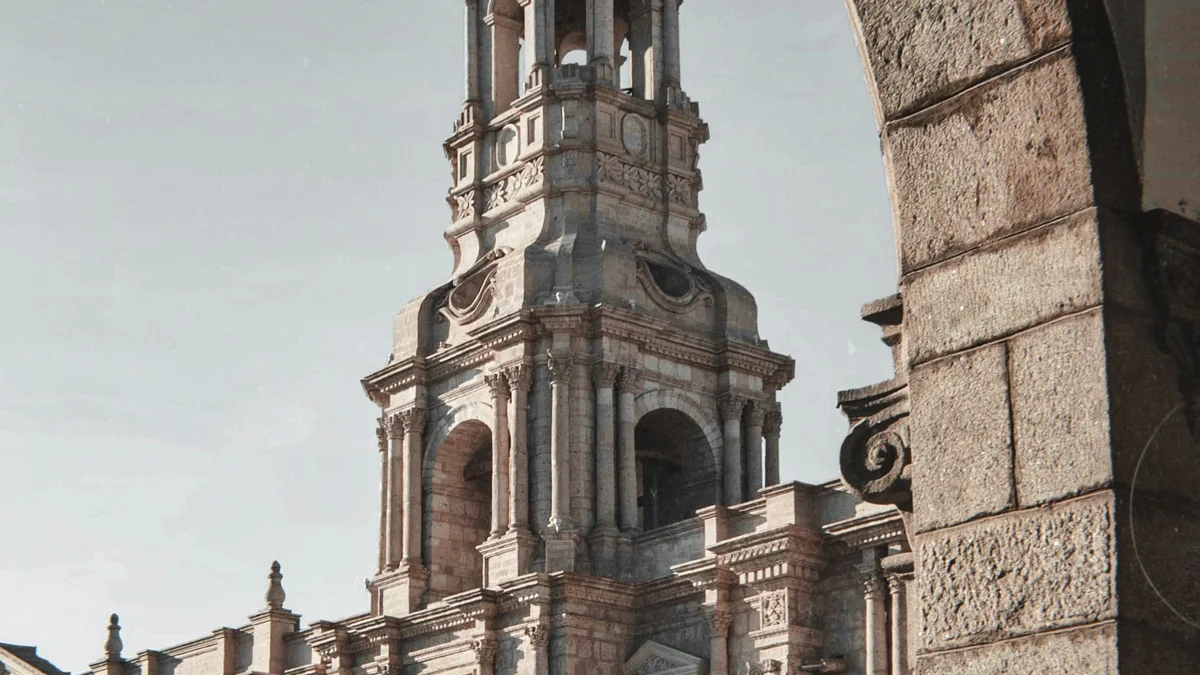
The church has a long nave and semicircular dome and a plan dating from about 1660. It has an altar of embossed silver and an altar dedicated to Blessed Sister Ana of the Angels Monteagudo, a nun beatified for her conventual life. The bell tower was built in 1748 and has bells facing the surrounding streets. Wikipedia adds that an art gallery holds roughly 400 colonial pieces, including works of the Cusco School.
The monastery appears in the second half of Michele Lovric's novel The Book of Human Skin, and the travel writer Patrick Leigh Fermor visited in 1971 and wrote about it. The site has uneven floors and is best explored slowly, and a private guided visit with a driver and guide helps a group make sense of the layout.
See every tour and attraction we cover in Arequipa.