TorontoOntario · 36 tours
 Niagara FallsOntario · 25 tours
 New York CityNew York · 30 tours
 Las VegasNevada · 8 tours
 San FranciscoCalifornia · 16 tours
 VancouverBritish Columbia · 17 tours
 DubaiUAE · 54 tours
 Abu DhabiUAE · 5 tours
 Buenos AiresArgentina · 23 tours
 AthensGreece · 31 tours
 AucklandNew Zealand · 38 tours
 CancunMexico · 54 tours
No destinations match “”. Try searching all tours instead — that search understands full questions, not just place names.
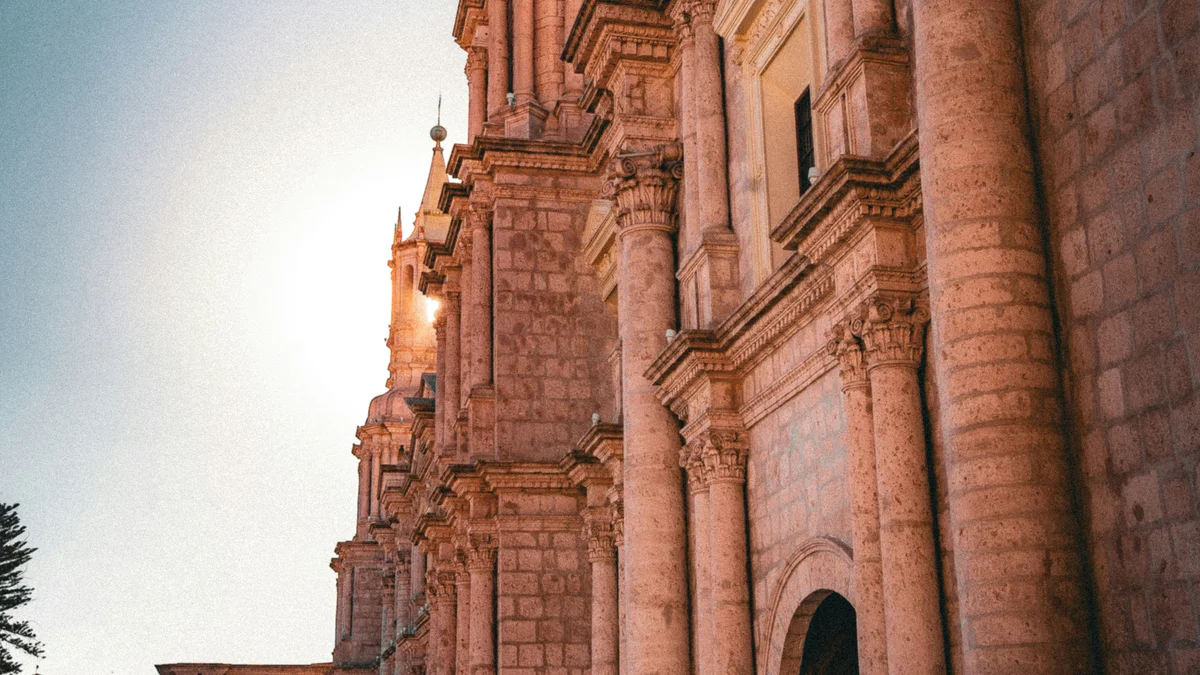
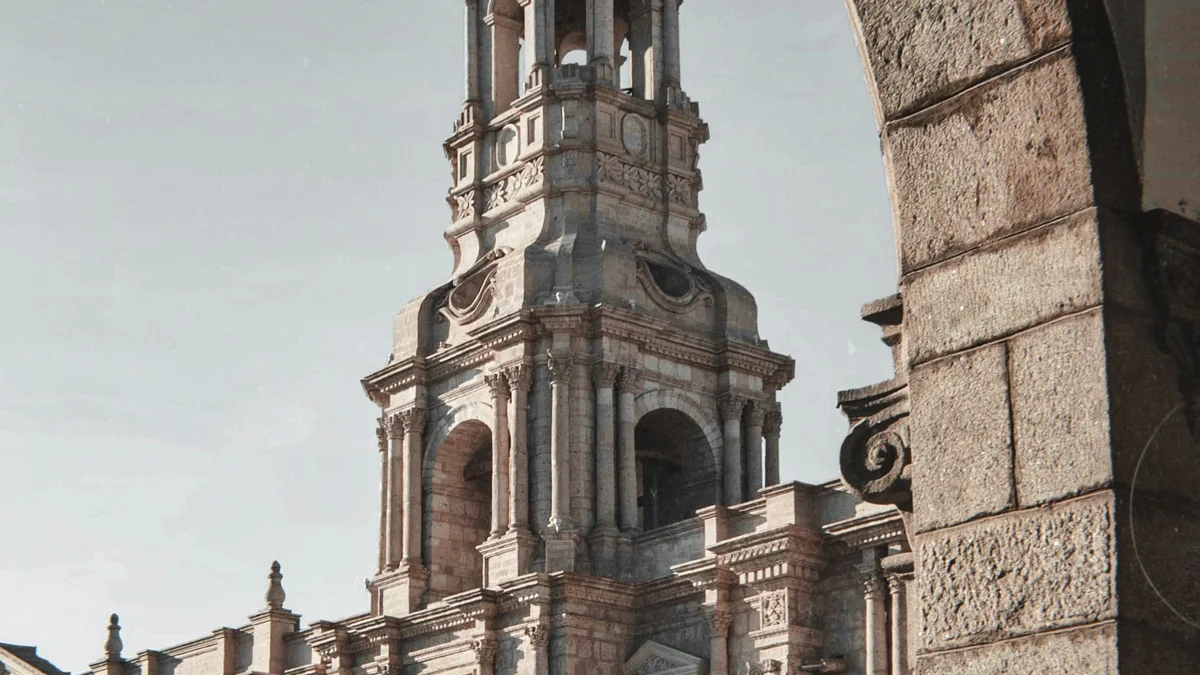
The city's central square, framed by the twin-towered Basílica Cathedral and colonial arcades carved from sillar stone. Part of Arequipa's UNESCO World Heritage-listed historic center, it remains the natural starting point for exploring the White City on foot.
 Private Tours
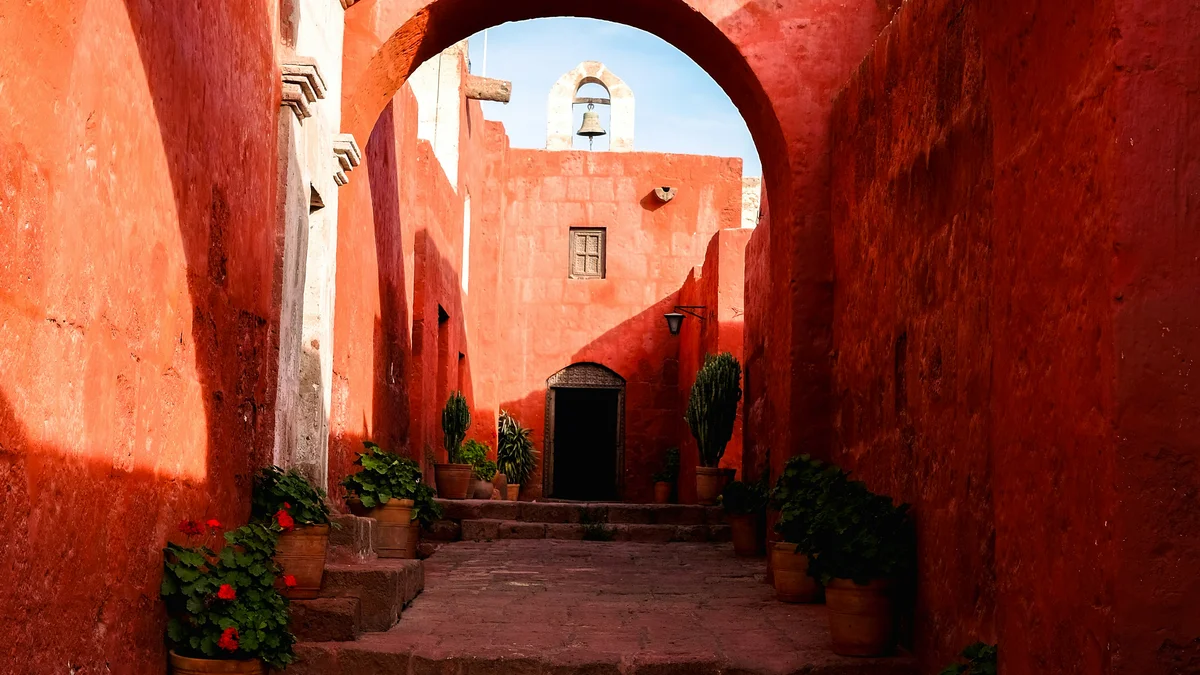
An intimate private walking tour through Arequipa's historic center, reaching private colonial properties and courtyards not normally open to the public, with entry tickets included.
 Private Tours
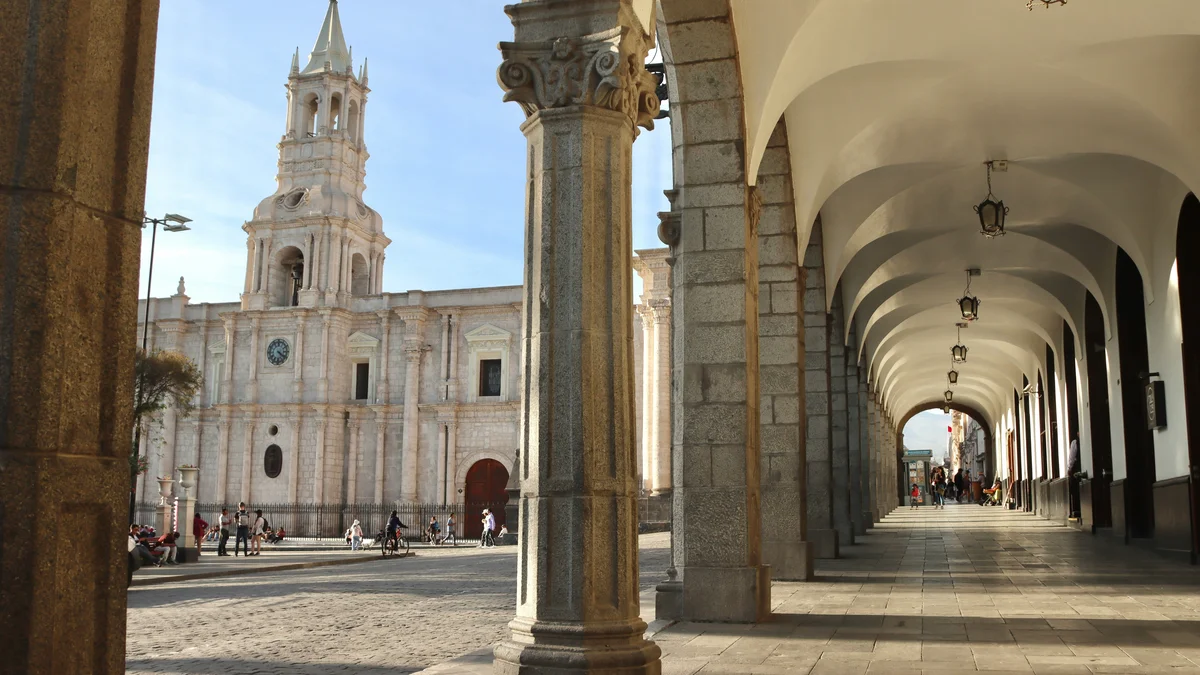
A private tour through Arequipa's city center — Plaza de Armas, the Church of Compañía de Jesús, and Tristán del Pozo — before heading out along the Sillar Route to the Añashuayco quarries and the pink canyons of Uchumayo.
Visitor guide
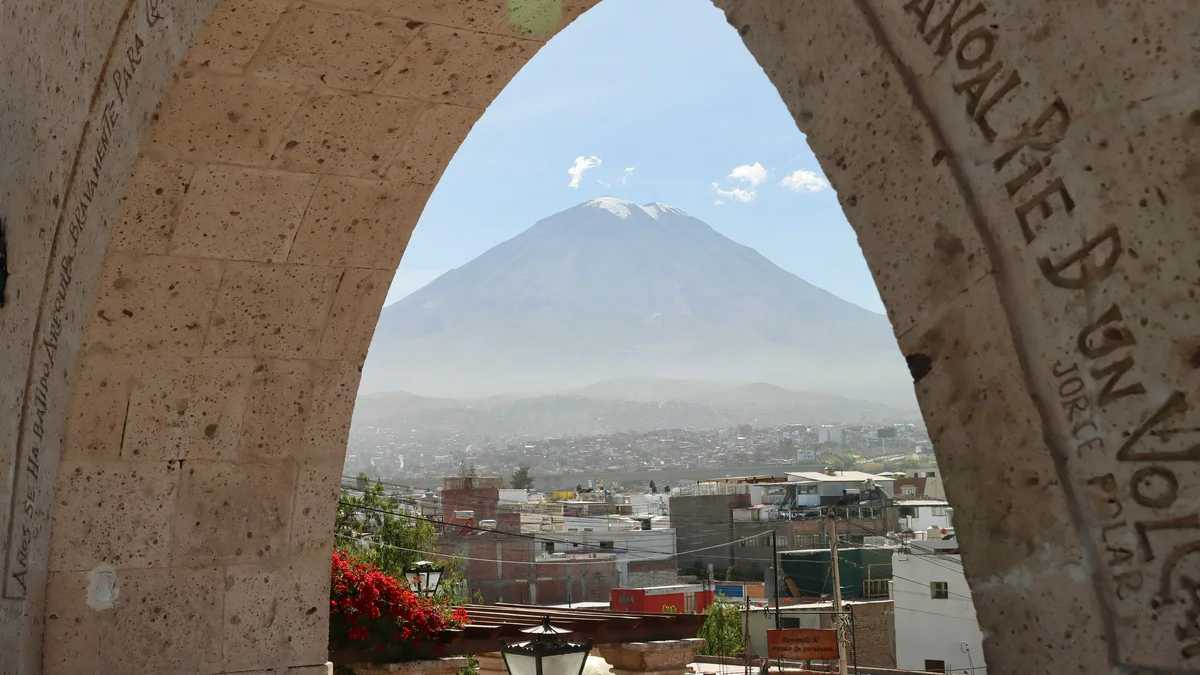
The Plaza de Armas of Arequipa is the main square of the historic centre of Arequipa, Peru's second-largest city, set in the southern Andes. Spanish-language Wikipedia calls it one of the city's principal public spaces and its founding place. The Cathedral of Arequipa fills the north side, arcades line the other sides, and the Misti volcano rises behind. The square lies within the UNESCO-listed historic centre.
Wikipedia records that Arequipa was founded on 15 August 1540 by Garci Manuel de Carbajal in the valley of the Chili River, and that the Plaza de Armas began to be built with the city. As in other Spanish colonial towns, the founders laid out a grid around a central plaza. According to the Spanish article, Emperor Charles V raised the town to the rank of city by royal decree on 22 September 1541.
The square is bordered by the cathedral on the north, by arcaded portals named for San Agustin on the east, the municipality on the southeast and Las Flores on the west, and by the churches of La Compania and La Merced on the south side. A bronze fountain stands in the centre. Many colonial buildings in Arequipa are built from sillar, a light volcanic stone that gave the city its nickname, the White City, and it is soft enough to carve and pale in colour, giving the square a uniform appearance against the volcanoes.
The Basilica Cathedral of Arequipa occupies the whole north side of the square. Wikipedia says the church was begun soon after the founding, with contracts signed in 1544, and that earthquakes in 1583 and the 1600 eruption of the Huaynaputina volcano damaged early construction. A first cathedral was completed in 1656, and later earthquakes in 1687 and 1784 caused further damage. In 1844 a fire destroyed parts of the church, along with paintings, sculptures and furnishings, and the present building largely results from the reconstruction led by Bishop Jose Sebastian de Goyeneche y Barreda, with the architect Lucas Poblete, in a neoclassical style. The Spanish article describes a facade of seventy columns with Corinthian capitals and an interior fitted with imported pieces including a Belgian organ, as the English article records, and an English-made tower clock.
The 2001 southern Peru earthquake collapsed part of the left tower, and the cathedral and plaza were reopened in 2002 after repairs, according to the Spanish article.
Three large arcades frame the east, south and west sides. The Spanish article says they once housed the colonial town council and now house the municipality, that they are in a neo-Renaissance style and built of granite, and that they sheltered the prison and the royal treasury. Until the twentieth century awnings were raised beneath them for the Indigenous market, known as the ccatu. The square also saw proclamations, bullfights, processions and public executions. Today the arcades hold shops, restaurants and cafes.
At the centre stands a bronze fountain topped by a small copper figure holding a trumpet, known as Tuturutu. According to the Spanish article, one account describes it as a sixteenth-century soldier, the historian Ventura Travada y Cordova called it an angel, and a legend recorded by the local historian Manuel Huanqui Hurtado makes it a messenger of the Inca Mayta Capac whose trumpet call announced arriving goods. The figure is said once to have had wings. These are traditions rather than established history.
The plaza is a flat, walkable starting point for the historic centre, and a private guided visit can link it with the nearby Santa Catalina Monastery and the Jesuit church.
See every tour and attraction we cover in Arequipa.