TorontoOntario · 36 tours
 Niagara FallsOntario · 25 tours
 New York CityNew York · 30 tours
 Las VegasNevada · 8 tours
 San FranciscoCalifornia · 16 tours
 VancouverBritish Columbia · 17 tours
 DubaiUAE · 54 tours
 Abu DhabiUAE · 5 tours
 Buenos AiresArgentina · 23 tours
 AthensGreece · 31 tours
 AucklandNew Zealand · 38 tours
 CancunMexico · 54 tours
No destinations match “”. Try searching all tours instead — that search understands full questions, not just place names.
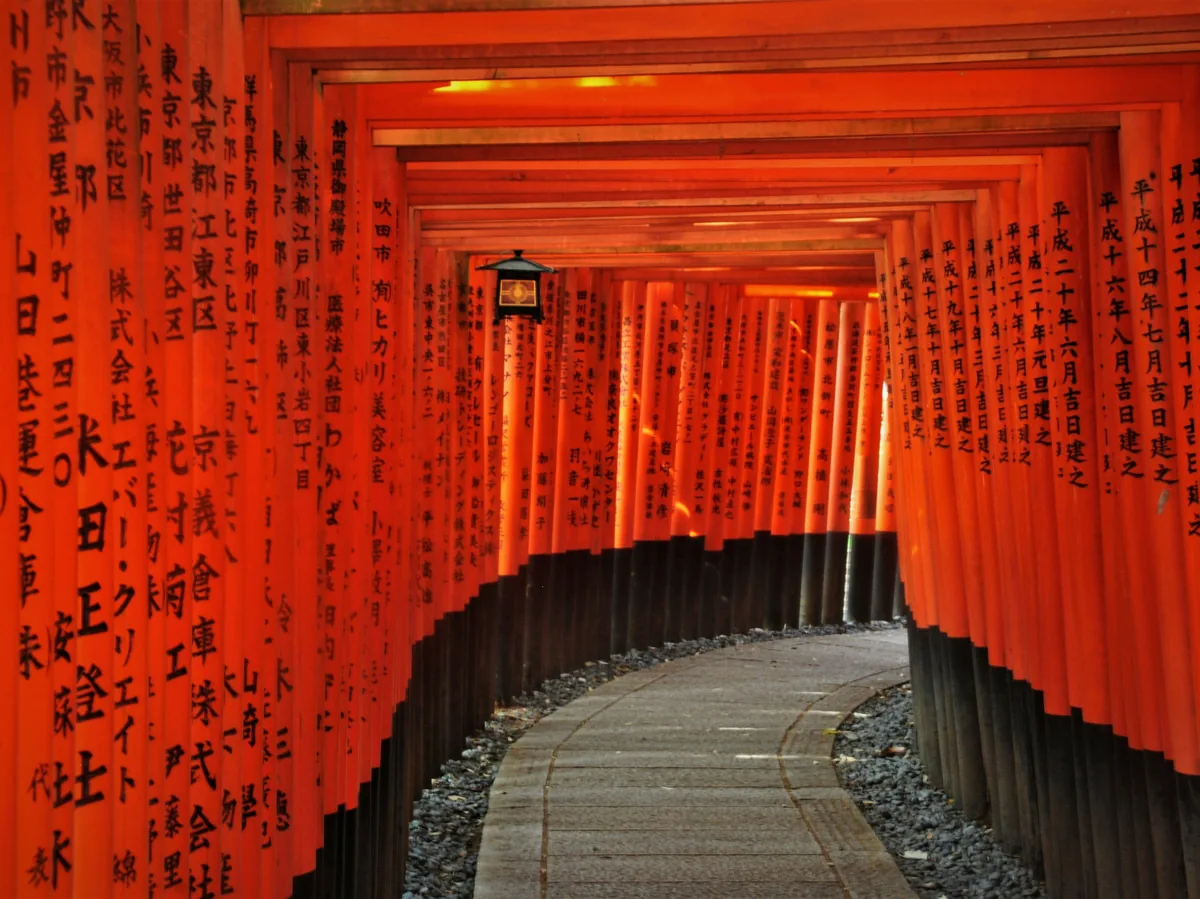
Thousands of vermilion torii gates climb the forested slopes of Mount Inari in Kyoto, forming one of Japan's most photographed pilgrimage trails.
 Multi-Day Tours
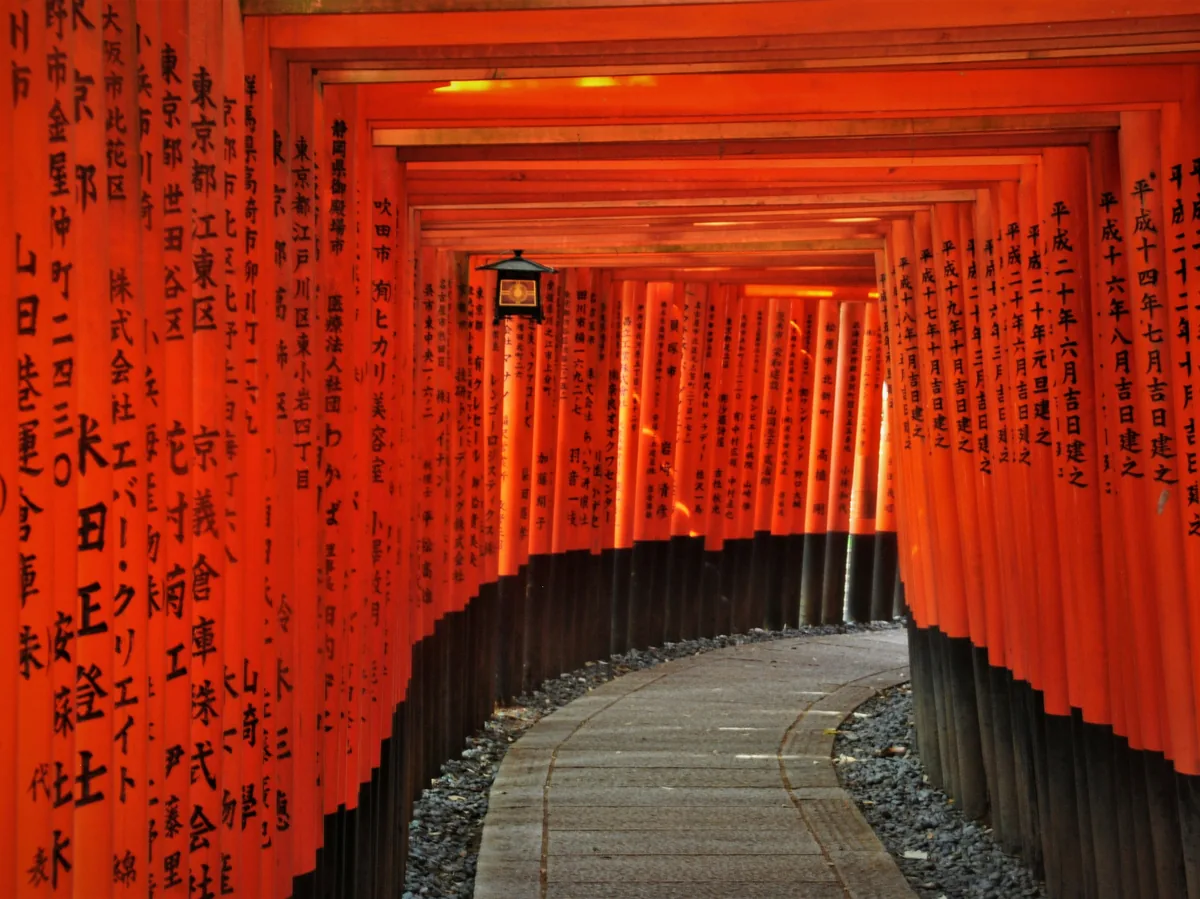
A two-country journey that opens in Seoul and Busan, South Korea, then crosses into Japan for Kyoto's temples, a kimono tea ceremony, and Tokyo's Shibuya Crossing with a Mount Fuji day trip.
 Multi-Day Tours
A 12-day route from Tokyo's neighborhoods and teamLab Borderless, through Hakone's Mount Fuji views, into Kyoto's temples, Nara's deer, Hiroshima's Peace Memorial, and Osaka's street food.
 Multi-Day Tours
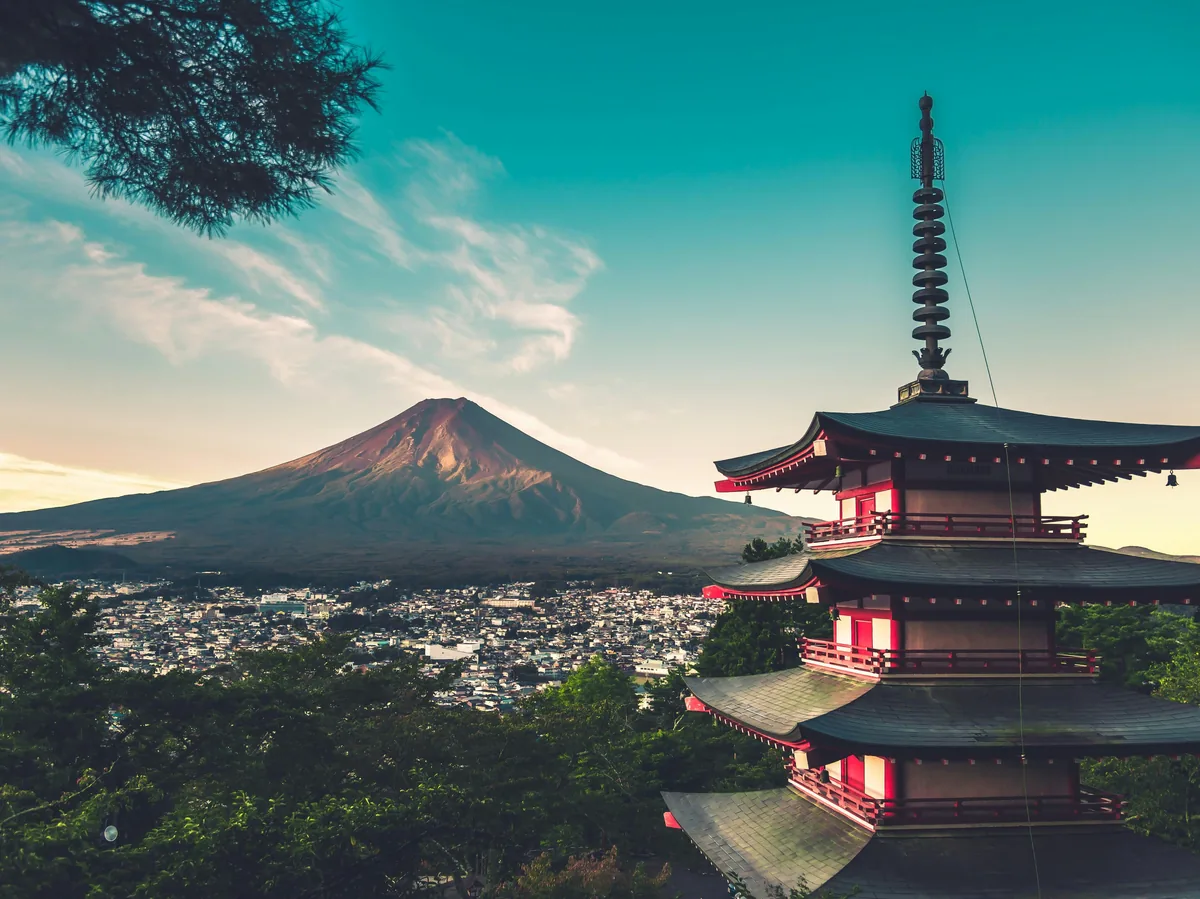
A 10-day family itinerary from Tokyo's kawaii culture and Mount Fuji views to a ninja and samurai experience in Kyoto, Hiroshima's Peace Memorial, and a full day at Universal Studios Japan in Osaka.
 Multi-Day Tours
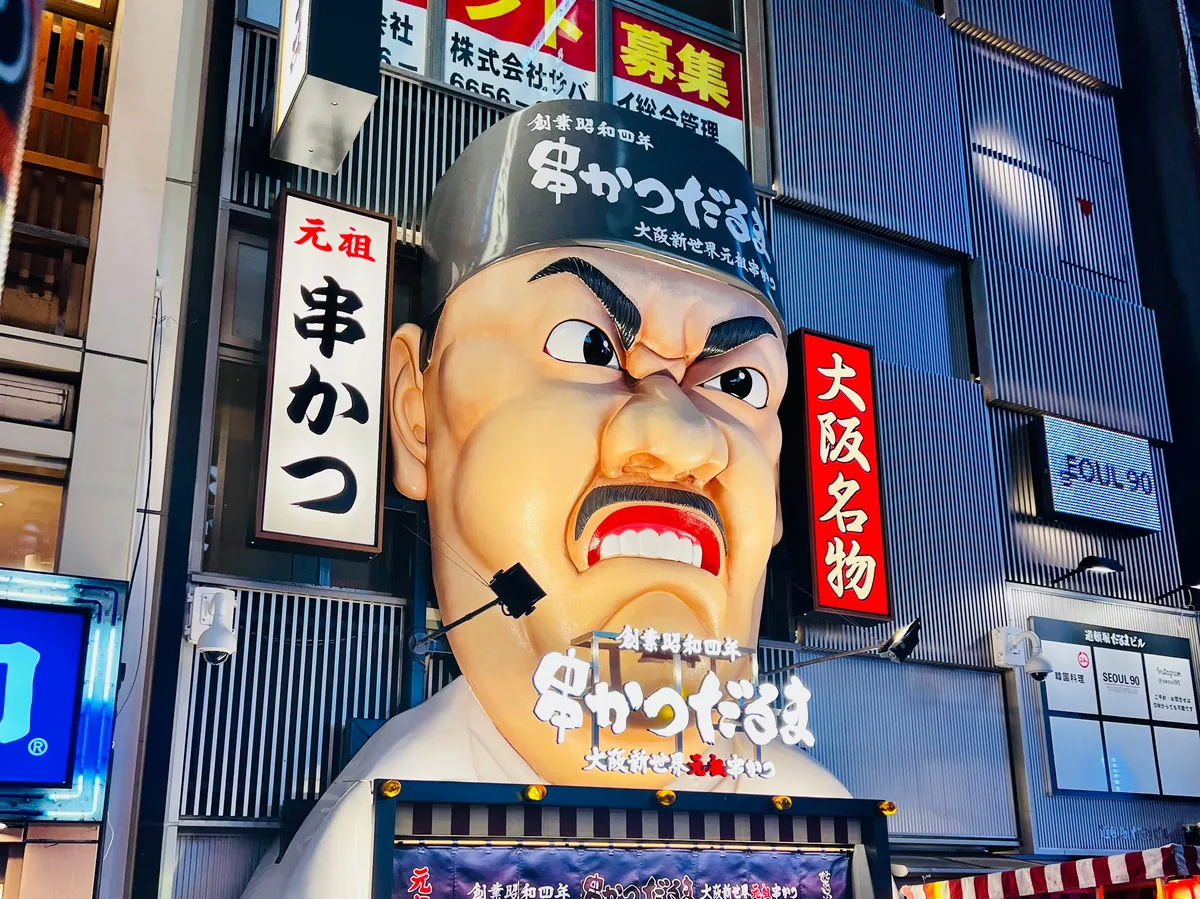
A 10-day food-focused route from Tokyo's Tsukiji Fish Market and a sushi-making class, through a kimono tea ceremony and grand tour of Kyoto, to Kobe beef, sake tasting, and Osaka's Dotonbori food crawl.
Visitor guide
Fushimi Inari Taisha is the head shrine of the kami Inari, located in Fushimi Ward in the south of Kyoto, Japan. It is best known for the thousands of vermilion torii gates that line the paths up its wooded hillside, Mount Inari. The shrine is one of the most widely visited sacred sites in western Japan.
According to Wikipedia, the shrine's foundation is traditionally dated to 711 CE, and it is associated with the Hata clan, an influential group of immigrants from the Korean Peninsula who settled in Yamashiro Province. Historical and genealogical records suggest the clan brought advanced skills in irrigation, silk production and sake brewing, which helped link the shrine to agriculture and prosperity. The Yamashiro-no-kuni Fudoki credits the shrine's establishment to Hata no Irogu.
A well-known legend, and it should be read as legend, tells how Irogu shot an arrow at a rice cake that turned into a white bird and flew to the summit of Mount Inari. Rice is said to have grown where the bird landed, and Irogu enshrined the deity there. Sources note that the shrine was relocated in 816 at the request of the monk Kukai, and that the main shrine structure dates to 1499. It is unclear whether the mountain or the shrine received the name Inari first.
Inari was originally, and remains primarily, the kami of rice and agriculture, although merchants also worship Inari as a patron of business. Foxes, known as kitsune, are regarded as Inari's messengers and appear throughout the grounds as stone statues. Many of them hold a key in their mouths, which is described as the key to the rice granary.
The shrine received imperial patronage during the early Heian period. From 1871 through 1946 it was officially ranked among the Kanpei-taisha, the first rank of government-supported shrines. Because of the popularity of dividing and re-enshrining Inari, Inari shrines across Japan are said to number around 30,000, with Fushimi Inari Taisha as the head shrine. Unlike most Shinto shrines, Inari shrines of this type keep an open view of the main object of worship, a mirror.
The shrine is said to have around 10,000 torii in total, each donated by a Japanese business or individual. The custom of donating a torii began to spread in the Edo period, either to ask for a wish to come true or in gratitude for one that did. Roughly 800 of the gates are set in a row along the main path to form the Senbon Torii, meaning thousand torii, which creates the impression of a tunnel of vermilion.
At the foot of the hill stand the tower gate, or romon, and the main hall, known as the honden. Behind them a path lined with torii leads to the inner shrine, the okumiya, in the middle of the mountain. Higher up are tens of thousands of small stone altars called otsuka, set up by worshippers, many carved with a personal name for Inari. The trails to the many smaller shrines on the mountain span about 4 kilometres and take roughly two hours to walk up, according to Wikipedia. The mountain itself rises to 233 metres above sea level.
The shrine draws several million worshippers over the Japanese New Year; Wikipedia cites a police figure of 2.69 million for the three days in 2006, the most in western Japan. Along the approach, sweet shops sell tsujiura senbei, a form of fortune cookie that dates back at least to the 19th century and which some believe to be the origin of the American fortune cookie.
The shrine is also known in popular culture. The Nintendo designer Shigeru Miyamoto, whose company's Kyoto campus is within walking distance, is said to have drawn inspiration from the shrine for the Star Fox series.
The shrine sits just outside Inari Station on the JR Nara Line, a short ride from Kyoto Station, and a short walk from Fushimi-Inari Station on the Keihan line. Wikipedia notes that the approach and main hall are lit at night. Walking part or all of the mountain trail gives a very different atmosphere from the busy lower gates, with quieter stretches, small tea houses and views back over Kyoto. A private guided visit suits the shrine well, because a guide can explain the symbolism of the gates, foxes and altars as you climb.
See every tour and attraction we cover in Japan.