TorontoOntario · 36 tours
 Niagara FallsOntario · 25 tours
 New York CityNew York · 30 tours
 Las VegasNevada · 8 tours
 San FranciscoCalifornia · 16 tours
 VancouverBritish Columbia · 17 tours
 DubaiUAE · 54 tours
 Abu DhabiUAE · 5 tours
 Buenos AiresArgentina · 23 tours
 AthensGreece · 31 tours
 AucklandNew Zealand · 38 tours
 CancunMexico · 54 tours
No destinations match “”. Try searching all tours instead — that search understands full questions, not just place names.
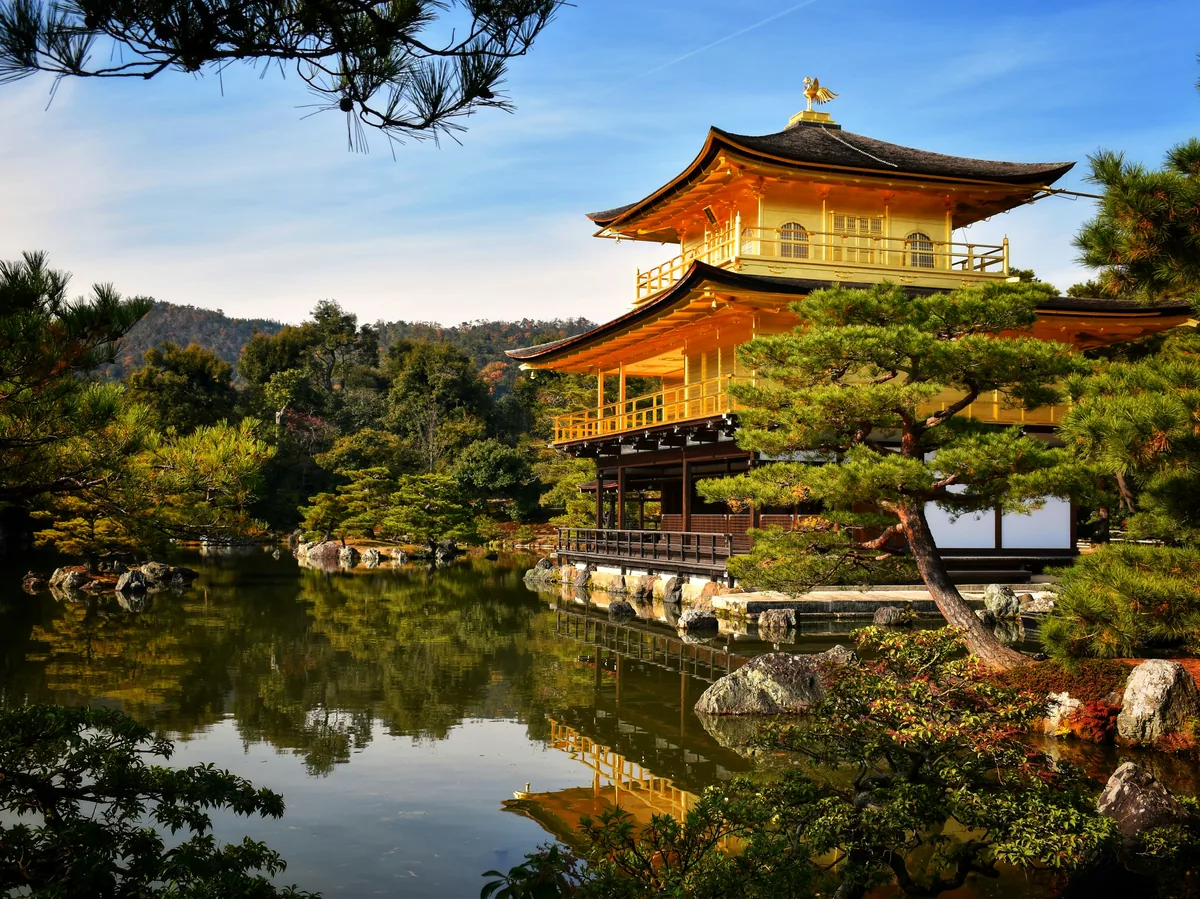
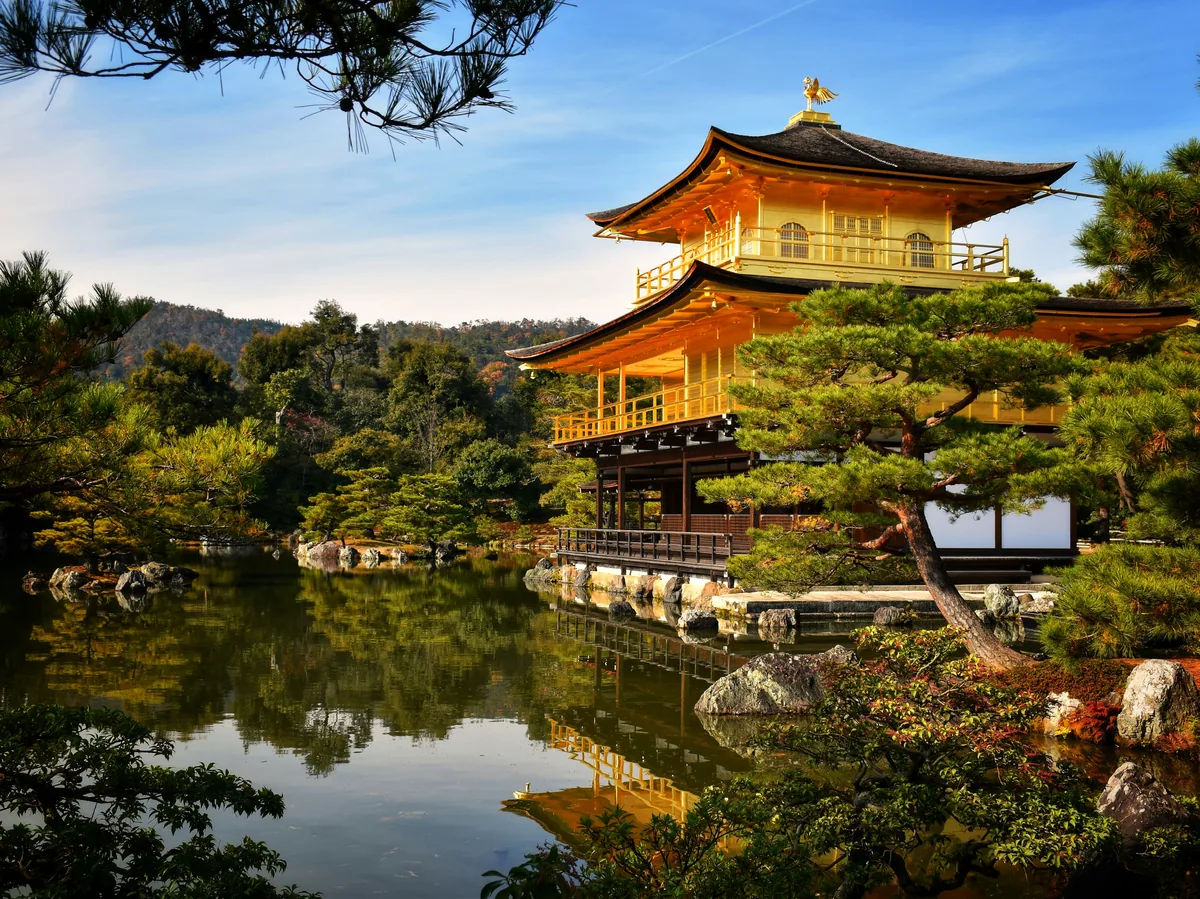
A gold-leafed Zen Buddhist temple reflected in its still pond in Kyoto's Kita-ku district, one of Japan's most recognizable UNESCO World Heritage sites.
 Multi-Day Tours
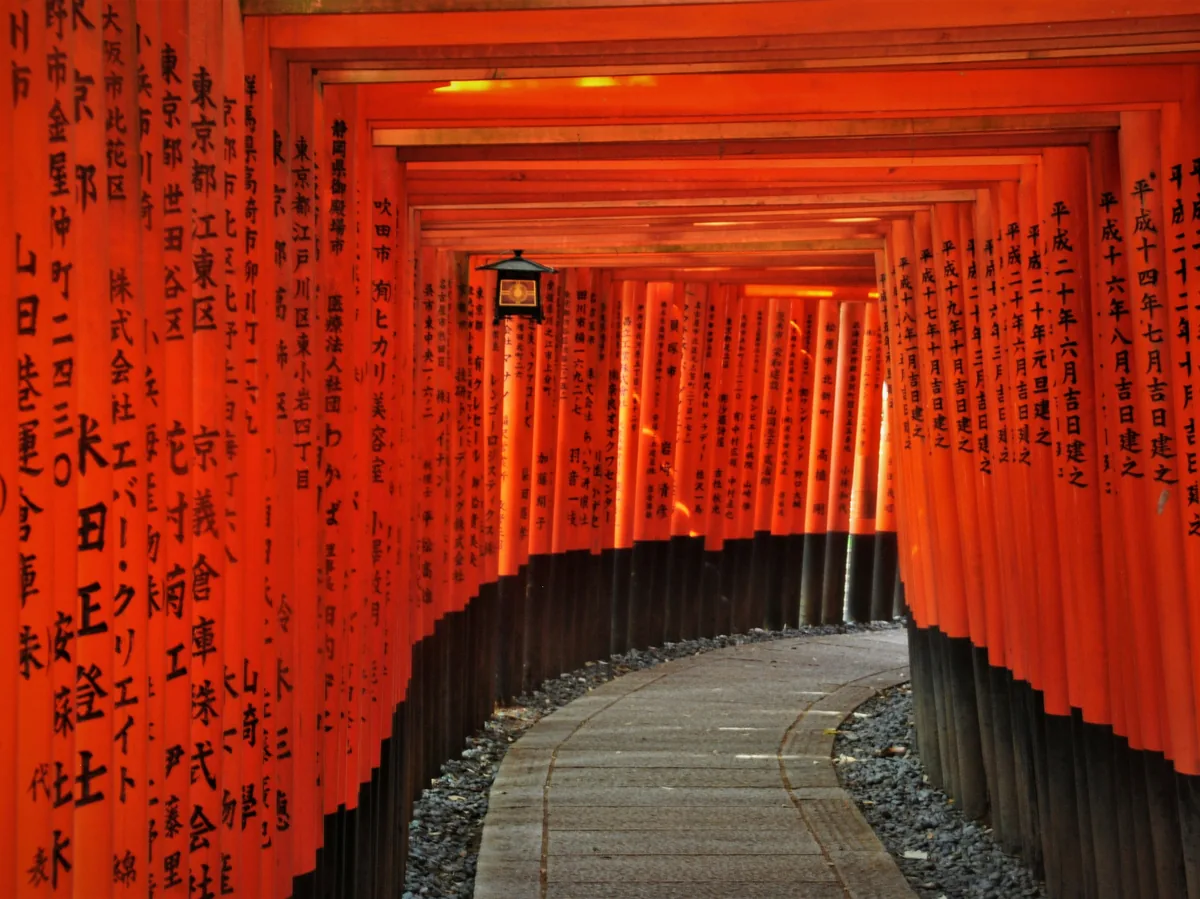
A two-country journey that opens in Seoul and Busan, South Korea, then crosses into Japan for Kyoto's temples, a kimono tea ceremony, and Tokyo's Shibuya Crossing with a Mount Fuji day trip.
 Multi-Day Tours
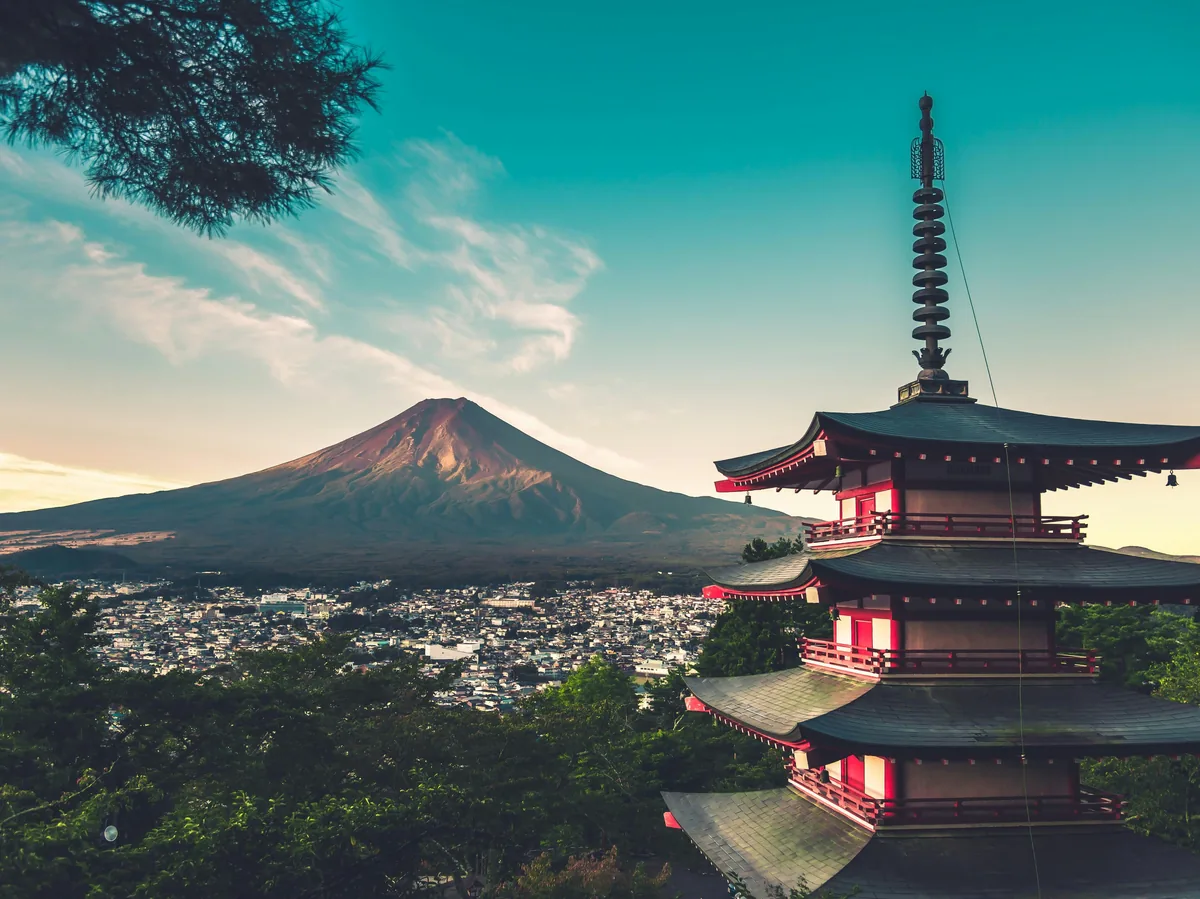
A 10-day family itinerary from Tokyo's kawaii culture and Mount Fuji views to a ninja and samurai experience in Kyoto, Hiroshima's Peace Memorial, and a full day at Universal Studios Japan in Osaka.
 Multi-Day Tours
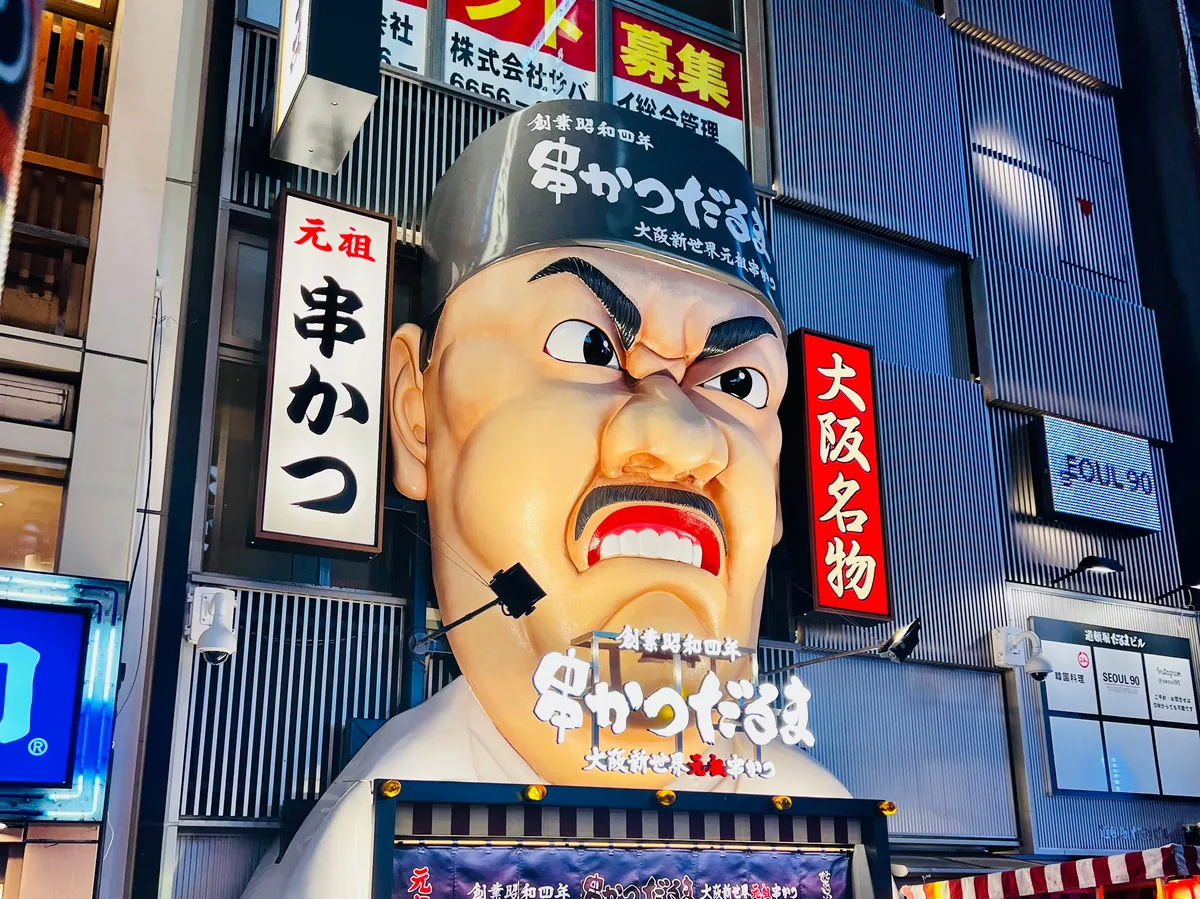
A 10-day food-focused route from Tokyo's Tsukiji Fish Market and a sushi-making class, through a kimono tea ceremony and grand tour of Kyoto, to Kobe beef, sake tasting, and Osaka's Dotonbori food crawl.
 Multi-Day Tours
A comprehensive 15-day route from Tokyo and Hakone through Kyoto, Nara, and Kanazawa's Kenroku-en Garden, to the thatched village of Shirakawa-Go and the historic streets of Takayama.
Visitor guide
Kinkaku-ji, officially named Rokuon-ji, is a Zen Buddhist temple in Kyoto, Japan, famous for its Golden Pavilion whose upper two floors are covered in gold leaf. It is listed as one of the Historic Monuments of Ancient Kyoto, a UNESCO World Heritage Site, and is also designated a National Special Historic Site and a National Special Landscape. The pavilion stands beside a mirror-like pond in the city's northern hills.
According to Wikipedia, the site was originally a villa called Kitayama-dai belonging to the statesman Saionji Kintsune. In 1397 the shogun Ashikaga Yoshimitsu purchased it and transformed it into the Kinkaku-ji complex. The original Golden Pavilion is believed to have been built in 1399, and after Yoshimitsu's death the building was converted into a Zen temple, as he had wished, by his son.
The temple's official name, Rokuon-ji, means Deer Garden Temple, while Kinkaku-ji, Temple of the Golden Pavilion, is a nickname taken from its reliquary hall, the shariden, which houses relics of the Buddha. During the Onin War of 1467 to 1477 the temple suffered damage, but the Golden Pavilion, the Stone Fudo Hall and the Goma Hall escaped destruction.
The pavilion is three storeys high and, in its present form, about 12.5 metres tall. Each floor uses a different architectural style. The first floor, the Chamber of Dharma Waters, is in shinden-zukuri style, reminiscent of the residences of the Heian-period aristocracy, with natural unpainted wood and white plaster. The second floor, the Tower of Sound Waves, follows the style of warrior aristocrats, called buke-zukuri, and contains a Buddha hall and a shrine to Kannon, the goddess of mercy.
The third floor, the Cupola of the Ultimate, is built in a Chinese Zen style. The roof is a pyramid of shingles topped with a bronze phoenix ornament. Wikipedia notes that the pavilion served as an important model for Ginkaku-ji, the Silver Pavilion, and for Shokoku-ji, both also in Kyoto. The gold leaf on the top two floors is described as carrying symbolic meaning, intended to purify negative thoughts and feelings about death.
The pavilion that visitors see today dates from 1955. The earlier building was destroyed by fire in 1950, an event that inspired Yukio Mishima's 1956 novel The Temple of the Golden Pavilion. The reconstruction is said to be a close copy of the original, although some have questioned whether the original was covered with so much gold leaf.
Wikipedia reports that in 1984 the gold leaf on the rebuilt pavilion was found to have peeled, and from 1986 to 1987 it was replaced with 0.5 micrometre gold leaf weighing 20 kilograms, which is said to be five times as thick and ten times the weight of the original. The interior, including the paintings and the statue of Yoshimitsu, was restored, and the roof was restored in 2003.
The pavilion sits in a Japanese strolling garden, a kaiyu-shiki-teien, designed to be seen from a circuit of paths. The building extends over a pond called Kyoko-chi, or Mirror Pond, which reflects it and contains ten small islands. A small fishing hall attached to the rear of the pavilion once allowed a boat to be moored beneath it.
The garden is considered an excellent example of Muromachi-period design and uses the idea of shakkei, or borrowed scenery, to link the grounds to the hills beyond. It was laid out following descriptions of the Western Paradise of the Buddha Amida. The largest islet is said to represent the Japanese islands, and four stones in a line near the pavilion represent sailboats anchored at night, bound for the Isle of Eternal Life of Chinese mythology.
The temple is in Kita Ward in the north of Kyoto. The path leads visitors around the pond to a series of viewpoints, and the pavilion is seen from across the water rather than entered. The light changes the character of the gold considerably through the day and across the seasons, so the view differs from visit to visit. A private guided visit can help explain the three architectural styles and the garden symbolism that are easy to miss on a quick walk-through.
See every tour and attraction we cover in Japan.