TorontoOntario · 36 tours
 Niagara FallsOntario · 25 tours
 New York CityNew York · 30 tours
 Las VegasNevada · 8 tours
 San FranciscoCalifornia · 16 tours
 VancouverBritish Columbia · 17 tours
 DubaiUAE · 54 tours
 Abu DhabiUAE · 5 tours
 Buenos AiresArgentina · 23 tours
 AthensGreece · 31 tours
 AucklandNew Zealand · 38 tours
 CancunMexico · 54 tours
No destinations match “”. Try searching all tours instead — that search understands full questions, not just place names.
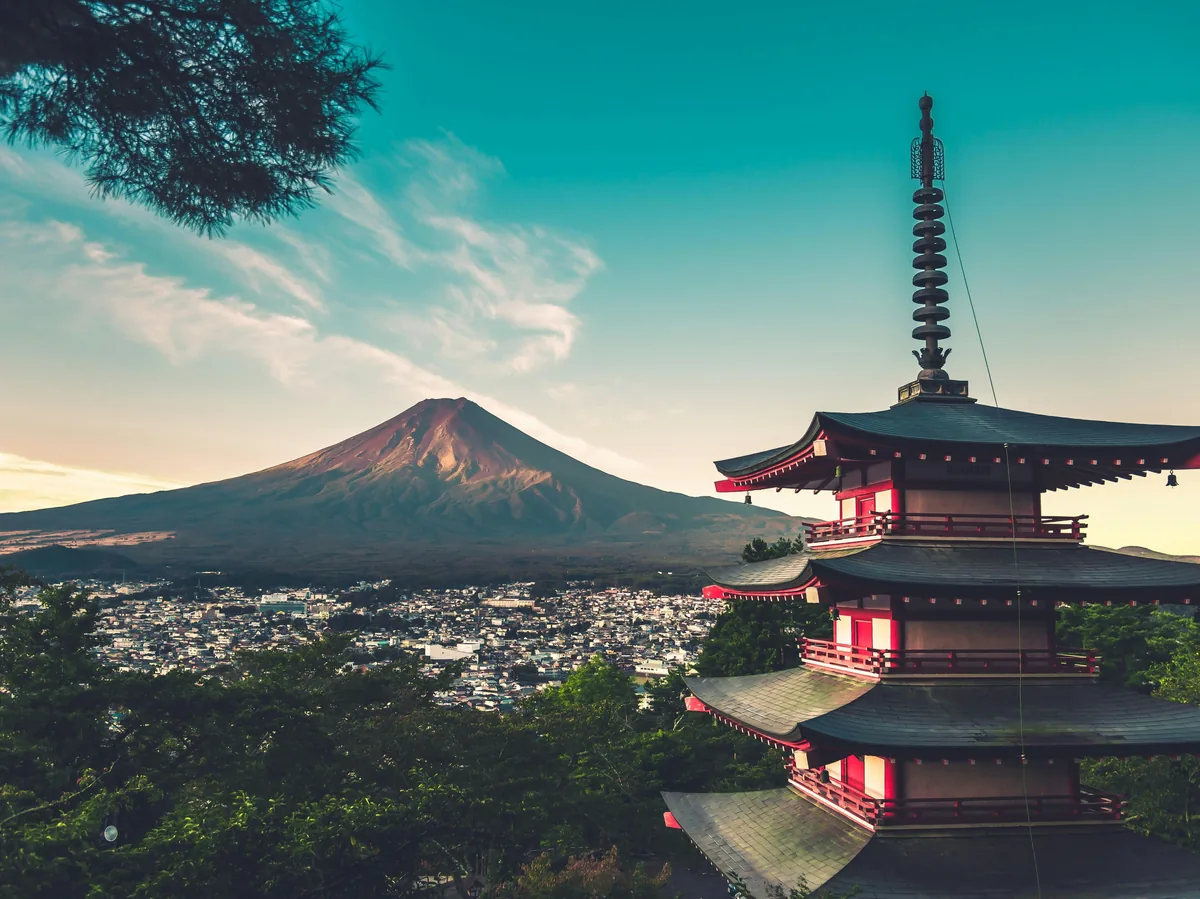
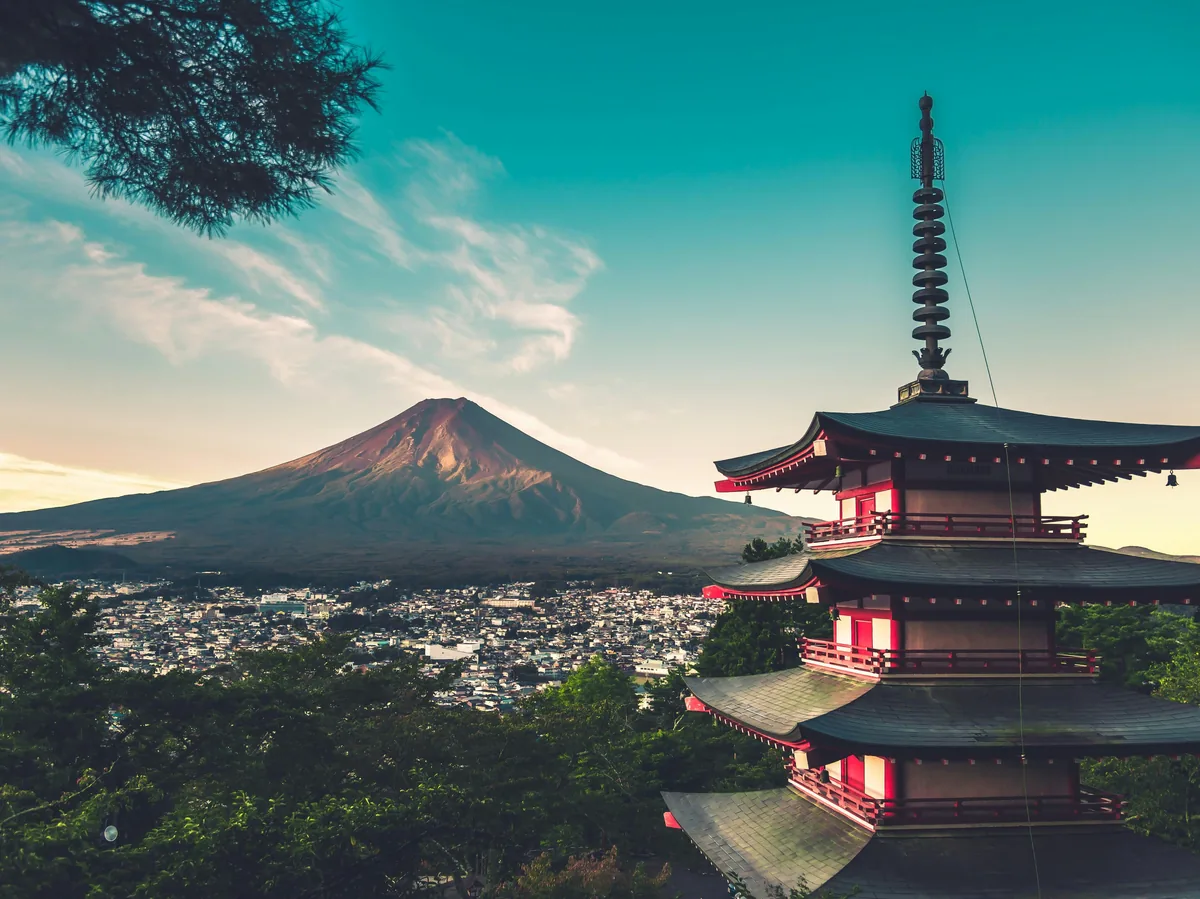
Japan's iconic snow-capped volcano, framed from the five-story Chureito Pagoda near Fujiyoshida for one of the country's most famous views.
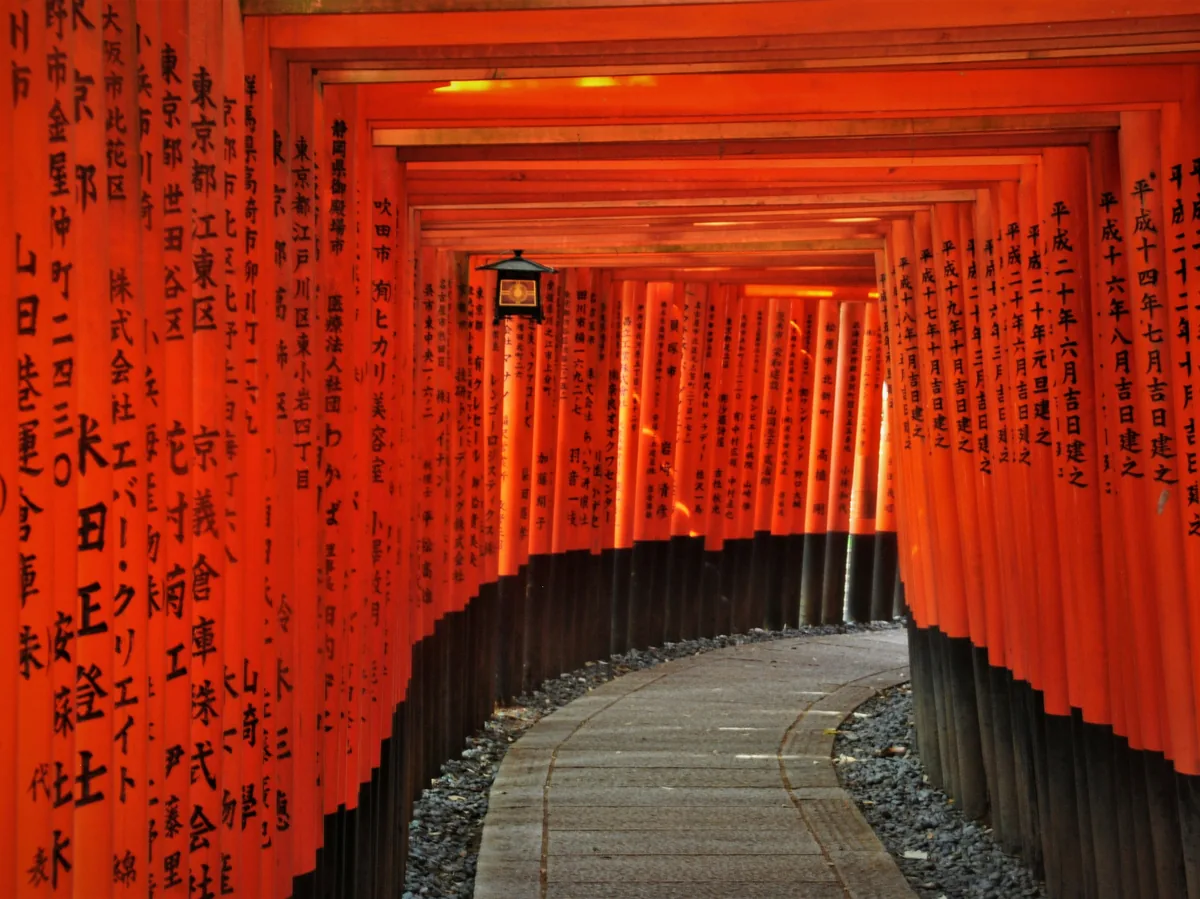 Multi-Day Tours
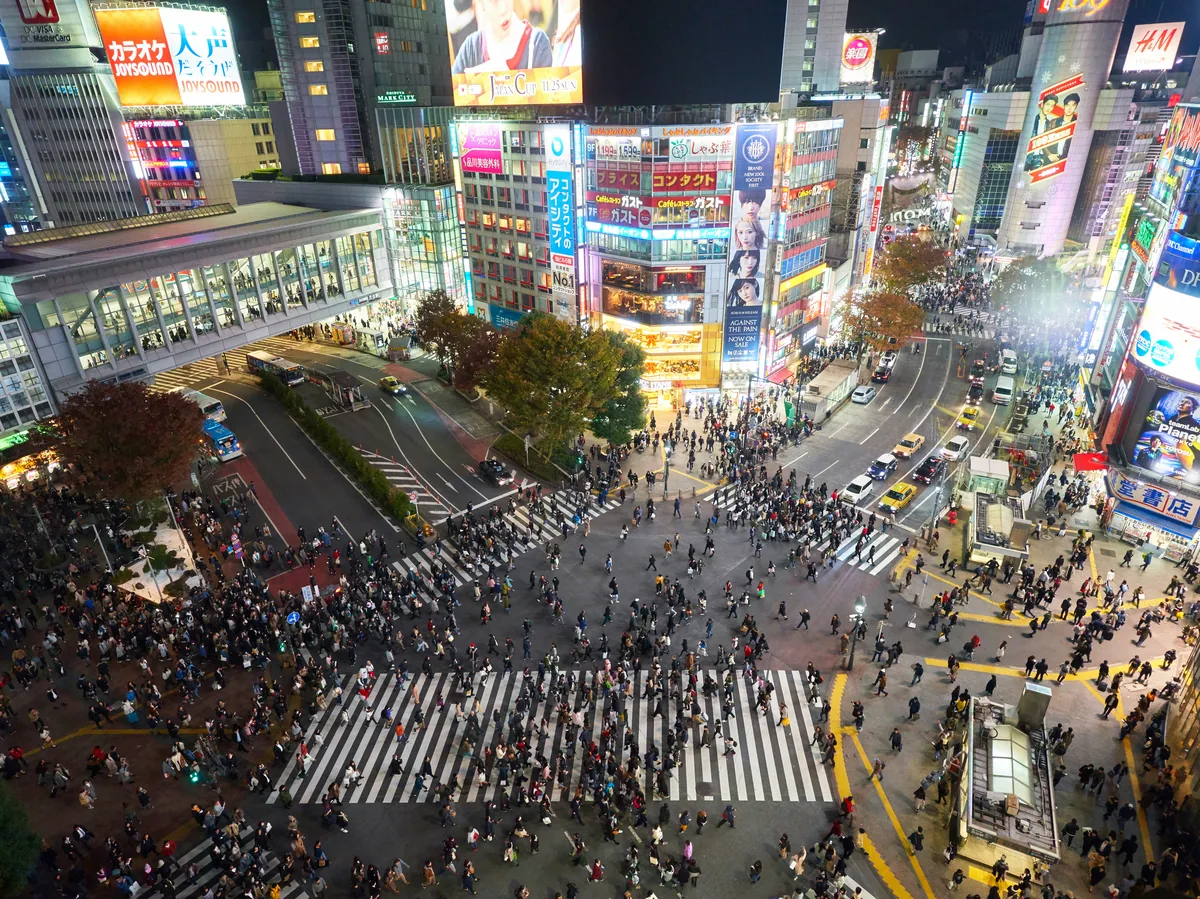
A two-country journey that opens in Seoul and Busan, South Korea, then crosses into Japan for Kyoto's temples, a kimono tea ceremony, and Tokyo's Shibuya Crossing with a Mount Fuji day trip.
 Multi-Day Tours
A 12-day route from Tokyo's neighborhoods and teamLab Borderless, through Hakone's Mount Fuji views, into Kyoto's temples, Nara's deer, Hiroshima's Peace Memorial, and Osaka's street food.
 Multi-Day Tours
A 10-day family itinerary from Tokyo's kawaii culture and Mount Fuji views to a ninja and samurai experience in Kyoto, Hiroshima's Peace Memorial, and a full day at Universal Studios Japan in Osaka.
 Multi-Day Tours
A 10-day food-focused route from Tokyo's Tsukiji Fish Market and a sushi-making class, through a kimono tea ceremony and grand tour of Kyoto, to Kobe beef, sake tasting, and Osaka's Dotonbori food crawl.
Visitor guide
Mount Fuji is an active stratovolcano on the Japanese island of Honshu and the highest mountain in Japan, with a summit elevation of 3,776.24 metres. One of the best-known ways to see it is from the Chureito Pagoda, a five-storied red pagoda on the slopes of Mount Arakura in Arakurayama Sengen Park, in the city of Fujiyoshida, Yamanashi Prefecture. Together the volcano, the pagoda and the surrounding trees form one of Japan's most photographed scenes.
Mount Fuji lies about 100 kilometres southwest of Tokyo and is visible from the capital on clear days. Its exceptionally symmetrical cone is covered in snow for about five months of the year, according to Wikipedia. The mountain straddles the boundary of Shizuoka and Yamanashi prefectures, and four small cities surround it: Gotemba to the east, Fujiyoshida to the north, Fujinomiya to the southwest and Fuji to the south. It last erupted from 1707 to 1708.
Fuji is counted among Japan's Three Holy Mountains, together with Mount Tate and Mount Haku, and has been a frequent subject of Japanese art and poetry, especially after 1600, when Edo, now Tokyo, became the capital and travellers saw it along the Tokaido road. It was added to the World Heritage List as a Cultural Site on 22 June 2013. UNESCO says the mountain has inspired artists and poets and been the object of pilgrimage for centuries, and it recognises 25 sites of cultural interest in the Fuji locality, including the shrine Fujisan Hongu Sengen Taisha.
The summit has been thought of as sacred since ancient times and was once forbidden to women until an 1872 government edict ended the practice. The first ascent by a foreigner is recorded as Sir Rutherford Alcock in September 1860. Wikipedia notes that Fuji is surrounded by five lakes, Kawaguchi, Yamanaka, Sai, Motosu and Shoji, which offer reflections and views of the cone, and the mountain is part of Fuji-Hakone-Izu National Park.
The mountain's name has long been debated. Early texts offer folk explanations such as fushi, meaning immortal, or fuji meaning without equal, but the origin of the name remains uncertain.
Fujiyoshida lies at the northern base of Mount Fuji, built on old lava flows at an elevation of roughly 650 to 850 metres, and sits between two of the Fuji Five Lakes. On the hillside of Mount Arakura, Arakurayama Sengen Park was established in 1959 and covers about 4.3 hectares. The mountain is a sacred area where the Arakura Fuji Sengen Shrine is enshrined, and the park contains about 650 cherry trees and a memorial tower for the war dead.
The five-storied pagoda is a chureito, a memorial pagoda for the war dead, rather than a Buddhist stupa. The park is famous for photographs that combine the pagoda, cherry blossoms and Mount Fuji in a single frame. According to Wikipedia, the view was ranked tenth among the Ministry of the Environment's 100 Views with Mount Fuji, and it has appeared on the cover of a Michelin Green Guide to Japan. The park also holds a cherry blossom festival in spring and an iris festival around June.
The classic viewpoint requires climbing a long stairway up the hillside from the base, so visitors should expect some effort and variable weather. Fuji is often hidden by cloud, so clear views cannot be guaranteed on any given day. A private guided day trip suits the area well, since a driver can link the pagoda with other viewpoints around the Fuji Five Lakes and a local guide can explain the cultural importance of the mountain.
See every tour and attraction we cover in Japan.