TorontoOntario · 36 tours
 Niagara FallsOntario · 25 tours
 New York CityNew York · 30 tours
 Las VegasNevada · 8 tours
 San FranciscoCalifornia · 16 tours
 VancouverBritish Columbia · 17 tours
 DubaiUAE · 54 tours
 Abu DhabiUAE · 5 tours
 Buenos AiresArgentina · 23 tours
 AthensGreece · 31 tours
 AucklandNew Zealand · 38 tours
 CancunMexico · 54 tours
No destinations match “”. Try searching all tours instead — that search understands full questions, not just place names.
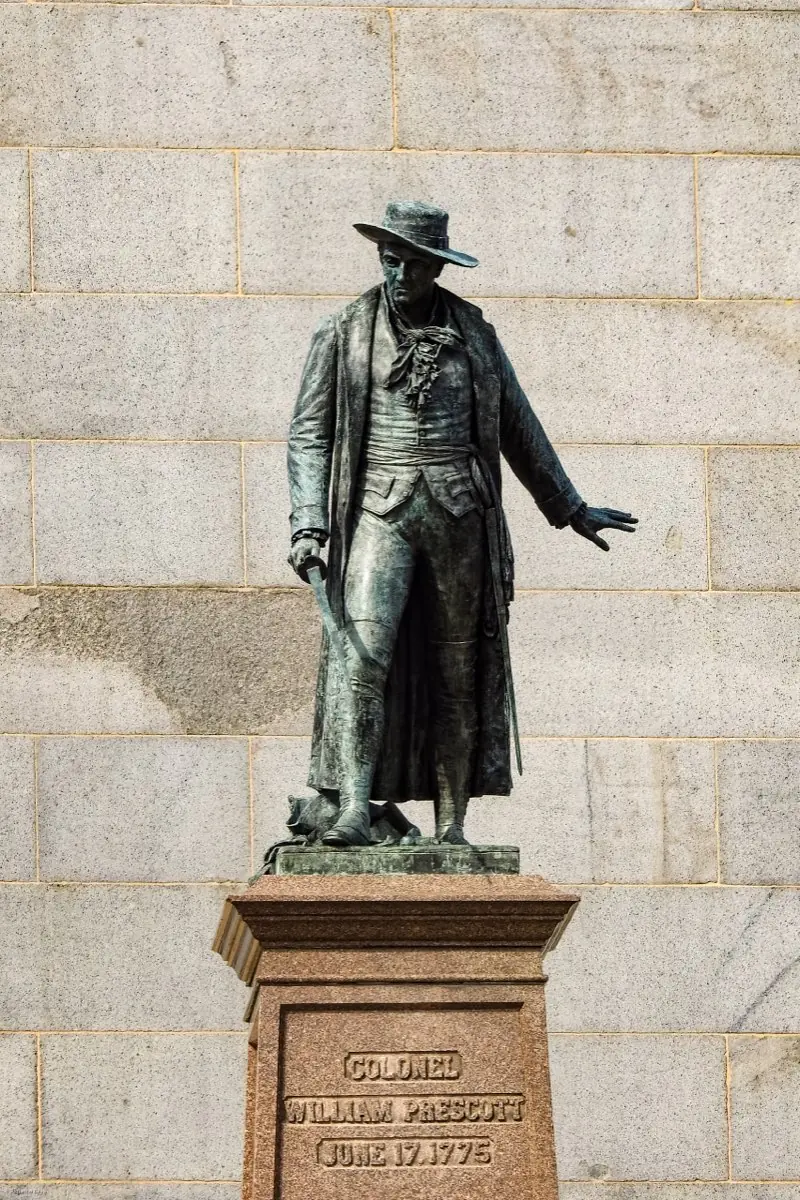
A 2.5-mile red-brick path connecting 16 historic Revolutionary War sites across the city.
Visitor guide
The Freedom Trail is a 2.5-mile walking route linking 16 historic sites in Boston, from Boston Common to the Bunker Hill Monument in Charlestown. Most of it follows a line of red brick or paint set into the pavement, and it is one of the city's best-known ways to move through the Revolutionary story.
According to the Freedom Trail Foundation, the idea came from Bill Schofield, a writer for the Boston Herald-Traveler, and Bob Winn of Old North Church. Schofield proposed it in his March 8, 1951 column, arguing it could be done for 'a few dollars and a bucket of paint'. Mayor John B. Hynes dedicated the trail on June 11, 1951. The first route ran about 1.2 miles from Boston Common to the North End and was marked with signs at about 30 street corners. The red line was added in 1958, and the trail was extended into Charlestown in 1972, bringing it to the 16 sites of today. The nonprofit Freedom Trail Foundation was established in 1964; the Wikipedia article adds that by 1953 about 40,000 people were walking the route each year.
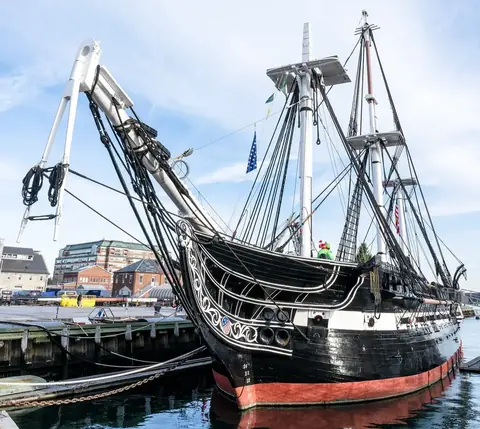
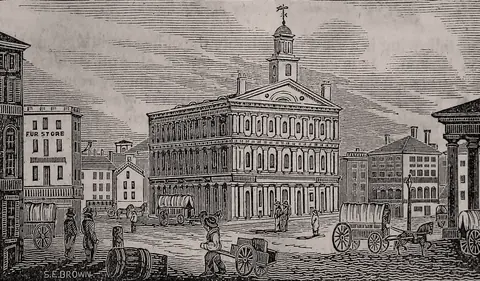
In order from south to north: Boston Common; Massachusetts State House; Park Street Church; Granary Burying Ground; King's Chapel and its burying ground; Boston Latin School site and the Benjamin Franklin statue; Old Corner Bookstore; Old South Meeting House; Old State House; Boston Massacre Site; Faneuil Hall; Paul Revere House; Old North Church; Copp's Hill Burying Ground; USS Constitution; and the Bunker Hill Monument.
In 1958 the Greater Boston Chamber of Commerce and the Advertising Club of Greater Boston formed a Freedom Trail Committee to market the trail, and the Foundation succeeded it in 1964 with Robert Friedmann as its first president. The Foundation credits philanthropist Dick Berenson as an early champion, and says visitation passed 500,000 in 1965. Wikipedia notes the trail has been designated a National Millennium Trail, and that by 1953 about 40,000 people were walking it each year.
Wikipedia says oversight comes from the City of Boston's Freedom Trail Commission with support from nonprofits, donors and Boston National Historical Park. Individual sites have their own operators, and a few, including the Old South Meeting House, Old State House and Paul Revere House, have their own admission arrangements, so check each site. Check each site for current hours and tours.
The surface is brick and the route is described as easy. The final two stops are in Charlestown, across the water from the rest of the route. Voyzo can arrange a private driver and vehicle for door-to-door pickup, so you can walk the sections you choose and be met again at the end rather than backtracking to your starting point.
See every tour and attraction we cover in Boston.