TorontoOntario · 36 tours
 Niagara FallsOntario · 25 tours
 New York CityNew York · 30 tours
 Las VegasNevada · 8 tours
 San FranciscoCalifornia · 16 tours
 VancouverBritish Columbia · 17 tours
 DubaiUAE · 54 tours
 Abu DhabiUAE · 5 tours
 Buenos AiresArgentina · 23 tours
 AthensGreece · 31 tours
 AucklandNew Zealand · 38 tours
 CancunMexico · 54 tours
No destinations match “”. Try searching all tours instead — that search understands full questions, not just place names.
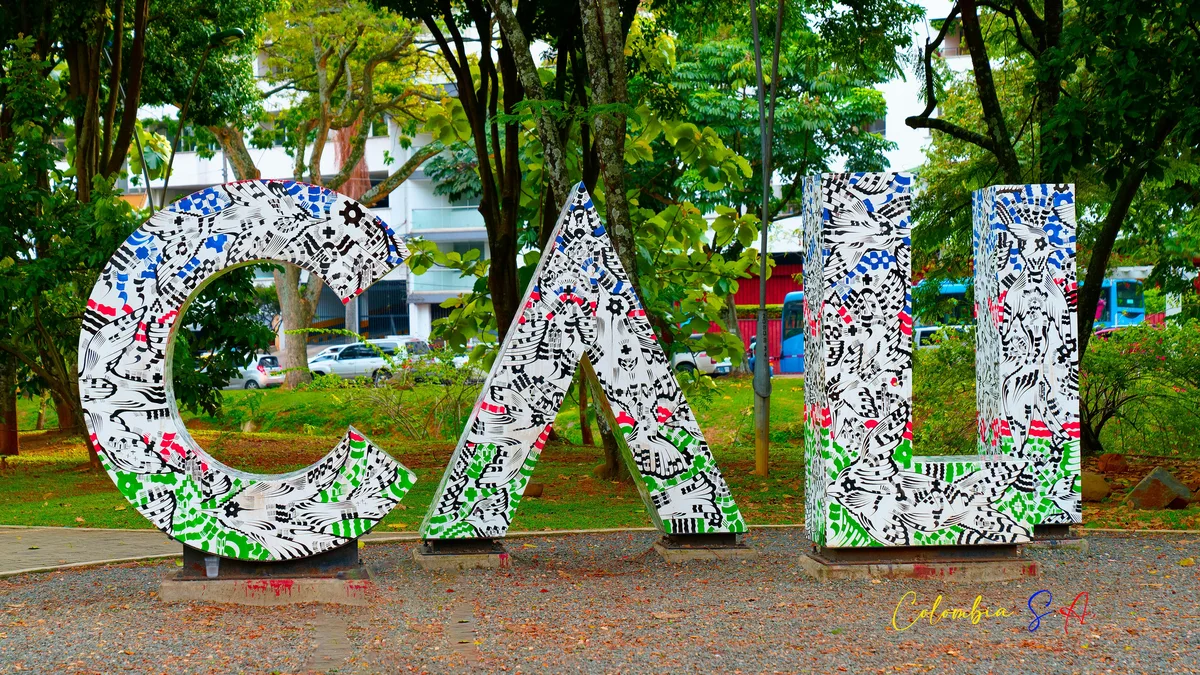
A hilltop statue of Christ overlooking Cali from the Cerro de los Cristales, standing roughly 26 meters tall and offering sweeping views over the city and the Cauca Valley below.
 Private Tours
A private full-day tour covering Cristo Rey, the hilltop Christ statue overlooking Cali, Museo La Tertulia's modern art collection, and a walk through downtown Cali, built to help you get your bearings in a vibrant Colombian city without navigating it yourself.
 Private Tours
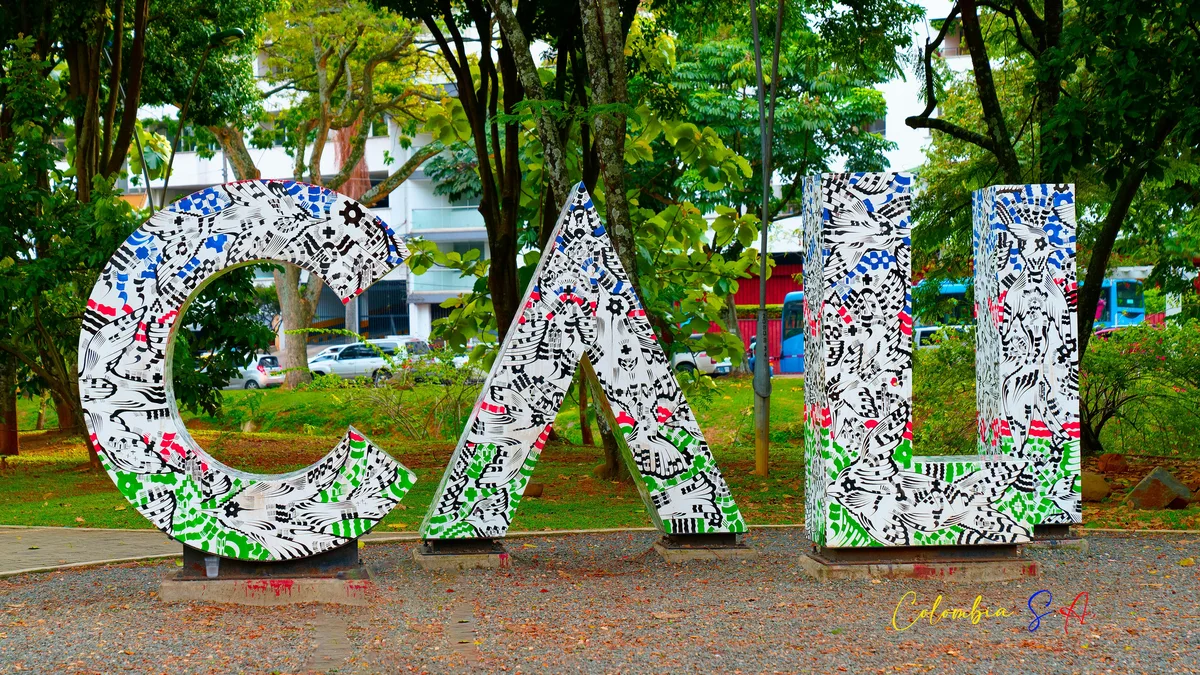
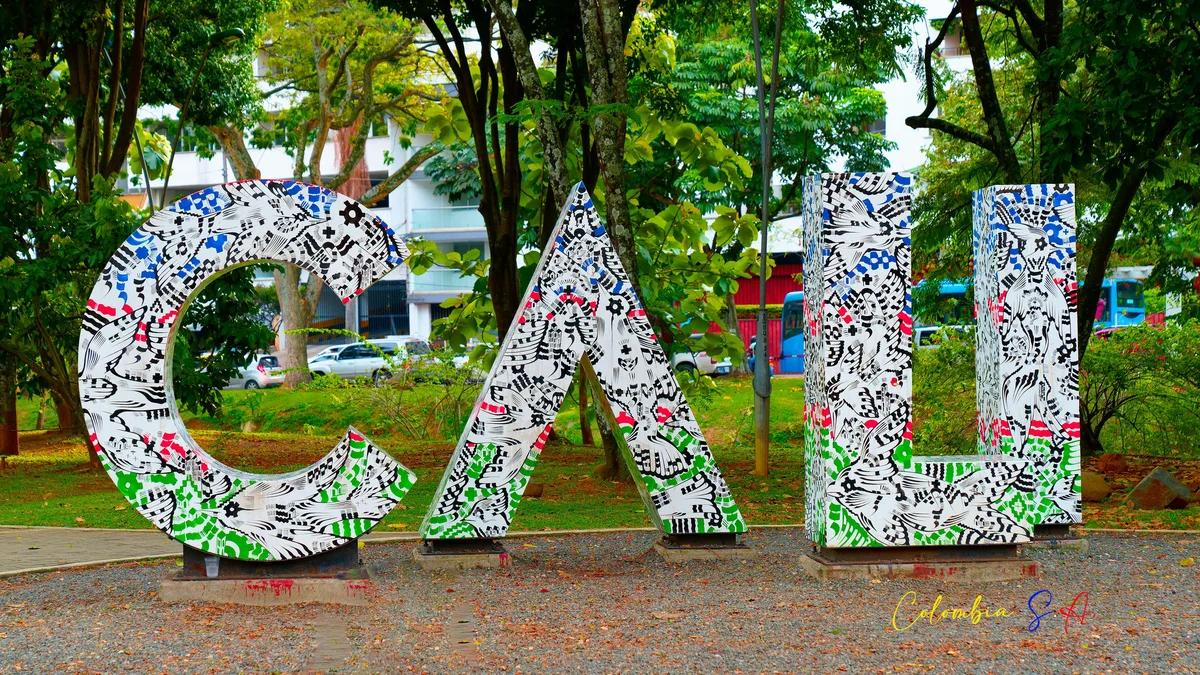
A private 4.5-hour tour moving through Cali's neighborhoods, from the hilltop panorama at Cristo Rey to the riverside Gato del Río sculpture, the salsa heartbeat of Bulevar del Río, and the colonial lanes of San Antonio, Cali's bohemian district.
 Active & Outdoor
A private tour of Cali on a high-displacement cruiser motorcycle, taking in the Andes mountain landscapes around Cristo Rey and Yanaconas at your own pace, with a totally personalized departure and return time.
Visitor guide
Cristo Rey, meaning Christ the King, is a statue of Christ on the Cerro de los Cristales west of Cali, in Valle del Cauca, Colombia. Standing about 26 metres tall, it overlooks the city and is one of Cali's best-known landmarks.
The statue stands on the Cerro de los Cristales, or Hill of the Crystals, near the village of Los Andes. According to Wikipedia, the hill is named for the quartz that could be gathered in the surrounding area. The hill is part of the range that rims Cali's western side, giving the monument a prominent position above the Cauca valley.
Cristo Rey was inaugurated on Sunday, 25 October 1953, to mark fifty years since the end of the War of a Thousand Days. The Jesuit priest Jose Maria Arteaga had commissioned the artist Gerardo Navia Carvajal to build the statue, but Navia only produced a model before leaving the project. The statue was ultimately completed in iron and concrete.
Published figures give a mass of about 464 tons and a height of 26 metres, of which about 4.6 metres is the pedestal according to Cali's municipal heritage inventory. A broader Wikipedia article on Cali gives a different figure of 31 metres, so the exact height varies by source, and 26 metres is the figure given on the statue's own page.
As visitors ascend the hill they pass sculptural work by the artist Carlos Andres Gomez, who spent two years sculpting scenes in 34 ravines along the way. The work is known as the biblical scenes of Golgotha. In the first ravine he carved Existence, a tribute to life and humanity, and in the second the Lament of the Pacha Mama, a protest about environmental damage. The third depicts Golgotha, intended to accompany pilgrims at Easter, and the fourth the Garden of Eden. The cement and clay figures range from about 50 centimetres to 5 metres tall and extend over five kilometres.
Cristo Rey is part of the city's identity, alongside the monument to Sebastian de Belalcazar and the Gato del Rio. Wikipedia reports about 290,000 local and foreign visitors in a year. The hill also has a chapel, a restaurant and parking facilities. Many visitors come for the view, which takes in the sprawl of Cali and the valley beyond, and for the religious significance of the monument, especially at Easter.
The climb to the viewpoint is by road or on foot, and the hill is hot and exposed by day, so water and sun protection are useful. Views are often clearest in the morning or late afternoon. A private tour can combine Cristo Rey with other Cali viewpoints such as the Three Crosses hill, the San Antonio neighbourhood and the Cali River, with a driver taking care of the uphill road.
See every tour and attraction we cover in Cali.