TorontoOntario · 36 tours
 Niagara FallsOntario · 25 tours
 New York CityNew York · 30 tours
 Las VegasNevada · 8 tours
 San FranciscoCalifornia · 16 tours
 VancouverBritish Columbia · 17 tours
 DubaiUAE · 54 tours
 Abu DhabiUAE · 5 tours
 Buenos AiresArgentina · 23 tours
 AthensGreece · 31 tours
 AucklandNew Zealand · 38 tours
 CancunMexico · 54 tours
No destinations match “”. Try searching all tours instead — that search understands full questions, not just place names.
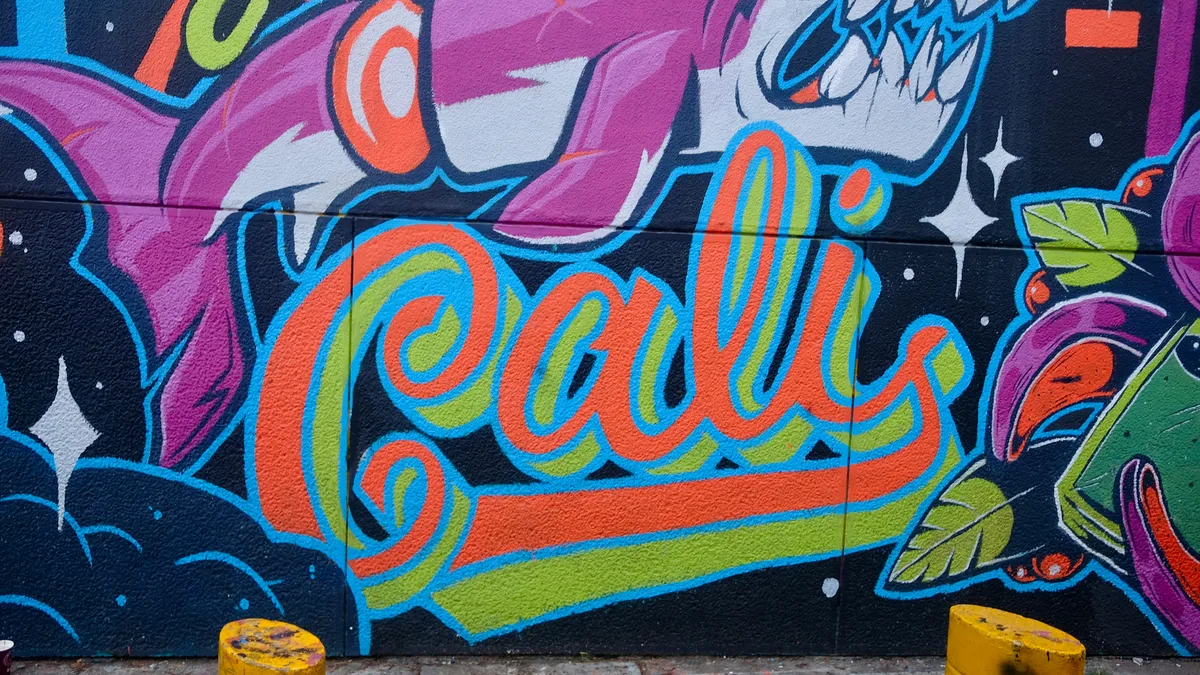
Cali's bohemian hillside district of colonial-era streets, art galleries, and cafes, centered on the whitewashed San Antonio Church and its surrounding park.
 Private Tours
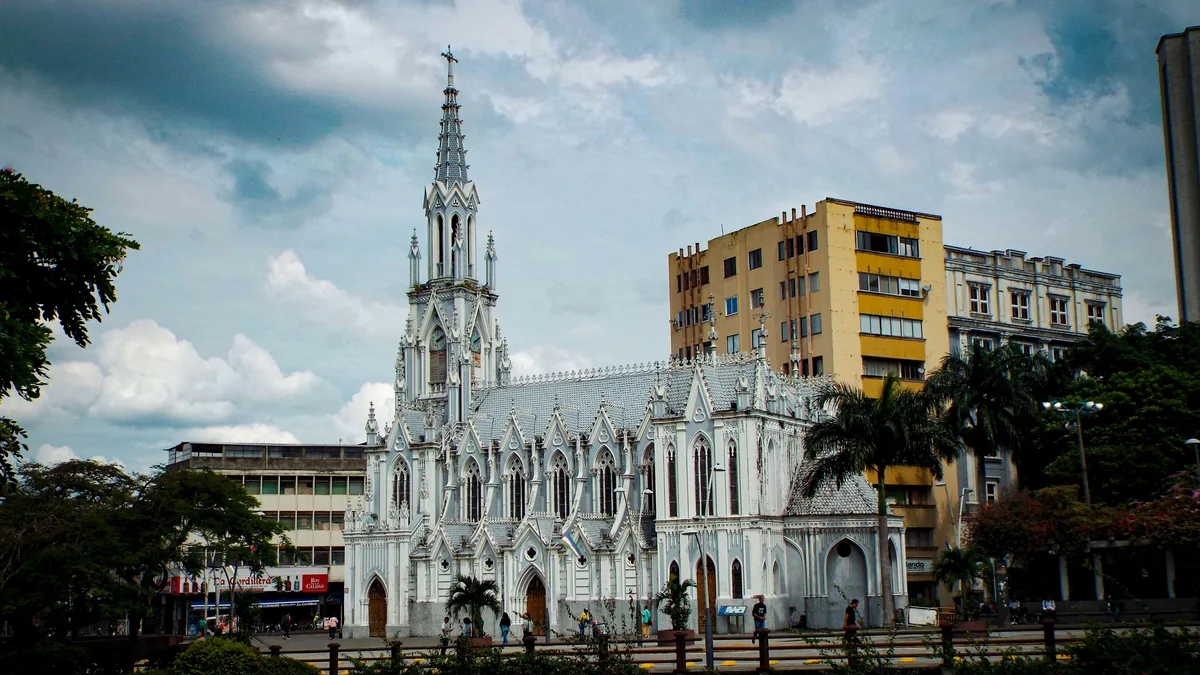
A private 3-hour walking tour starting at La Ermita church and covering the most important sites of downtown Cali, including Plaza de Caycedo, Complejo La Merced, San Antonio Hill, and the Iglesia de San Antonio, with a short salsa lesson along the way.
 Private Tours
A private 4.5-hour tour moving through Cali's neighborhoods, from the hilltop panorama at Cristo Rey to the riverside Gato del Río sculpture, the salsa heartbeat of Bulevar del Río, and the colonial lanes of San Antonio, Cali's bohemian district.
Visitor guide
San Antonio is a historic hillside neighbourhood of Cali, Colombia, often described as one of the city's most traditional districts. Built around a hilltop church and park, it is known for colonial-style streets, galleries, cafes and views over downtown.
According to Wikipedia, San Antonio was an extension of downtown Cali in the colonial era, later separated from it by Calle Quinta. The whole neighbourhood is on a hill, and at the top is San Antonio Park. In the nineteenth century, when Cali was a quiet community of no more than about 20,000 residents, the urban centre was around the neighbourhoods of Altozano and San Antonio.
The best-known building is the Church of San Antonio on the Colina de San Antonio. A municipal source says the chapel was built in 1746 and 1747 in homage to San Antonio de Padua, and a heritage inventory records that the land was bequeathed for a chapel in a will dated 24 December 1746 to the Brotherhood of San Antonio de Padua. It is generally described as one of the city's oldest churches, though exact dating varies by source; the same heritage inventory dates it only to the 18th century and notes that permission to build the main chapel was granted in 1786, suggesting construction ran for decades. The church has a small museum of sculptures from the Quito school.
The hilltop park fills with local people in the evenings, especially at weekends, with street vendors selling snacks and crafts, and restaurants and bars along the streets that descend from it. Community events have included guided walks and cultural showcases of local traditions, with workshops by artisans who make traditional crafts and sweets.
San Antonio also has a connection to art. La Tertulia, the cultural group that later became the La Tertulia Museum, was founded on 9 March 1956 in a rented house in this neighbourhood. For twelve years it used the house as its headquarters, with a private school in the mornings and art exhibitions in the afternoons.
The narrow streets of the district are known for their small houses, galleries, craft shops and cafes. From the park, the view takes in downtown Cali and the valley. Tours of San Antonio are often combined with other historic sites, including La Ermita church, Plaza de Caicedo and the Metropolitan Cathedral, which are in the downtown area below.
San Antonio is also a good place to understand Cali's growth. For centuries the city was a small town near the Cali River, and until the eighteenth century much of the surrounding land was occupied by haciendas devoted to cattle and sugar cane. The hillside neighbourhoods such as San Antonio therefore show an older, smaller version of the city before it grew into a metropolis of more than two million people.
The streets climb steeply, and the cobbles can be uneven, so comfortable shoes are useful. Late afternoon and evening are lively times when the park is busy. Cali has a warm climate, so water and light clothes help. A private guided walk adds the history of the churches and the art scene, and a driver can drop visitors at the top of the hill and collect them downtown.
See every tour and attraction we cover in Cali.