TorontoOntario · 36 tours
 Niagara FallsOntario · 25 tours
 New York CityNew York · 30 tours
 Las VegasNevada · 8 tours
 San FranciscoCalifornia · 16 tours
 VancouverBritish Columbia · 17 tours
 DubaiUAE · 54 tours
 Abu DhabiUAE · 5 tours
 Buenos AiresArgentina · 23 tours
 AthensGreece · 31 tours
 AucklandNew Zealand · 38 tours
 CancunMexico · 54 tours
No destinations match “”. Try searching all tours instead — that search understands full questions, not just place names.
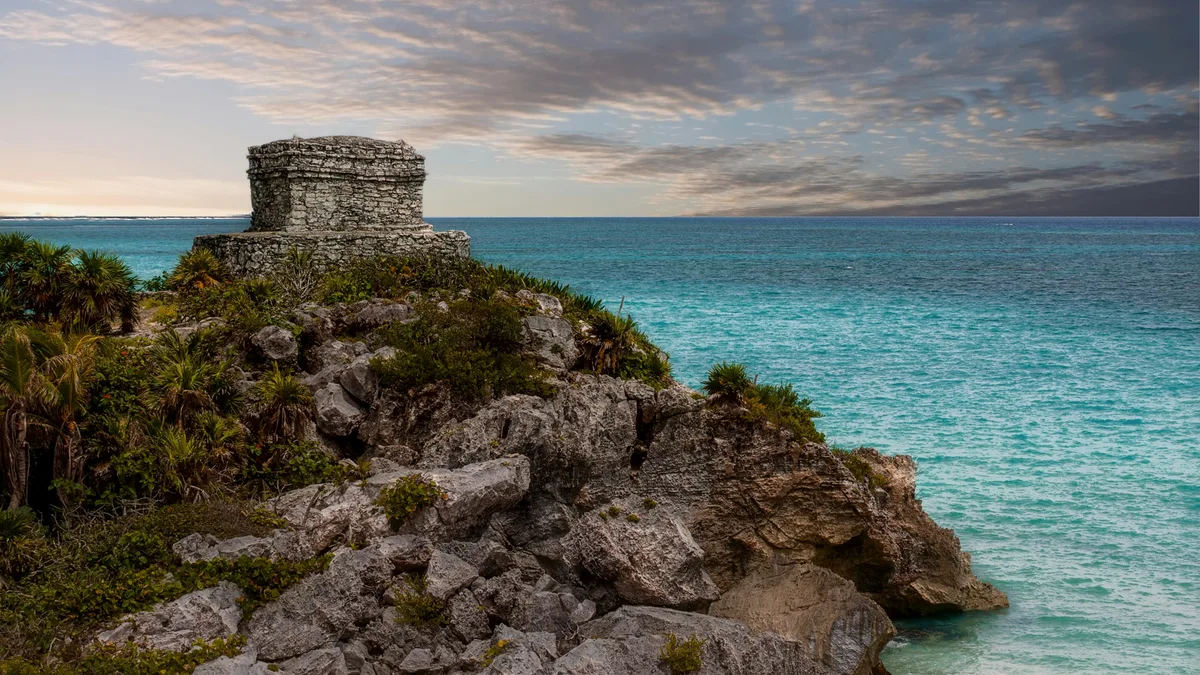
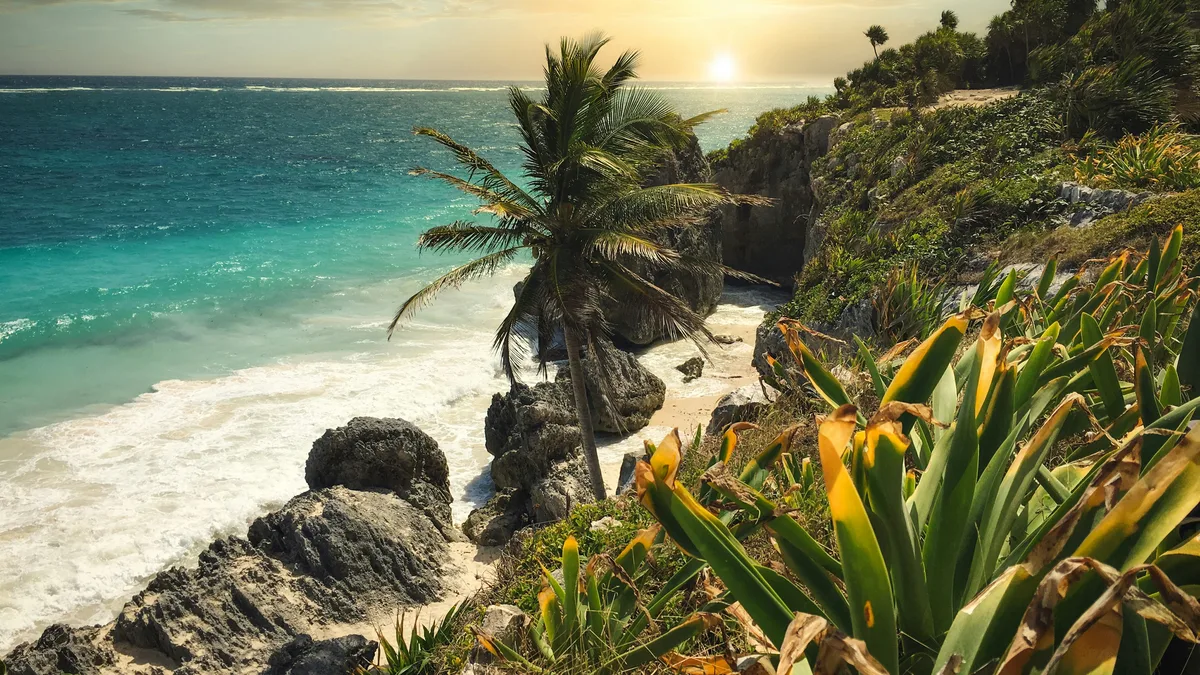
A real, walled Maya port city perched on limestone cliffs directly above the Caribbean Sea — one of the only major Maya sites built to face the ocean. El Castillo, the site's largest structure, likely served as a real lighthouse guiding ancient trading canoes safely through the reef, and the clifftop views over the turquoise water below are genuinely among the most photographed in the Yucatán.
 Private Tours
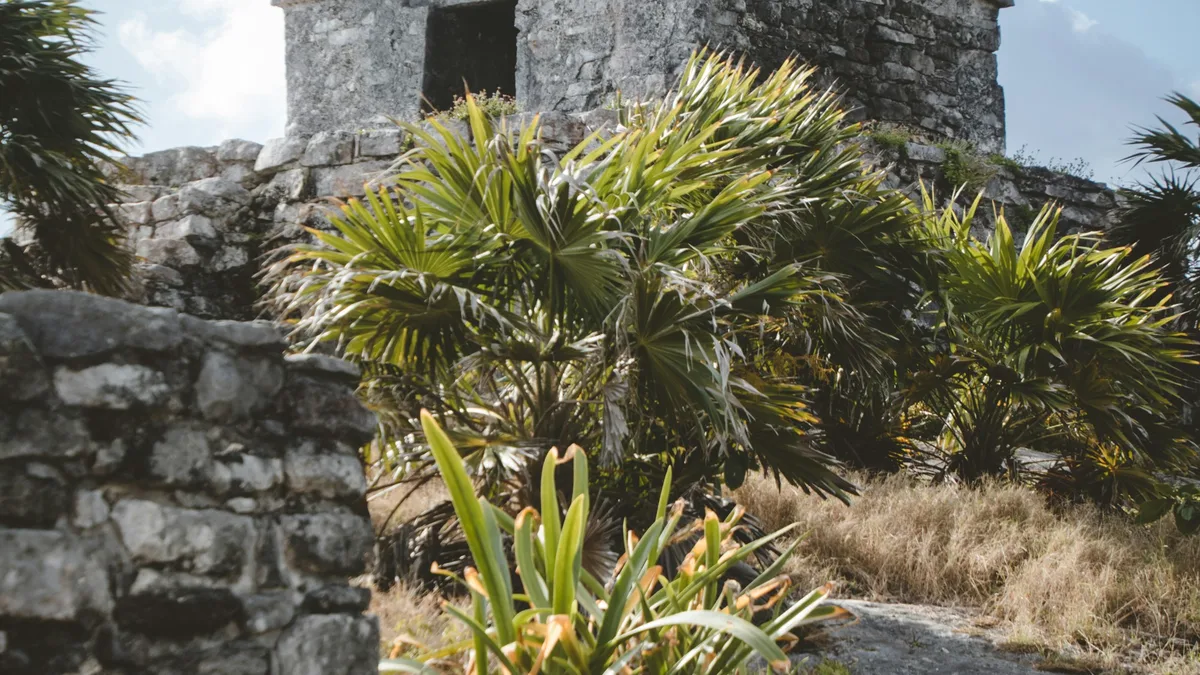
A private tour for your group only to the genuine Tulum archaeological site, with an expert bilingual guide and time on the clifftop beach below the ruins if conditions allow.
 Private Tours
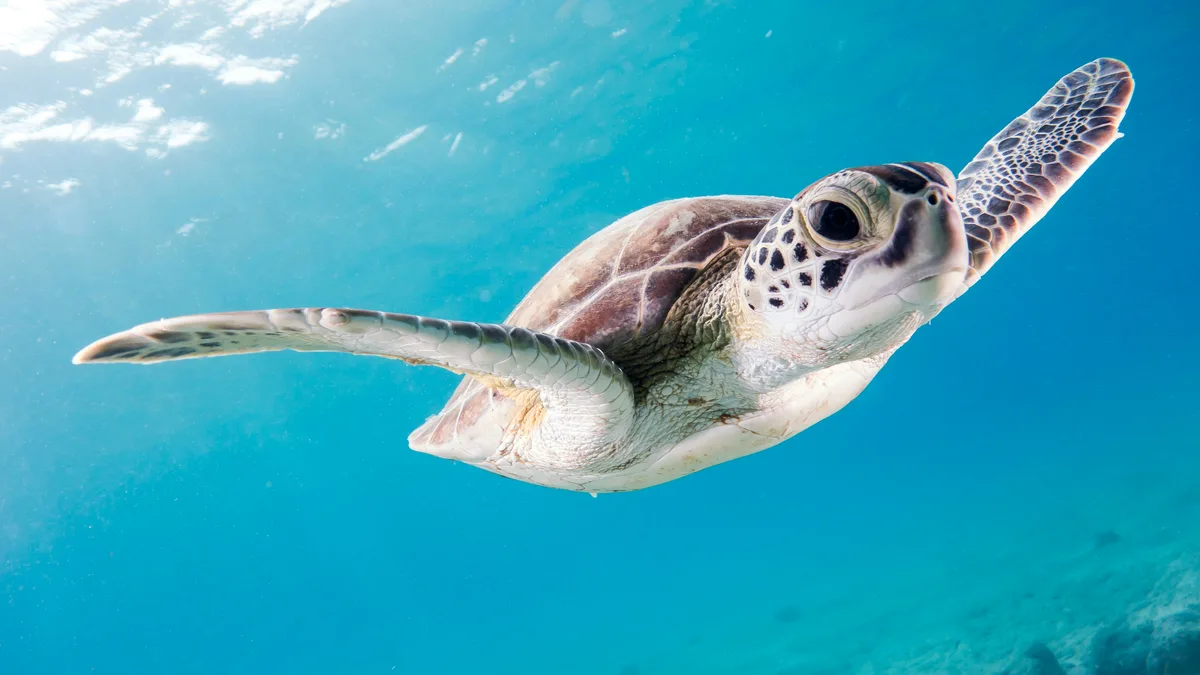
A private tour for your group only, visiting the Tulum ruins right at opening time before the crowds, then a real cenote swim and sea turtle snorkeling.
Visitor guide
Tulum is a walled Maya city on the Caribbean coast of Quintana Roo, Mexico, built on limestone cliffs about 12 metres above the sea. It is one of the best-preserved coastal Maya sites and is relatively compact, with its main buildings enclosed by a defensive wall.
The Yucatec Maya name Tulu'um refers to a fence, wall or trench. According to Wikipedia the city may also have been called Zama, meaning city of dawn, because it faces the sunrise. Tulum served as a port for the inland city of Coba, and coastal and overland trade routes converged here.
Steep sea cliffs protected one side of the city and a wall protected the landward side. Figures for the wall vary by source: an INAH visitor guide gives about 380 metres in length and walls roughly 4 to 8 metres high, while other accounts describe it as about 3 to 5 metres high and 8 metres thick. Five narrow gateways pierced the wall, with small watchtowers at the southwest and northwest corners. A small cove with a sandy beach on the seaward side served as the landing point for trading and fishing canoes, and a small cenote near the northern wall supplied fresh water.
El Castillo is a pyramid about 7.5 metres tall in the central precinct, built in stages over an earlier colonnaded building, and it may have served as a beacon for incoming canoes. The Temple of the Frescoes has a lower gallery and a smaller second-storey gallery and is thought to have been used to track the sun. Figures of the diving god decorate its facade, and a mural on the eastern wall shows influence from the Mixteca-Puebla style of highland Mexico.
The Temple of the Descending God is a single-room temple with a west-facing door built on top of another temple that served as its base. A winged figure with a headdress stands in a niche above the door.
Tulum was one of the last cities the Maya built and inhabited, reaching its greatest prominence between the 13th and 15th centuries; the infobox gives construction as roughly 1200 to 1450. Obsidian was an important trade good, and artifacts found at the site link it to Central Mexico, Central America and the Yucatan, including copper, flint, ceramics, incense burners and gold objects. Jade and obsidian were among the most valuable goods, with obsidian coming from Ixtepeque in northern Guatemala, around 700 kilometres away.
The Maya continued to live there for about 70 years after the Spanish began exploring Mexico, and Wikipedia says the city was abandoned by the end of the 16th century, although its infobox gives a different abandonment date.
Juan Diaz, a member of Juan de Grijalva's 1518 expedition, first mentioned Tulum, and the Spaniards are described as the first Europeans to spot it. John Lloyd Stephens and Frederick Catherwood published the first detailed description of the ruins in 1843 in Incidents of Travel in Yucatan, mapping the walls and sketching several buildings. Later investigators included Sylvanus Morley, the Carnegie Institution and Samuel Lothrop.
Tulum is close to Cancun and the Riviera Maya and is among the most visited archaeological sites in Mexico, with over 2.2 million visitors in 2017 according to Wikipedia. A private tour with a driver and guide allows a more relaxed visit and helps place the site within the wider story of Maya coastal trade.
See every tour and attraction we cover in Tulum.