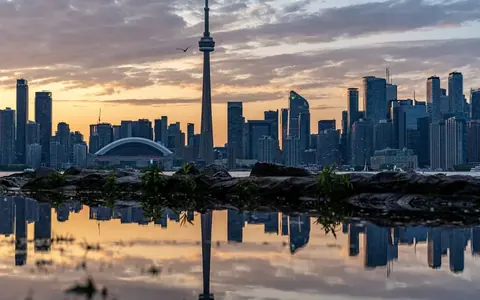
 TorontoOntario · 17 tours
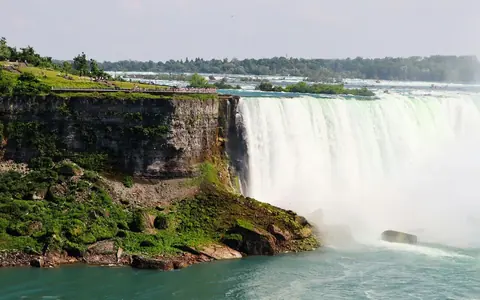 Niagara FallsOntario · 17 tours
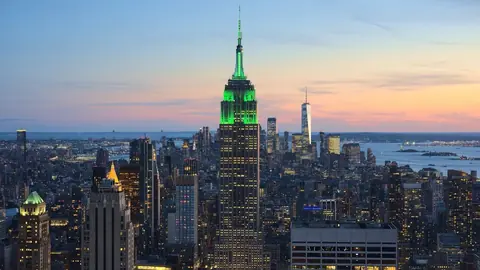 New York CityNew York · 8 tours
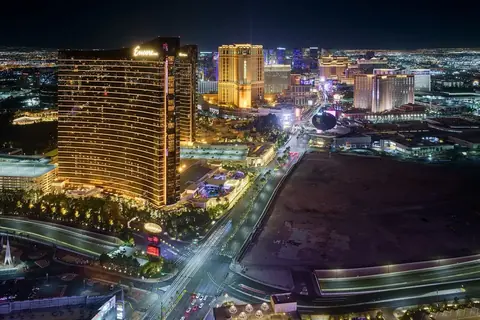 Las VegasNevada · 8 tours
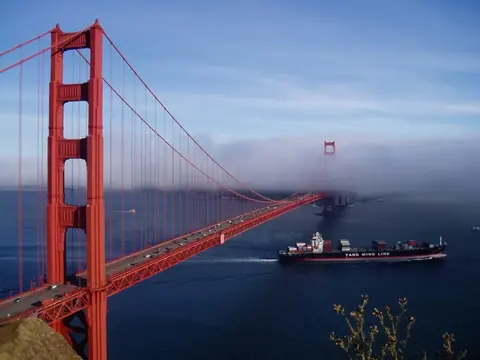 San FranciscoCalifornia · 16 tours
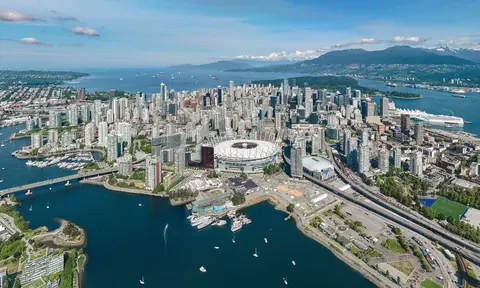 VancouverBritish Columbia · 17 tours
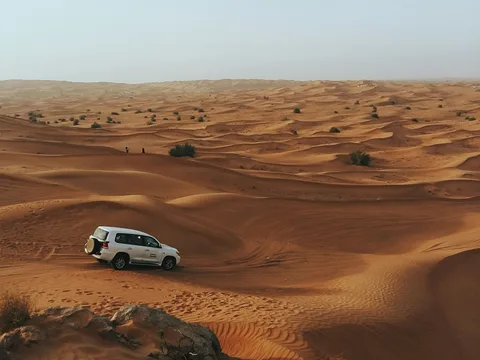 DubaiUAE · 44 tours
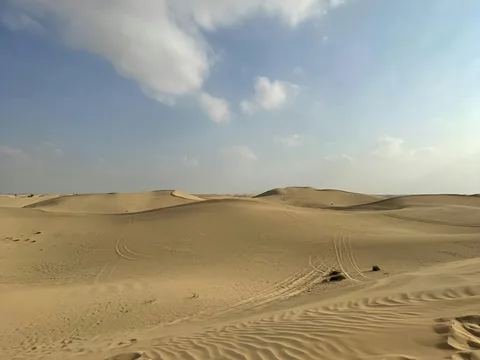 Abu DhabiUAE · 5 tours
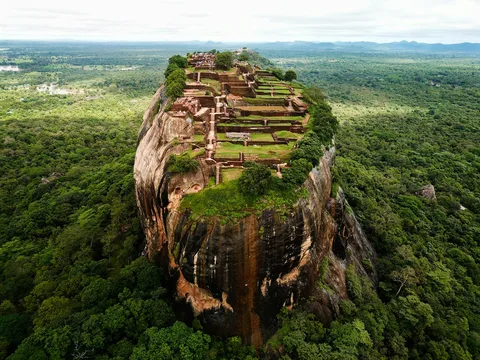 Sri LankaSri Lanka · 16 tours
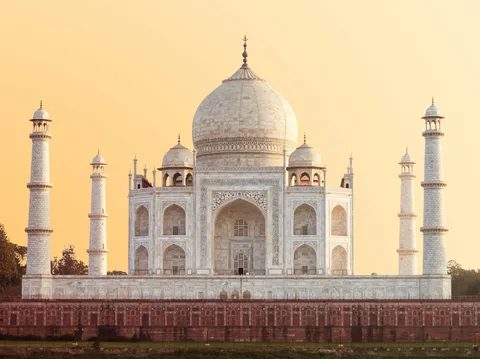 IndiaIndia · 13 tours
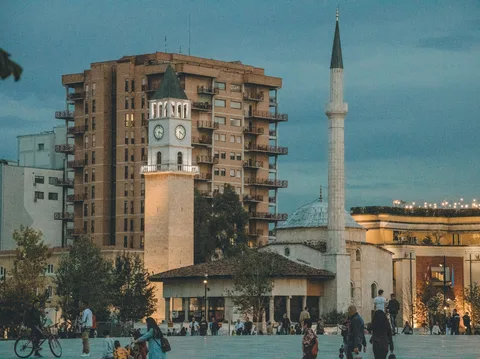 AlbaniaAlbania · 10 tours
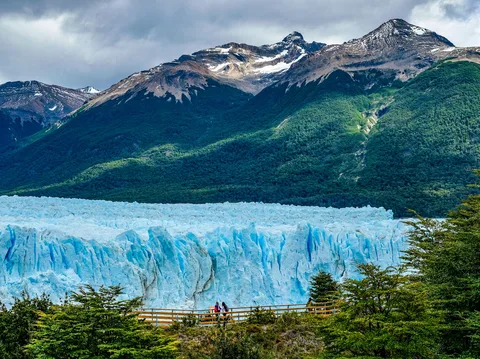 ArgentinaArgentina · 8 tours
No destinations match “”.
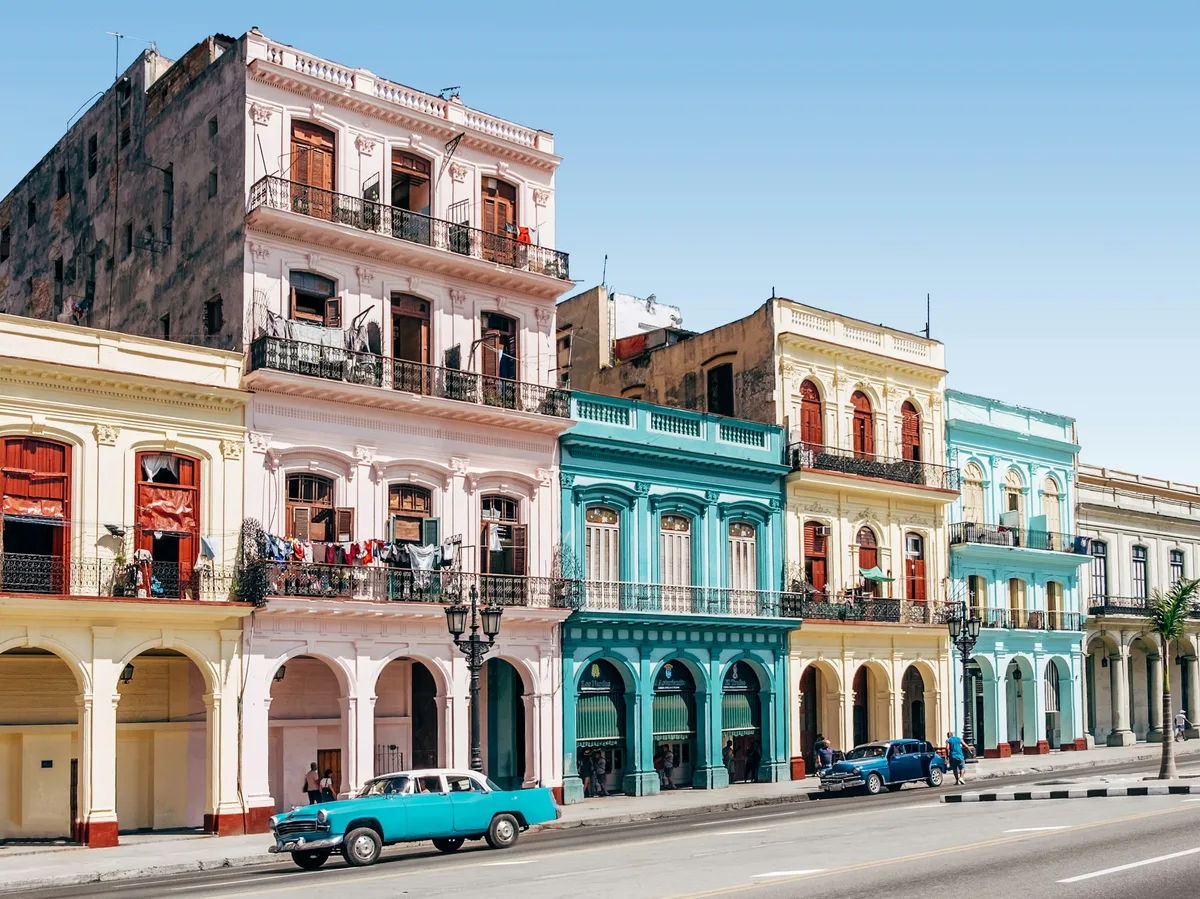
Voyzo runs 18 private tours across 1 destination in Cuba, covering 9 attractions — each with your own guide, driver, and vehicle, and an itinerary built around your group rather than a fixed bus schedule.
Cuba is the largest island in the Caribbean, lying about 150 kilometres south of Florida across the Straits of Florida, with the Bahamas to the north, Jamaica to the south, and Hispaniola to the east. It has been a single-party socialist state since the 1959 revolution led by Fidel Castro, and the decades-long US trade embargo that followed still shapes everyday life, from a currency system that runs largely outside the international card network to the classic 1950s American cars kept running through decades of import restrictions.
Beyond Havana, Trinidad, and Viñales, the island stretches roughly 1,250 kilometres end to end, from the tobacco-growing valleys of Pinar del Río in the west to the mountainous Oriente region around Santiago de Cuba and Baracoa in the east, with the resort coastline of Varadero and Cayo Santa María along the north shore. Spanish colonial rule lasted nearly 400 years until 1898, and that architecture — alongside a deeply rooted Afro-Cuban music and dance tradition — is still the backdrop to daily life in nearly every town square.
Voyzo runs Cuba as private, multi-day road trips with your own driver, which counts for more here than almost anywhere else Voyzo operates — the island's public transport and rental-car options are limited and dated, so a private vehicle is often the real difference between a smooth trip and a frustrating one.
The real stops Voyzo's own itineraries are built around — tap any attraction to learn more.
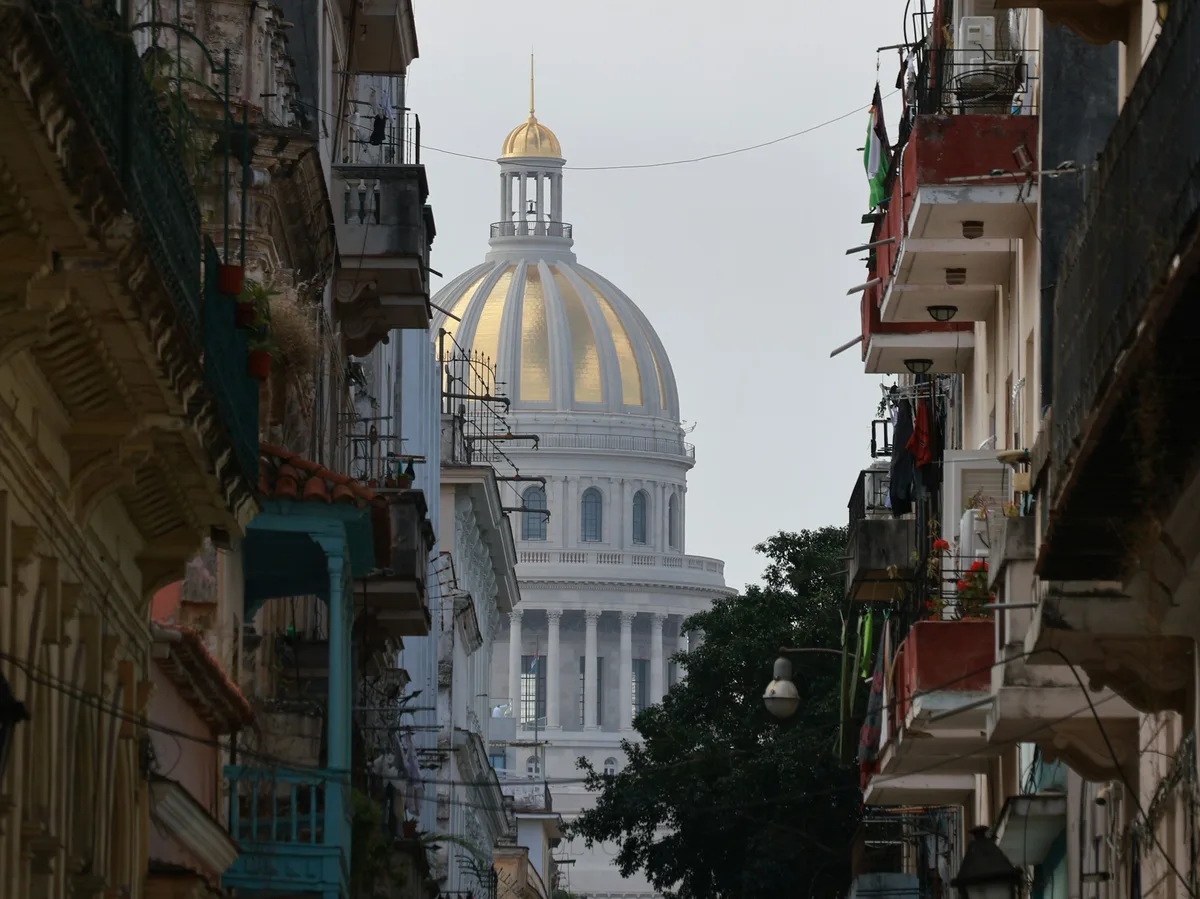 Old Havana (Habana Vieja)
Cuba
Havana's UNESCO World Heritage old town, built around four colonial squares — Plaza de Armas, Plaza Vieja, Plaza de San Francisco de Asís and Plaza de la Catedral — where restored Spanish-colonial mansions sit alongside vintage American cars.
2
Old Havana (Habana Vieja)
Cuba
Havana's UNESCO World Heritage old town, built around four colonial squares — Plaza de Armas, Plaza Vieja, Plaza de San Francisco de Asís and Plaza de la Catedral — where restored Spanish-colonial mansions sit alongside vintage American cars.
2
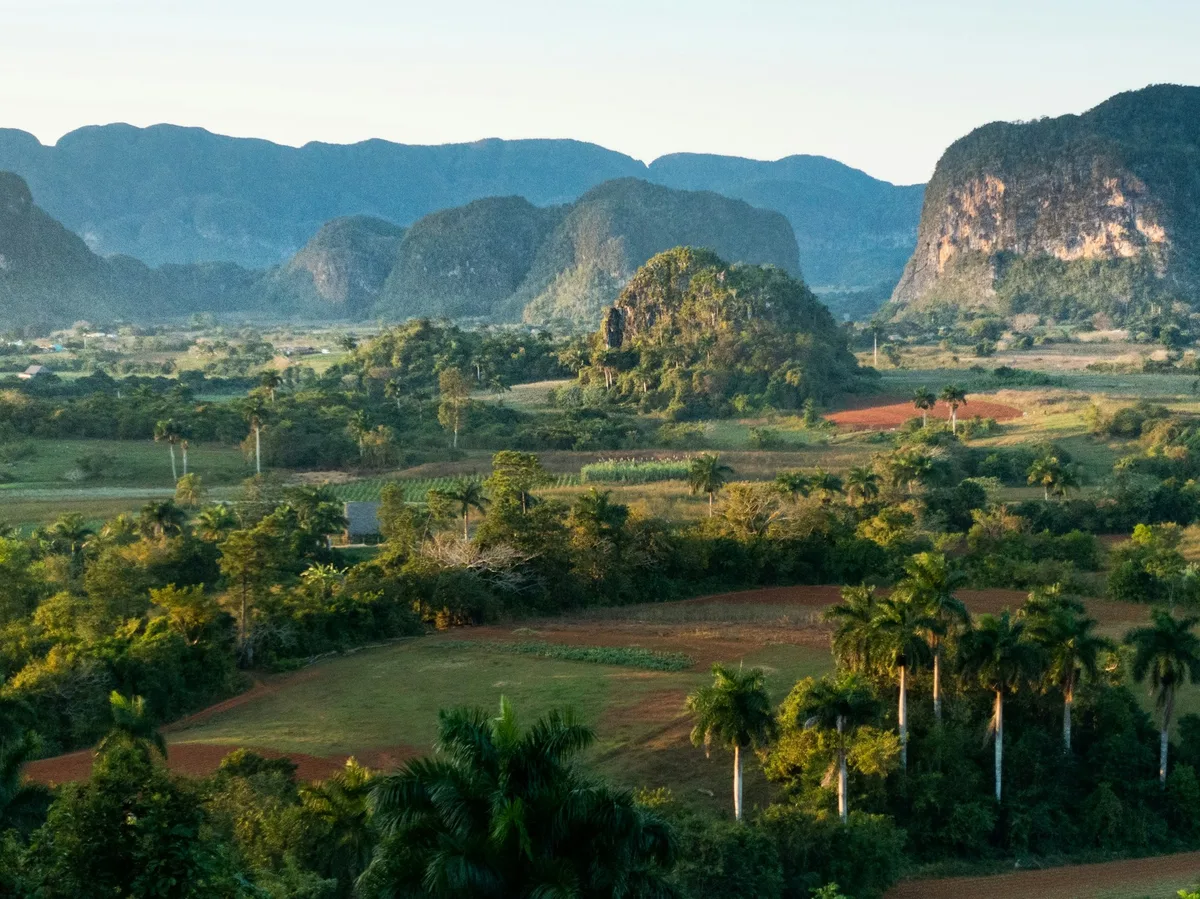 Viñales Valley
Cuba
A UNESCO-listed valley in western Cuba's Pinar del Río province, famous for its dramatic limestone mogotes, red-earth tobacco farms, and the traditional cigar-rolling process still practiced by local growers.
3
Viñales Valley
Cuba
A UNESCO-listed valley in western Cuba's Pinar del Río province, famous for its dramatic limestone mogotes, red-earth tobacco farms, and the traditional cigar-rolling process still practiced by local growers.
3
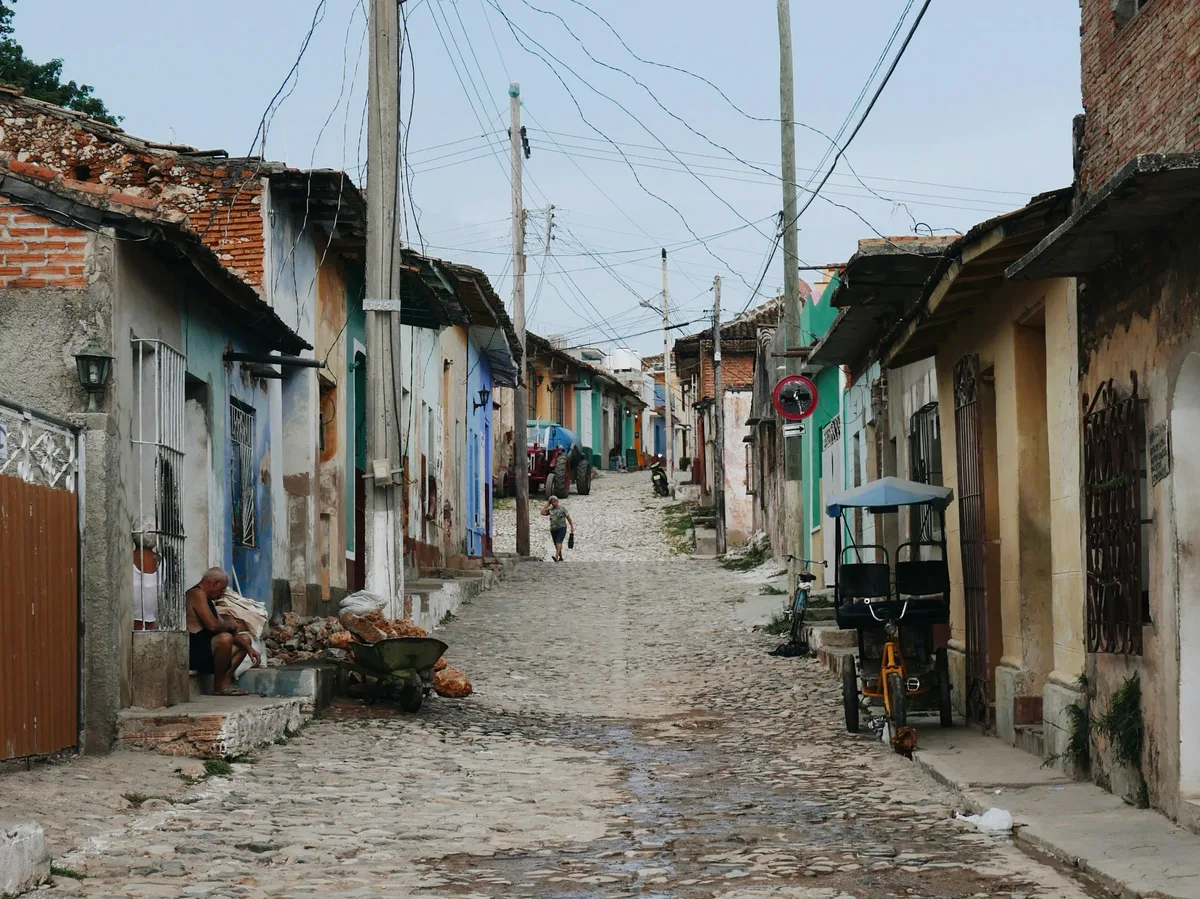 Trinidad's Colonial Old Town
Cuba
A near-perfectly preserved 16th-century town, another UNESCO World Heritage Site, known for its cobblestone streets, pastel-coloured colonial mansions, and the nearby Valle de los Ingenios sugar-mill estates.
4
Trinidad's Colonial Old Town
Cuba
A near-perfectly preserved 16th-century town, another UNESCO World Heritage Site, known for its cobblestone streets, pastel-coloured colonial mansions, and the nearby Valle de los Ingenios sugar-mill estates.
4
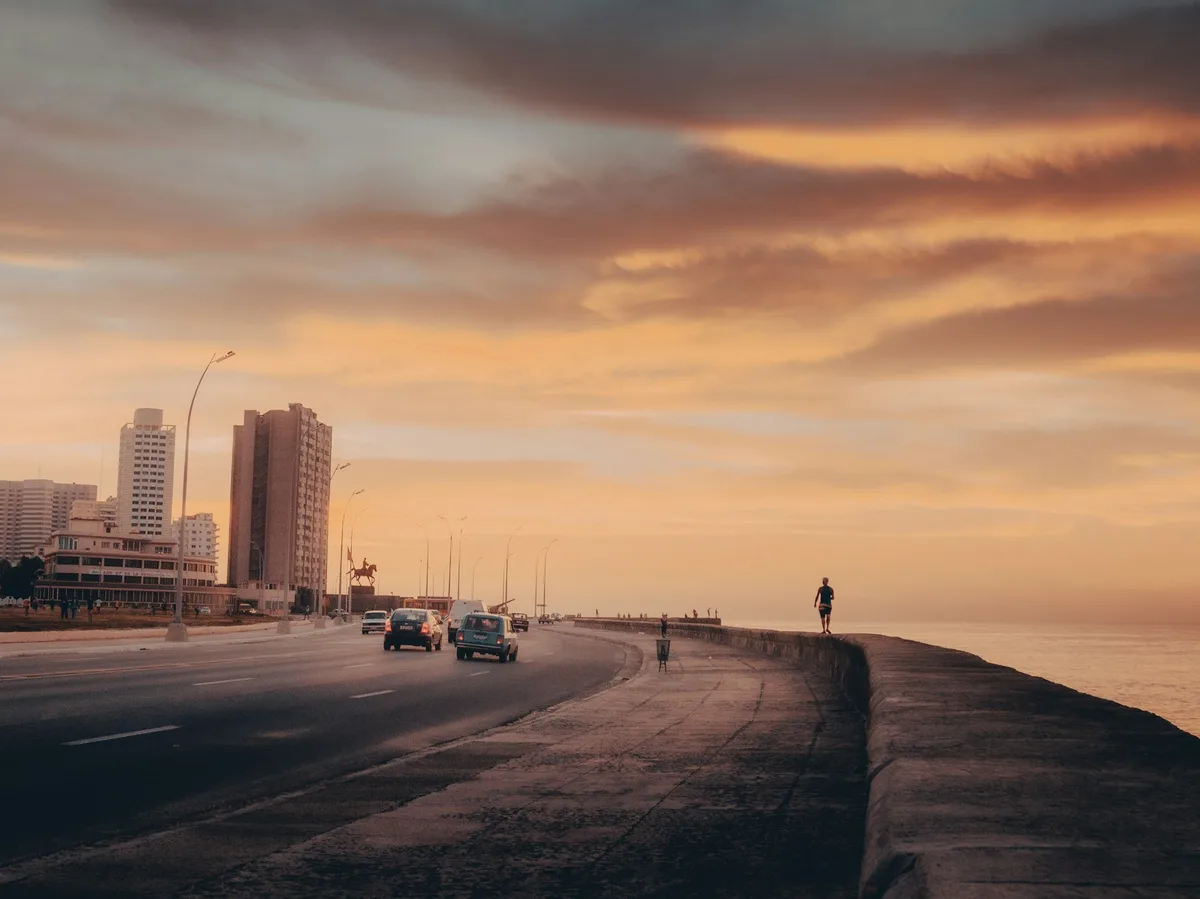 The Malecón, Havana
Cuba
Havana's iconic 8-kilometre seawall and promenade, running along the northern coast of the city, where locals gather at sunset and the skyline of the capital unfolds along the water.
5
The Malecón, Havana
Cuba
Havana's iconic 8-kilometre seawall and promenade, running along the northern coast of the city, where locals gather at sunset and the skyline of the capital unfolds along the water.
5
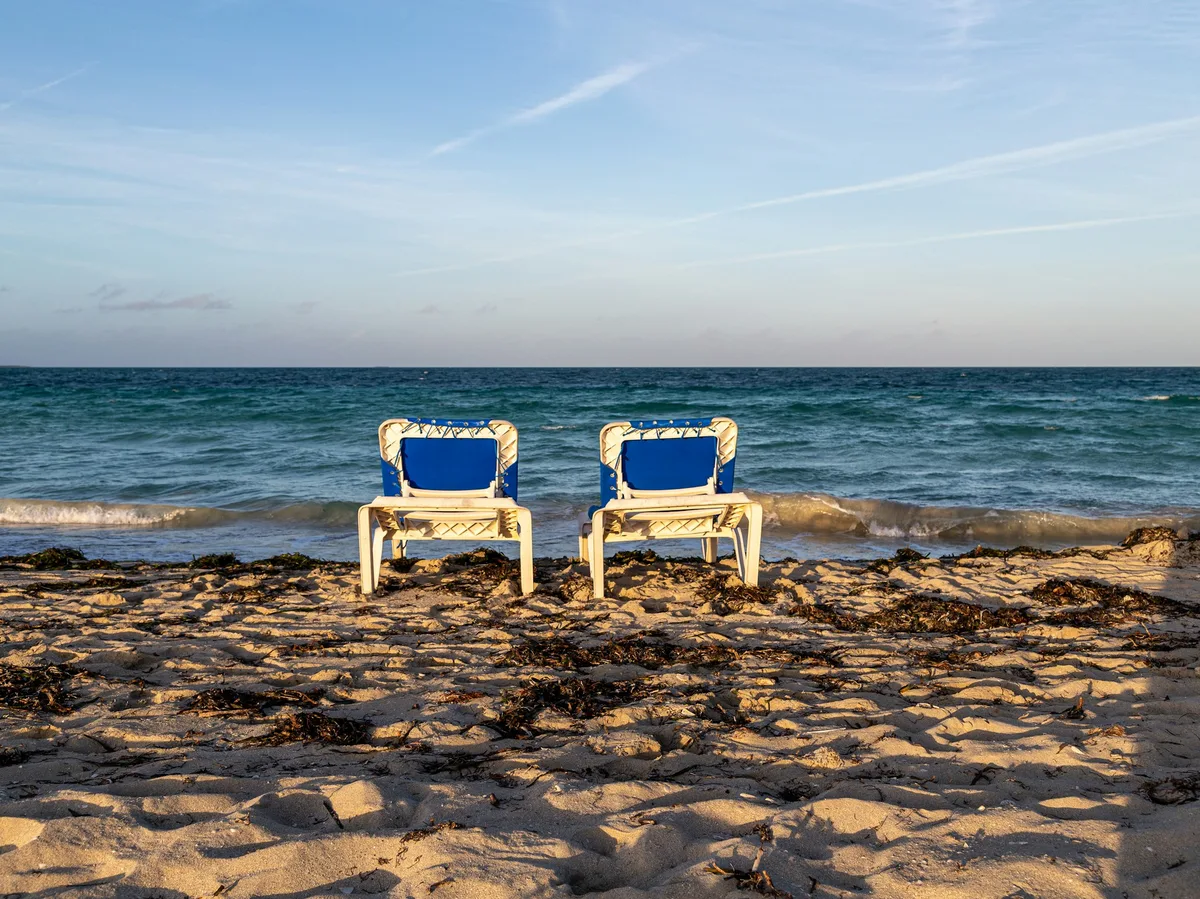 Varadero Beach
Cuba
Cuba's premier beach resort area on the Hicacos Peninsula, with roughly 20 kilometres of white sand and turquoise Caribbean water, and the country's main hub for all-inclusive beach stays.
6
Varadero Beach
Cuba
Cuba's premier beach resort area on the Hicacos Peninsula, with roughly 20 kilometres of white sand and turquoise Caribbean water, and the country's main hub for all-inclusive beach stays.
6
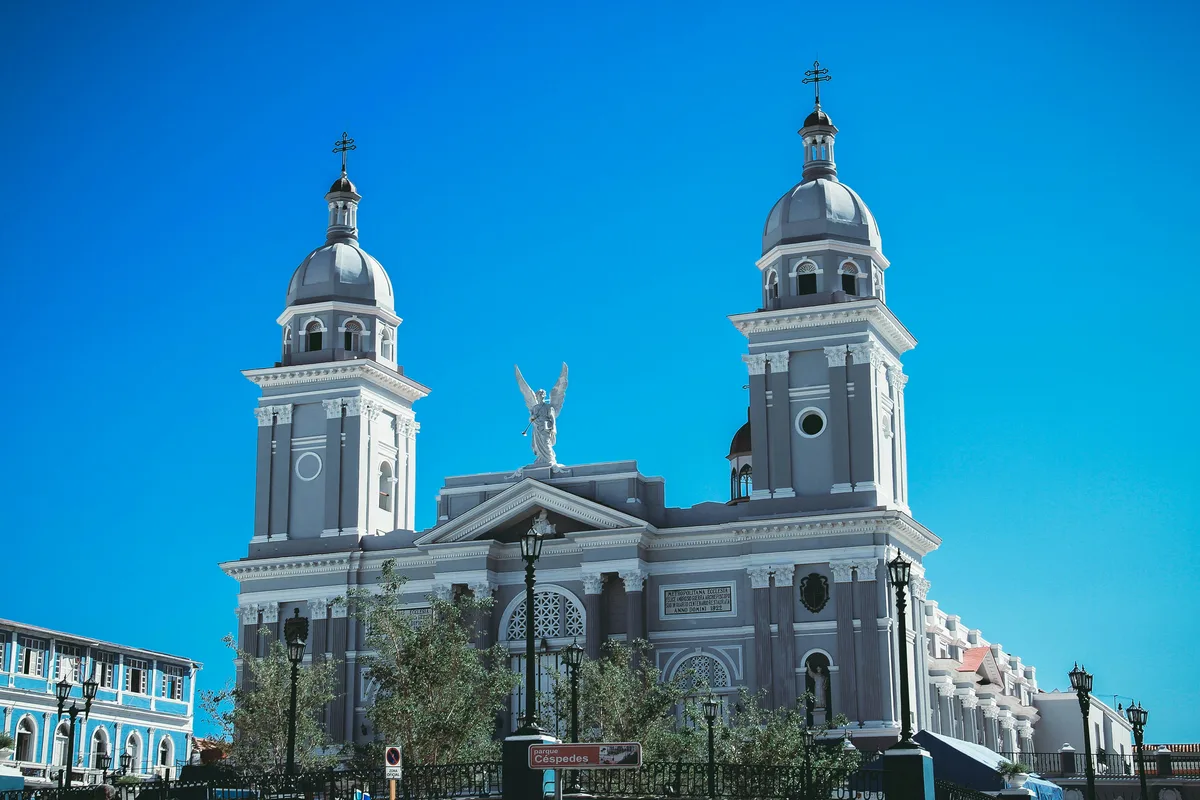 Santiago de Cuba's Historic Center
Cuba
Cuba's second city and the cradle of the 1959 revolution, with Cespedes Park, the cathedral overlooking it, and a stronger Afro-Caribbean musical heritage than Havana's.
7
Santiago de Cuba's Historic Center
Cuba
Cuba's second city and the cradle of the 1959 revolution, with Cespedes Park, the cathedral overlooking it, and a stronger Afro-Caribbean musical heritage than Havana's.
7
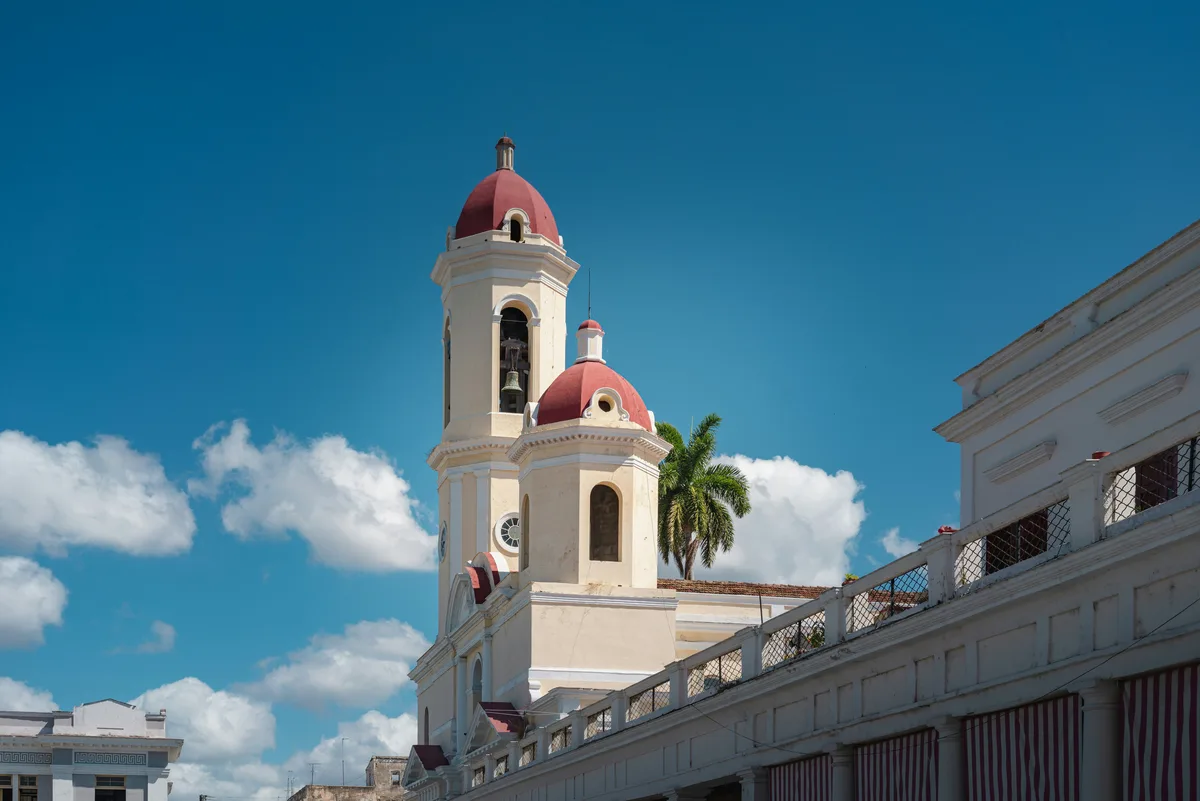 Cienfuegos, the Pearl of the South
Cuba
A UNESCO-listed port city on Cuba's south coast known for its French and Spanish neoclassical architecture, wide Paseo del Prado boulevard, and the domed cathedral overlooking Parque Marti.
8
Cienfuegos, the Pearl of the South
Cuba
A UNESCO-listed port city on Cuba's south coast known for its French and Spanish neoclassical architecture, wide Paseo del Prado boulevard, and the domed cathedral overlooking Parque Marti.
8
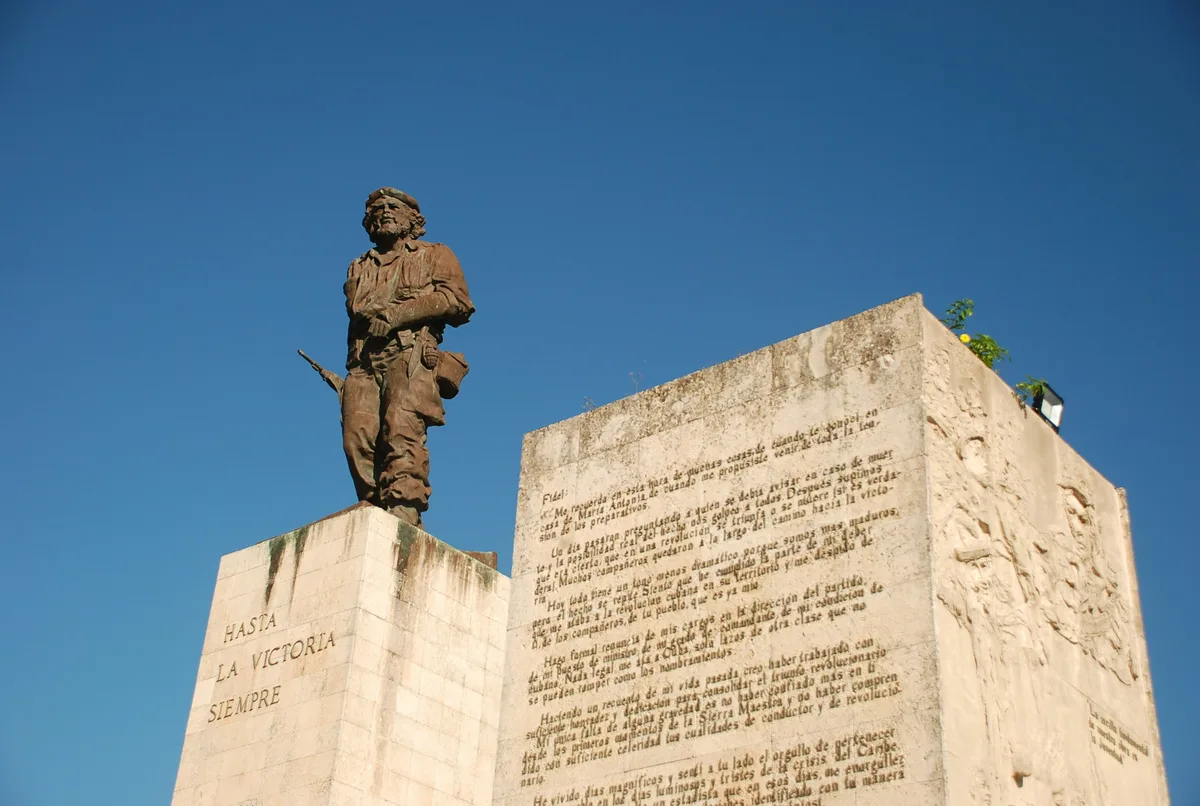 Che Guevara Mausoleum, Santa Clara
Cuba
A monument and museum in Santa Clara holding Che Guevara's remains, built where the decisive 1958 battle of the Cuban Revolution was fought.
9
Che Guevara Mausoleum, Santa Clara
Cuba
A monument and museum in Santa Clara holding Che Guevara's remains, built where the decisive 1958 battle of the Cuban Revolution was fought.
9
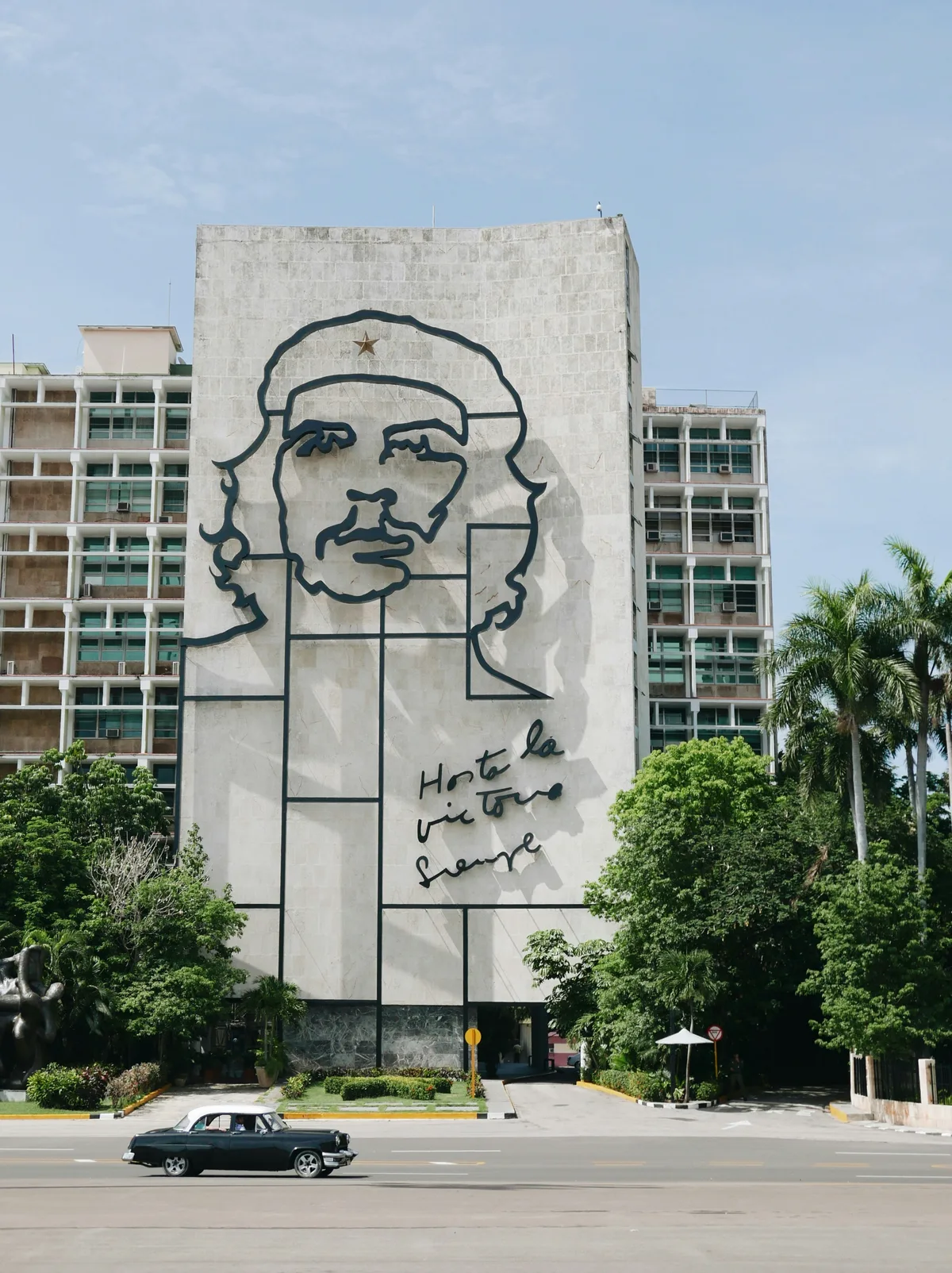 Plaza de la Revolucion, Havana
Cuba
Havana's ceremonial civic square, dominated by the Jose Marti Memorial obelisk and the outline murals of Che Guevara and Camilo Cienfuegos on the government buildings facing it.
Multi-Day Tours Popular Pick
Plaza de la Revolucion, Havana
Cuba
Havana's ceremonial civic square, dominated by the Jose Marti Memorial obelisk and the outline murals of Che Guevara and Camilo Cienfuegos on the government buildings facing it.
Multi-Day Tours Popular Pick
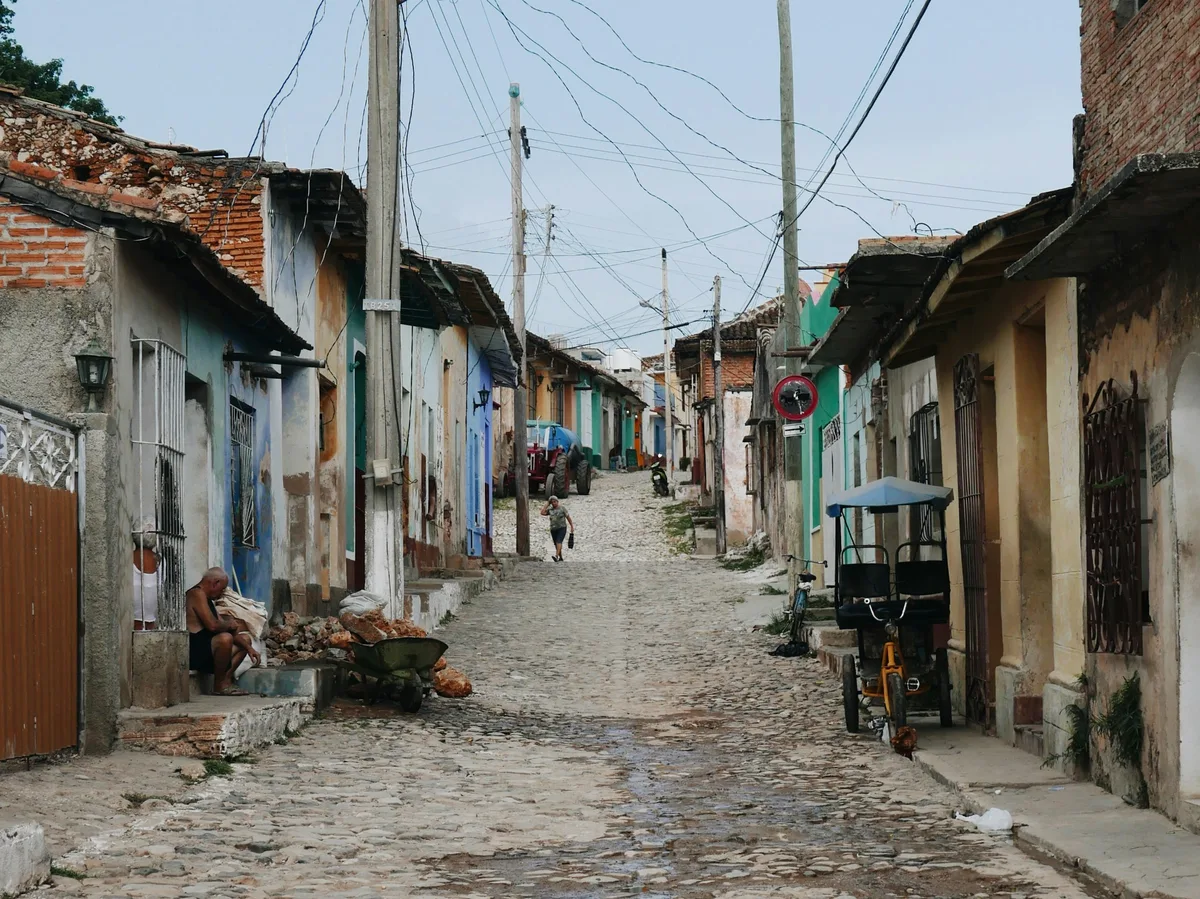
An 8-day circuit through Cuba's three most iconic stops — colonial Havana by vintage car, the tobacco valleys of Viñales, and the cobblestoned streets of Trinidad.
 Multi-Day Tours
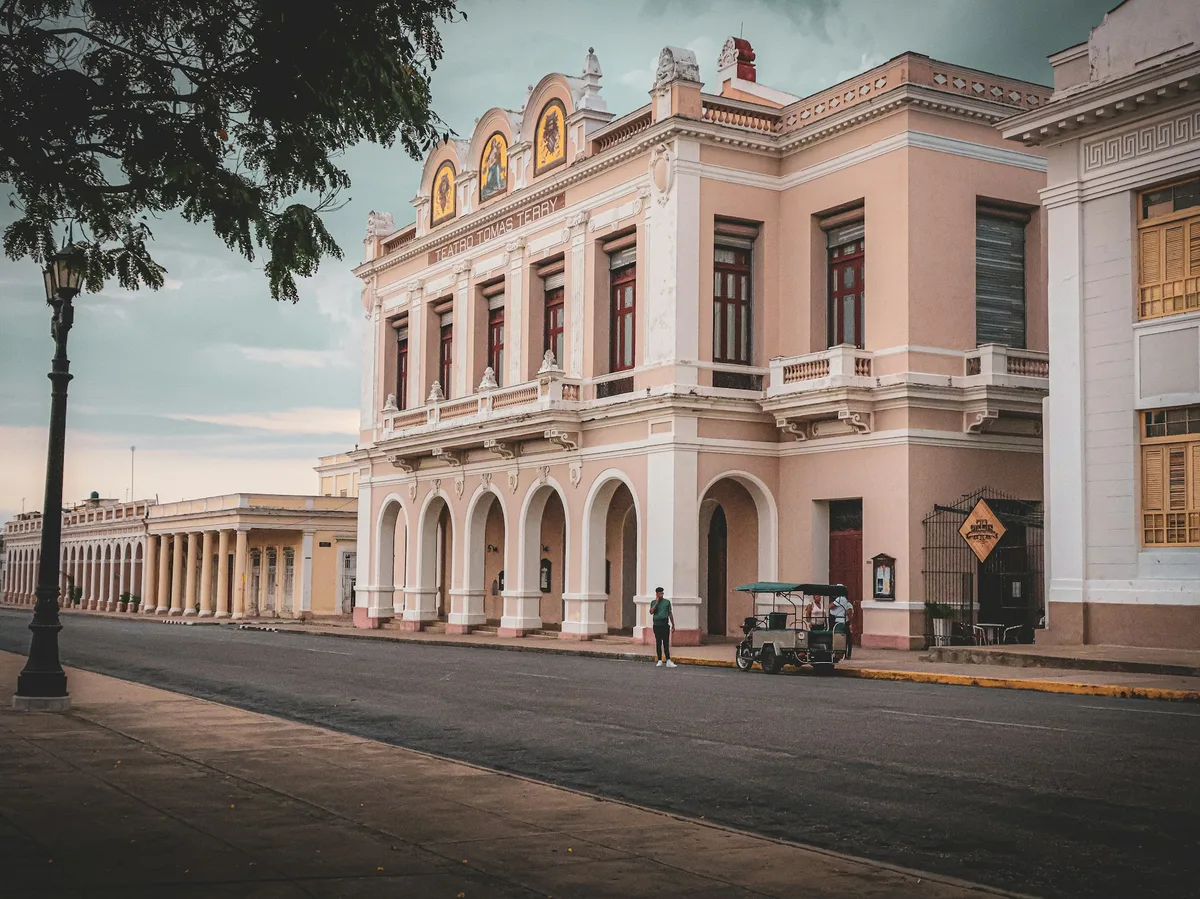
A 10-day route that goes beyond the postcard stops — Havana's Old Town, the eco-community of Las Terrazas, the French-colonial port of Cienfuegos, Trinidad, and Che Guevara's Santa Clara.
 Multi-Day Tours
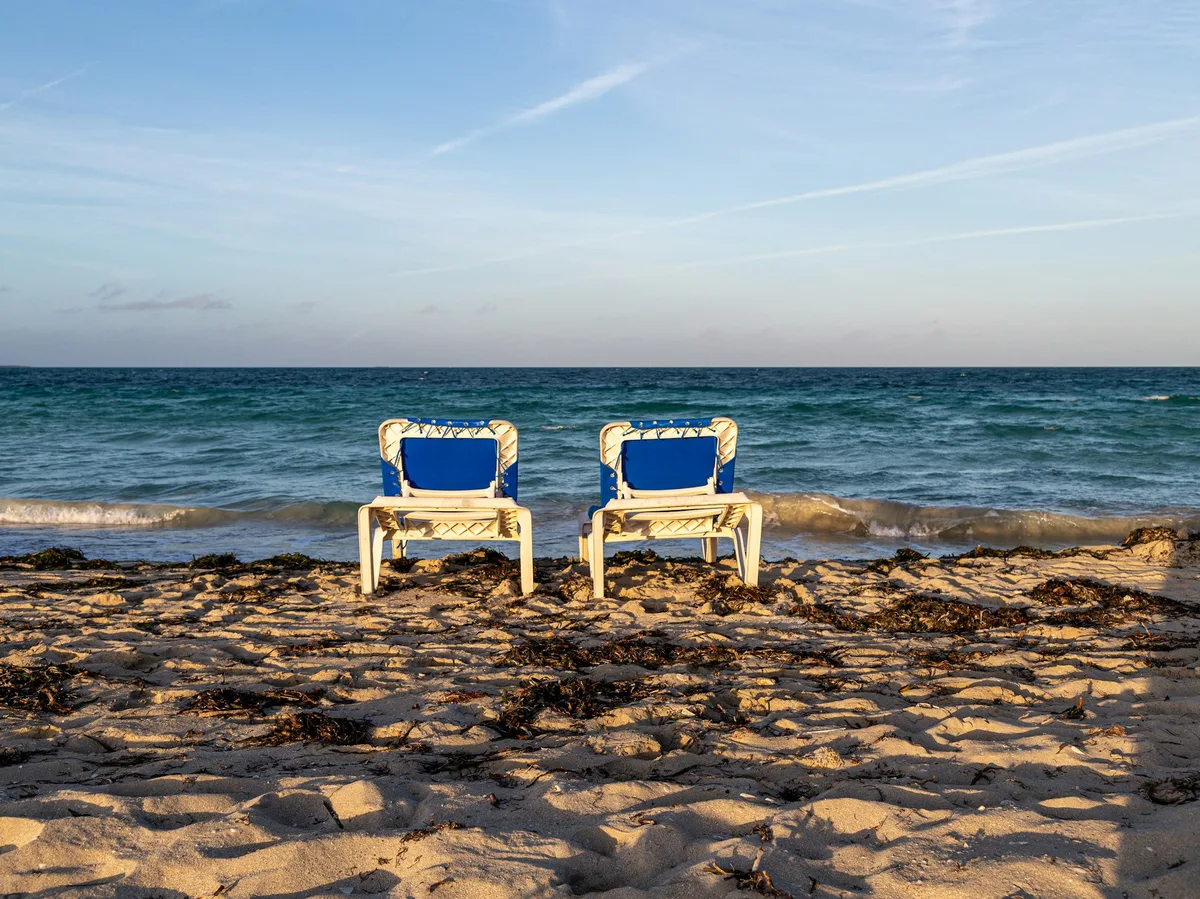
A 12-day pairing of Western Cuba's historic cities — Havana, Viñales, Cienfuegos and Trinidad — with three unwinding days at the all-inclusive Cayo Ensenachos beach resort.
 Multi-Day Tours
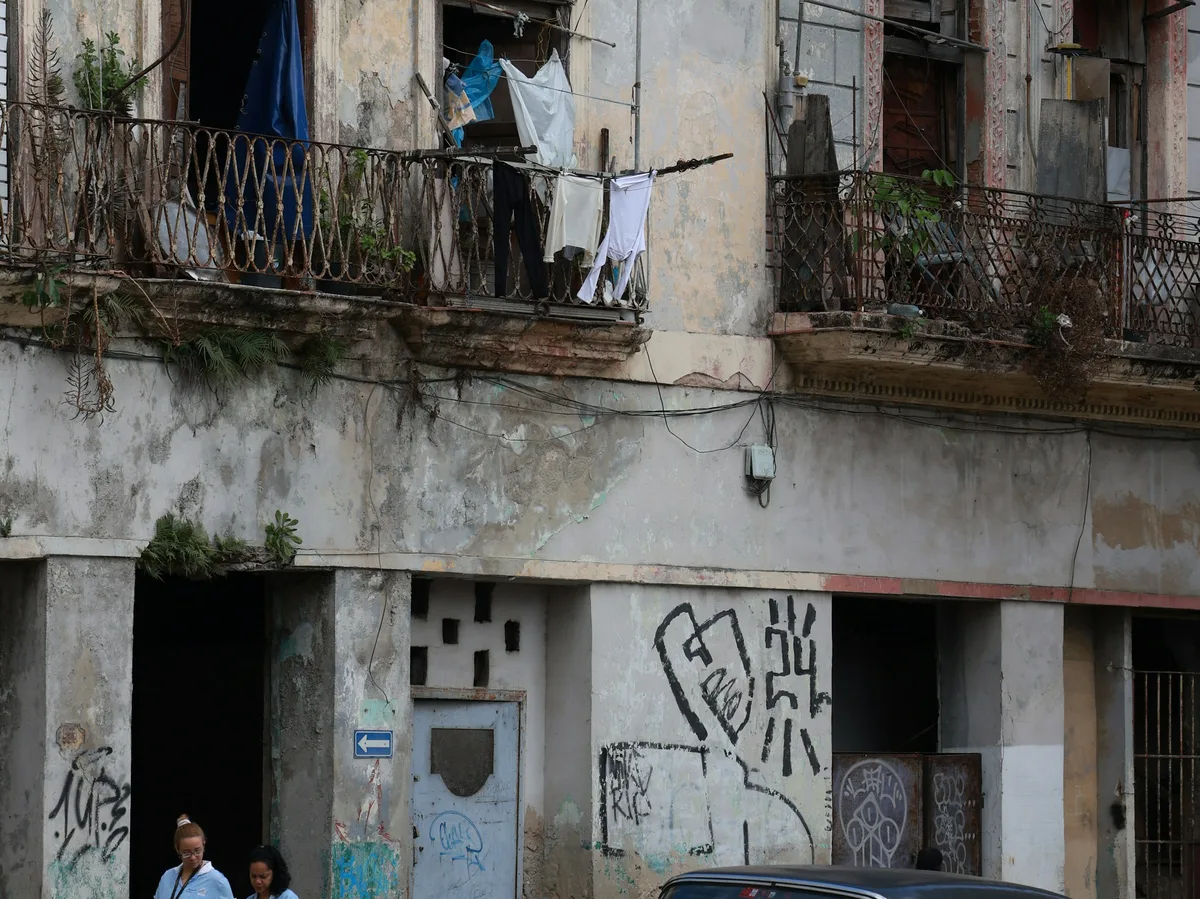
An 8-day, single-base beach holiday on Varadero's white sand, for travellers who want Cuba's Caribbean coastline without the road time.
 Multi-Day Tours
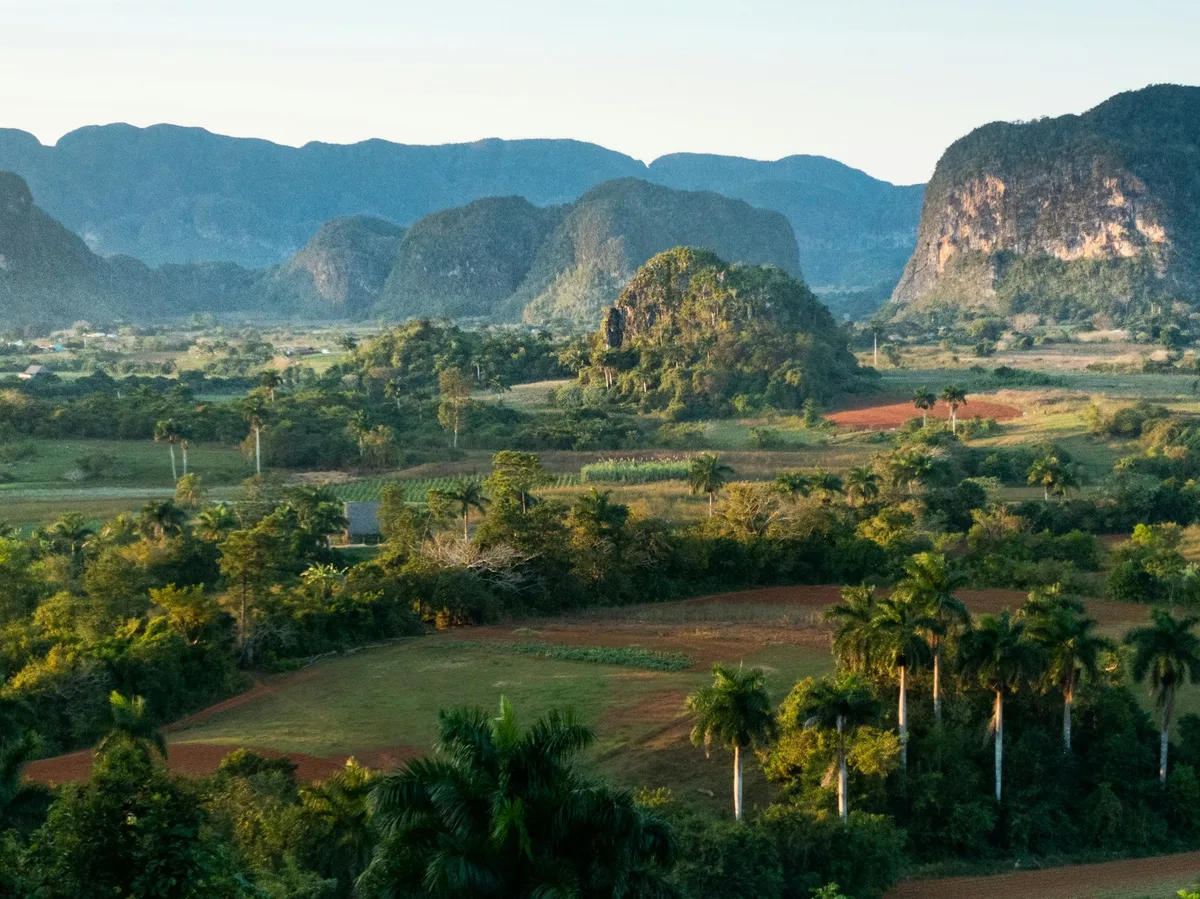
A 12-day family itinerary built around shorter driving days, workshops for kids in Trinidad, and beach time in Varadero — priced around a family of four.
 Multi-Day Tours
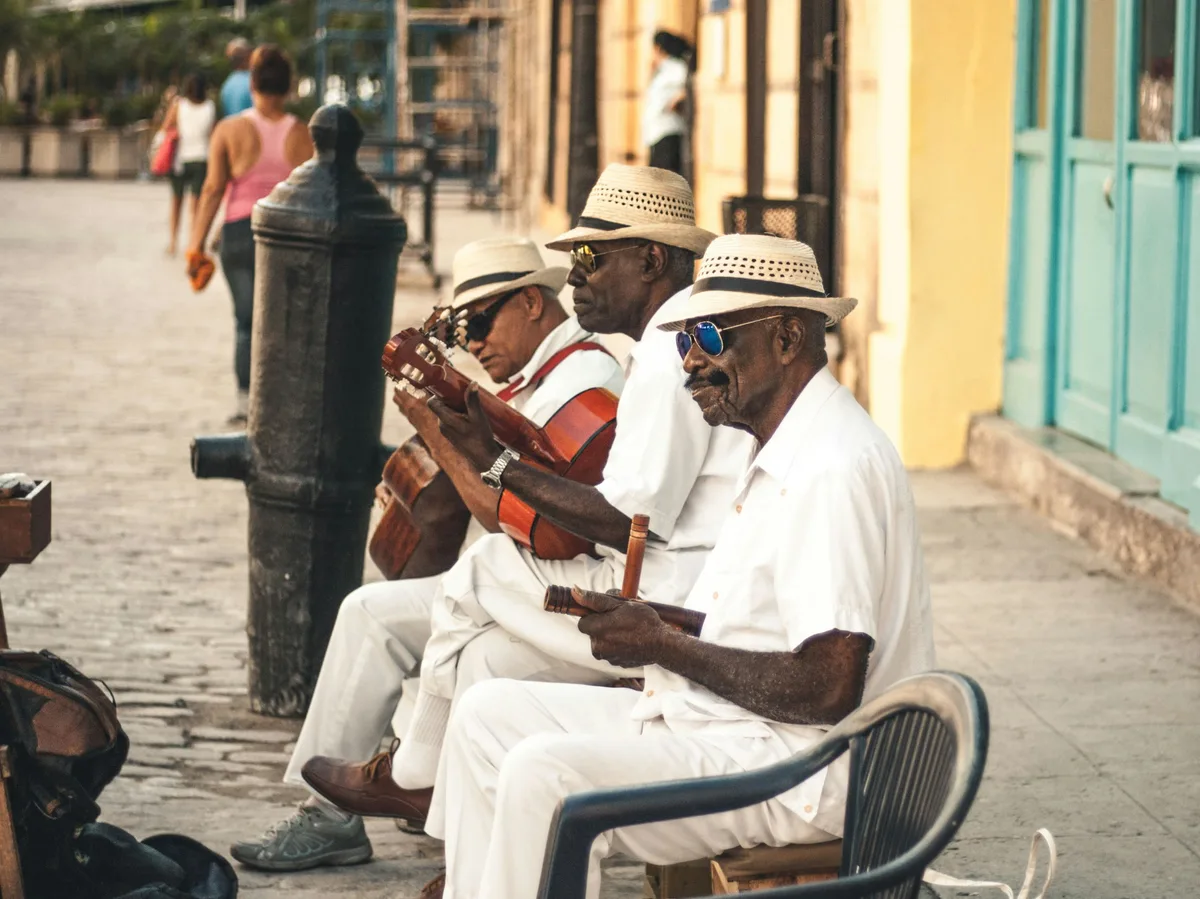
A compact 8-day loop through Cuba's west — Havana's classic-car streets, Viñales' tobacco country, and a beach finish in Varadero.
 Multi-Day Tours
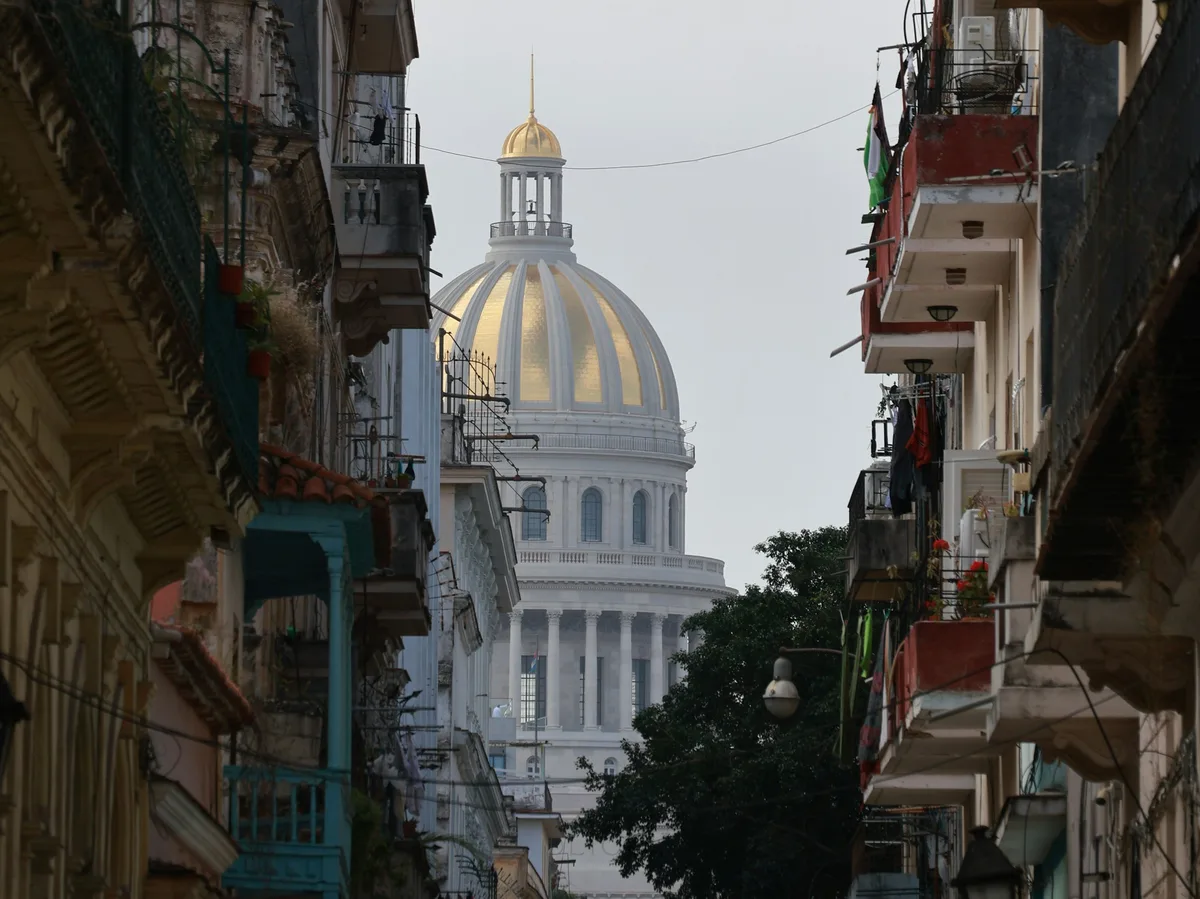
A 10-day cultural route — Havana by vintage car, a full day at the Valle de los Ingenios sugar estates, a bicitaxi tour of Trinidad, and three days unwinding in Varadero.
 Multi-Day Tours
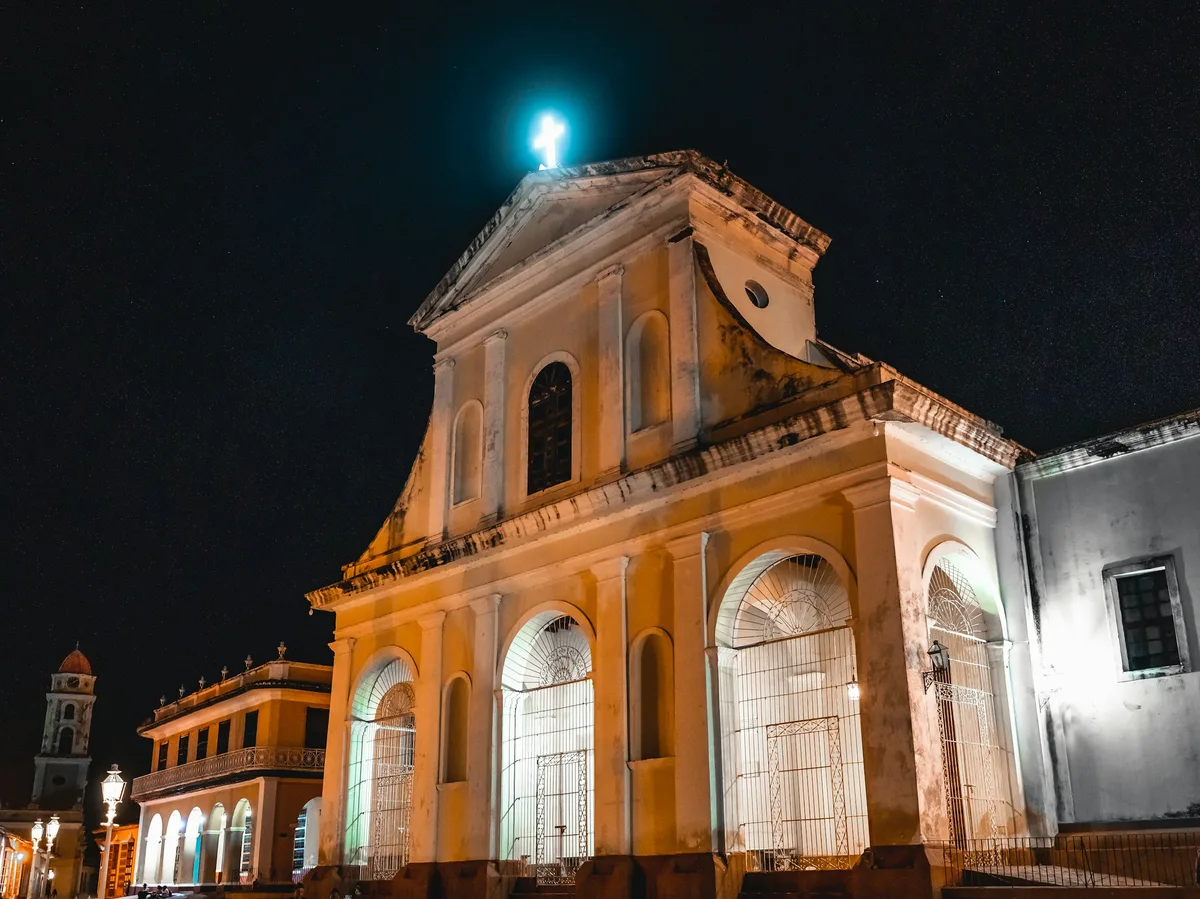
A food-focused 10-day route through Havana, Viñales, Trinidad and Varadero, with a market visit and cooking class, a farm-to-table dinner, and a rum-and-seafood finish on the coast.
 Multi-Day Tours
A romance-paced 12-day route from Havana through Viñales, Cienfuegos and Trinidad, finishing with four nights at an all-inclusive resort on Cayo Santa María.
Most visitors need a Cuban tourist card, usually arranged through your airline or a travel agent before departure rather than on arrival. US travelers face additional requirements tied to the ongoing embargo — entry currently has to fall under one of several authorized categories, such as 'support for the Cuban people' — so it's worth confirming the current rules well before booking.
Cuba unified its currency in 2021, retiring the old dual-currency (CUP/CUC) system, but the practical challenge for visitors remains the same: foreign, and especially US-issued, cards generally don't work due to the embargo. Bring enough cash for your trip, ideally euros or Canadian dollars, which convert more favorably than US dollars.
Spanish is the official language nationwide. English is spoken in hotels and by guides in tourist areas, but less so outside them, so a few Spanish basics go a long way.
Cuba has been governed by the Communist Party as a one-party state since 1959. This doesn't typically affect tourists day-to-day, but it does explain the country's dated infrastructure and the reason a private guide and driver make such a practical difference.
Cuba is warm and humid year-round, driest and most comfortable from November through April. Hurricane season runs roughly June through November, with the highest risk in August-October, worth factoring into travel dates.
Cuba has low rates of violent crime against tourists, and petty theft in crowded areas is the main practical concern. The bigger day-to-day challenges tend to be logistical — dated infrastructure, limited cash access, and patchy connectivity — rather than personal safety.
Tell us your group size and dates — we'll take care of the rest.