TorontoOntario · 36 tours
 Niagara FallsOntario · 25 tours
 New York CityNew York · 30 tours
 Las VegasNevada · 8 tours
 San FranciscoCalifornia · 16 tours
 VancouverBritish Columbia · 17 tours
 DubaiUAE · 54 tours
 Abu DhabiUAE · 5 tours
 Buenos AiresArgentina · 23 tours
 AthensGreece · 31 tours
 AucklandNew Zealand · 38 tours
 CancunMexico · 54 tours
No destinations match “”. Try searching all tours instead — that search understands full questions, not just place names.
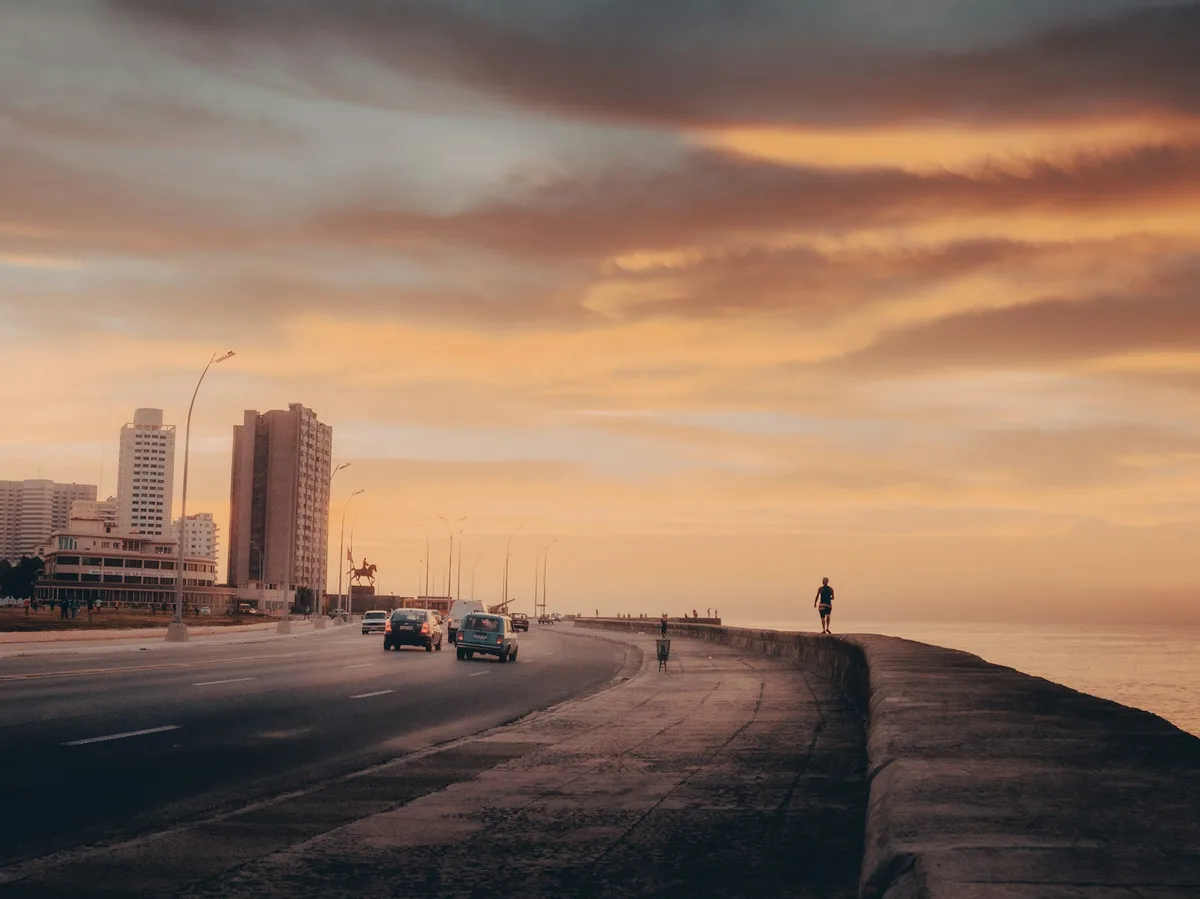
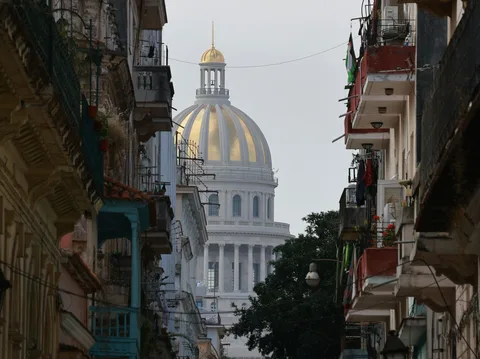
Havana's iconic 8-kilometre seawall and promenade, running along the northern coast of the city, where locals gather at sunset and the skyline of the capital unfolds along the water.
 Multi-Day Tours
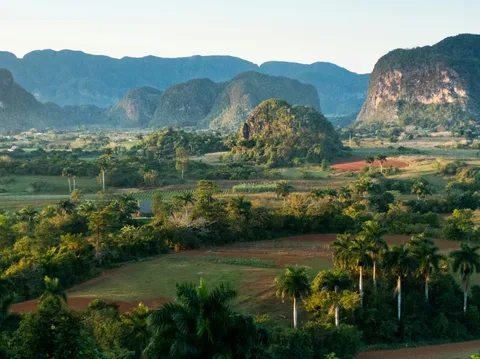
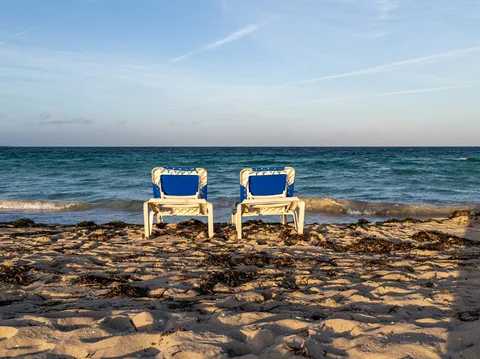
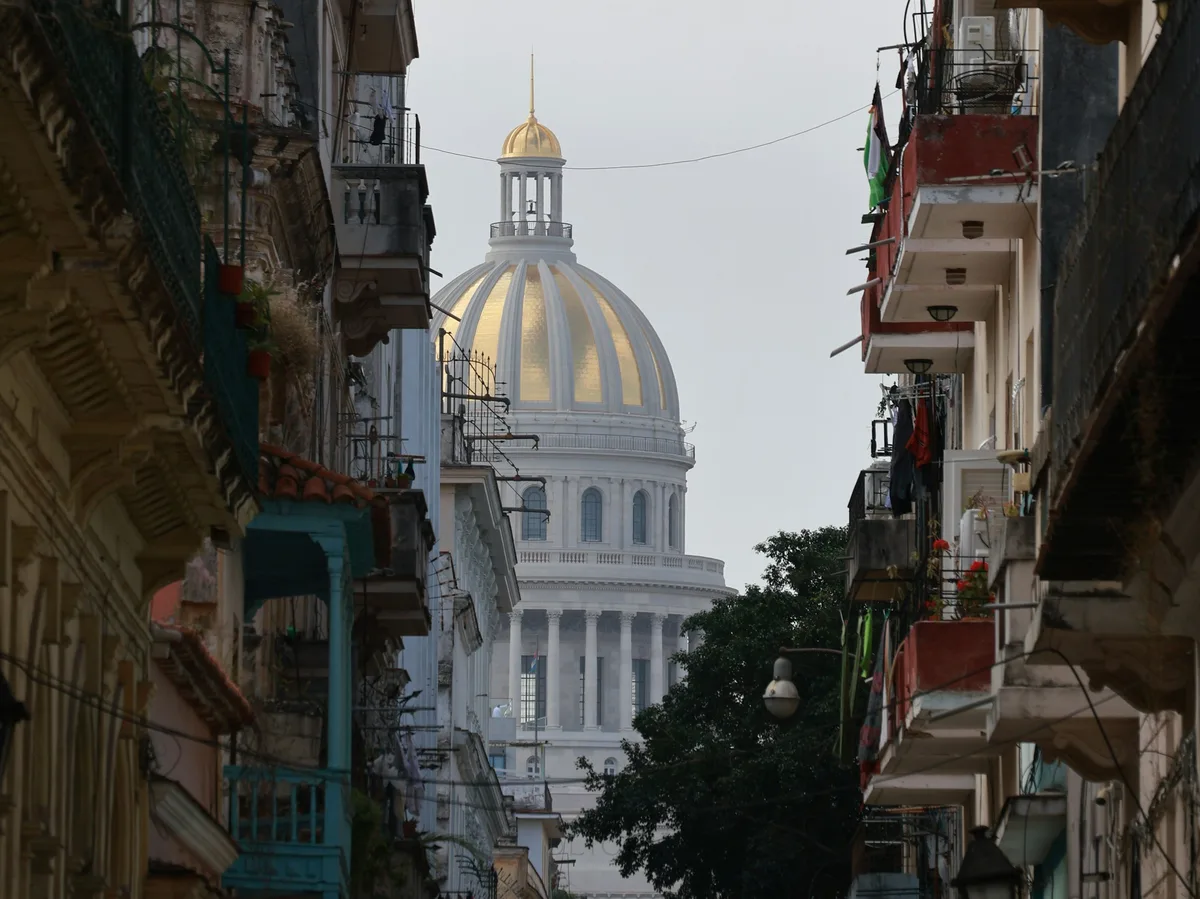
A food-focused 10-day route through Havana, Viñales, Trinidad and Varadero, with a market visit and cooking class, a farm-to-table dinner, and a rum-and-seafood finish on the coast.
 Multi-Day Tours
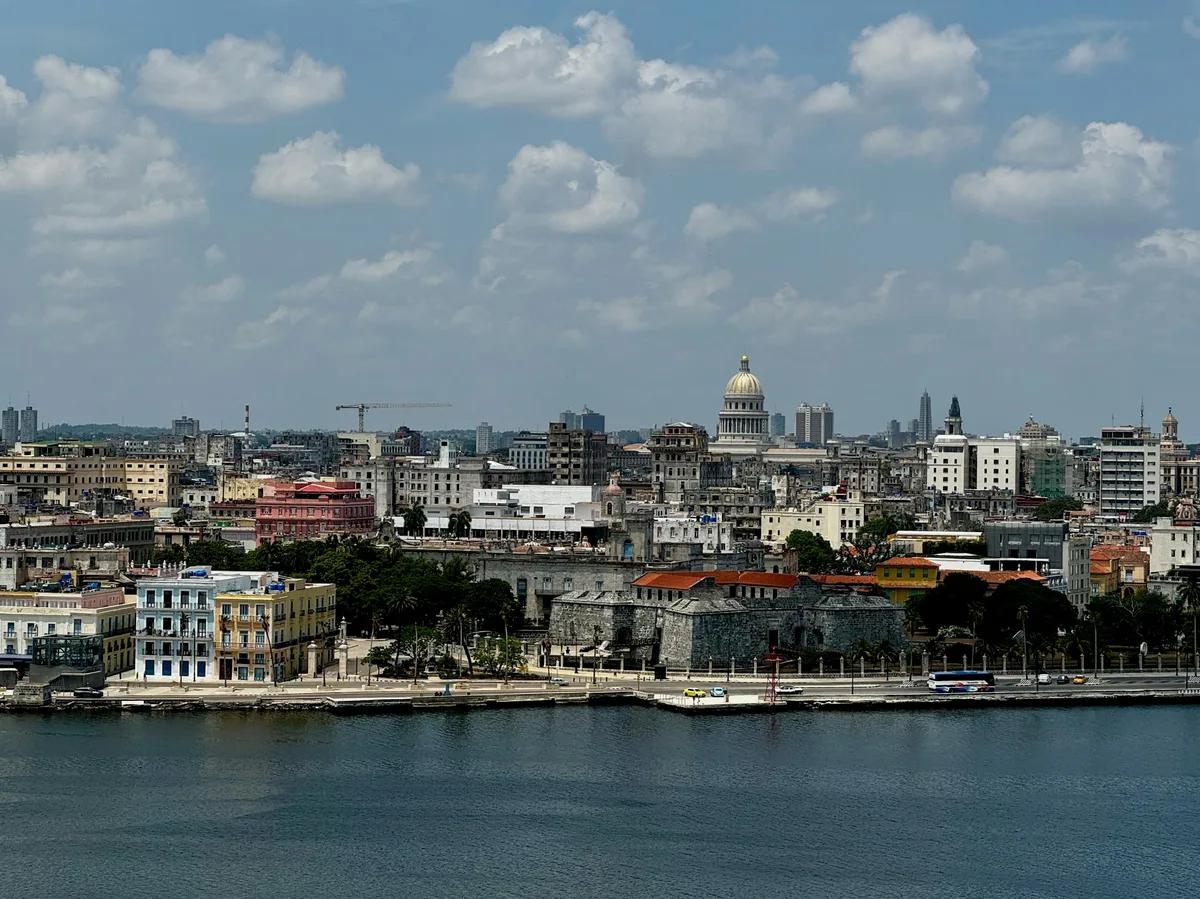
A short, 5-day dive into Havana alone — Old Town on foot and by vintage convertible, a Tropicana Cabaret night, and time with the city's art scene.
 Multi-Day Tours
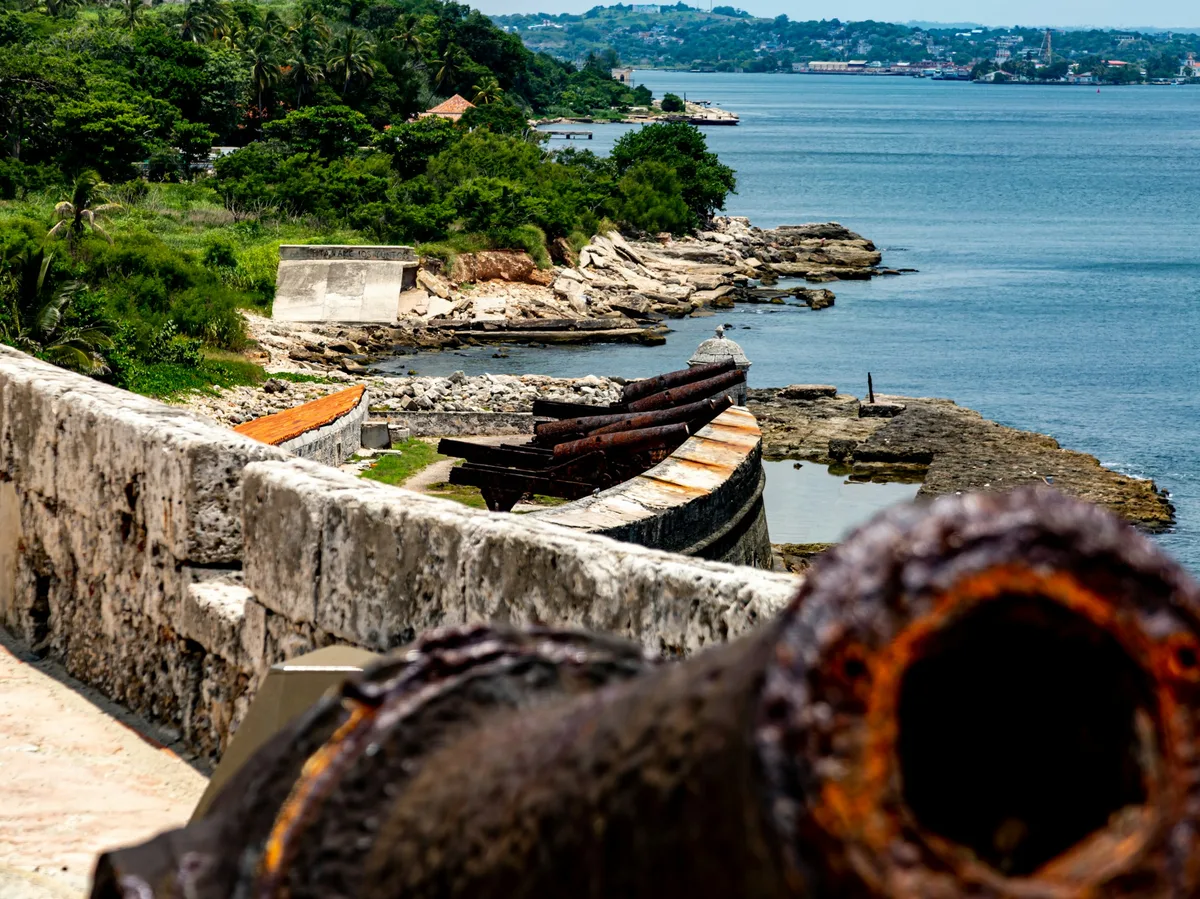
A 15-day east-to-west traverse — starting in Holguín and Baracoa, through Santiago de Cuba and Camagüey, and finishing with Havana and Viñales in the west.
Visitor guide
The Malecon is Havana's seafront esplanade, roadway and seawall, running about eight kilometres along the coast from the mouth of Havana Harbour in Old Havana to the mouth of the Almendares River. Officially named Avenida de Maceo, it passes Centro Habana and Vedado.
Work began in 1901, during a period of temporary US military administration, and its main purpose was to shield Havana from the sea, especially from winter cold fronts that drove waves against buildings on San Lazaro street. Wikipedia describes the first 500-metre section, marked by a roundabout at Paseo del Prado, as reportedly Cuba's first structure built with steel-reinforced concrete.
The Malecon grew in stages: from Paseo del Prado to Calle Crespo in 1901 and 1902, to the USS Maine monument by 1921, along the bay entrance between 1927 and 1930, and to the mouth of the Almendares River between 1948 and 1952. The seawall is built of reinforced concrete.
Monuments along the route include memorials to Maximo Gomez, Antonio Maceo and Calixto Garcia, and the monument to the victims of the USS Maine. A statue of Jose Marti stands in the Plaza de la Dignidad, facing the US Embassy. Historic buildings include the Castillo de la Real Fuerza, the Castillo de San Salvador de la Punta, Malecon 17, known as Las Cariatides, and the Hotel Nacional.
In 1957 and 1958 the roadway even hosted the Cuban Grand Prix.
The Hotel Nacional, which looks over the Malecon from the Vedado district, opened on 30 December 1930. Wikipedia says it was designed by the New York firm McKim, Mead and White in a Spanish eclectic style mixing Sevillian, Roman, Moorish and Art Deco elements. It was the site of a 1933 siege of officers and, in December 1946, a meeting of American organised crime figures that Francis Ford Coppola later dramatised in The Godfather Part II. Tunnels dug beneath its grounds during the Cuban Missile Crisis era can be visited on guided tours.
The Malecon is as much a social space as a road. Wikipedia says Cubans still use it heavily, and that poorer families fish there at night. Many of the buildings facing the sea have weathered badly from salt and spray, yet the waterfront remains one of the most popular places in Havana. The Malecon cocktail is attributed to John Escalante, though that link is marked as needing a citation.
Because waves can break over the wall in rough weather, conditions along the seafront change with the sea state.
The first section of the seawall was also notable because it was built during a period of temporary US military administration after the Spanish-American War, which shaped the early public works of the republic. Havana's Malecon is therefore both a piece of coastal engineering and a record of the city's twentieth-century growth westward from the old harbour.
A private guided drive or walk along the Malecon connects Old Havana with Vedado and works well at sunset, when the light falls on the seafront facades. A local driver can drop guests at key points such as the Hotel Nacional or the monuments, and a guide can explain the history of each stretch.
See every tour and attraction we cover in Cuba.