TorontoOntario · 36 tours
 Niagara FallsOntario · 25 tours
 New York CityNew York · 30 tours
 Las VegasNevada · 8 tours
 San FranciscoCalifornia · 16 tours
 VancouverBritish Columbia · 17 tours
 DubaiUAE · 54 tours
 Abu DhabiUAE · 5 tours
 Buenos AiresArgentina · 23 tours
 AthensGreece · 31 tours
 AucklandNew Zealand · 38 tours
 CancunMexico · 54 tours
No destinations match “”. Try searching all tours instead — that search understands full questions, not just place names.
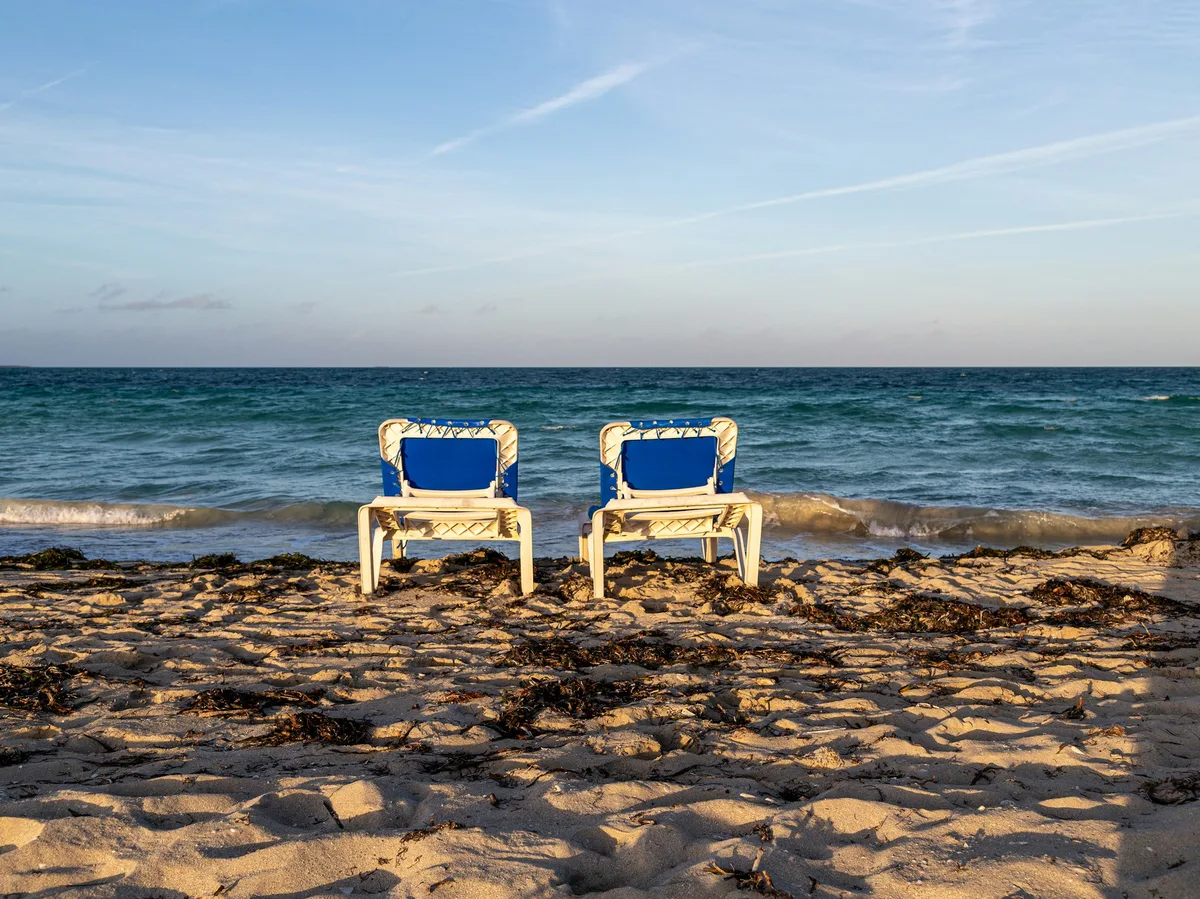
Cuba's premier beach resort area on the Hicacos Peninsula, with roughly 20 kilometres of white sand and turquoise Caribbean water, and the country's main hub for all-inclusive beach stays.
 Multi-Day Tours
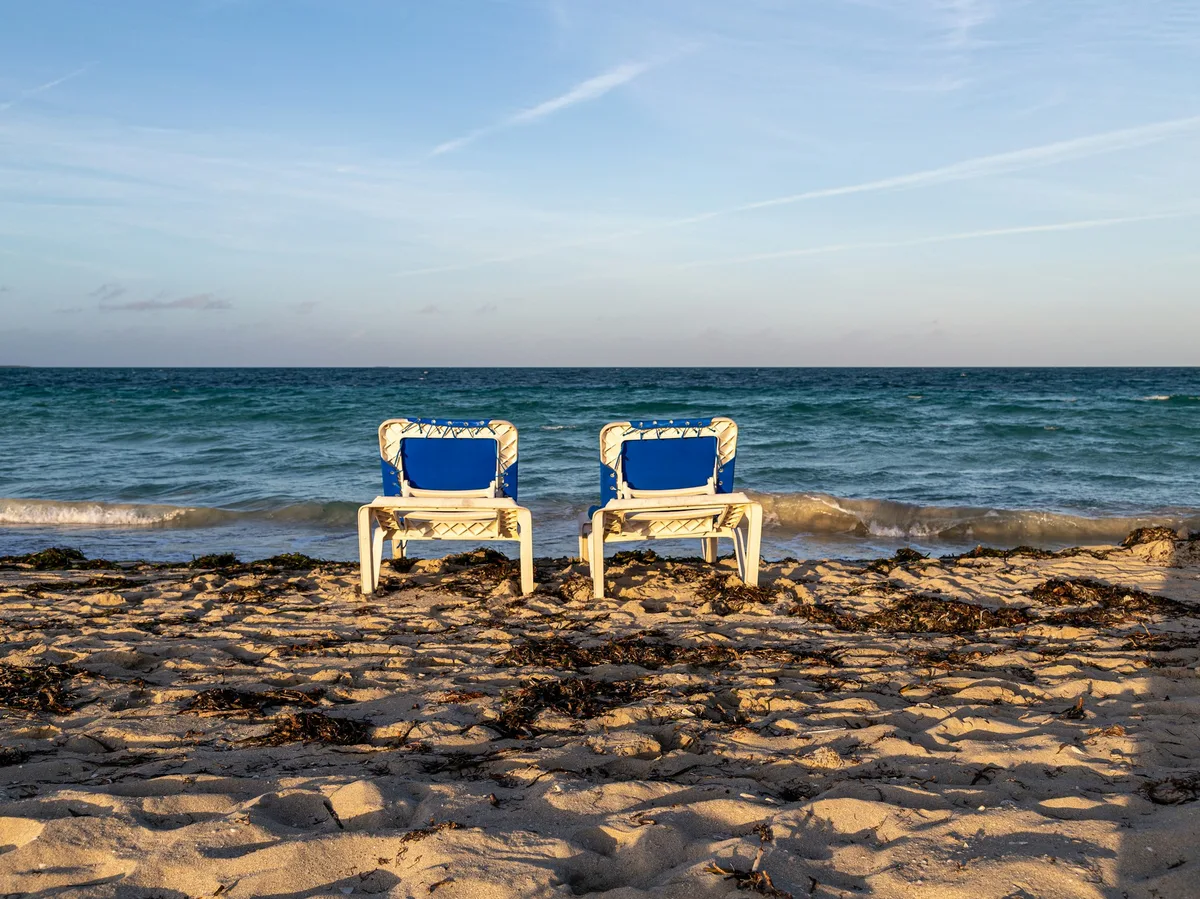
An 8-day, single-base beach holiday on Varadero's white sand, for travellers who want Cuba's Caribbean coastline without the road time.
 Multi-Day Tours
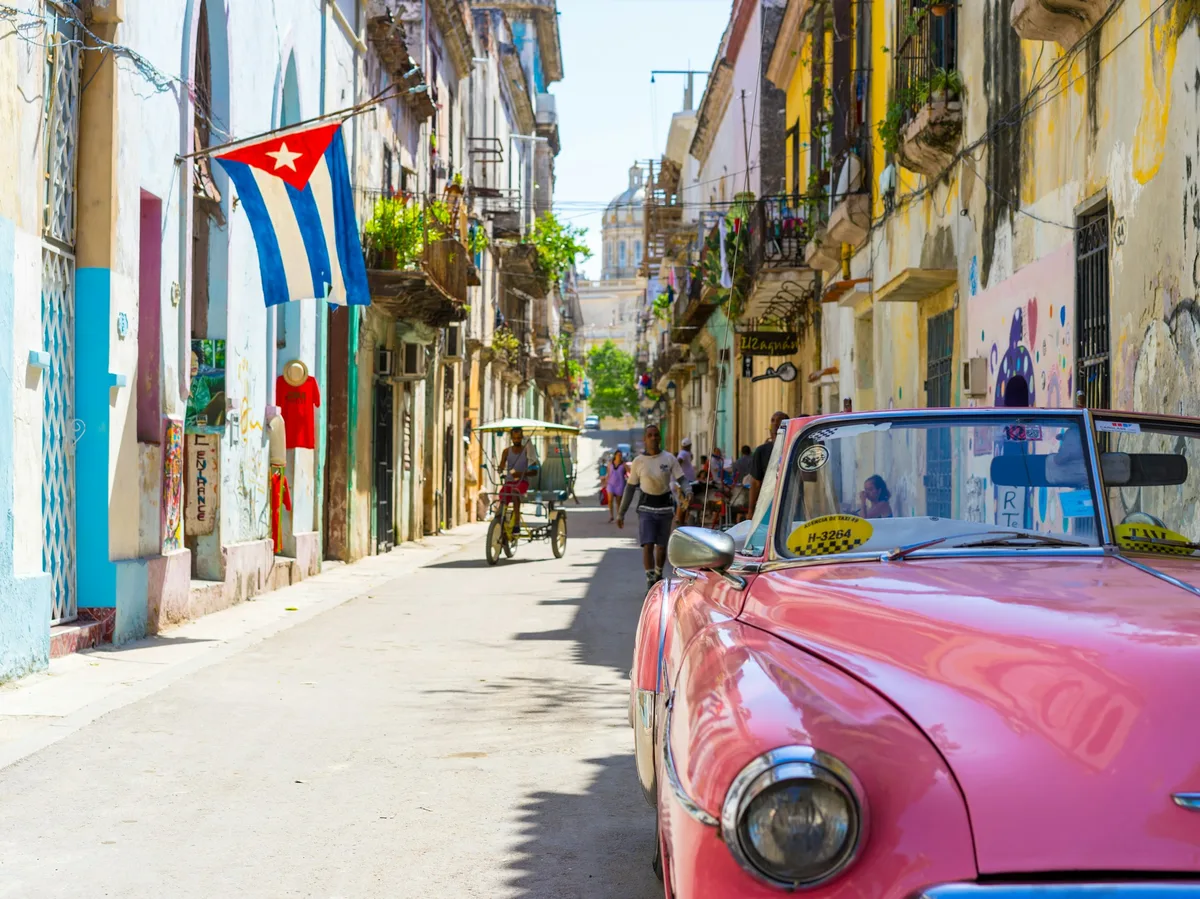
A 15-day self-drive route across Western and Central Cuba — Havana, Viñales, Península de Zapata, Cienfuegos and Trinidad — before four nights relaxing in Varadero.
 Multi-Day Tours
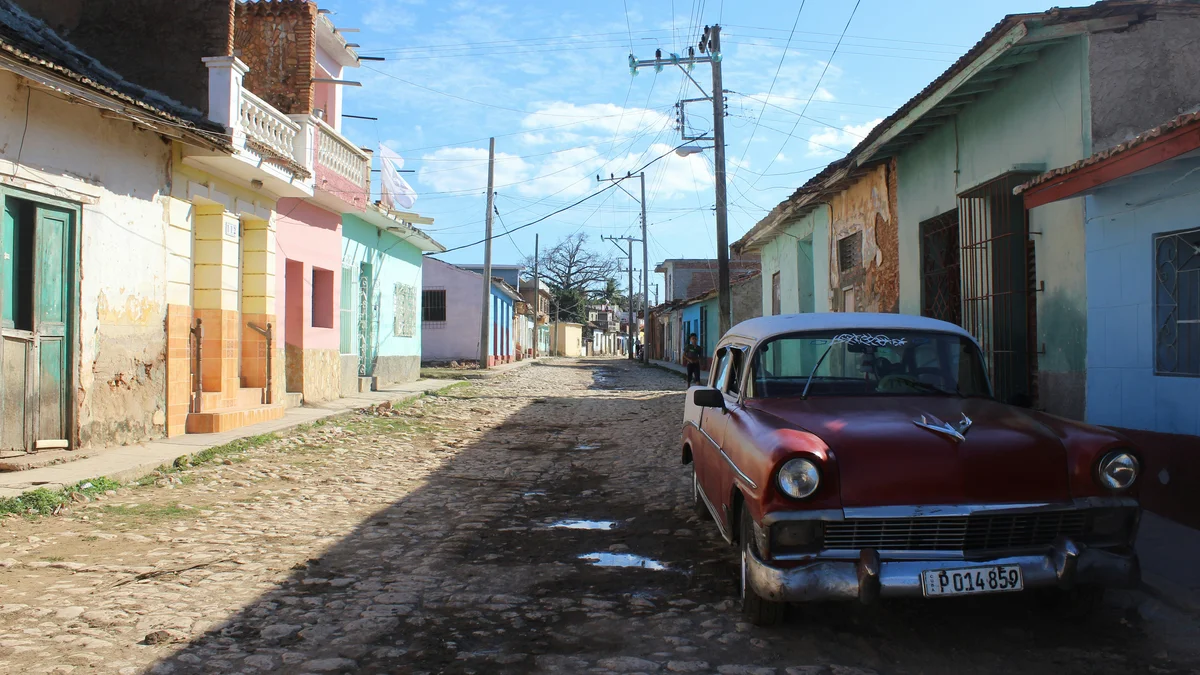
A 15-day route through Cuba's western and central provinces — Havana, Viñales, Playa Girón's wild-swimming spots, Cienfuegos, Trinidad and four nights in Varadero.
Visitor guide
Varadero is a resort town in Matanzas Province, on the Hicacos Peninsula on Cuba's north coast, about 140 kilometres east of Havana. It is known for more than 20 kilometres of white-sand beach between the Bay of Cardenas and the Straits of Florida.
The peninsula is described as extending more than 20 kilometres (another Wikipedia article gives about 18 kilometres) to the northeast from the mainland and is only 1.2 kilometres across at its widest point. An artificial channel, the Kawama Channel, separates it from the island of Cuba, and its tip, Punta Hicacos, is the northernmost point of the island. Wikipedia says the beach has been rated among the world's best in TripAdvisor's Travellers' Choice awards since 2019, and that it receives more than a million visitors a year.
Wikipedia gives the climate as tropical, with a mean annual temperature of about 25 degrees Celsius, around 1,400 millimetres of rain a year and a hurricane season from June to mid-November.
Wikipedia's article on the peninsula adds that its tip is lined with all-inclusive resorts, that Josone Park lies between the older town and the resort zone, and that a small marina and dolphinarium are on the southeastern shore. Because the Kawama channel was dug between the Bay of Cardenas and the north shore, a bridge is the only land access. The name Hicacos comes from a cactus species, and the La Calavera salt works are described as ruins of one of the first salt works the Spanish built in the New World.
Varadero was first mentioned in 1555, and its name comes from its use as a dry dock. Salt mines on the peninsula, which closed in 1961, supplied much of the Spanish fleet in Latin America from 1587. The town is usually dated to 5 December 1887, when ten families from Cardenas received permission to build vacation homes, though one Cuban source gives 15 December and traces a settlement to 1883.
In the early 1930s the American millionaire Irenee du Pont de Nemours built an estate on the peninsula. The mansion, now known as Mansion Xanadu, was seized by the government after the 1959 revolution and renamed Las Americas in 1963, becoming a restaurant.
Hicacos Point Natural Park, established in 1974, covers about 3.1 square kilometres and includes Mangon Lake, home to 31 bird species and 24 reptile species, and the ruins of the La Calavera salt works. Ambrosio Cave, within the park, contains about 47 pre-Columbian paintings or symbols, some reportedly more than 3,000 years old, though Wikipedia gives differing lengths for the cave. Cueva de los Musulmanes was once used as an indigenous tomb.
The Varahicacos reserve near Punta Hicacos covers about 730 acres with trails leading to caves.
The drive from Havana takes roughly two hours along the Via Blanca. A private tour with a driver makes it possible to combine the beach with a stop at Mansion Xanadu or the nature park. Sea conditions and sun are strong, so shade, water and sun protection matter, and the weather in hurricane months can disrupt plans.
Besides the beach itself, the peninsula offers an easy way to see Cuban coastal history, from salt works to caves to a 1930s mansion. Time spent walking the park trails is usually quieter than time on the main beach.
See every tour and attraction we cover in Cuba.