TorontoOntario · 36 tours
 Niagara FallsOntario · 25 tours
 New York CityNew York · 30 tours
 Las VegasNevada · 8 tours
 San FranciscoCalifornia · 16 tours
 VancouverBritish Columbia · 17 tours
 DubaiUAE · 54 tours
 Abu DhabiUAE · 5 tours
 Buenos AiresArgentina · 23 tours
 AthensGreece · 31 tours
 AucklandNew Zealand · 38 tours
 CancunMexico · 54 tours
No destinations match “”. Try searching all tours instead — that search understands full questions, not just place names.
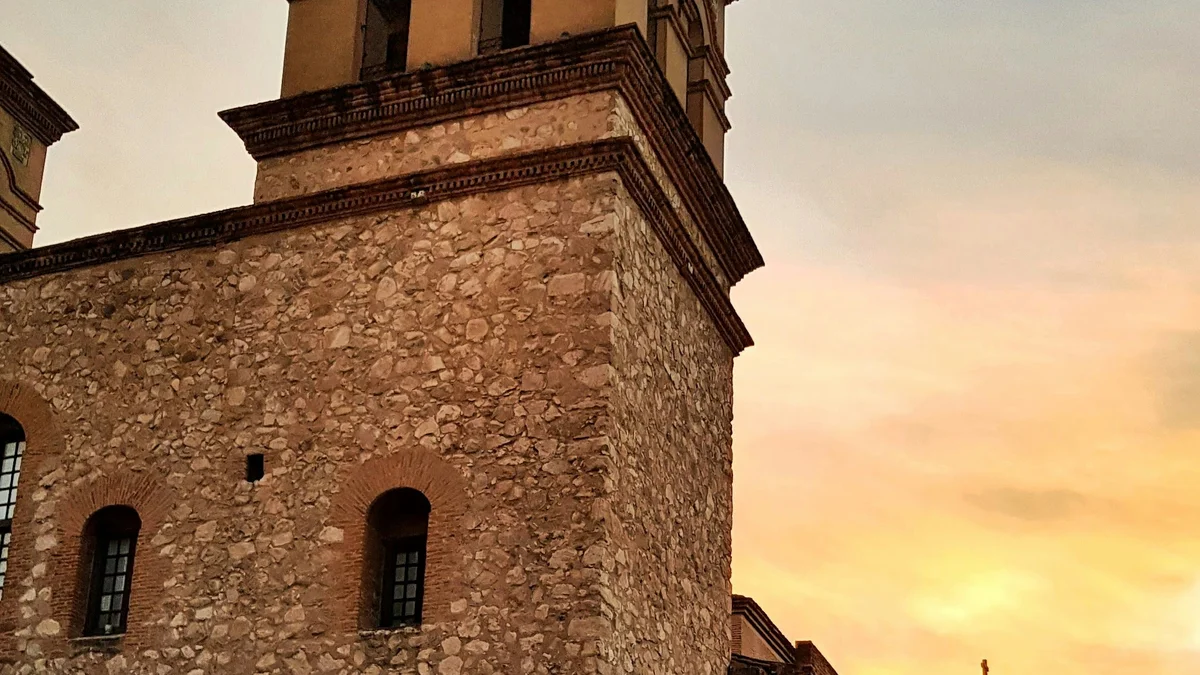
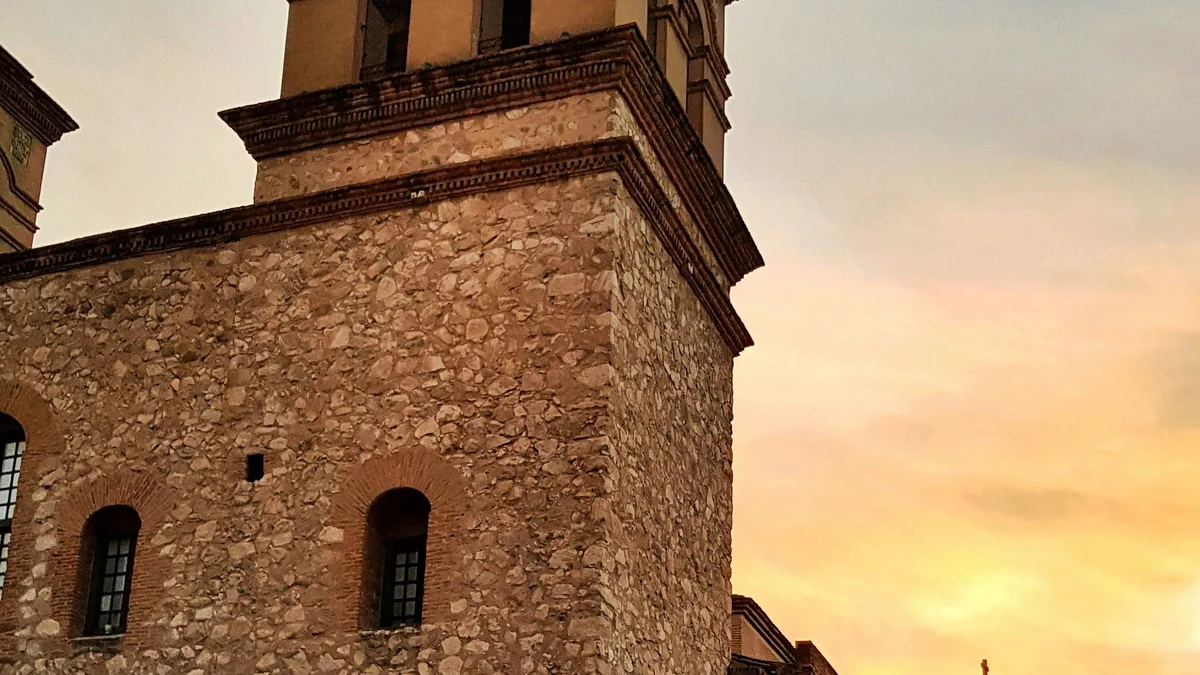
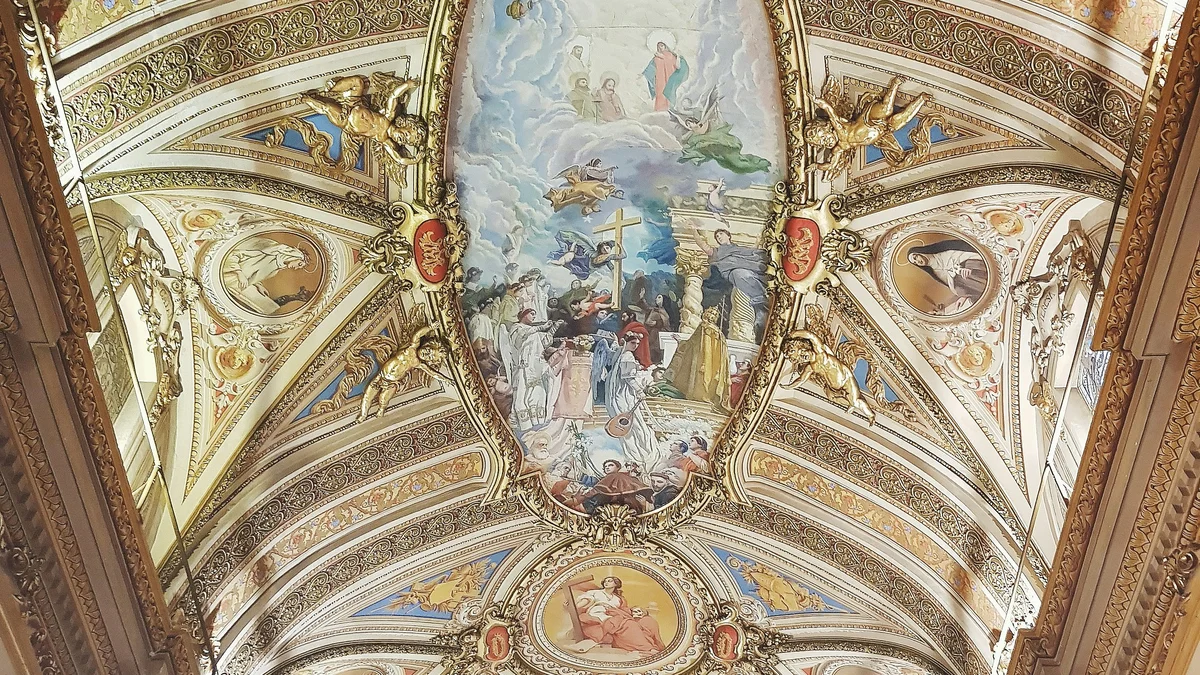
The Manzana Jesuítica is Córdoba's UNESCO World Heritage Jesuit Block, a real cluster of 17th-century colonial buildings including a historic church, university, and school.
Visitor guide
The Manzana Jesuitica, or Jesuit Block, is a historic precinct in the centre of Cordoba, Argentina, built by the Jesuit order from the early seventeenth century. Together with the Jesuit estancias of the surrounding province it was inscribed as a UNESCO World Heritage Site in 2000.
According to Wikipedia, the first Jesuits arrived in Cordoba in 1599 and the university they founded dates from 1613. The block grew into a complex that included a church, residential buildings, a secondary school and the university, forming the intellectual core of the Jesuit presence in the region.
Today the block contains parts of the National University of Cordoba, which Wikipedia describes as one of the oldest universities in South America, along with the Monserrat secondary school and a church. It stands near the main square and a short walk from the cathedral, which makes it easy to combine with a walking visit of the historic centre.
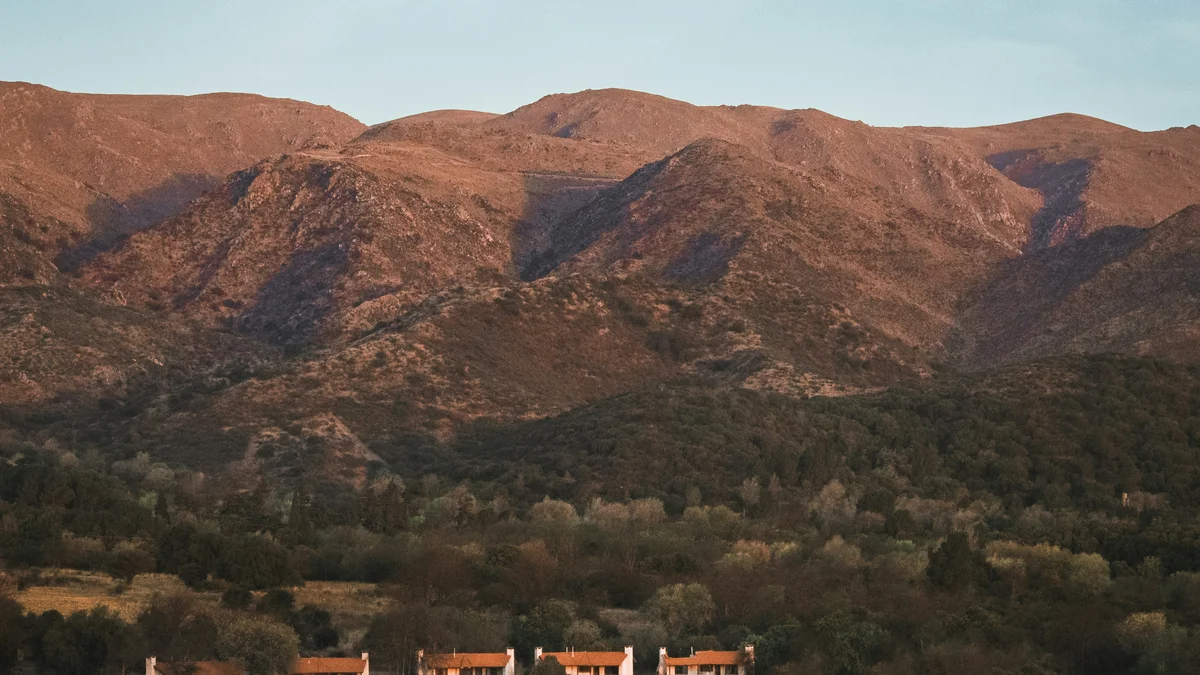
To finance their educational work, the Jesuits ran six estancias, or rural estates, across Cordoba Province: Caroya, Jesus Maria, Santa Catalina, Alta Gracia, La Candelaria and San Ignacio. Wikipedia notes that San Ignacio is no longer preserved. Each estancia had its own church and set of buildings, and several towns, Alta Gracia among them, grew up around them.
They lay roughly 38 to 130 kilometres from the city and were founded between 1616 (Caroya) and 1683 (La Candelaria). The estancias raised cattle and grew fruit and crops, and their income supported the university and school in the city.
A 1767 decree by King Charles III of Spain expelled the Jesuits from Spain's American territories. Wikipedia says the Franciscans then administered the block and the estancias until 1853, and that the university and school were nationalised the following year.
UNESCO inscribed the Jesuit Block and Estancias of Cordoba in 2000 under cultural criteria (ii) and (iv), with a listed area of 38.12 hectares. The listing recognises the ensemble as an example of the Jesuit model of combining education, religion and agricultural production. Wikipedia also notes that Jorge Mario Bergoglio, later Pope Francis, lived in the Jesuit Block from 1990 to 1992.
The estancias are also closely tied to the towns around them. Caroya, for example, later became the site of an Italian agricultural colony, and Alta Gracia grew up around its estancia, so the Jesuit legacy shapes the settlement pattern of the province beyond the city itself.
Visitors can tour the block and, separately, the estancias. A private guided visit helps make sense of how the city precinct and the rural estates fitted together, and opening arrangements for individual buildings are best confirmed before travelling.
See every tour and attraction we cover in Cordoba.