TorontoOntario · 36 tours
 Niagara FallsOntario · 25 tours
 New York CityNew York · 30 tours
 Las VegasNevada · 8 tours
 San FranciscoCalifornia · 16 tours
 VancouverBritish Columbia · 17 tours
 DubaiUAE · 54 tours
 Abu DhabiUAE · 5 tours
 Buenos AiresArgentina · 23 tours
 AthensGreece · 31 tours
 AucklandNew Zealand · 38 tours
 CancunMexico · 54 tours
No destinations match “”. Try searching all tours instead — that search understands full questions, not just place names.
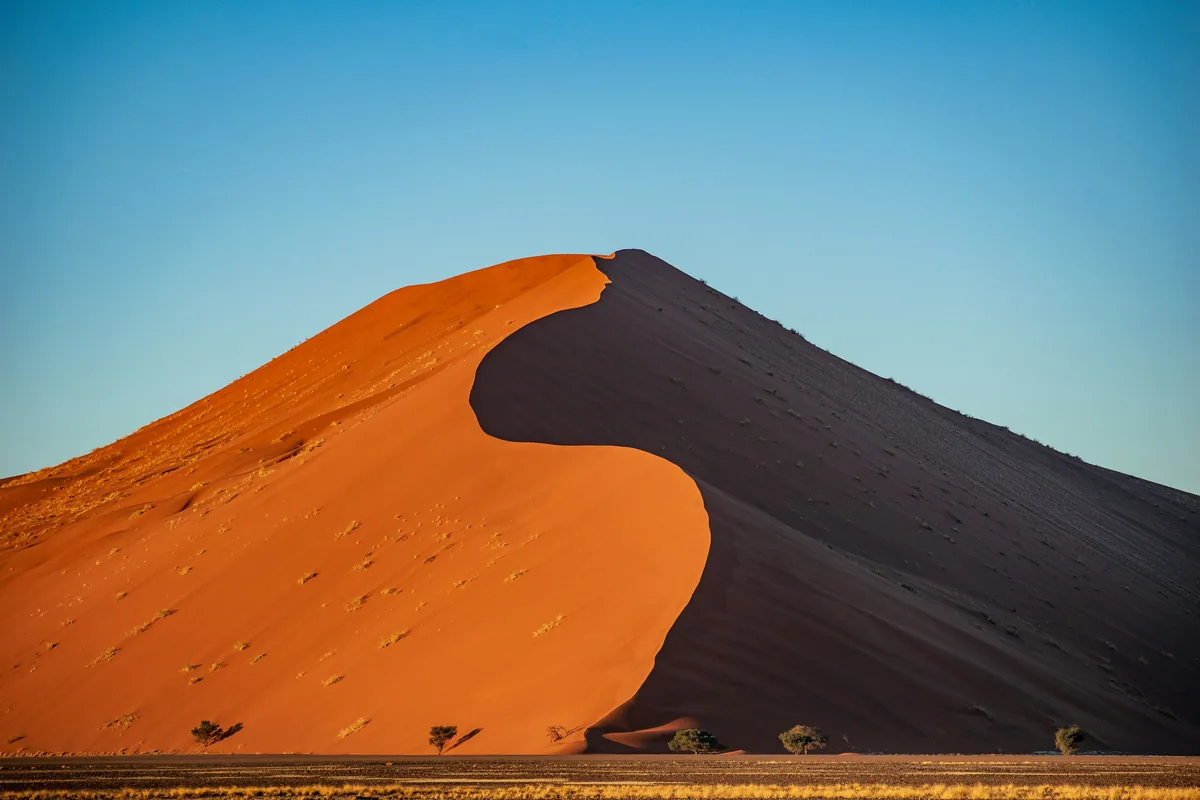
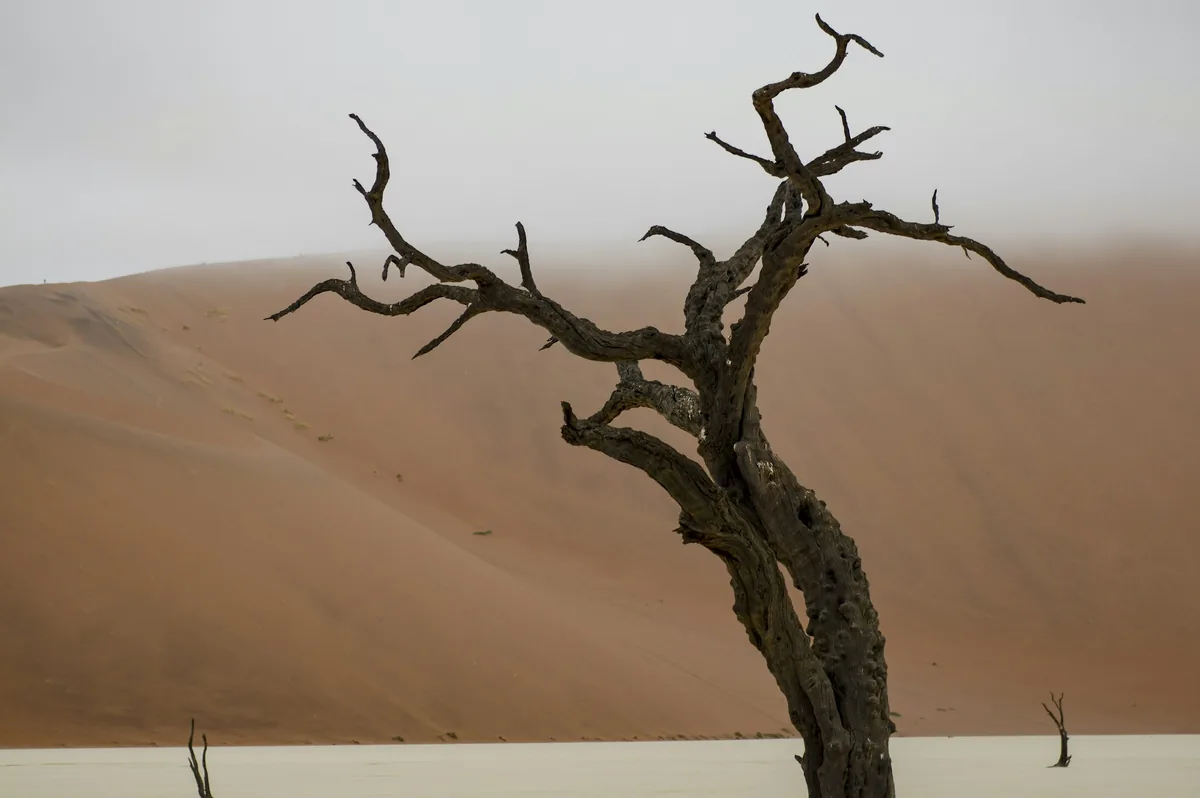
A salt and clay pan deep in the Namib-Naukluft National Park, surrounded by some of the world's tallest sand dunes, including the star dune Big Daddy and the ghostly dead trees of nearby Deadvlei.
 Multi-Day Tours
A 14-day private family circuit from Windhoek through the Kalahari and the red dunes of Sossusvlei to Swakopmund, the Himba villages of Kaokoland, and the game drives of Etosha National Park.
 Multi-Day Tours
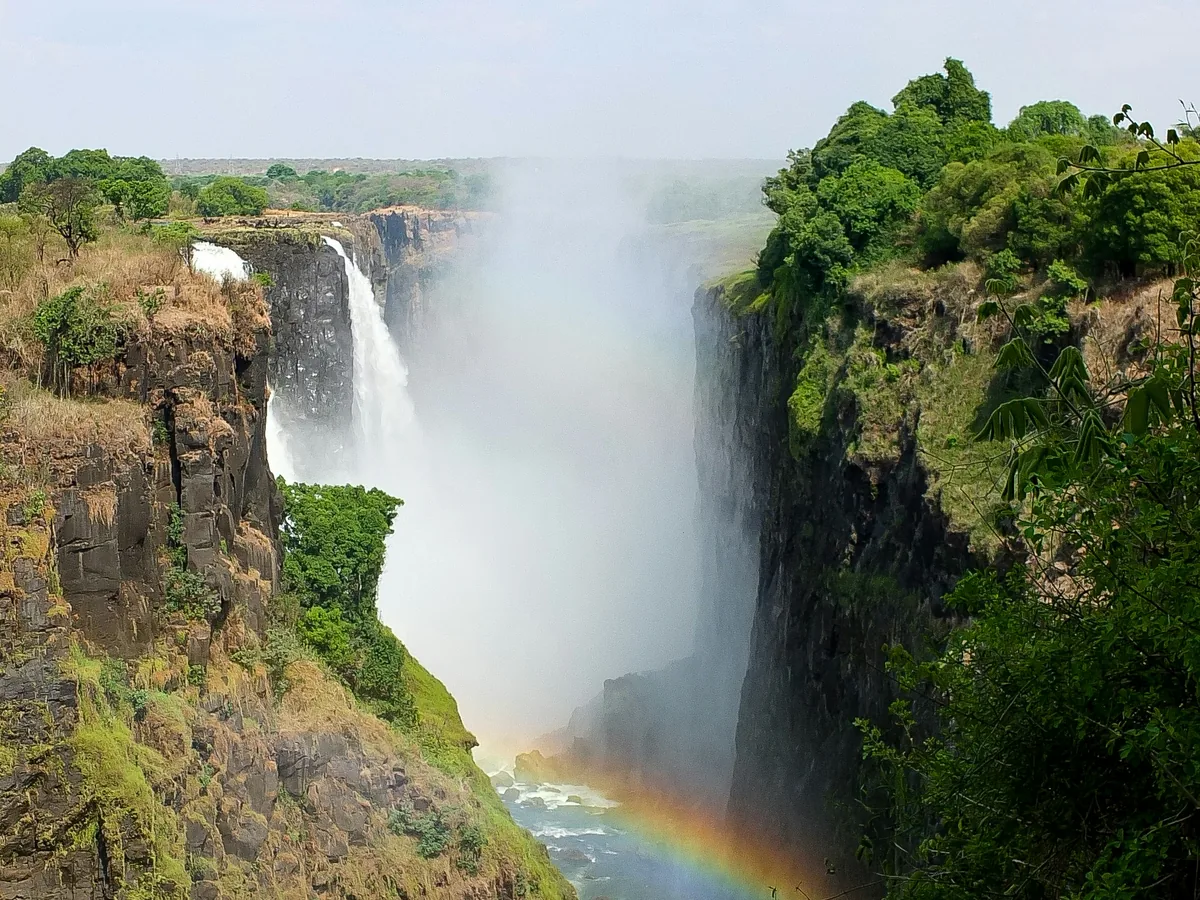
A 20-day private odyssey across Namibia — Sossusvlei, Swakopmund, the Erongo Mountains, and Etosha — continuing overland to Botswana's Chobe National Park with a day trip to Victoria Falls.
 Multi-Day Tours
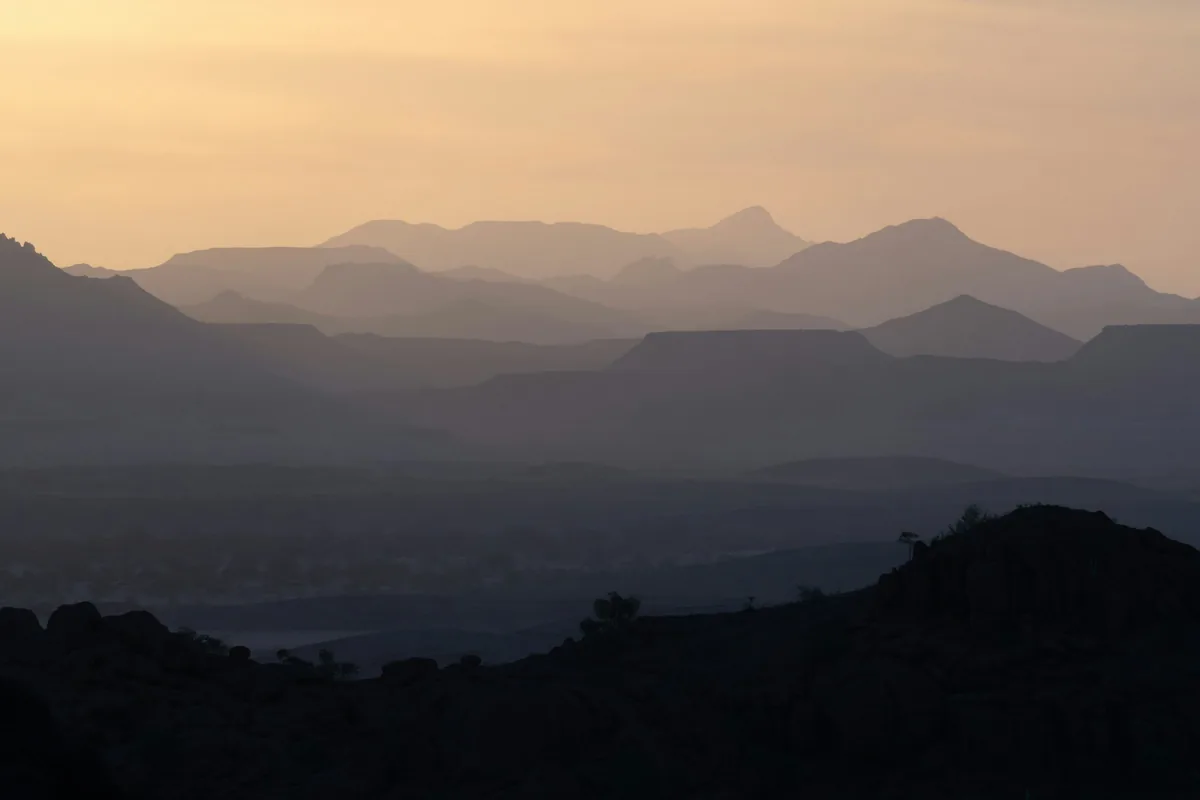
A 12-day private route from the red dunes of Sossusvlei along the Skeleton Coast to Swakopmund, the desert landscapes of Damaraland, and Etosha National Park's east and south, ending at the AfriCat Foundation.
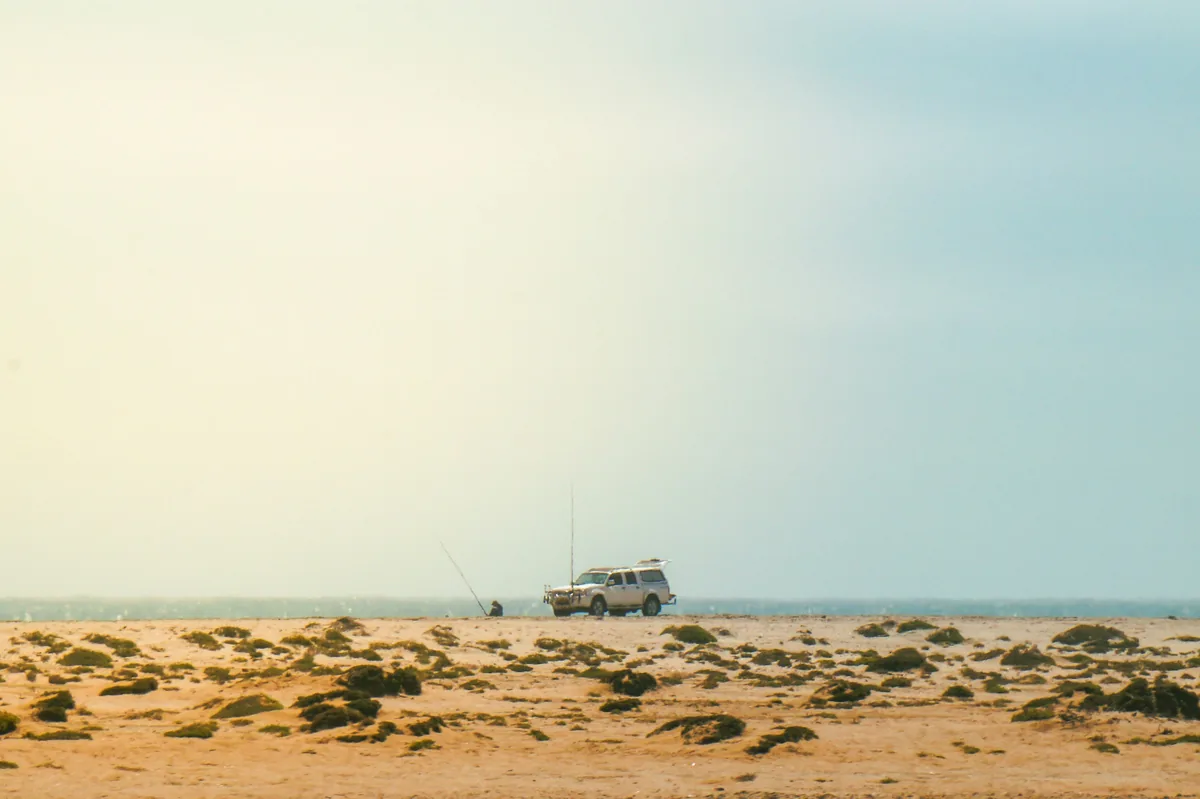 Multi-Day Tours
A 7-day luxury fly-in safari over Sossusvlei's dunes, the shipwreck-strewn Skeleton Coast, and Etosha National Park, linked by private charter flights between exclusive lodges.
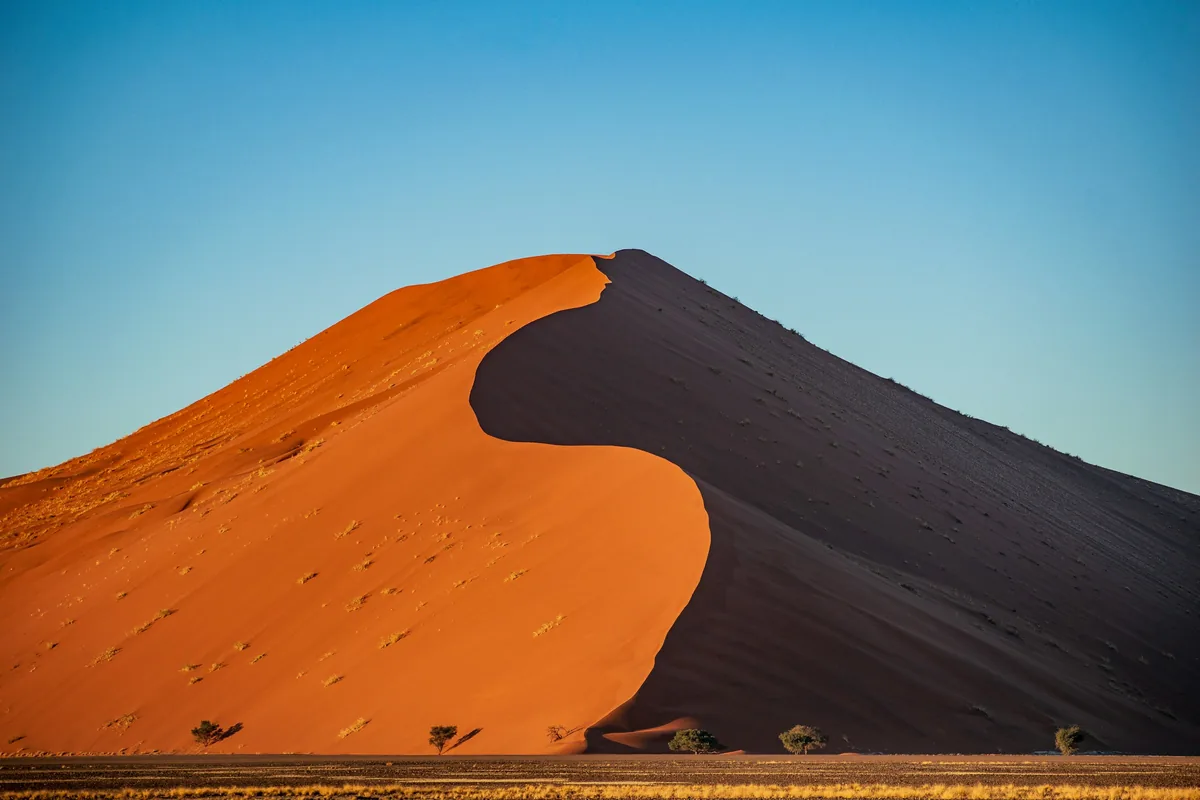 Multi-Day Tours
A 15-day Namibia journey combining classic sights — Sossusvlei, the Skeleton Coast, Damaraland, and Etosha — with overnight hiking trails through the NamibRand Nature Reserve and remote Palmwag Concession.
Visitor guide
Sossusvlei is a salt and clay pan in the southern Namib Desert of Namibia, set inside the Namib-Naukluft National Park and ringed by towering red dunes. It is among the most photographed landscapes in Namibia and the best-known gateway to the wider Namib Sand Sea.
The name Sossusvlei is of mixed origin. According to Wikipedia, "vlei" is the Afrikaans word for marsh, while "sossus" comes from Nama and is usually rendered as "no return" or "dead end", so the name roughly means dead-end marsh. That fits the geography: the ephemeral Tsauchab River flows toward the dunes and simply stops, forming an endorheic basin with no outlet to the sea.
The pan itself is roughly elliptical and covered by a crust of salt-rich sand. Flooding is rare, and several years can pass between floods. The river is dry for most of the year, and when it does run it carries little water. On the rare occasions when the pan fills, the shallow lake changes the look of the whole valley and draws migrant birds that are otherwise absent.
The dunes around Sossusvlei are orange to red because of iron in the sand that has oxidised over a very long time; older dunes are generally the more intensely coloured. Many of them rise more than 200 metres, and they are counted among the highest dunes in the world. The area belongs to a wider stretch of roughly 32,000 square kilometres of the southern Namib lying between the Koichab and Kuiseb rivers.
Several dunes have become landmarks in their own right. Dune 45 takes its name from its position, 45 kilometres past the Sesriem gate on the road to the pan; it is around 80 metres high and is made of sand that Wikipedia describes as about five million years old. Big Daddy, near Deadvlei, is given as the highest dune in the immediate area at about 325 metres, facing a neighbour known as Big Mama. It should not be confused with Dune 7 near Walvis Bay.
About two kilometres from Sossusvlei lies Deadvlei, a white clay pan that was once fed by the same river. When the river changed course, the camelthorn trees growing there died, and their blackened skeletons now stand against the pale pan floor and the orange dunes behind them. The contrast is the image most travellers associate with Namibia and has been used as a backdrop in films and documentaries, including The Cell and Samsara.
Rainfall is slight, with Sesriem averaging about 104 millimetres a year according to the data cited by Wikipedia, and the area has a hot desert climate with large swings between day and night. Higher, more stable dunes carry grasses, bushes and some trees, mostly camelthorn. Moisture comes from underground water, the occasional flood and morning fog drifting in from the Atlantic.
Most animals are small and drought-adapted, such as beetles and other arthropods, small reptiles, rodents and jackals, though oryx, springbok and ostrich are also found. The Namib Desert beetle, which collects fog moisture on its back, is a well-known endemic. In 2013 UNESCO inscribed the Namib Sand Sea, the larger desert system that includes this region, on the World Heritage List under all four natural criteria, describing it as a coastal fog desert with an extensive dune system.
The approach is through the Sesriem gate, followed by a long tarmac road toward the pan. The final stretch, where the paved road ends and soft sand begins, can only be crossed in four-wheel-drive vehicles, so ordinary vehicles stop at a parking area known as the 2x4 parking. Temperatures run hot in summer, often reaching about 40 degrees Celsius, and winter nights can fall to around 10 degrees. A private guided visit with a driver who knows the track suits the site, and light at the beginning and end of the day gives the dunes their deepest colour.
See every tour and attraction we cover in Namibia.