TorontoOntario · 36 tours
 Niagara FallsOntario · 25 tours
 New York CityNew York · 30 tours
 Las VegasNevada · 8 tours
 San FranciscoCalifornia · 16 tours
 VancouverBritish Columbia · 17 tours
 DubaiUAE · 54 tours
 Abu DhabiUAE · 5 tours
 Buenos AiresArgentina · 23 tours
 AthensGreece · 31 tours
 AucklandNew Zealand · 38 tours
 CancunMexico · 54 tours
No destinations match “”. Try searching all tours instead — that search understands full questions, not just place names.
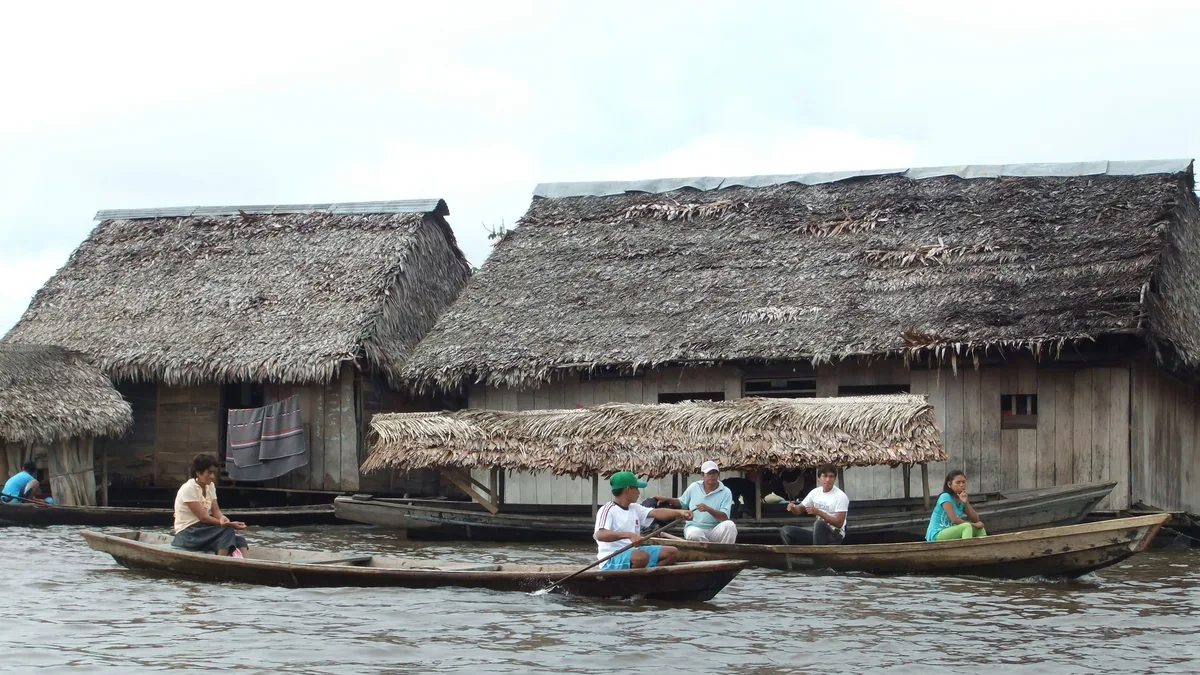
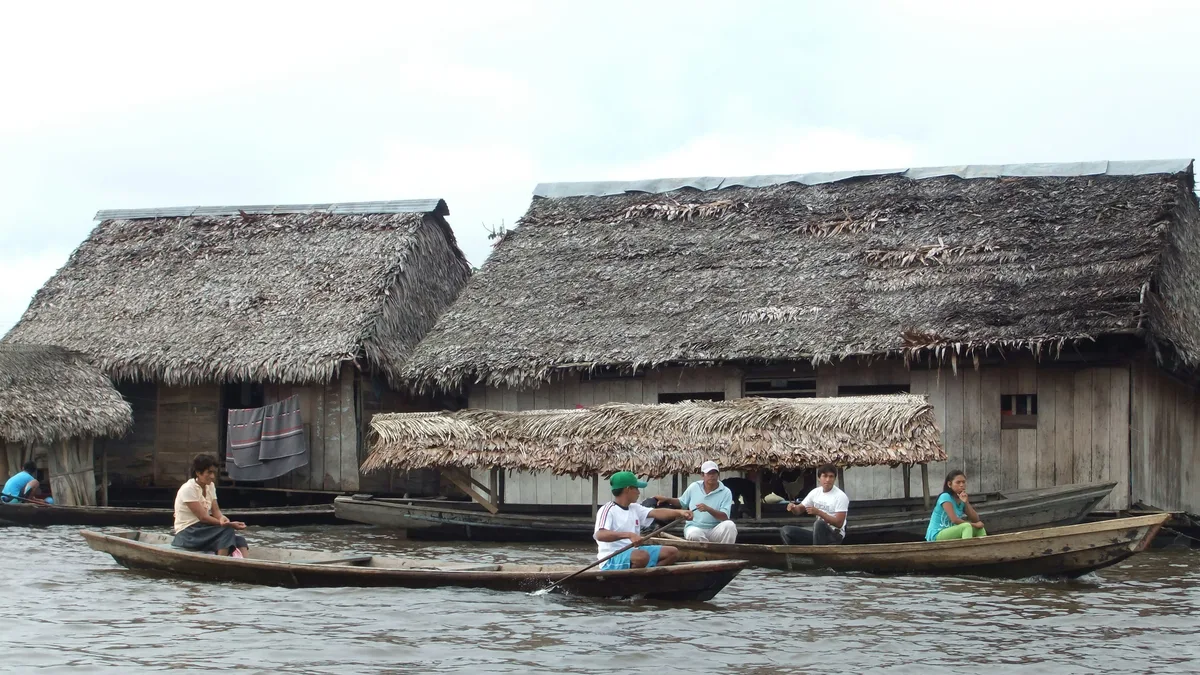
Iquitos' most important traditional market and the adjoining neighborhood of houses built directly on the Amazon's floodwaters, rising and falling with the river's seasonal levels.
 Private Tours
A private tour of the Belén Market, one of the most important markets in the Peruvian Amazon selling local food and traditional medicine, followed by a boat ride into the Floating City, where entire neighborhoods are built on the water.
 Private Tours
A private excursion led by an expert English-speaking local guide, beginning at the Pilpintuwasi Butterfly House and Animal Rescue Center, continuing by boat to the real confluence of the Amazon, Nanay, and Itaya Rivers, and ending at a 250-year-old Lupuna tree considered the spiritual heart of the jungle.
Visitor guide
Belen is a district of Iquitos, in the Peruvian Amazon, known for its large street market and for neighbourhoods of stilt and floating houses beside the Itaya River. Wikipedia describes the district as known mainly for its intense commercial activity, and its riverside barrio is nicknamed the Venice of Iquitos.
Iquitos is the capital of Maynas Province and Loreto Region and sits in the Amazon Basin, fed by the Amazon, Nanay and Itaya rivers. Wikipedia describes it as the largest city in the world that cannot be reached by road, apart from cities on islands, so access is by river and air. Its metropolitan area is made up of four districts: Iquitos, Punchana, Belen and San Juan Bautista. Belen lies on the east side of the city and was created as a district on 5 November 1999.
The Spanish-language article describes the Barrio de Belen, also called the Amazon Venice, as divided into Alto Belen and Bajo Belen and defined by its stilt houses and household rafts, with life changing seasonally as the Itaya rises and falls. It says the neighbourhood began on the banks of Belen Cocha, a small arm of the Itaya that is now a street called Itaya, and later spread up a hill called Loma de Vizcarra, later Pijuayo Loma after the abundance of pijuayo palms. Residents deal with a river that rises and falls by around five to six metres, according to travel reporting. Many houses are now on stilts, and older construction included homes and businesses built over balsa rafts in the high-water season.
Wikipedia also records that the small park of Plazuela de Belen, opened in 1965, holds monuments that the Chinese immigrant community gave to the city in 1900 and that were moved there in 1969, and that it was flooded in 2012 because of its closeness to the Itaya.
The market is the district's best-known feature and is still a main source of food and supplies for many residents. The Spanish article says it begins at the end of Calle 9 de Diciembre under a large blue building marked Mercado Belen and spreads through narrow corridors over several streets, and that about 150 Indigenous communities bring products to sell there. It cites a catalogue of 390 products, of which 231 are plants, 157 are of animal origin and 2 are mineral, with 84 percent produced locally. Among animal products it counts 60 wild animal species and 56 fish species. Parts of the market are accessible only by boat. It has also been a place where illegally traded wildlife appears, which is one reason visitors are advised not to buy live animals.
The Venice label appears mainly in tourism listings and is best treated as branding. Reports describe real hardship in the district, including poverty and health problems, so a visit is best made respectfully and with a local guide.
The market is busy and humid, with narrow lanes and uneven ground. A private guided visit with a driver and local guide offers context on what is sold and on river life.
See every tour and attraction we cover in Iquitos.