TorontoOntario · 36 tours
 Niagara FallsOntario · 25 tours
 New York CityNew York · 30 tours
 Las VegasNevada · 8 tours
 San FranciscoCalifornia · 16 tours
 VancouverBritish Columbia · 17 tours
 DubaiUAE · 54 tours
 Abu DhabiUAE · 5 tours
 Buenos AiresArgentina · 23 tours
 AthensGreece · 31 tours
 AucklandNew Zealand · 38 tours
 CancunMexico · 54 tours
No destinations match “”. Try searching all tours instead — that search understands full questions, not just place names.
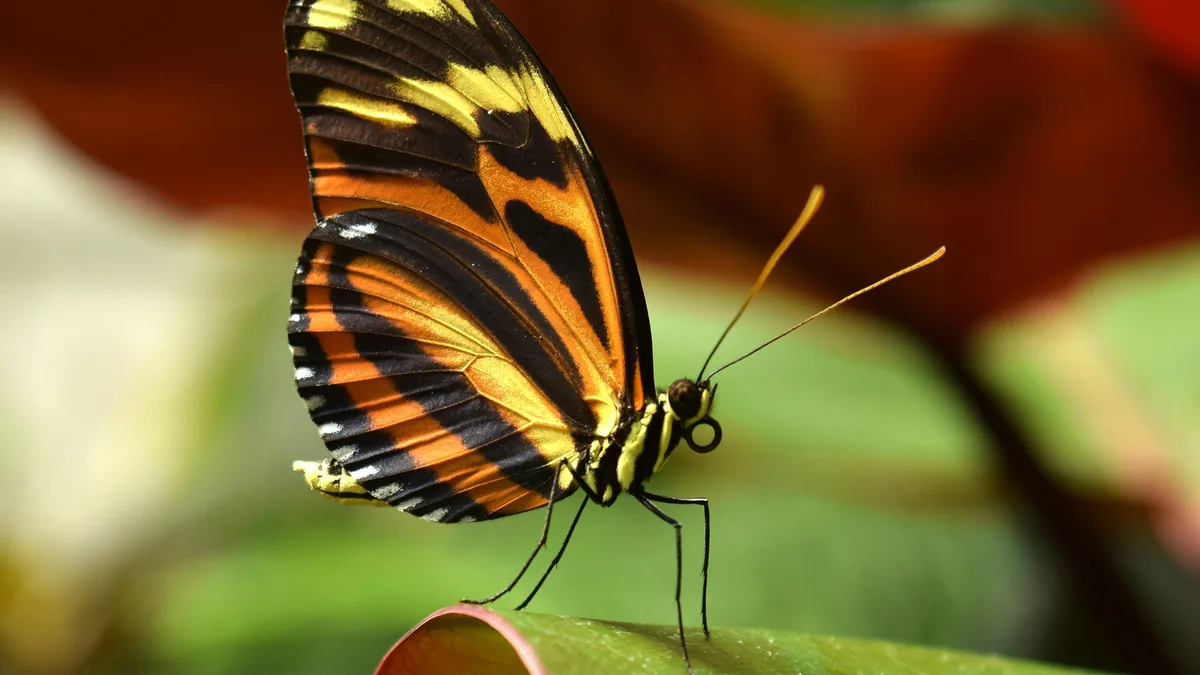
A sanctuary near Iquitos dedicated to exotic Amazonian butterflies and rescued local wildlife, including rehabilitated monkeys, sloths, and other animals that could not return to the wild.
 Private Tours
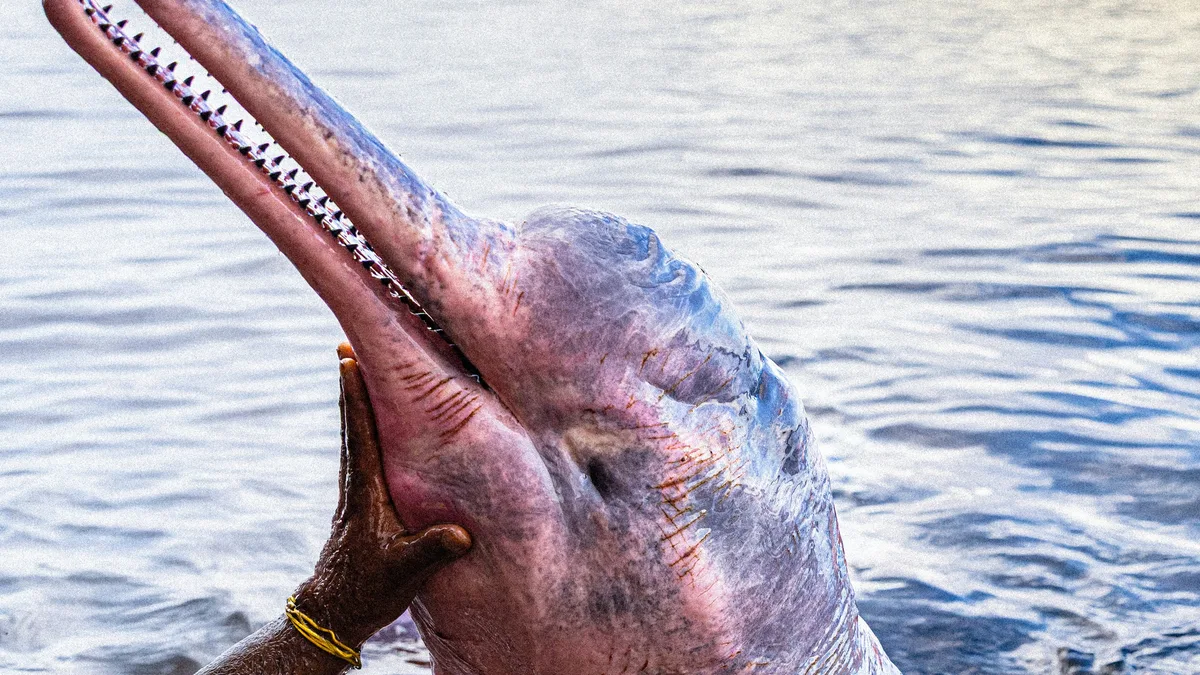
A private excursion led by an expert English-speaking local guide, beginning at the Pilpintuwasi Butterfly House and Animal Rescue Center, continuing by boat to the real confluence of the Amazon, Nanay, and Itaya Rivers, and ending at a 250-year-old Lupuna tree considered the spiritual heart of the jungle.
 Private Tours
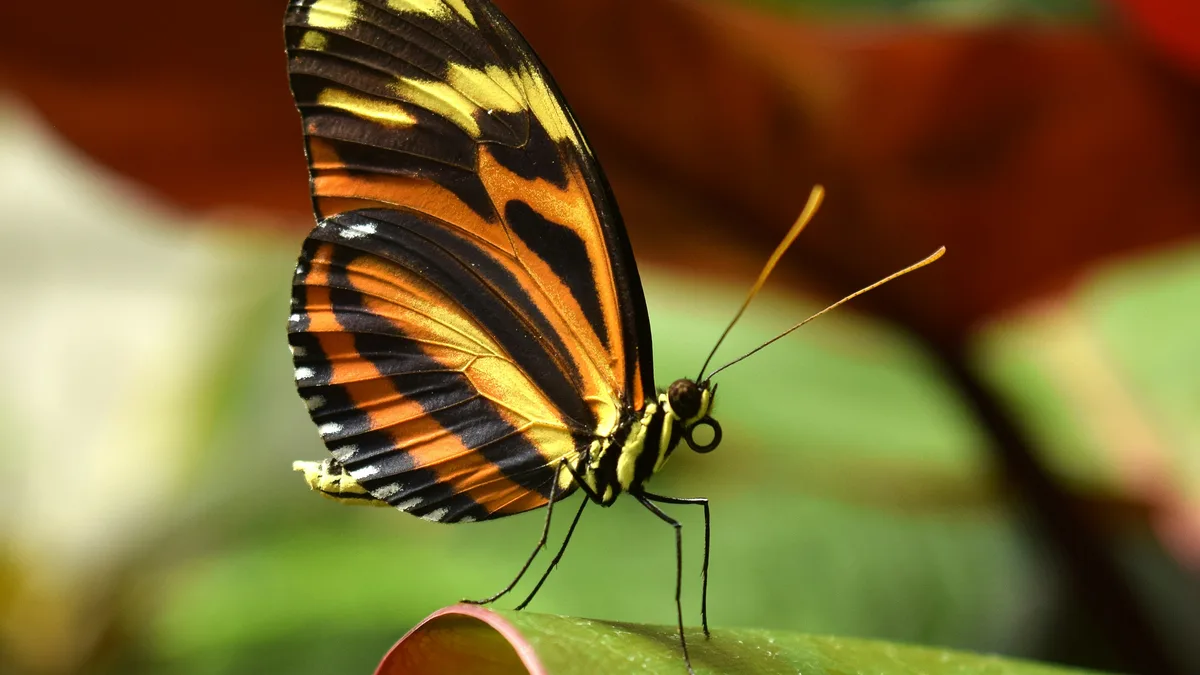
A tour visiting the Kukama, an indigenous community living near the Nanay River, followed by a stop at the Pilpintuwasi butterfly garden and wildlife rescue center, then an afternoon of sport piranha fishing on the Amazon's tributaries.
Visitor guide
Pilpintuwasi Butterfly Farm and Animal Rescue Center is a wildlife rescue and butterfly breeding center in Padre Cocha, a short river trip from Iquitos in the Peruvian Amazon. Its name is often translated as house of the butterflies, and it was founded by the Austrian Gudrun Sperrer.
According to the center's own website, Gudrun Sperrer arrived in the Peruvian Amazon in 1995 to study butterfly host plants and began what became Pilpintuwasi, and she established the butterfly farm in 2001; it later became an official rescue center as local residents brought in confiscated, injured and abandoned animals. Other sources give 2002 for the butterfly farm and 2004 for the rescue center. A 2017 report by EFE, republished by the Peruvian agency Andina, says Sperrer had run the center for almost 20 years. The report describes her as an Austrian breeder and self-taught biologist who came to Peru about 35 years ago, started by selling butterfly pupae to museums, zoos and collectors, and turned toward studying and protecting the animals. She later expanded operations to take in rescued animals.
The center is a breeding center for butterflies, and one guide calls it the only butterfly farm in Iquitos. Eggs are collected from host plants because parasites can infect them, producing wasps instead of caterpillars, and development takes five to fifteen days depending on species. Caterpillars are raised in a maternity area until they form pupae, and transformation can take from days to months. The Andina report says each species lays eggs only on a specific plant, so removing host plants can wipe out species, that Peru has an estimated 5,000 to 6,000 butterfly species, and that host plants are known for less than one percent of them. Sperrer identified host plants of dozens of species and considers school education essential.
The center takes in mistreated animals and animals seized from illegal trafficking, some of them from traders at the Belen Market or along Iquitos' riverside boulevard. Residents have included uakari and capuchin monkeys, a pygmy marmoset, a tigrillo, toucans, snakes, caimans, birds, jaguarundis and a jaguar named Pedro Bello. Sources say the jaguar's planned transfer to a Brazilian reserve was blocked. The center relies on volunteers and visitors, since it receives no government funding, according to the travel article.
Padre Cocha is on the Nanay River, close to where the Nanay meets the Amazon, and is reached by boat from the Bellavista-Nanay port about three miles north of central Iquitos. The ride takes roughly twenty minutes, and during the dry season there is a short walk to the entrance. The Nanay is a blackwater river about 315 kilometres long, according to Wikipedia. Iquitos is the largest city in the Peruvian Amazon and can only be reached by river or air.
The travel article advises visitors never to buy animals from traders, even to free them, because this fuels the illegal wildlife trade. It notes a rival farm has opened nearby, so visitors should make sure they go to the right one. A private tour can handle the boat transfers and guiding.
See every tour and attraction we cover in Iquitos.