TorontoOntario · 36 tours
 Niagara FallsOntario · 25 tours
 New York CityNew York · 30 tours
 Las VegasNevada · 8 tours
 San FranciscoCalifornia · 16 tours
 VancouverBritish Columbia · 17 tours
 DubaiUAE · 54 tours
 Abu DhabiUAE · 5 tours
 Buenos AiresArgentina · 23 tours
 AthensGreece · 31 tours
 AucklandNew Zealand · 38 tours
 CancunMexico · 54 tours
No destinations match “”. Try searching all tours instead — that search understands full questions, not just place names.
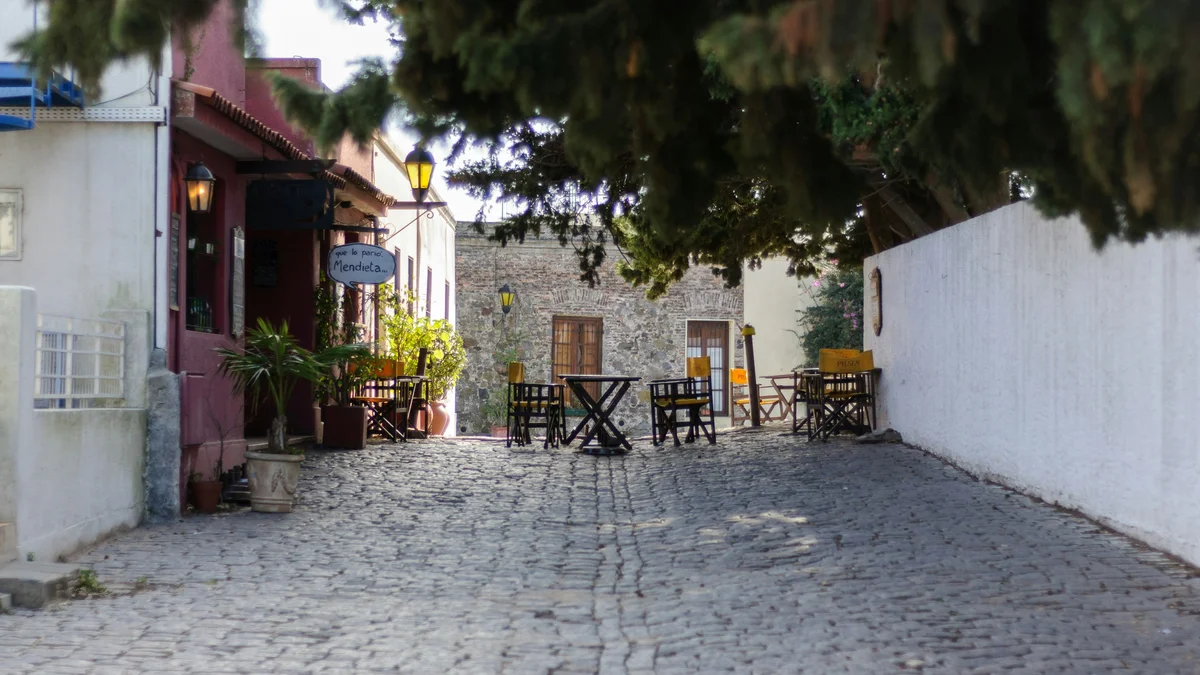
Voyzo runs 16 tours across 4 destinations in Uruguay, covering 5 attractions. A private tour means your own guide, driver, and vehicle and an itinerary built around your group rather than a fixed bus schedule.
 Private Tours
A private, air-conditioned or electric vehicle and a local guide build the day around your interests — from Ciudad Vieja's Art Deco streets to the hilltop fortress overlooking the bay.
 Private Tours
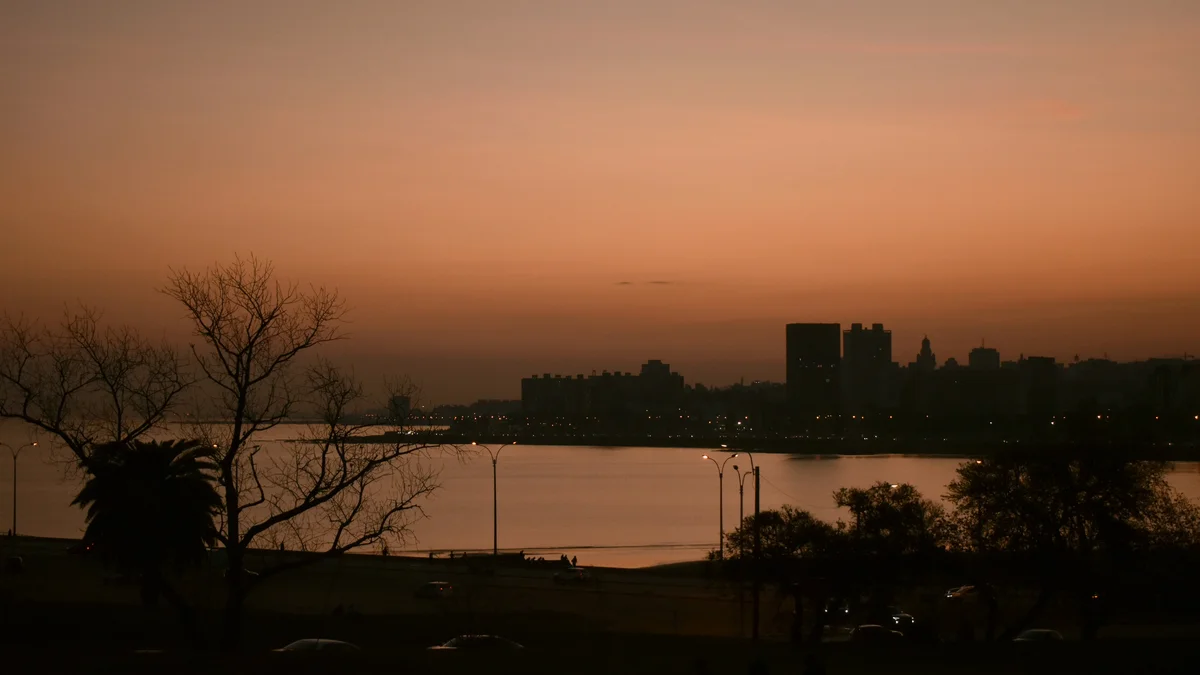
A private guide leads you through Montevideo's historic neighborhoods, green spaces, and coastal avenue, with optional add-ons like a traditional mate tasting or a local food tour.
 Private Tours
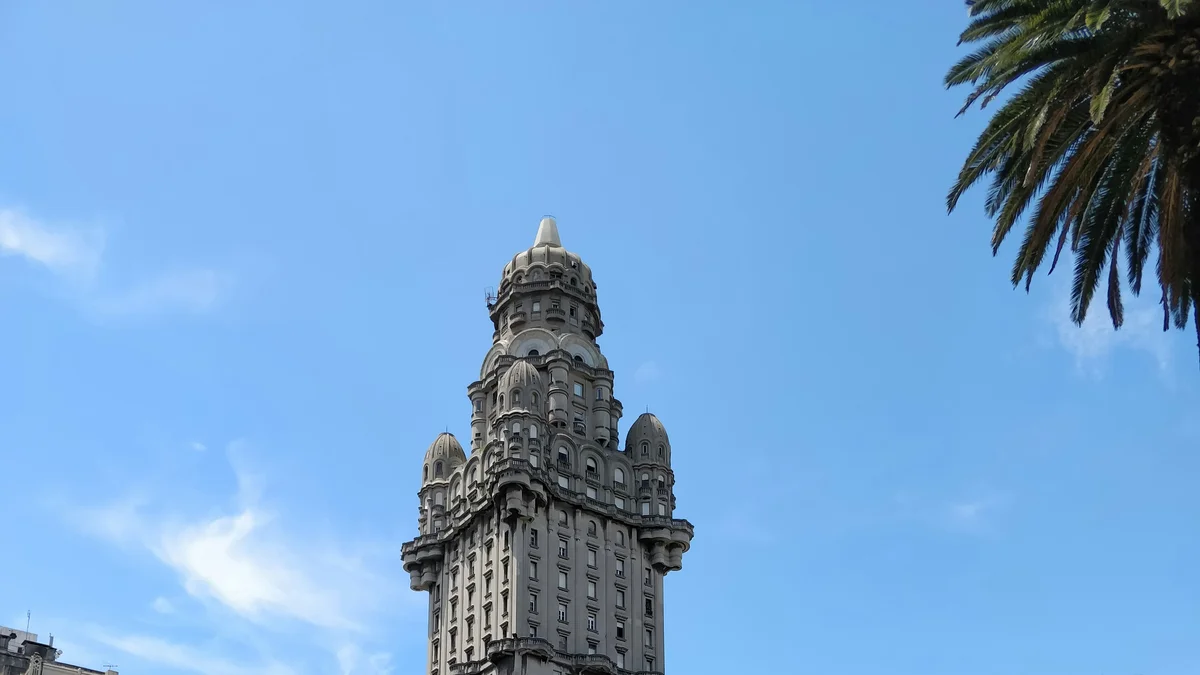
A private walking tour through Ciudad Vieja's historic core — Palacio Salvo, the Artigas Mausoleum, Solís Theatre, the Cathedral, and Plaza Zabala — with a licensed guide, on foot rather than from a vehicle.
 Private Tours
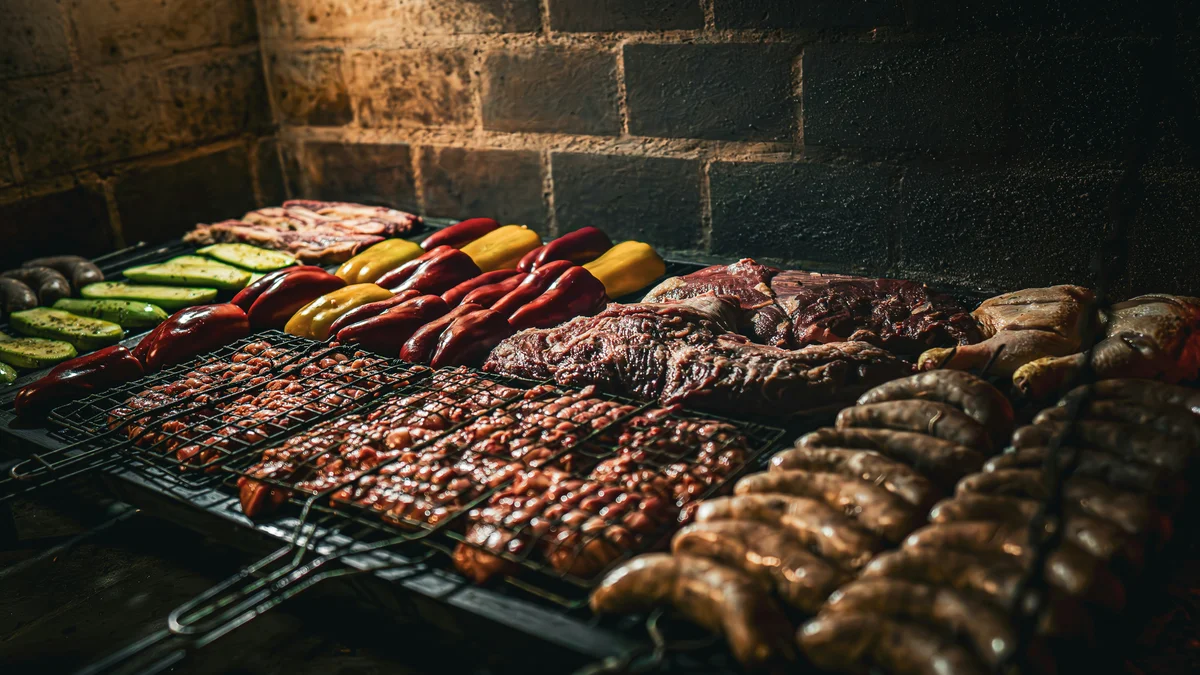
A private 3-hour city tour followed by an authentic Uruguayan asado in a typical home setting — light the fire, grill alongside your host, and finish with panqueques con dulce de leche and Uruguayan wine.
 Private Tours
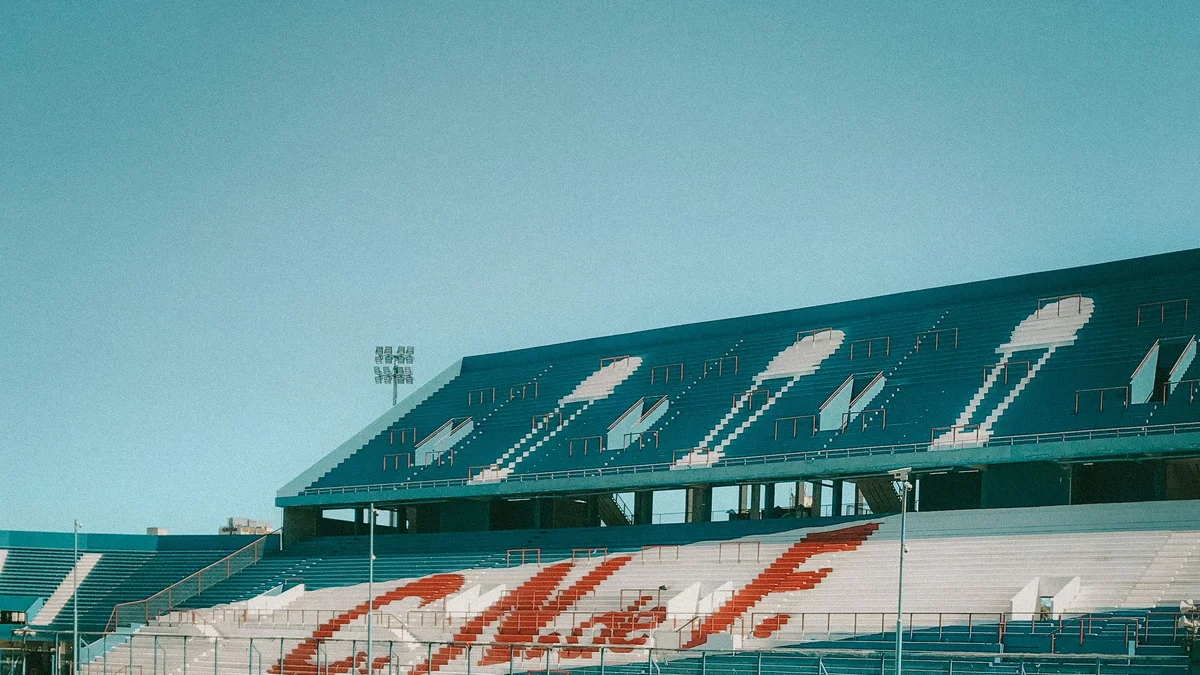
See the headquarters of Uruguay's Executive, Judicial, and Legislative powers, the Agricultural Market, Estadio Centenario, and a former quarry reborn as a waterfall lake, with a private local guide.
 Private Tours
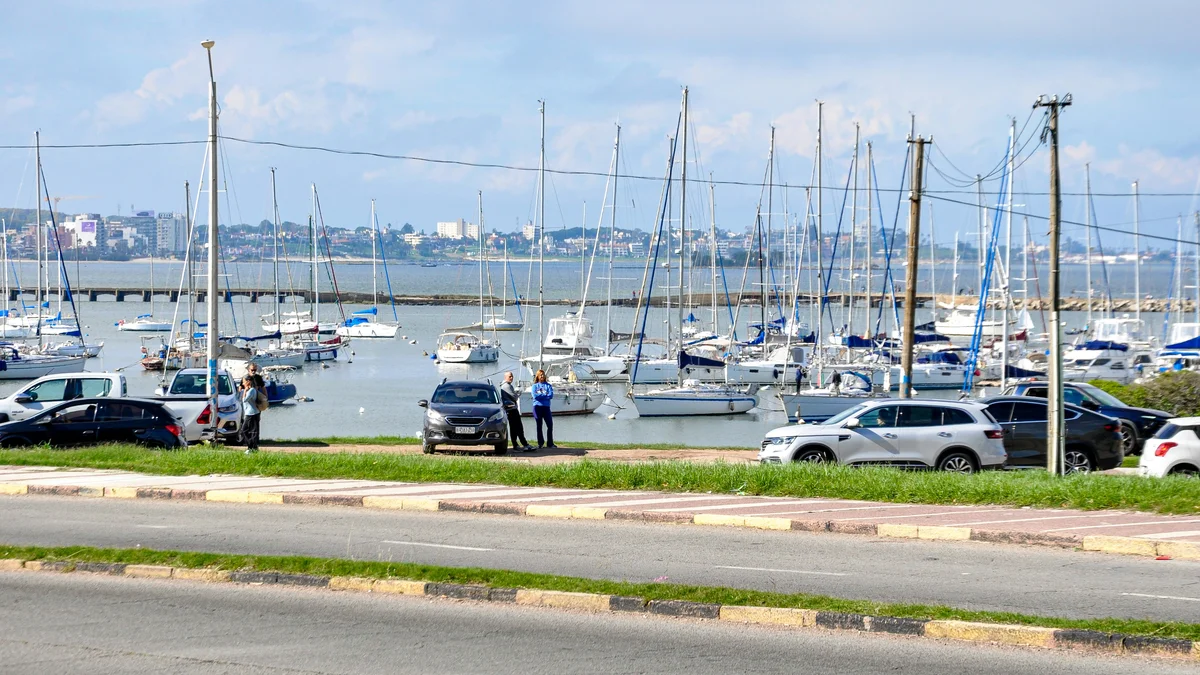
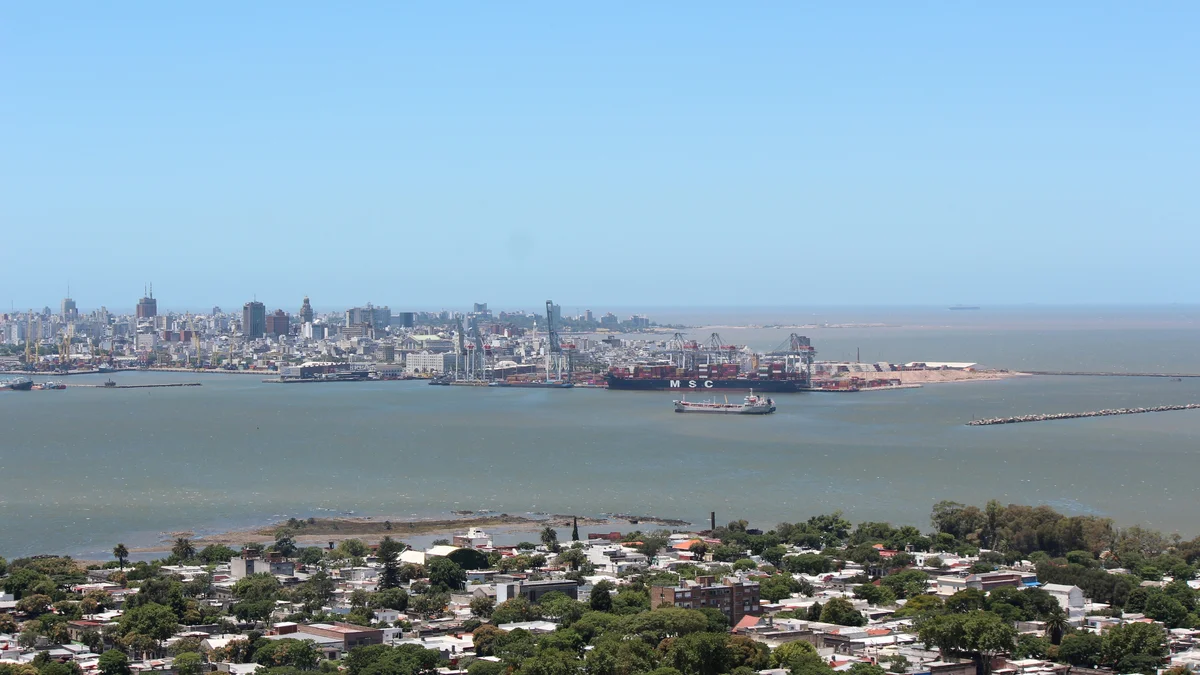
A private guide meets you at the port for a half-day tour of Montevideo's coastal barrios and historic center, with an optional extension to a real Canelones-region winery for a Tannat tasting.
 Private Tours
A private, chauffeur-driven tour of Montevideo with a dedicated driver-guide, built for travelers who want a more polished, unhurried version of the classic city loop.
 Private Tours
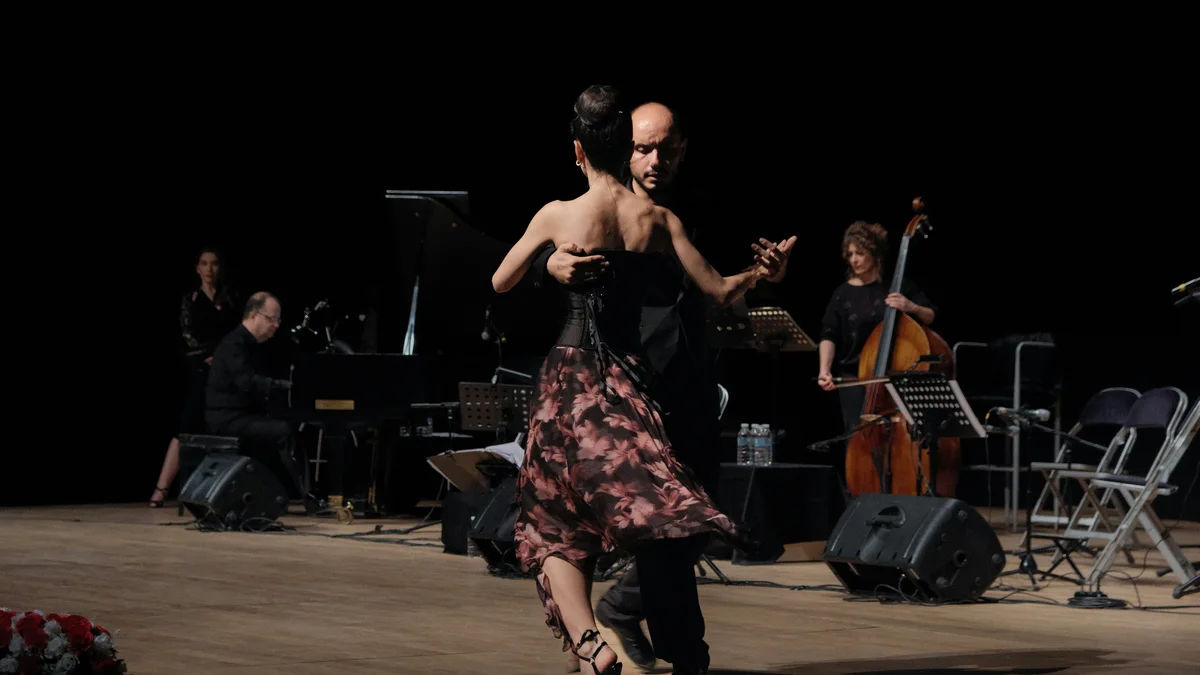
A private evening tour through Montevideo's main sights as the workday winds down, followed by dinner and a live show of Uruguay's own tango, milonga, and candombe traditions.
The real stops Voyzo's own itineraries are built around — tap any attraction to learn more.
 Ciudad Vieja (Old City)
Montevideo
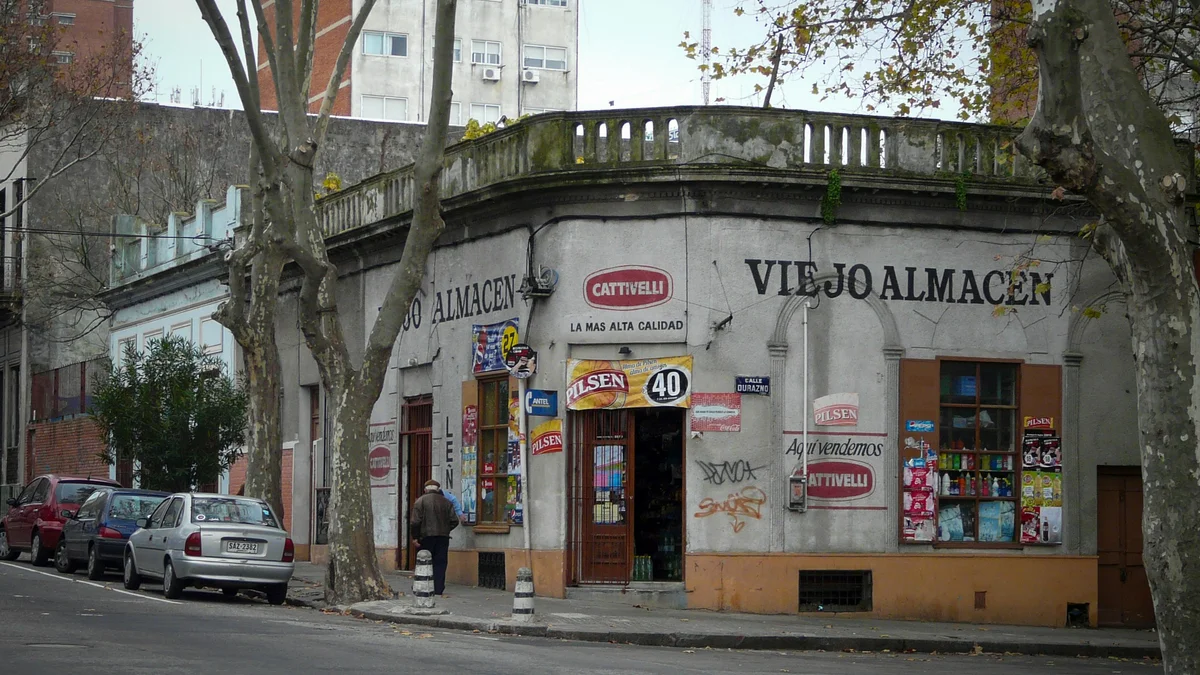
Montevideo's original historic core, laid out by Spanish colonists in the 1720s on a peninsula between the bay and the Río de la Plata. Today it's a dense mix of Art Deco towers, 19th-century government buildings, and cobblestone plazas, anchored by Plaza Independencia and Plaza Constitución (Plaza Matriz). It remains the seat of Uruguay's national government alongside its oldest surviving streets.
2
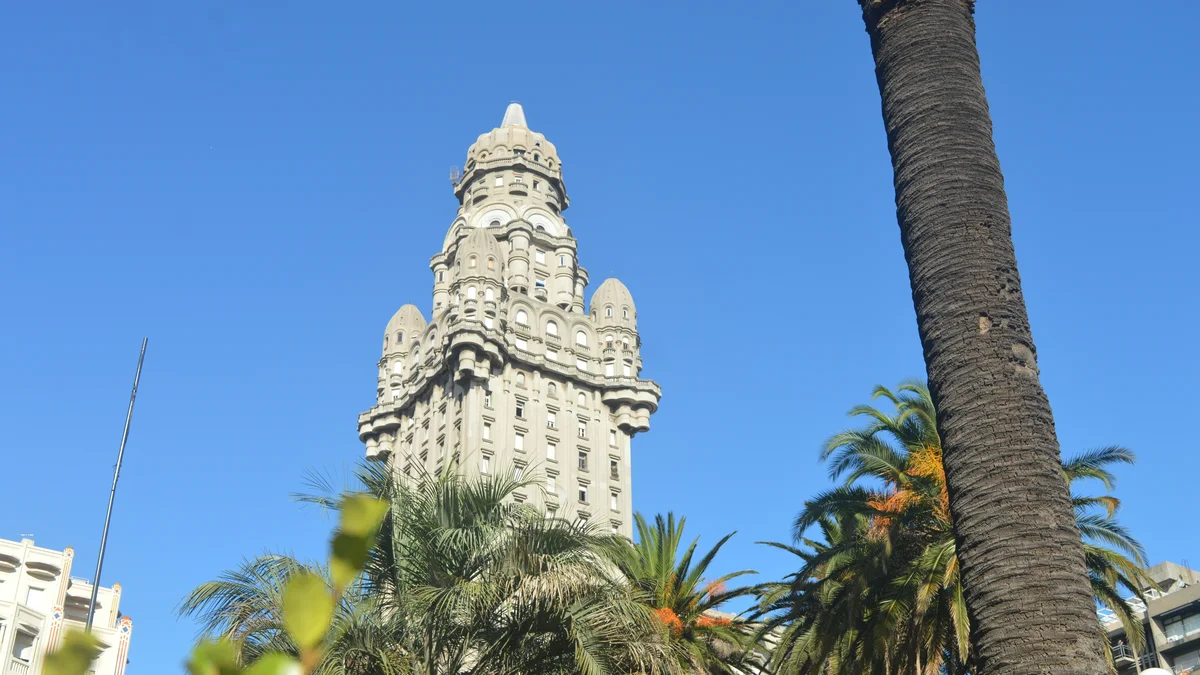
 Palacio Salvo
Montevideo
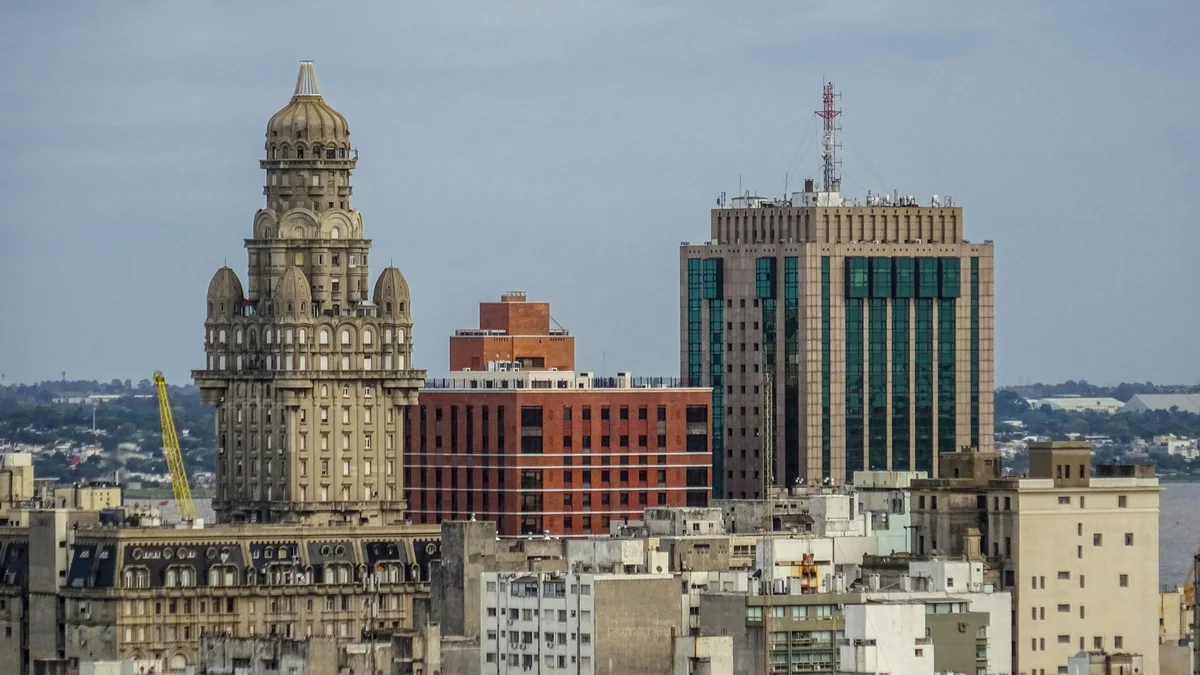
A landmark early-20th-century tower overlooking Plaza Independencia, completed in 1928 and briefly the tallest building in South America. Designed by Italian architect Mario Palanti (who also designed Buenos Aires' similar Palacio Barolo), it combines apartments, offices, and a distinctive spired silhouette that has become Montevideo's most recognizable skyline landmark.
3
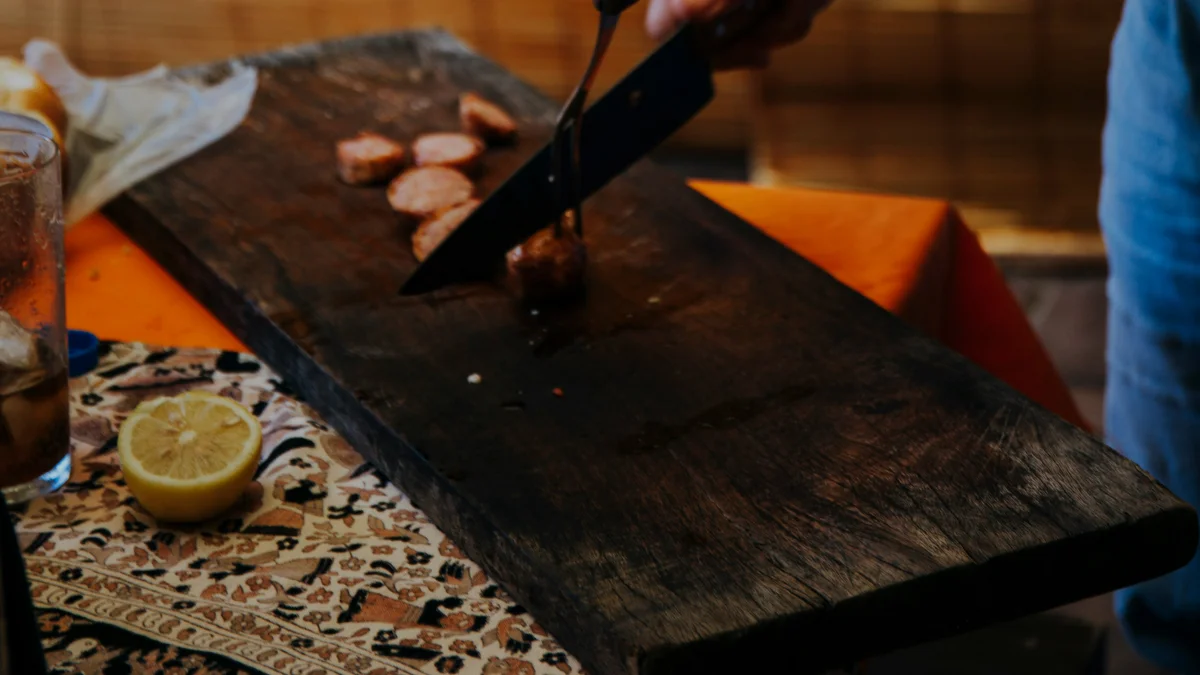 Mercado del Puerto
Montevideo
A 19th-century iron-framed market hall near Montevideo's old port, prefabricated in England and erected in 1868. It's now packed with parrilla grill restaurants serving Uruguayan beef straight off open charcoal fires, and is one of the most-visited real landmarks in the city, especially on weekend afternoons when locals and visitors alike pack its wooden counters.
4
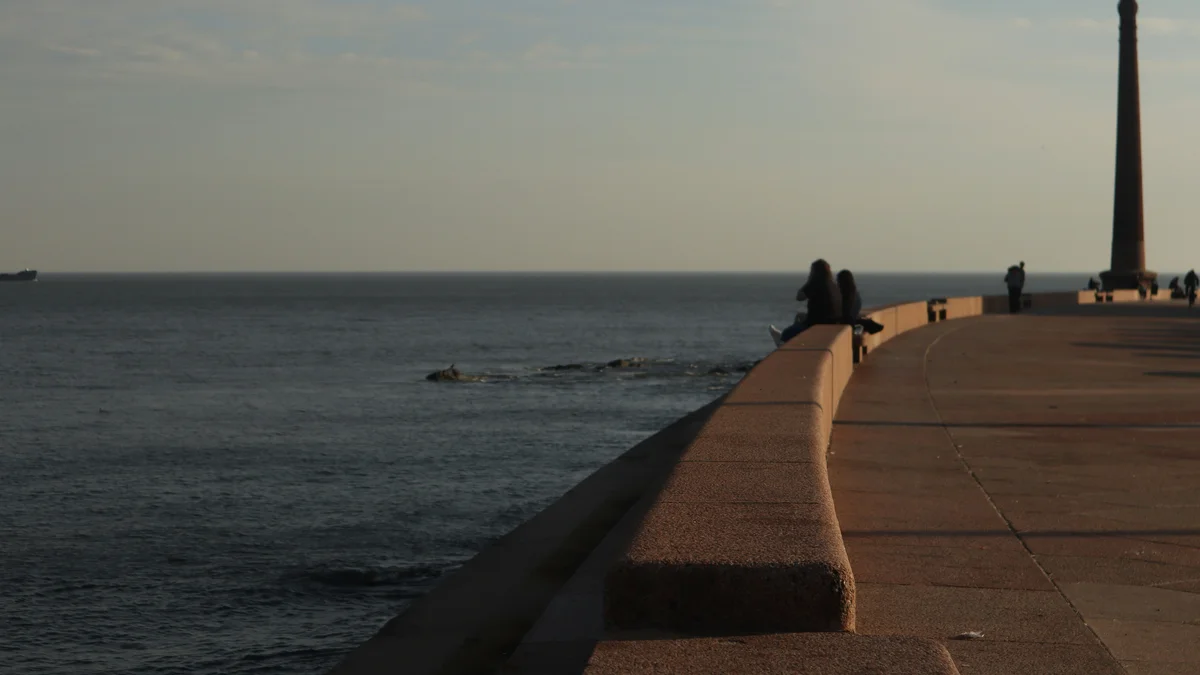 Rambla de Montevideo
Montevideo
A continuous coastal promenade tracing Montevideo's entire waterfront for roughly 22 kilometers, often cited as the longest uninterrupted sidewalk in the world. It links the Old City to the beachside neighborhoods of Pocitos, Punta Gorda, and Carrasco, and is where much of daily Montevideo life happens — walking, cycling, and drinking mate along the Río de la Plata.
5
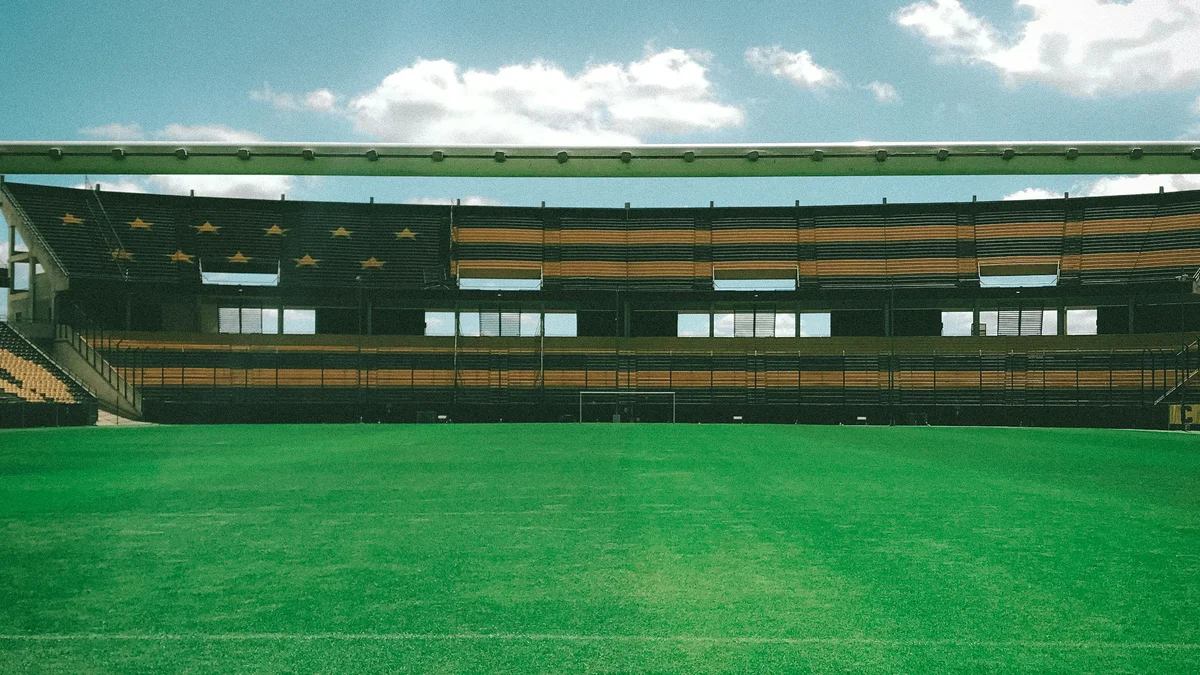 Estadio Centenario
Montevideo
Built in 1930 to host the first-ever FIFA World Cup, which Uruguay won on home soil. It remains the only stadium in the world that FIFA has formally declared a global football monument. The complex includes the Museo del Fútbol, home to trophies and memorabilia from Uruguay's football history, and is still used for the national team's matches today.
Tell us your group size and dates — we'll take care of the rest.