TorontoOntario · 36 tours
 Niagara FallsOntario · 25 tours
 New York CityNew York · 30 tours
 Las VegasNevada · 8 tours
 San FranciscoCalifornia · 16 tours
 VancouverBritish Columbia · 17 tours
 DubaiUAE · 54 tours
 Abu DhabiUAE · 5 tours
 Buenos AiresArgentina · 23 tours
 AthensGreece · 31 tours
 AucklandNew Zealand · 38 tours
 CancunMexico · 54 tours
No destinations match “”. Try searching all tours instead — that search understands full questions, not just place names.
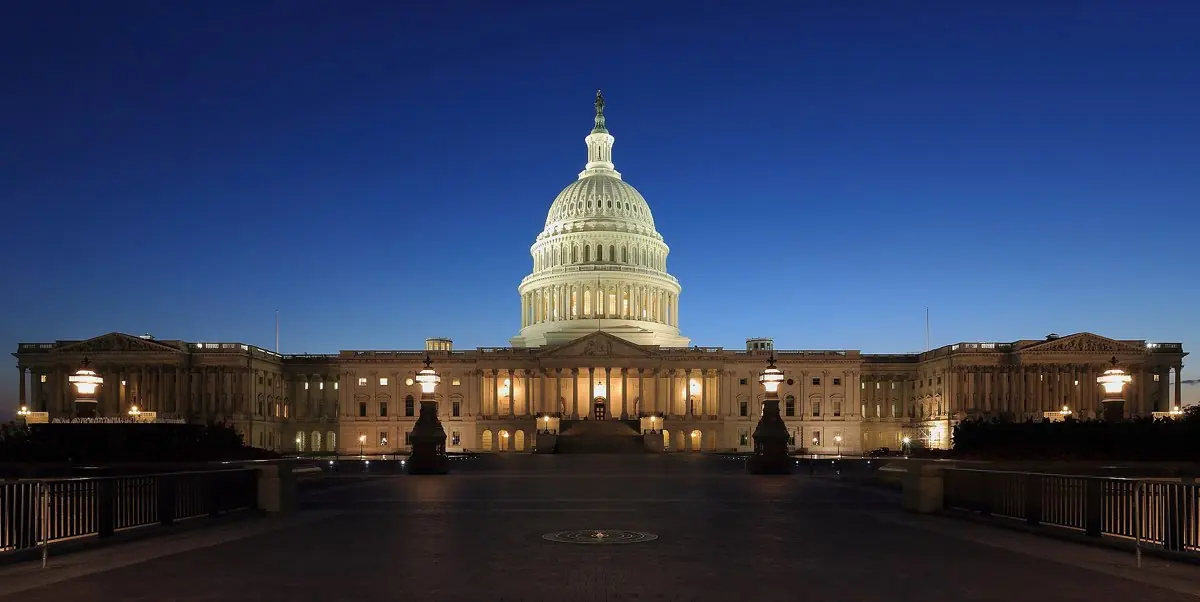
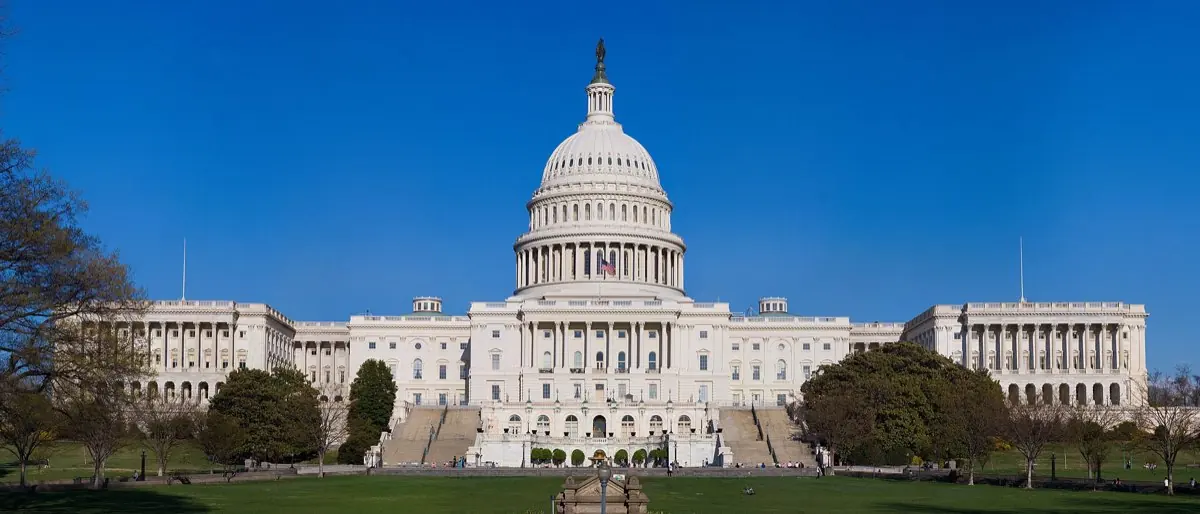
The seat of the United States Congress, topped by its iconic cast-iron dome.
Visitor guide
The United States Capitol is the home of the U.S. Congress, standing on Capitol Hill at the eastern end of the National Mall in Washington, D.C. It is topped by a cast-iron dome that rises about 288 feet and is capped by the bronze Statue of Freedom. George Washington laid the cornerstone on September 18, 1793, and the building has been extended and altered several times since.
William Thornton's design was approved in 1793, and Benjamin Henry Latrobe and later Charles Bulfinch reworked it as construction continued. Congress first met in the building on November 17, 1800, after the capital moved from Philadelphia. British forces partly burned it in August 1814 during the War of 1812, and it was restored within about five years. By the 1850s Congress had outgrown the building, and Thomas U. Walter designed the large House and Senate wings that more than doubled its length, along with the present dome, which replaced a much smaller earlier one. The Statue of Freedom was raised to the top in 1863 and the dome was finished around 1866. Walter resigned in 1865, and Edward Clark completed the last details.
The dome weighs roughly 8.9 million pounds. Inside, the Rotunda's ceiling carries Constantino Brumidi's fresco The Apotheosis of Washington, suspended about 180 feet above the floor and covering more than 4,600 square feet, completed in the mid-1860s. The Rotunda also holds large historical paintings by John Trumbull. Beneath it, the Crypt was originally intended as a tomb for George Washington, who was instead buried at Mount Vernon. A compass-star marker in the Crypt is the point from which Washington's four quadrants are measured. The building covers about 16.5 acres of floor space on five floors, and the Capitol was designated a National Historic Landmark in 1960.
Visitors enter through the Capitol Visitor Center, built beneath the East Front plaza, which broke ground in 2000 and opened on December 2, 2008. It holds exhibits on the history of Congress and the Capitol, as well as the entry for guided tours. Emancipation Hall, its large central space, displays statues from the National Statuary Hall Collection.
A guided tour typically covers the Crypt, the Rotunda and the National Statuary Hall, where each state has contributed statues of notable citizens. The exterior is best appreciated from the West Front lawn for the classic view down the Mall, and from the East Front. Landscape architect Frederick Law Olmsted designed the Capitol grounds in the late 19th century.
The Library of Congress, the Supreme Court and the U.S. Botanic Garden are all within a short walk, and the Smithsonian museums line the Mall to the west. A private tour from Voyzo, with a private vehicle, driver and door-to-door pickup, lets a group be dropped near the Visitor Center entrance and met again afterward, rather than searching for parking on Capitol Hill.
See every tour and attraction we cover in Washington DC.