 TorontoOntario · 36 tours
 Niagara FallsOntario · 25 tours
 New York CityNew York · 30 tours
 Las VegasNevada · 8 tours
 San FranciscoCalifornia · 16 tours
 VancouverBritish Columbia · 17 tours
 DubaiUAE · 54 tours
 Abu DhabiUAE · 5 tours
 Buenos AiresArgentina · 23 tours
 AthensGreece · 31 tours
 AucklandNew Zealand · 38 tours
 CancunMexico · 54 tours
No destinations match “”. Try searching all tours instead — that search understands full questions, not just place names.
Voyzo runs 9 tours in Queretaro, covering 5 top attractions. A private tour means your own guide, driver, and vehicle and an itinerary built around your group rather than a fixed bus schedule.
Private Tours
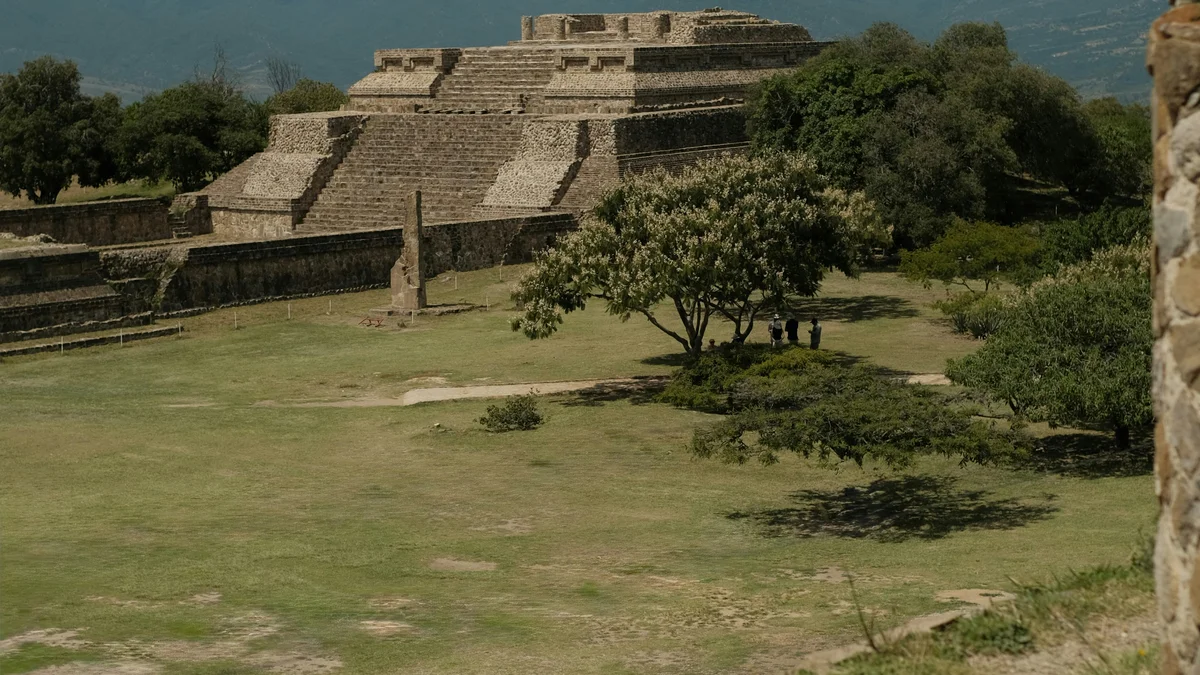
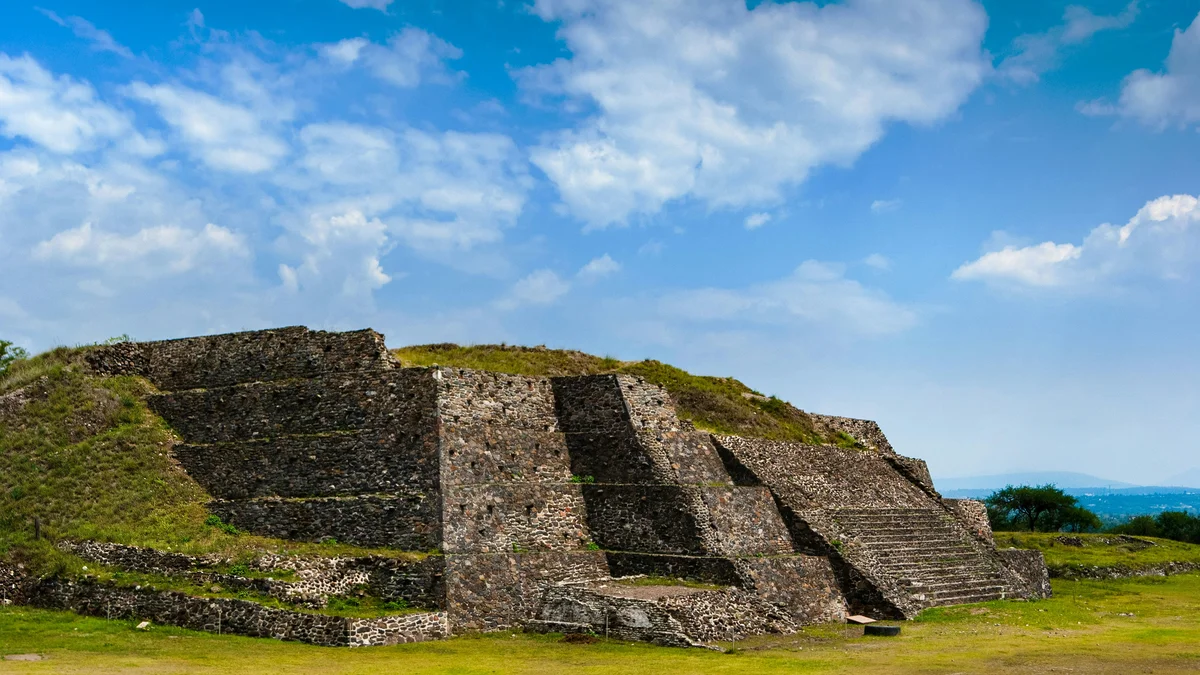
A private tour to Querétaro's real archaeological site, evidence of the Toltec Empire's presence in the region, including one of the largest pyramids in Mexico and the colonial hacienda later built on the site.
 Private Tours
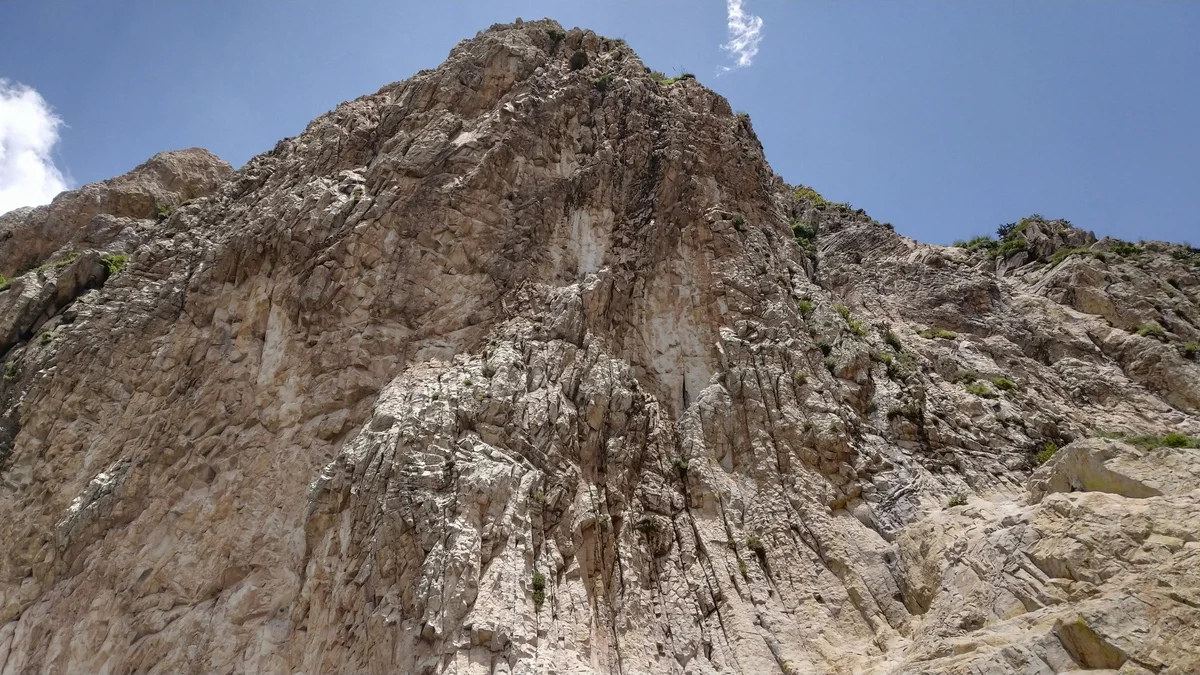
A private via ferrata adventure on Peña de Bernal, a monolith often called the world's third-largest, led by professional rock climbers exclusively for your group.
 Private Tours
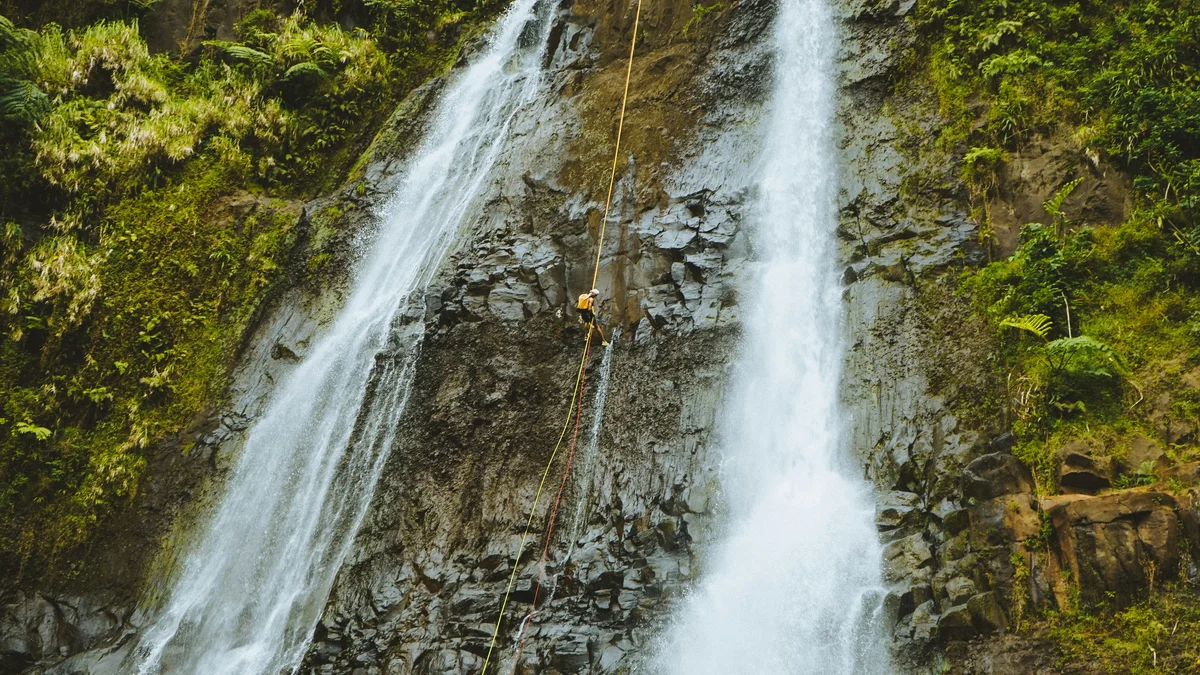
A private canyoning tour through the Infiernillo Canyon, one of Querétaro's most iconic canyons, with rappels, natural slides, and turquoise pools along a 5.5-kilometer route.
 Private Tours
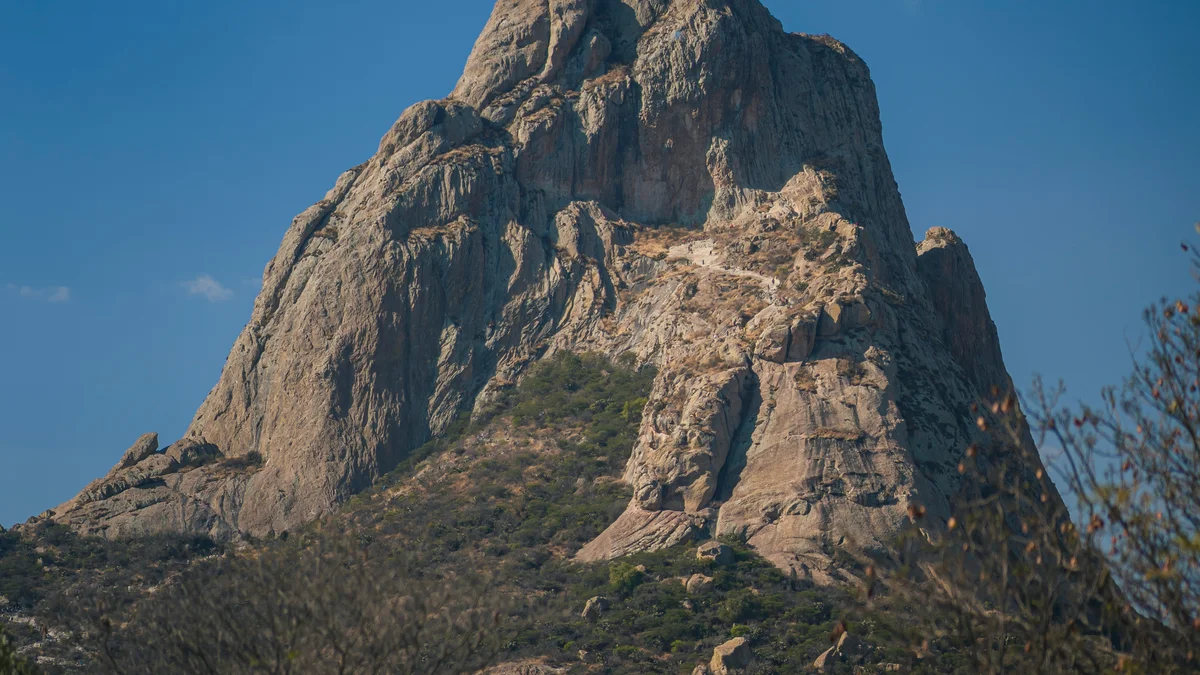
A multi-pitch or single-pitch technical climb of Peña de Bernal with your guide, capped at a maximum of four climbers per booking for a personalized, safe experience.
 Private Tours
A private day trip pairing Tula, home to the towering Atlantes stone warrior sculptures of the Toltec Empire, with Querétaro's UNESCO-listed historic center and its real 74-arch aqueduct.
 Private Tours
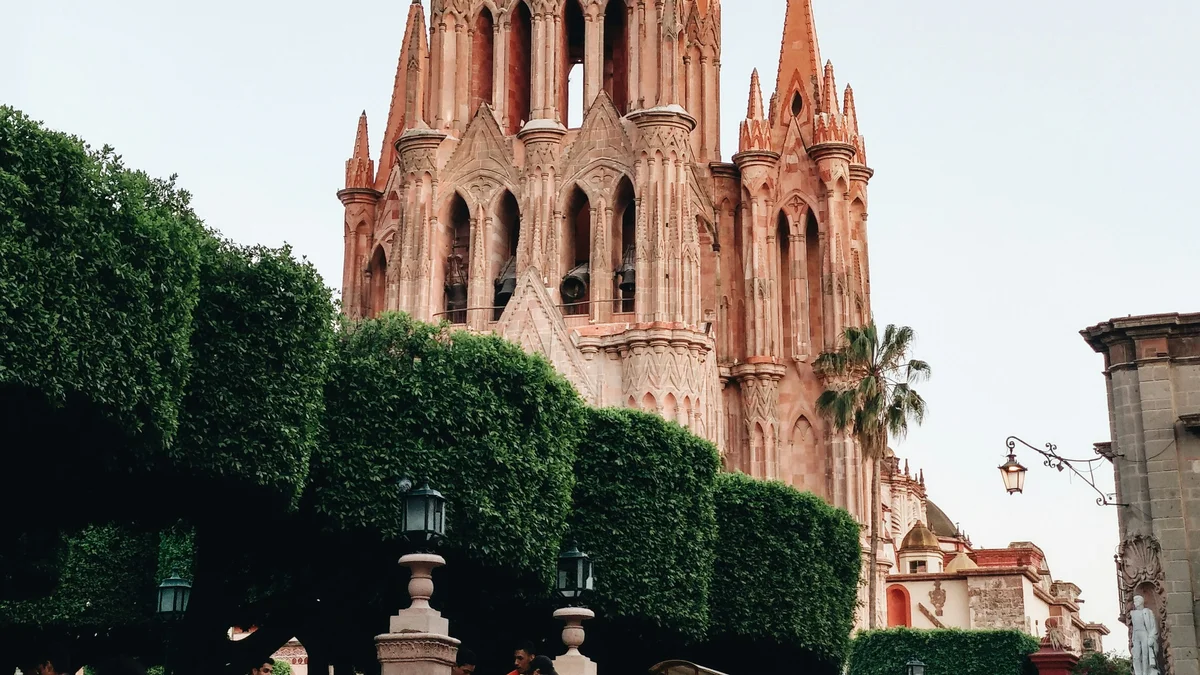
A private day trip to Querétaro and San Miguel de Allende, covering Querétaro's real role in Mexico's independence movement, its 74-arch aqueduct, and San Miguel's Allende Institute, cathedral, and murals.
 Private Tours
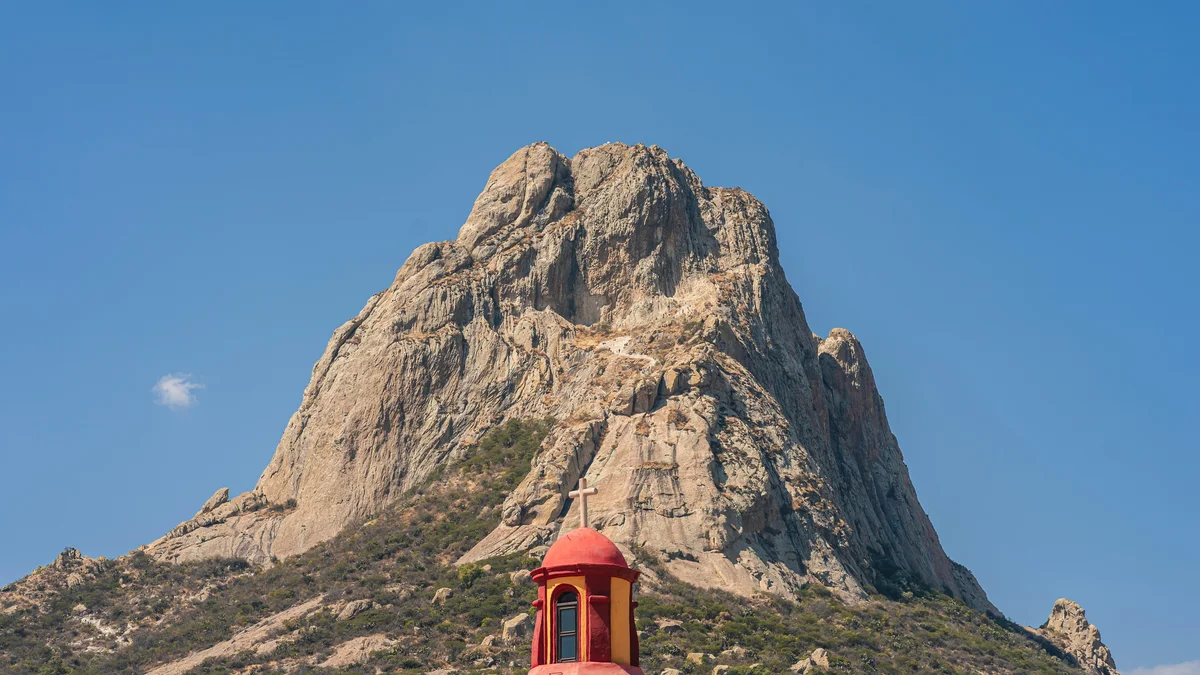
A private day trip from Guanajuato to Querétaro's Plaza de Armas and the real Peña de Bernal, a monolith often called the third-largest on the planet.
 Private Tours
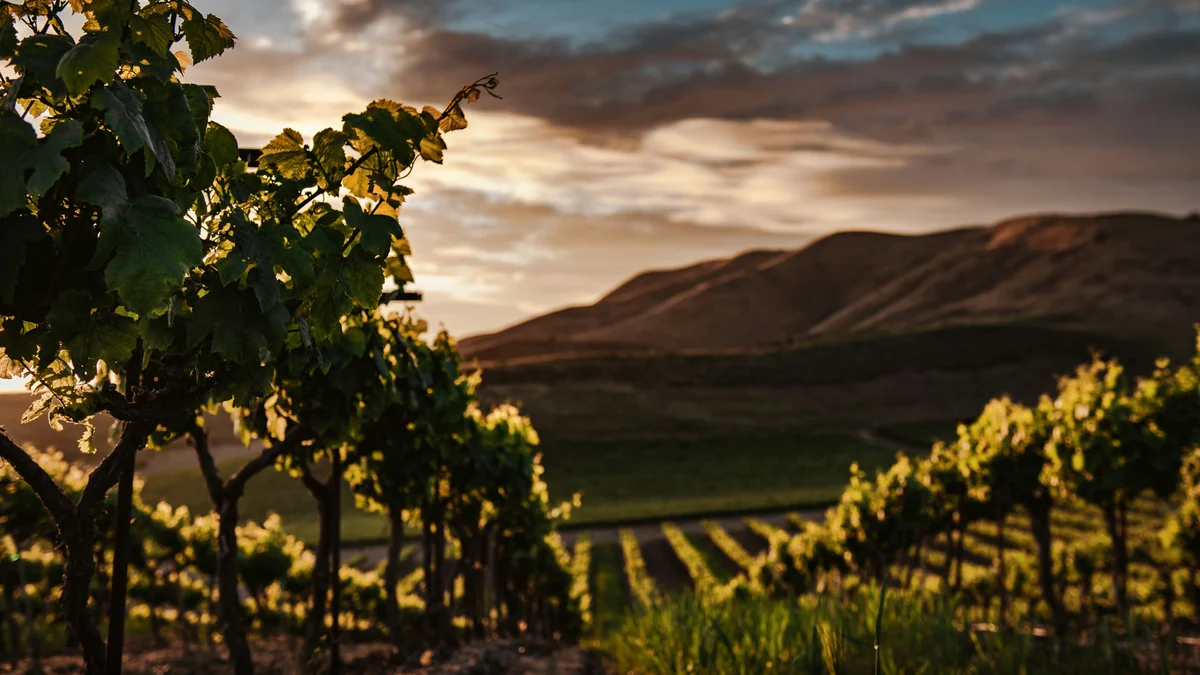
A private, skip-the-line tour through Querétaro's genuine wine region near Ezequiel Montes, paired with a visit to Peña de Bernal, a monolith often called the world's third-largest.
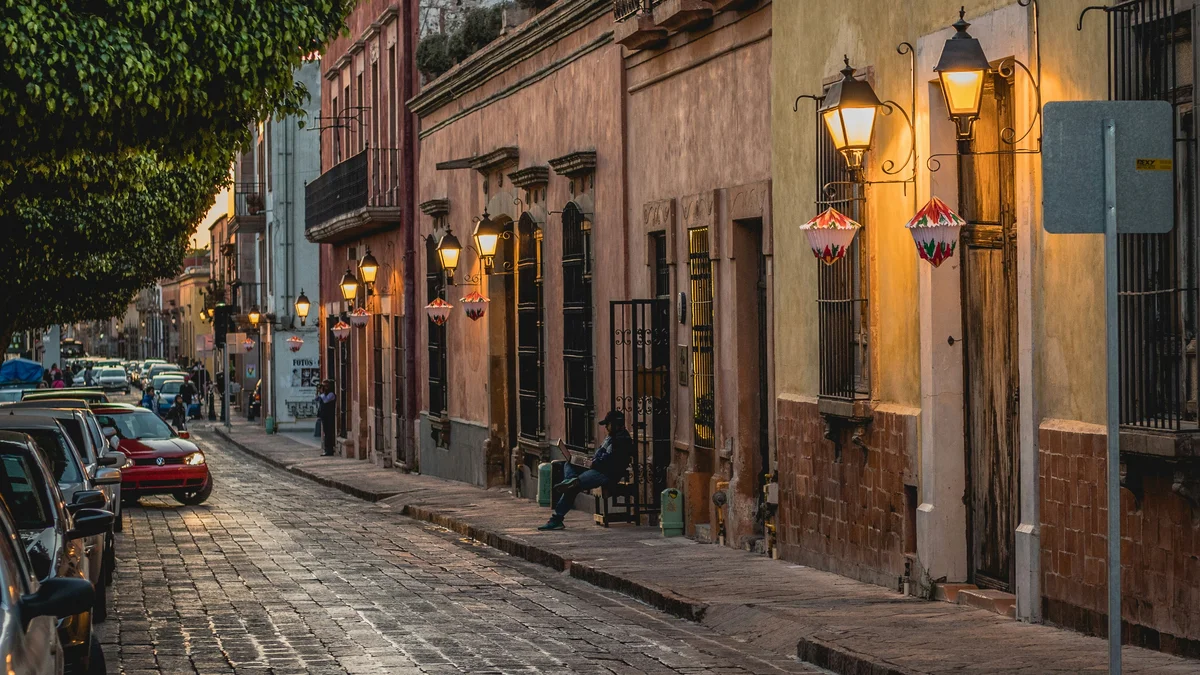 Private Tours
A private, guided evening walk through Querétaro's historic center, told through the city's real local legends and folklore, with skip-the-line access.
Private tours in Queretaro are matched to your party size — here's the fleet we draw from for this region.
| Vehicle | Model | Capacity | Best For |
|---|---|---|---|
| Private Car / SUV | Toyota Corolla or Chevrolet Trailblazer SUV | Up to 5 guests | A comfortable private car for couples or small families touring colonial cities, Mayan archaeological sites, and Riviera Maya beach towns. |
| Private Van | Toyota Hiace or Mercedes-Benz Sprinter, air-conditioned | Up to 12 guests | Air-conditioned seating with room for luggage, ideal for families or small groups moving between Mexico City, colonial towns, and the Yucatan's Mayan sites. |
| Mini-Coach | Toyota Coaster mini-coach | Up to 25 guests | A full mini-coach for larger groups traveling together on multi-day itineraries across Mexico's longer highway legs. |
Popular stops our guides build into Queretaro itineraries — tap any attraction to learn more.
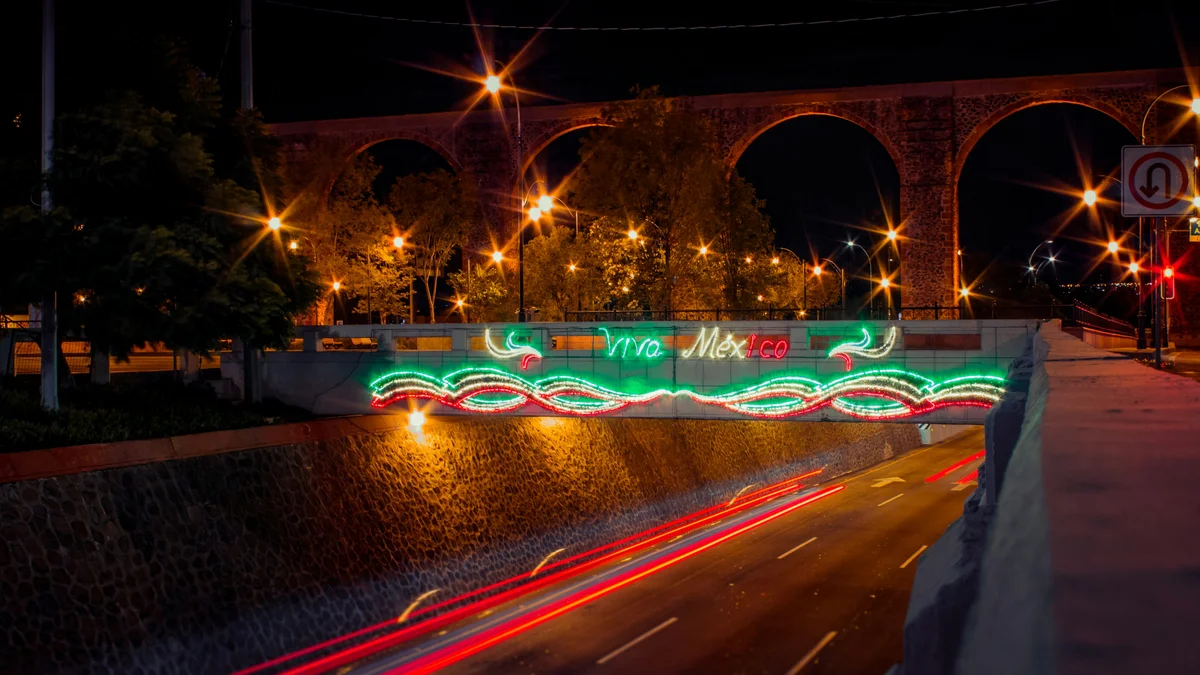 Querétaro Aqueduct (Los Arcos)
Queretaro
A genuine 18th-century stone aqueduct running roughly 1,280 meters through the city on 74 real arches, some rising over 20 meters high, built between 1726 and 1738 to bring water from the nearby La Cañada springs into the growing colonial city. It remains one of Querétaro's most recognizable landmarks and still frames views across the modern city skyline.
2
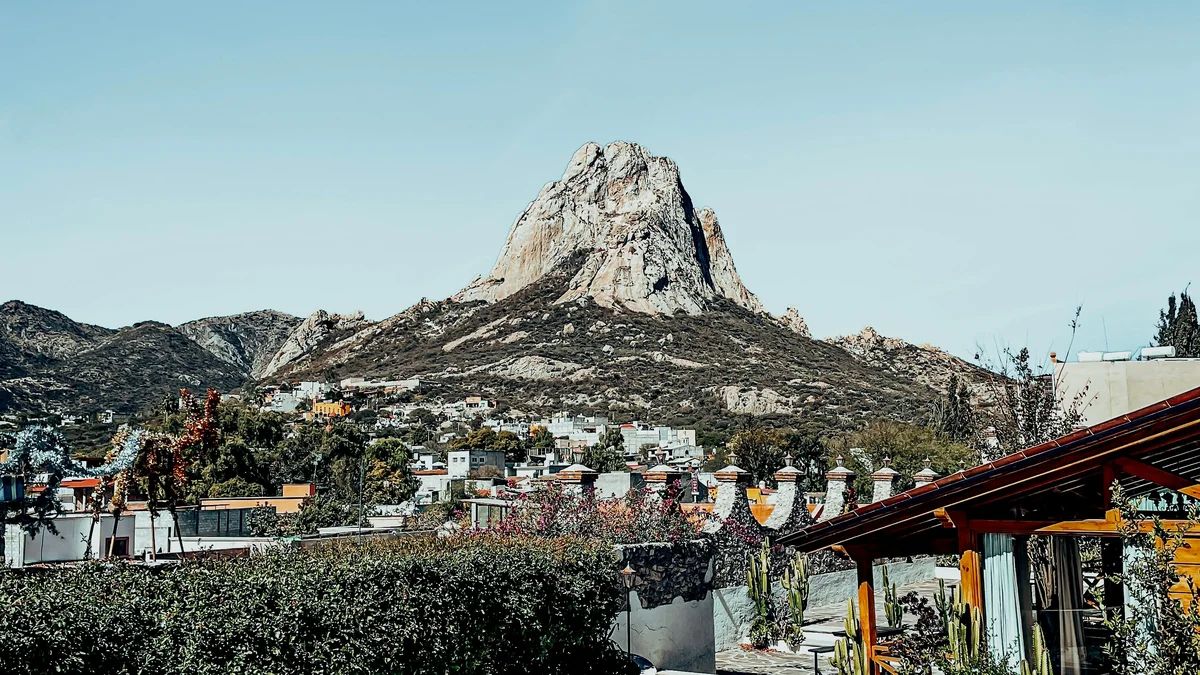 Peña de Bernal
Queretaro
A real monolith rising more than 350 meters above the surrounding valley, widely cited as the third-largest monolith in the world after Brazil's Sugarloaf Mountain and the Rock of Gibraltar. It sits beside the Pueblo Mágico of Bernal and is a genuine, popular destination for climbers, via ferrata routes, and travelers simply photographing it from the town below.
3
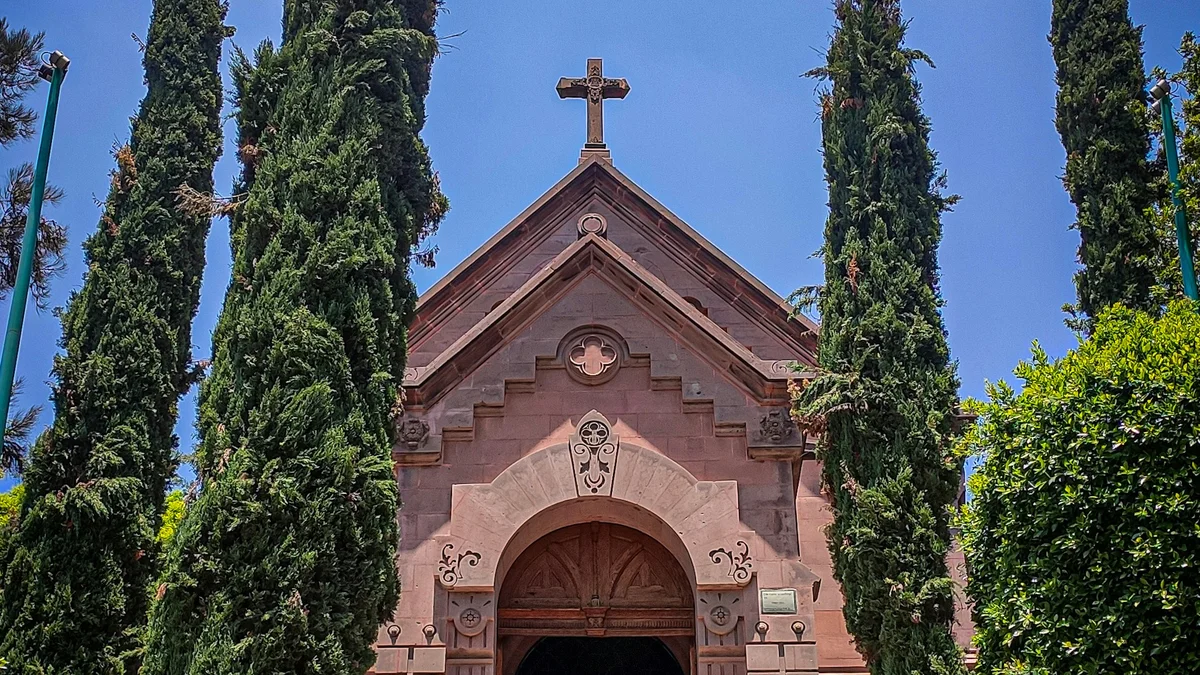 Cerro de las Campanas
Queretaro
A real hill on the western edge of Querétaro city, historically significant as the site where Emperor Maximilian I was executed in 1867, ending the French intervention in Mexico. Today it holds a monument to Mexican president Benito Juárez and remains one of the country's most historically important sites tied to the fall of the Second Mexican Empire.
4
Teatro de la República
Queretaro
A real 19th-century theater in central Querétaro where the Mexican Constitution of 1917, still in force today, was signed — one of the single most historically significant buildings in modern Mexican political history. It also hosted the trial of Emperor Maximilian I before his execution at nearby Cerro de las Campanas.
5
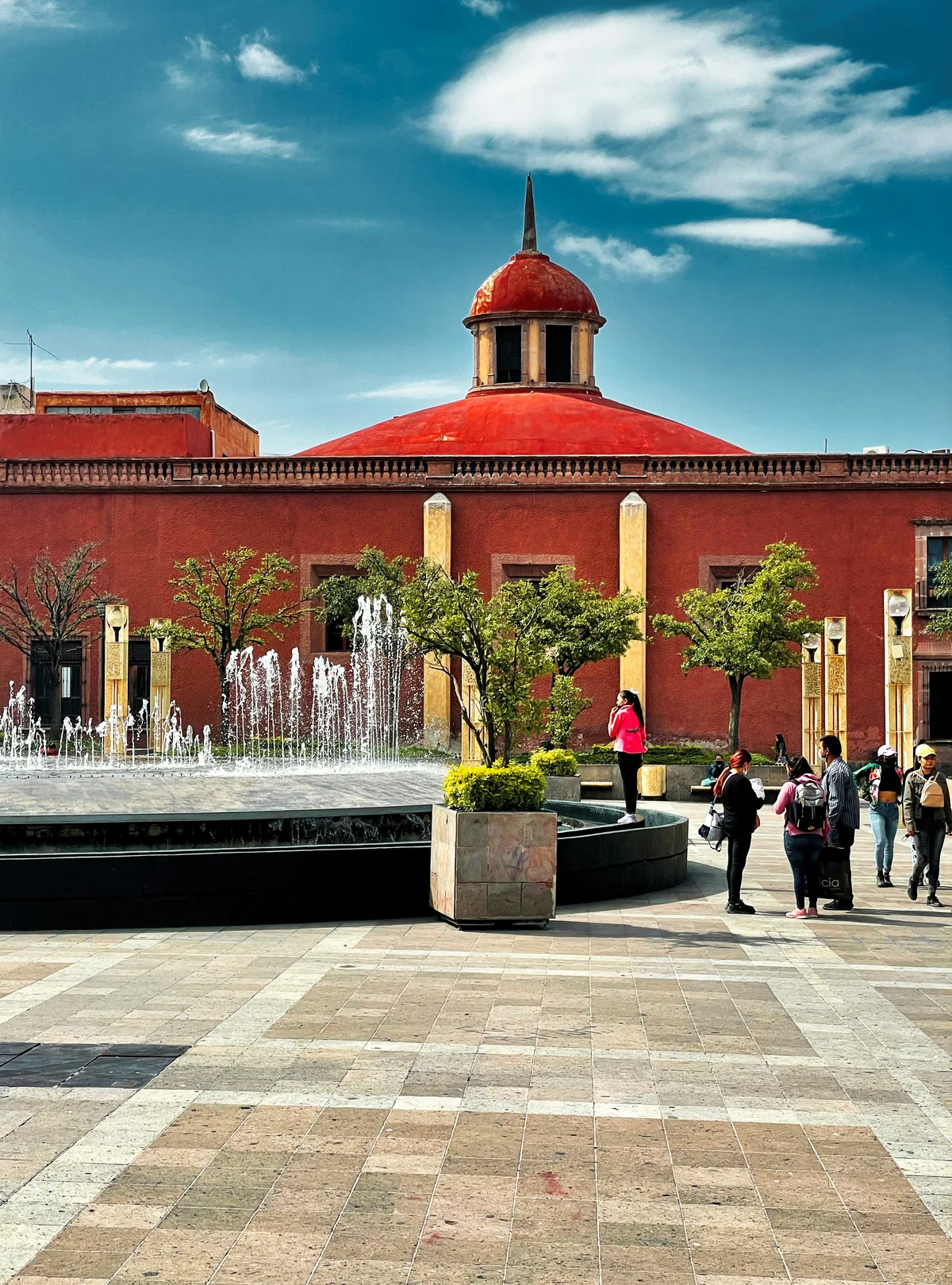 Jardín Zenea
Queretaro
Querétaro's real central plaza, a shaded colonial-era garden square framed by the city's cathedral and municipal buildings, and the traditional gathering point for both locals and visitors in the historic center. It's a genuine starting point for exploring Querétaro's pedestrian-friendly UNESCO World Heritage core on foot.
Compared to larger colonial cities, Querétaro has fewer independently based private-tour operators — several of the strongest options genuinely depart from Mexico City or Guanajuato rather than from within Querétaro itself, which is normal for this size of market.
The monolith and the Pueblo Mágico of Bernal are about an hour from Querétaro city itself, in the municipality of Ezequiel Montes — private day trips typically combine it with either the city or the wine region rather than treating it as a quick add-on.
Querétaro state is one of Mexico's genuine wine-producing regions, alongside Baja California and Coahuila, with real vineyards clustered around Ezequiel Montes and Tequisquiapan — not a marketing label.
Querétaro city sits around 1,820 meters (nearly 6,000 feet) above sea level, and climbing routes on Peña de Bernal go considerably higher — worth pacing yourself on any physically active tour.
Much of Querétaro's UNESCO-listed core is closed to or light on vehicle traffic, with narrow colonial streets and plazas well suited to walking tours rather than long vehicle transfers within the city itself.
Querétaro sits in Mexico's central highlands, roughly two to three hours northwest of Mexico City, and its historic center was declared a UNESCO World Heritage Site in 1996 for its well-preserved Baroque architecture and unusual street layout, which blends a rigid colonial grid with the curving indigenous street pattern that predated it. The city carries genuine weight in Mexican history — the independence conspiracy that helped spark the 1810 War of Independence was plotted here, and the 1917 Constitution, still in force today, was signed at the city's Teatro de la República.
Voyzo's private tours here split between the walkable historic center itself, anchored by the real 74-arch 18th-century aqueduct, and Querétaro state's wider landscape beyond the city: Peña de Bernal, the real third-largest monolith in the world, the state's genuine and growing wine region near Ezequiel Montes, and the Toltec-era archaeological sites that connect the region to central Mexico's pre-Hispanic history.
Tell us your group size and dates — we'll take care of the rest.
