TorontoOntario · 36 tours
 Niagara FallsOntario · 25 tours
 New York CityNew York · 30 tours
 Las VegasNevada · 8 tours
 San FranciscoCalifornia · 16 tours
 VancouverBritish Columbia · 17 tours
 DubaiUAE · 54 tours
 Abu DhabiUAE · 5 tours
 Buenos AiresArgentina · 23 tours
 AthensGreece · 31 tours
 AucklandNew Zealand · 38 tours
 CancunMexico · 54 tours
No destinations match “”. Try searching all tours instead — that search understands full questions, not just place names.
A real 19th-century theater in central Querétaro where the Mexican Constitution of 1917, still in force today, was signed — one of the single most historically significant buildings in modern Mexican political history. It also hosted the trial of Emperor Maximilian I before his execution at nearby Cerro de las Campanas.
Visitor guide
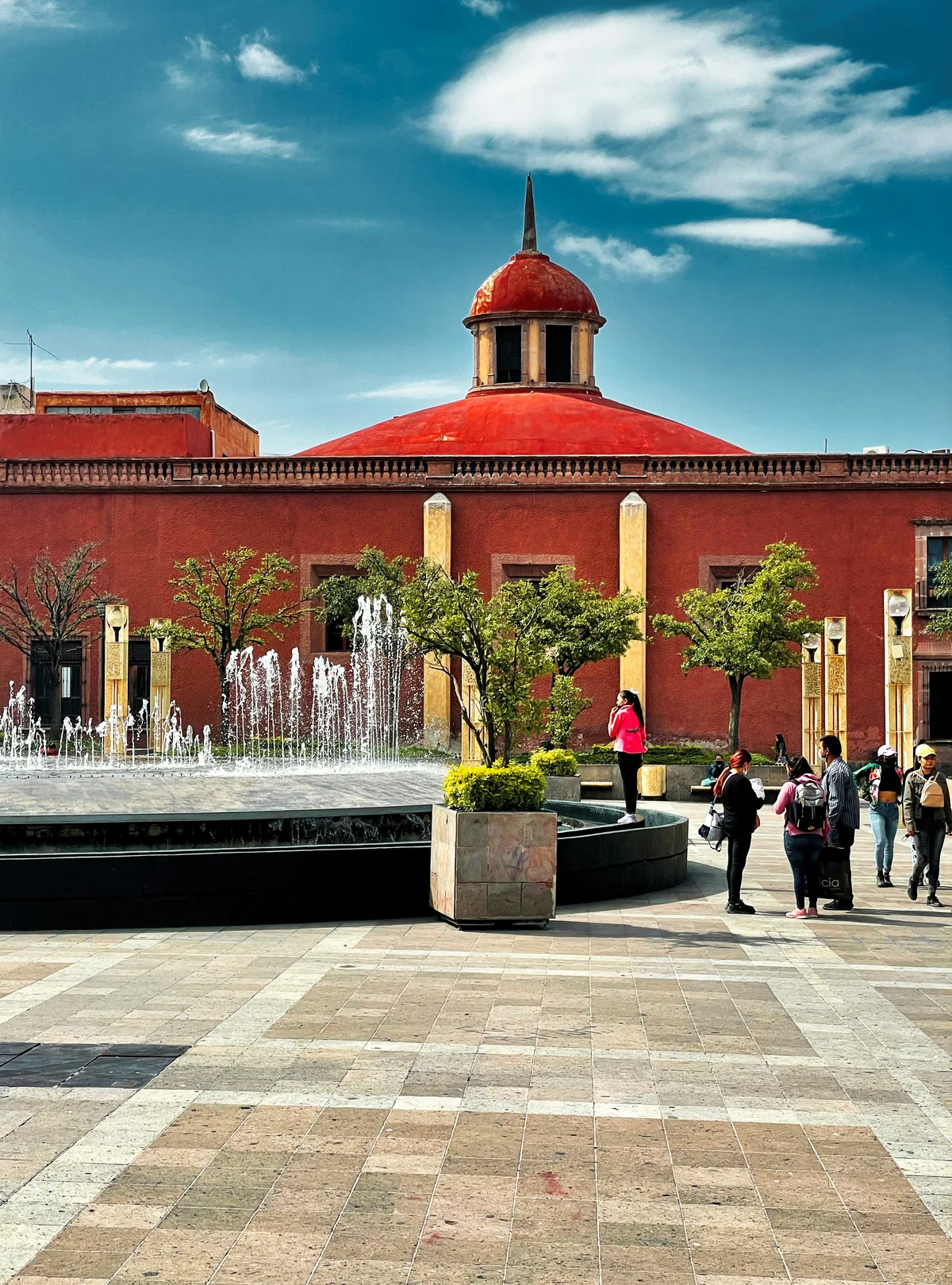
The Teatro de la Republica is a neoclassical theater in the historic center of Queretaro, Mexico, with three floors and about 500 seats. It was originally called Teatro Iturbide and is closely tied to two moments in Mexican history: the 1867 trial of Emperor Maximilian I and the drafting of the Constitution of 1917.
According to Wikipedia, the theater was built from 1845 to 1852 under the architect Camilo San German, while Queretaro was still recovering from the Mexican War of Independence, and work stopped during the Mexican-American War. In 1852 Governor Ramon Maria Loreto dedicated it to Agustin de Iturbide, giving it the name Teatro Iturbide. During the Siege of Queretaro in 1864, Wikipedia says imperial forces inside the city destroyed the ceiling to take its lead. The building was renamed for the Constitution, and the current name was finally adopted in 1922.
In 1867 the trial of Emperor Maximilian I took place in the theater, ending in a death sentence. The Queretaro city article adds that he was sentenced together with the generals Miguel Miramon and Tomas Mejia, and that they were executed on the Cerro de las Campanas on the edge of the city, which closed the chapter of the Second Mexican Empire. The execution is dated 19 June 1867.
In February 1916 Venustiano Carranza named Queretaro the provisional capital because the Constituent Congress would meet there. Wikipedia's article on the Mexican constitution says the congress opened in November 1916, that Carranza submitted his draft on 1 December 1916 and that it was meant to revise the Constitution of 1857 but produced a far more sweeping document. It lists 220 delegates, all Carrancistas and mostly middle-class professionals such as lawyers, teachers, engineers, doctors and journalists, with Villista and Zapatista factions excluded. Queretaro was chosen partly because Maximilian had been executed there in 1867.
The theater was renovated in 1917 for the delegates. The debates over Article 3 on secular education and the anticlerical provisions were the most contested, while Article 27 on land and subsoil rights and Article 123 on labor rights passed easily, with Pastor Rouaix guiding the final versions of both. The constitution was approved on 5 February 1917 and took effect on 1 May 1917. It is commonly described as the first constitution to set out social rights, ahead of the Russian and Weimar constitutions. A proposal to extend the vote to women was not adopted, and women did not gain the vote in Mexico until 1953.
The names of the signatories are inscribed in gold letters on the wall at the back of the stage, and the building houses a museum of the 1917 Constituent Congress. Wikipedia also records that Lazaro Cardenas's six-year presidential plan was announced here.
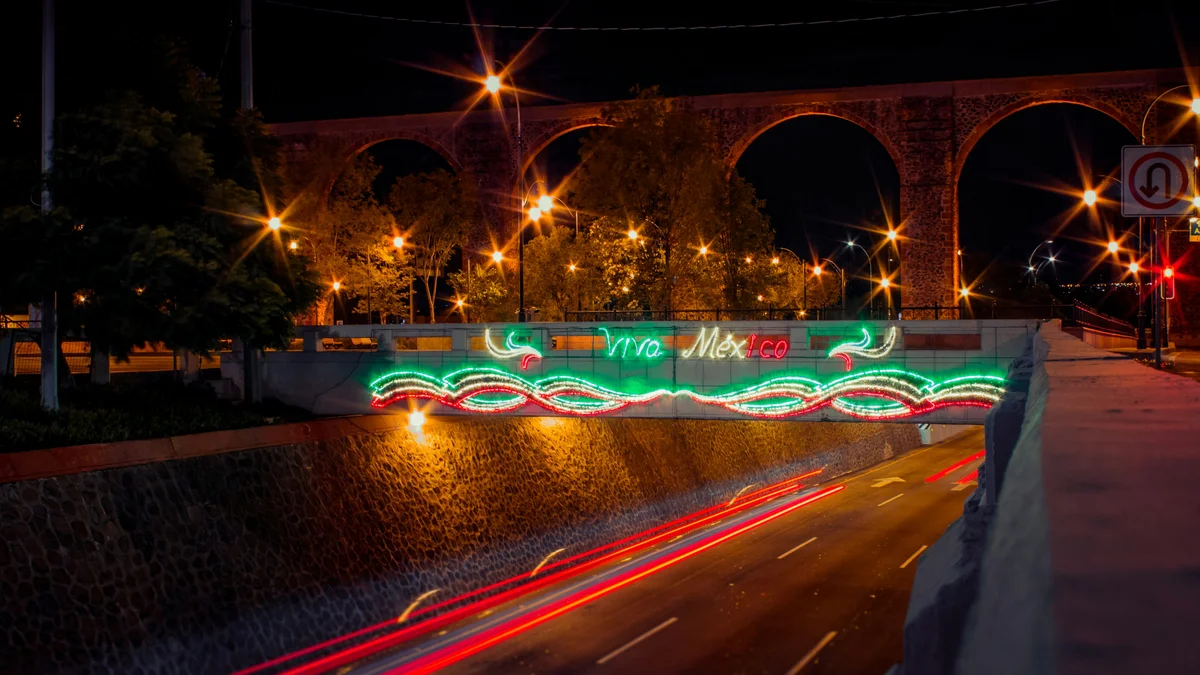
Wikipedia reports that the Senate of the Republic acquired the building from the Josefa Vergara Foundation in 2016 ahead of the Constitution's centennial. The theater sits within the historic center of Queretaro, which UNESCO inscribed in 1996, close to the Jardin Zenea and the cathedral. A private guided visit can connect the theater with the other sites that tell Queretaro's story, including the hill where Maximilian was executed and the colonial aqueduct. As a building with changing uses, details of access and exhibits should be confirmed locally.
See every tour and attraction we cover in Queretaro.