TorontoOntario · 36 tours
 Niagara FallsOntario · 25 tours
 New York CityNew York · 30 tours
 Las VegasNevada · 8 tours
 San FranciscoCalifornia · 16 tours
 VancouverBritish Columbia · 17 tours
 DubaiUAE · 54 tours
 Abu DhabiUAE · 5 tours
 Buenos AiresArgentina · 23 tours
 AthensGreece · 31 tours
 AucklandNew Zealand · 38 tours
 CancunMexico · 54 tours
No destinations match “”. Try searching all tours instead — that search understands full questions, not just place names.
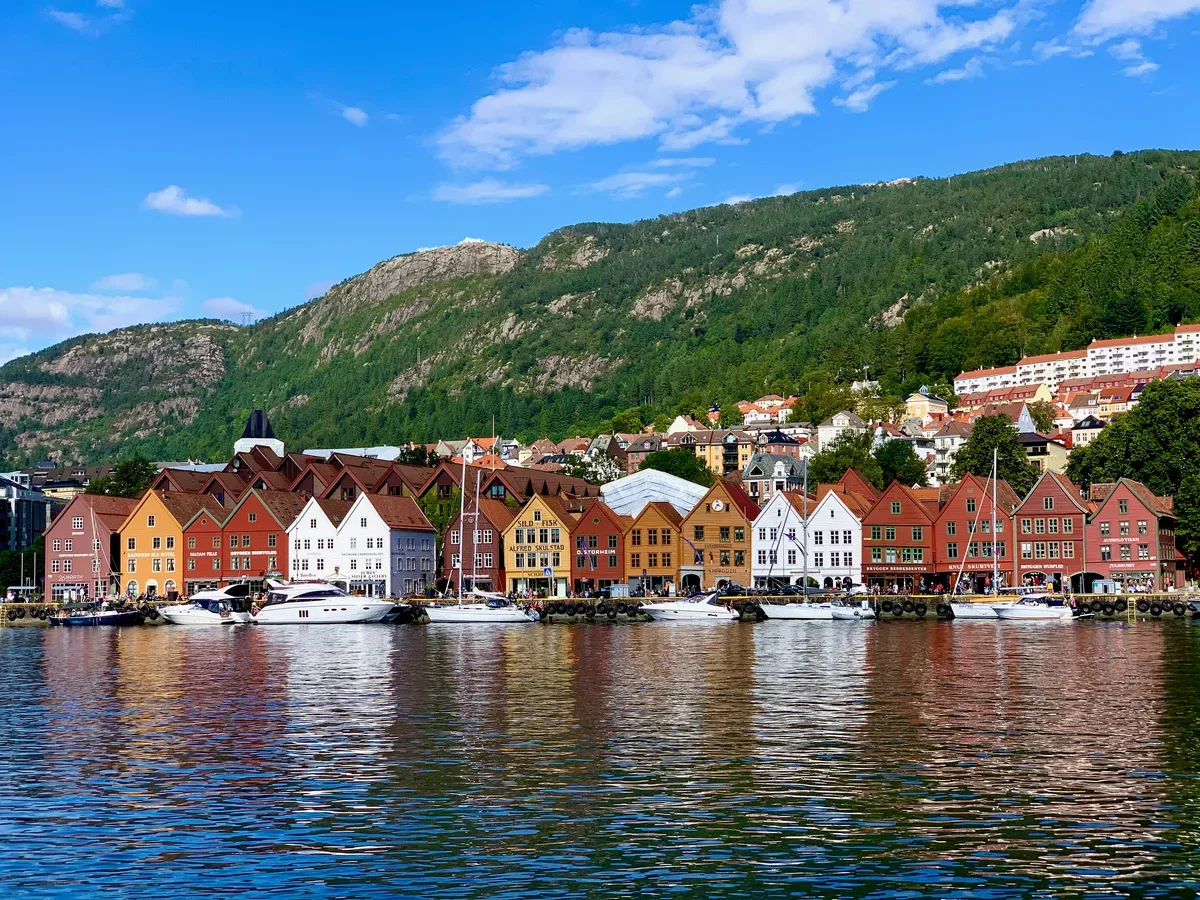
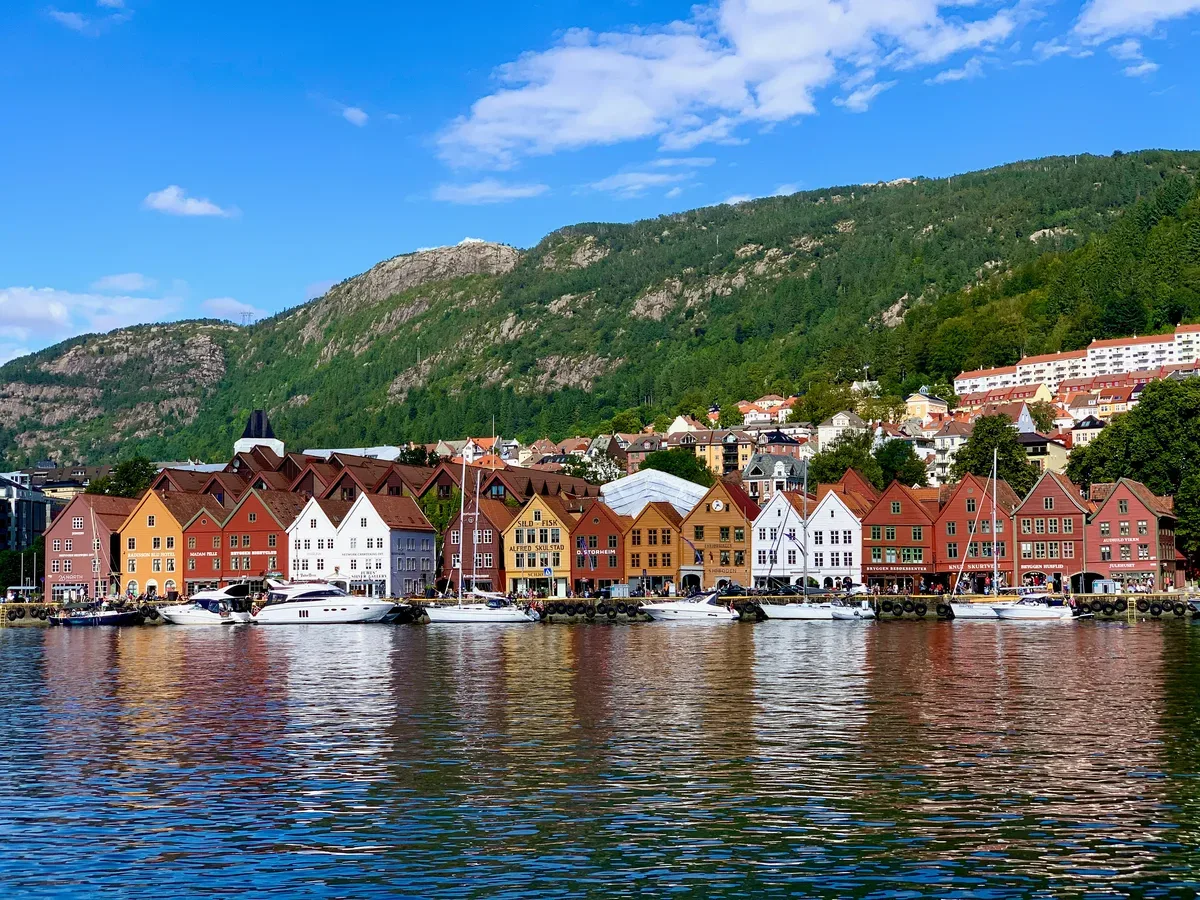
Bergen's UNESCO-listed wharf of colorful wooden Hanseatic merchant houses, backed by the Fløibanen funicular up Mt. Fløyen.
 Multi-Day Tours
A relaxed 9-day route from Oslo through the mountain town of Geilo, the Flåm Railway and fjord ferries, the fjord-side village of Balestrand, and Bergen's historic Bryggen wharf.
 Multi-Day Tours
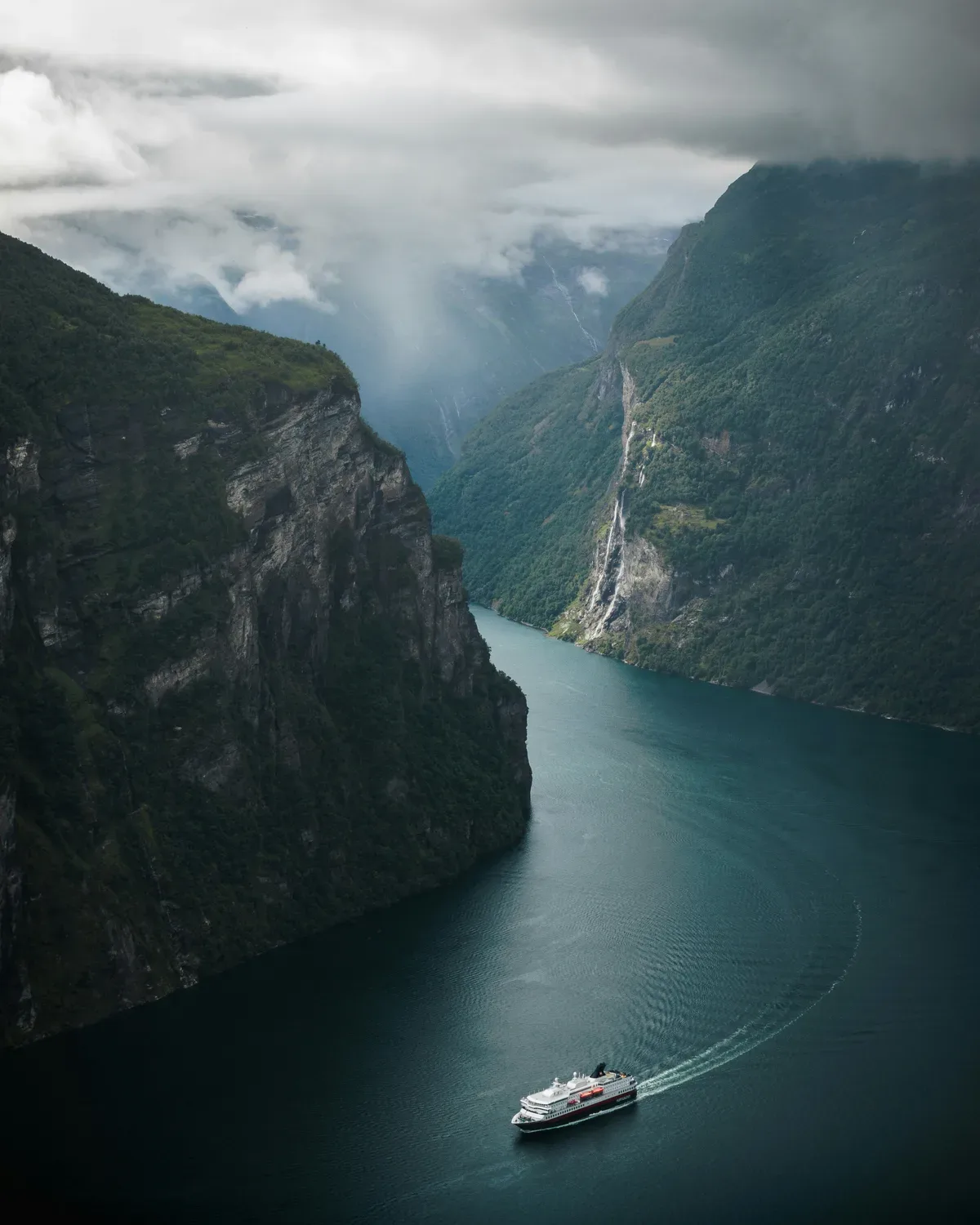
A 14-day Scandinavian journey through Stockholm's Viking history, Gothenburg's archipelago, Copenhagen by bike, an overnight cruise to Oslo, and Norway's fjord country via the Flåm Railway to Bergen.
Visitor guide
Bryggen, also known as Tyskebryggen or "the German dock", is a row of historic Hanseatic commercial buildings on the eastern side of the Vågen harbour in Bergen, Norway. Its narrow, timber-fronted gabled houses form one of the best-known waterfront scenes in the country. The site is a UNESCO World Heritage Site and today holds museums, shops, restaurants and pubs.
According to the Norse sagas, the town of Bergen was founded within the area that later became Bryggen, and Wikipedia gives the founding as around or shortly before 1070. One of the earliest pier constructions on the site has been dated to around 1100. In the Middle Ages the Bryggen area covered all the buildings between the sea and the Øvregaten road, stretching from Holmen in the north to Vågsbunnen in the south.
Around 1350 a Kontor, or trading office, of the Hanseatic League was established at Bryggen. As Bergen grew into an important trading centre the wharves were improved and Hanseatic merchants gradually took over the buildings. Warehouses here stored goods, above all stockfish arriving from northern Norway and cereals imported from continental Europe. Bryggen is described as one of the four major Hanseatic Kontore, alongside those at Bruges (later Antwerp), the Steelyard in London and the Peterhof in Novgorod. The Hanseatic office at Bryggen came to an end in 1754, when all of the properties were transferred to Norwegian citizens.
Because most houses in Bergen were traditionally built of wood, the city has suffered many fires, and Bryggen was no exception. A fire in 1702 damaged the Hanseatic buildings; they were rebuilt, although some were later demolished and others lost to further fires. About a quarter of the buildings standing today date from after 1702, and some stone cellars survive from the 15th century. Schøtstuene, the old assembly rooms, and some of the buildings towards Julehuset are described as original from 1702.
Another fire in 1955 destroyed parts of Bryggen. It was followed by a thirteen-year archaeological excavation that uncovered what are known as the Bryggen inscriptions, runic messages that record everyday life in the medieval town. The Bryggens Museum was built in 1976 on part of the land cleared by the fire, and the finds give an unusually direct view of the people who lived and traded here.
The frontage is made up of tightly packed wooden buildings with steep roofs, set out as long rows of houses separated by narrow passages running back from the waterfront. Wikipedia names a number of the individual gårds, or merchant properties, including Bellgården, Svensgården, Enhjørningsgården, Bredsgården, Bugården and Engelgården. Bellgården is described as roughly 300 years old. The oldest and tallest building in the area is St Mary's Church, which stands just behind the wharf.
The two main museums are the Bryggens Museum and the Hanseatic Museum and Schøtstuene, which together explain the medieval town, the archaeological finds and the working life of the Hanseatic merchants. The site covers about 1.2 hectares, and its small scale means the whole quarter can be explored on foot, including the lanes between the houses.
Bryggen was inscribed on the UNESCO World Heritage List in 1979, at the committee's third session, as reference number 59 under cultural criterion (iii). UNESCO's statement says the site illustrates the social organisation of a Hanseatic merchant quarter dating back to the 14th century. It describes Bryggen as a northern fondaco unequalled elsewhere in the world, and as preserving the memory of one of the oldest large trading ports in Northern Europe.
A private guided visit suits Bryggen well, because the story of the League, the fires and the excavations is largely invisible without explanation. Seeing the buildings from the harbour side, then walking through the passages behind the facades, gives a good sense of how the quarter worked. Weather in Bergen can change quickly, so it is worth being prepared for rain at any time of year.
See every tour and attraction we cover in Norway.