TorontoOntario · 36 tours
 Niagara FallsOntario · 25 tours
 New York CityNew York · 30 tours
 Las VegasNevada · 8 tours
 San FranciscoCalifornia · 16 tours
 VancouverBritish Columbia · 17 tours
 DubaiUAE · 54 tours
 Abu DhabiUAE · 5 tours
 Buenos AiresArgentina · 23 tours
 AthensGreece · 31 tours
 AucklandNew Zealand · 38 tours
 CancunMexico · 54 tours
No destinations match “”. Try searching all tours instead — that search understands full questions, not just place names.
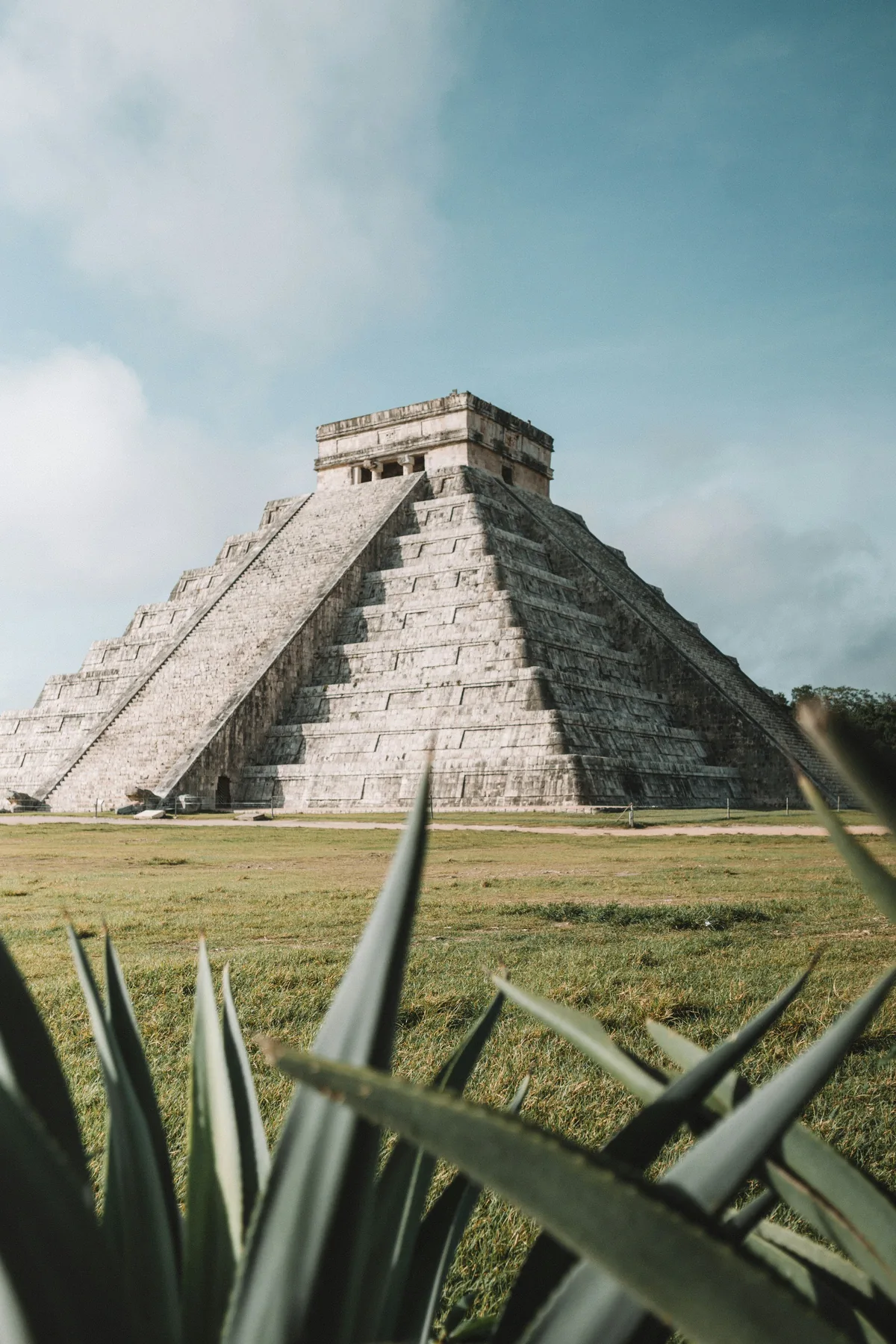
A UNESCO World Heritage Mayan ceremonial city on the Yucatan Peninsula, centered on the step pyramid of El Castillo (Temple of Kukulcan) and among the most visited archaeological sites in the Americas.
 Multi-Day Tours
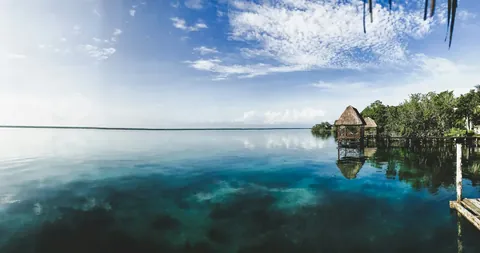
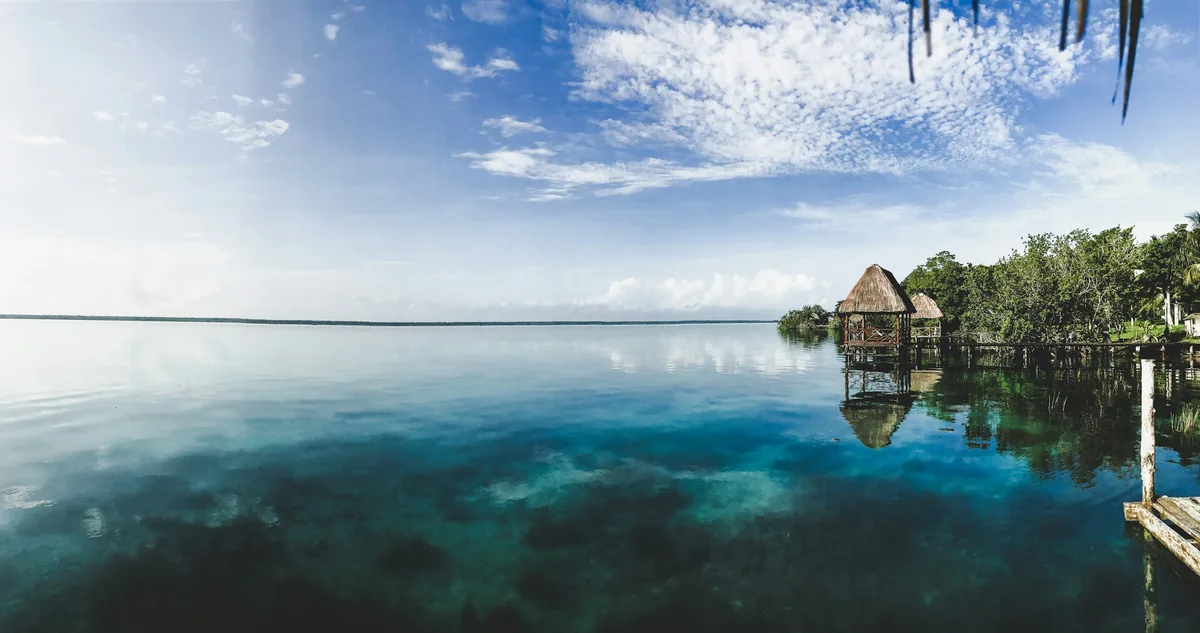
A 9-day journey through the eco-tourism villages of the Yucatan Peninsula, from the Mayan community of Ek Balam to two nights on the shores of Bacalar's Lagoon of Seven Colors.
 Multi-Day Tours
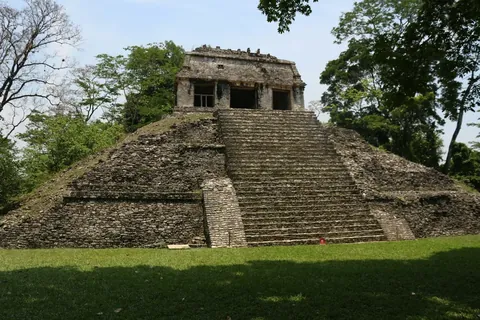
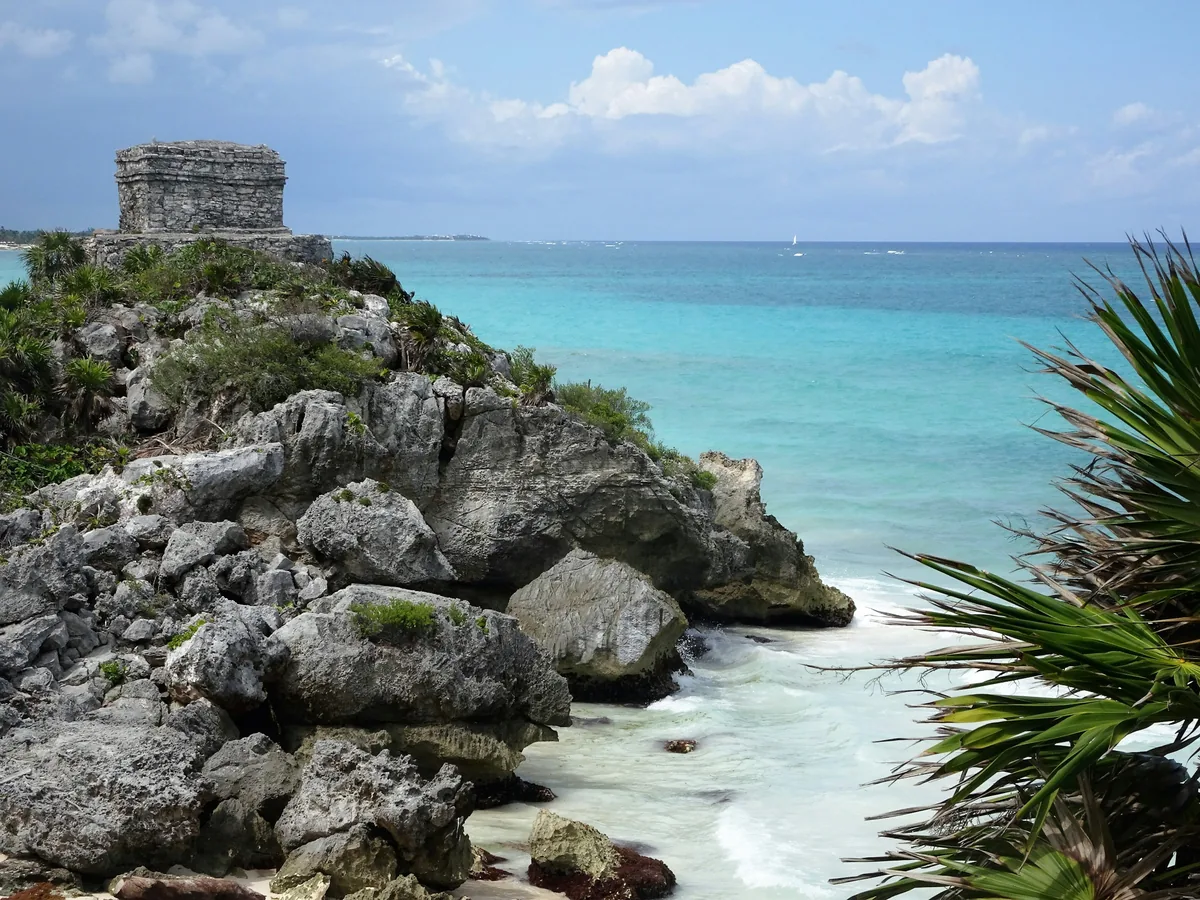
A 13-day Yucatan route from Cancun's Riviera through Chichen Itza, Uxmal, remote Calakmul, Bacalar, and Tulum, built around Mayan communities, cenotes, and the Sian Ka'an Biosphere Reserve.
 Multi-Day Tours
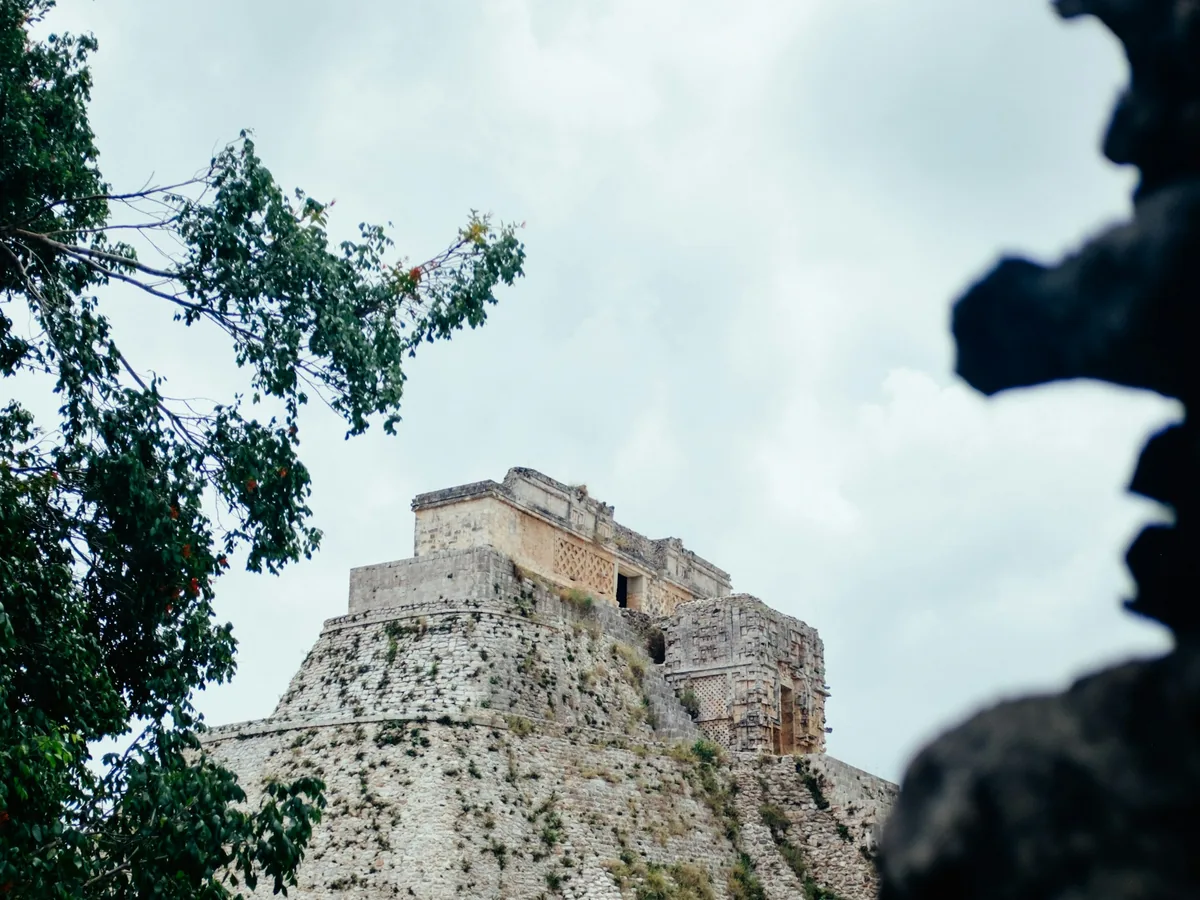
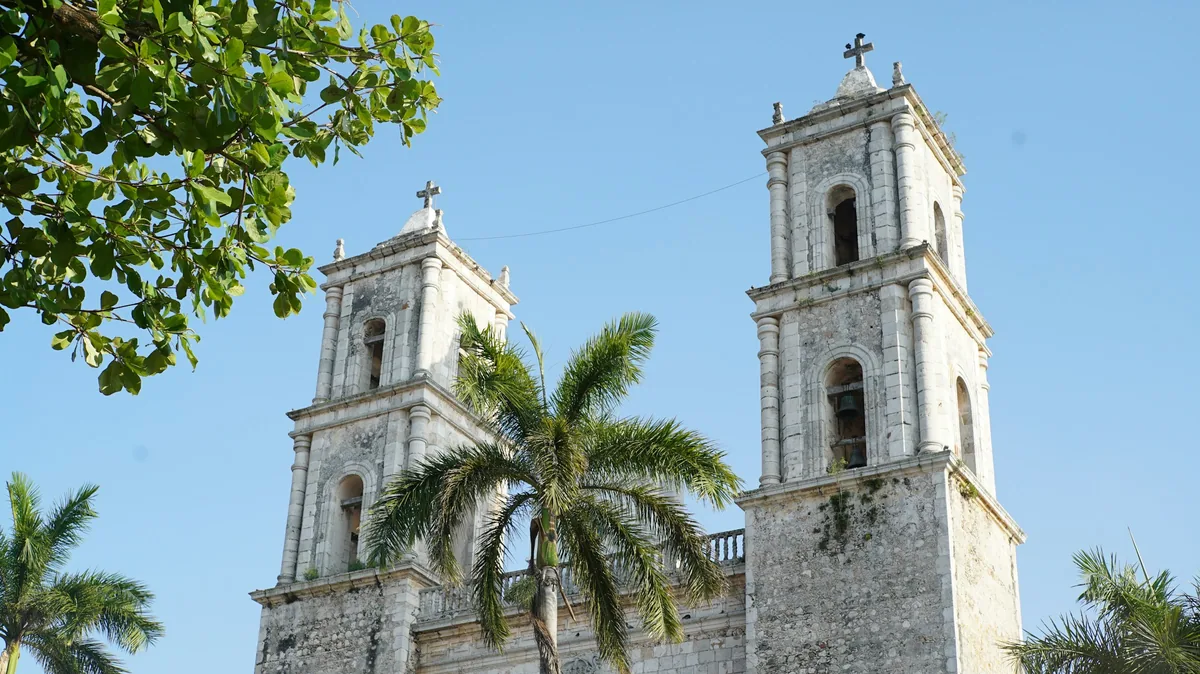
A 16-day route from Mexico City's museums and pyramids to the colonial Yucatan towns of Valladolid and Merida, cenote swimming, and five closing nights on the beaches of Tulum.
 Multi-Day Tours
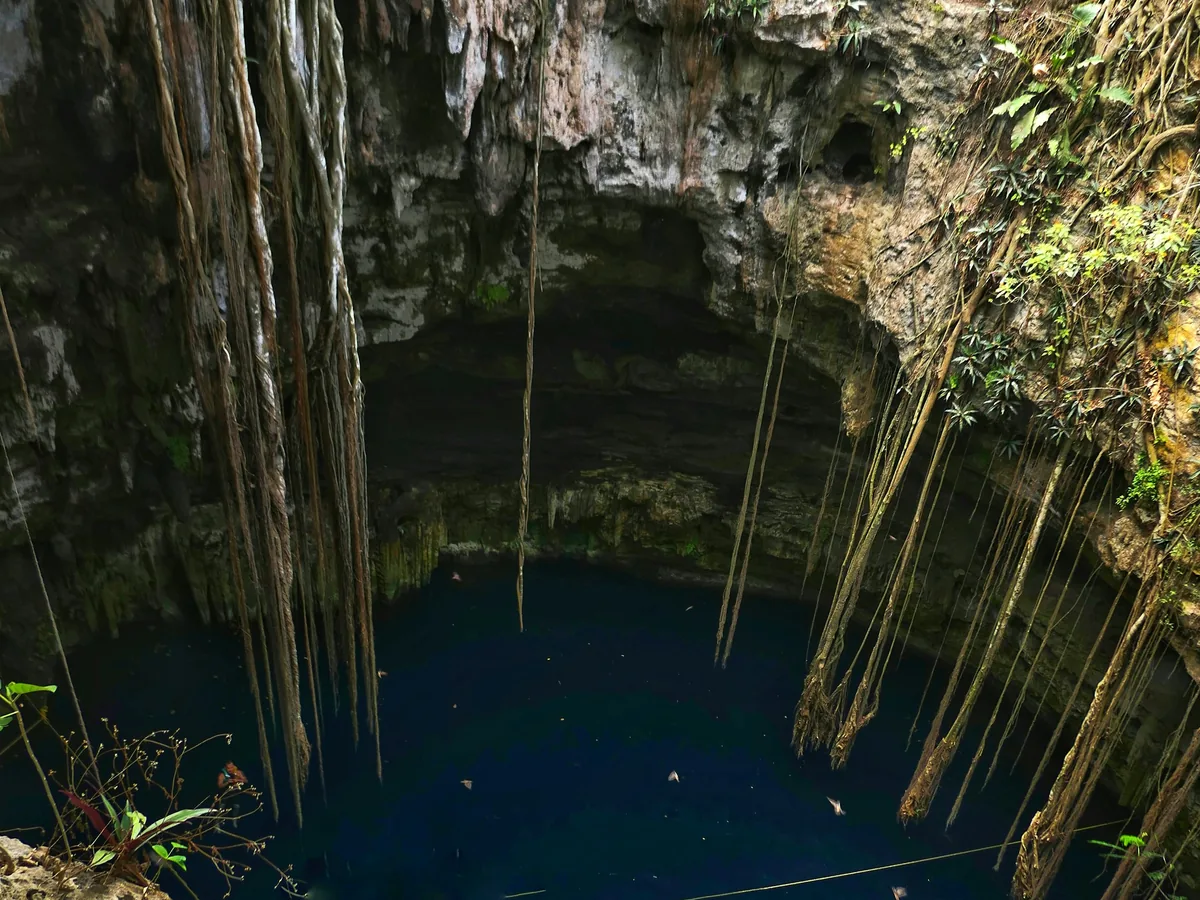
A private-guided 13-day route through Yucatan Mayan communities, cenotes, and remote Calakmul, from Ek Balam and Chichen Itza to Bacalar and the Sian Ka'an Biosphere Reserve.
 Multi-Day Tours
A 9-day Yucatan route from Puerto Morelos through Valladolid, Chichen Itza, remote Calakmul, and the Lagoon of Seven Colors at Bacalar, with cenote swimming and Mayan craft workshops along the way.
 Multi-Day Tours
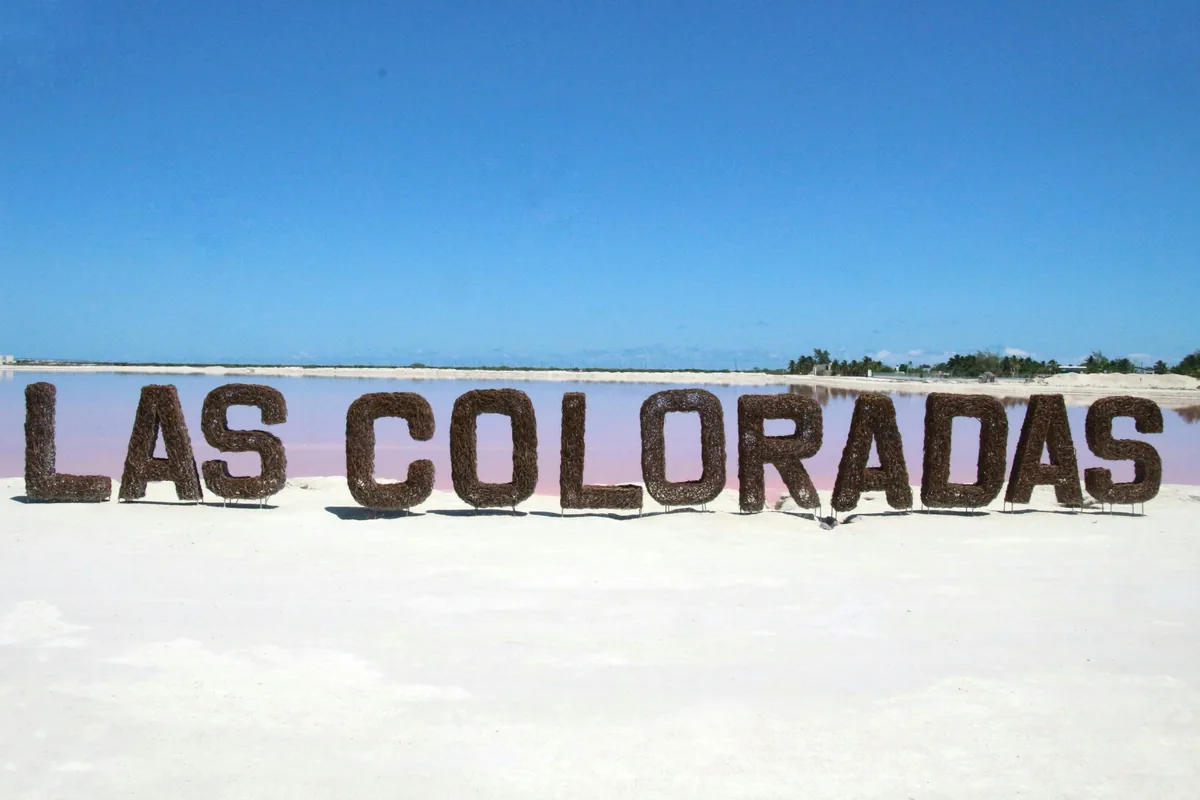
A 6-day Yucatan route from Merida through hidden cenotes, a beeswax workshop with Maya bee-keepers, the pink lagoons of Las Coloradas, and flamingo-filled Rio Lagartos.
Visitor guide
Chichen Itza is a pre-Columbian Maya city in the state of Yucatan in southeastern Mexico, lying between the modern cities of Valladolid and Merida. Its centerpiece is the stepped pyramid known as El Castillo, or the Temple of Kukulcan, and the site is a UNESCO World Heritage Site.
The northern Yucatan Peninsula is a limestone plain with no surface rivers, so settlement depended on natural sinkholes called cenotes, which gave year-round access to water. Chichen Itza grew around four such sinkholes. According to Wikipedia, the layout of the city's core developed between roughly 750 and 900 AD, and its final form took shape after 900 AD.
The city rose to regional prominence near the end of the Early Classic period, around 600 AD, and became a major capital in the late Classic and early Terminal Classic. The Itza, a Maya group of debated origin, began arriving around 800 AD, and their name is reflected in the name of the city. Between about 900 and 1050 AD the city expanded its influence across northern and central Yucatan and developed trading ports on the coast. The earliest hieroglyphic date found at the site corresponds to 832 AD and the last known date, from the Osario temple, is 998. Archaeological evidence suggests the city declined as a regional center by about 1100, although colonial chronicles credit a later conquest by the ruler of Mayapan, a story the archaeology does not clearly support.
One of the site's most distinctive features is its blend of architectural traditions. Puuc and Chenes styles from the northern Maya lowlands appear alongside forms seen in central Mexico. The Temple of the Warriors resembles a structure at the Toltec capital of Tula, and the Platform of the Eagles and Jaguars mixes Maya and Toltec styles. Earlier scholars proposed migration or conquest from central Mexico, but most current interpretations treat these non-Maya elements as the result of cultural exchange.
El Castillo rises about 30 meters and has nine square terraces topped by a temple. Excavations revealed an earlier temple inside it, containing a Chac Mool statue and a jaguar throne. During the spring and autumn equinoxes, late-afternoon light and shadow create triangular patterns on the north stairway that resemble a serpent descending the pyramid, which some scholars link to the feathered-serpent deity Kukulcan. Studies cited by Wikipedia show the effect can be seen for several weeks around each equinox, so it does not mark a single exact date.
The Great Ball Court measures about 168 by 70 meters and is described as the largest and best preserved ball court in ancient Mesoamerica; its walls carry carvings of feathered serpents and ballplayers. The Temple of the Warriors is fronted by rows of carved columns depicting warriors, and was excavated and restored by Carnegie Institution researchers in the 1920s. El Caracol, a round building on a square platform with an internal spiral staircase, is thought to have been aligned with astronomical events, particularly the movements of Venus. The Sacred Cenote, about 60 meters across, has yielded gold, jade, pottery and human remains, some showing signs of sacrifice, though whether all do remains debated.
John Lloyd Stephens's 1843 book, illustrated by Frederick Catherwood, brought the site wide attention. Edward Herbert Thompson, a US consul, bought the hacienda that included the ruins in 1894 and dredged the Sacred Cenote between 1904 and 1910. In 1972 Mexican federal law placed pre-Columbian monuments under federal ownership. UNESCO listed the Pre-Hispanic City of Chichen-Itza in 1988 under cultural criteria i, ii and iii, and in 2007 El Castillo was named one of the New Seven Wonders of the World in a privately organized poll.
The site is on a flat, open plain, so visits involve a good deal of walking in tropical heat and sun. A private guided visit with a driver suits the site well because the structures are spread out and the history behind the architecture is easier to follow with explanation on the ground.
See every tour and attraction we cover in Mexico.