TorontoOntario · 36 tours
 Niagara FallsOntario · 25 tours
 New York CityNew York · 30 tours
 Las VegasNevada · 8 tours
 San FranciscoCalifornia · 16 tours
 VancouverBritish Columbia · 17 tours
 DubaiUAE · 54 tours
 Abu DhabiUAE · 5 tours
 Buenos AiresArgentina · 23 tours
 AthensGreece · 31 tours
 AucklandNew Zealand · 38 tours
 CancunMexico · 54 tours
No destinations match “”. Try searching all tours instead — that search understands full questions, not just place names.
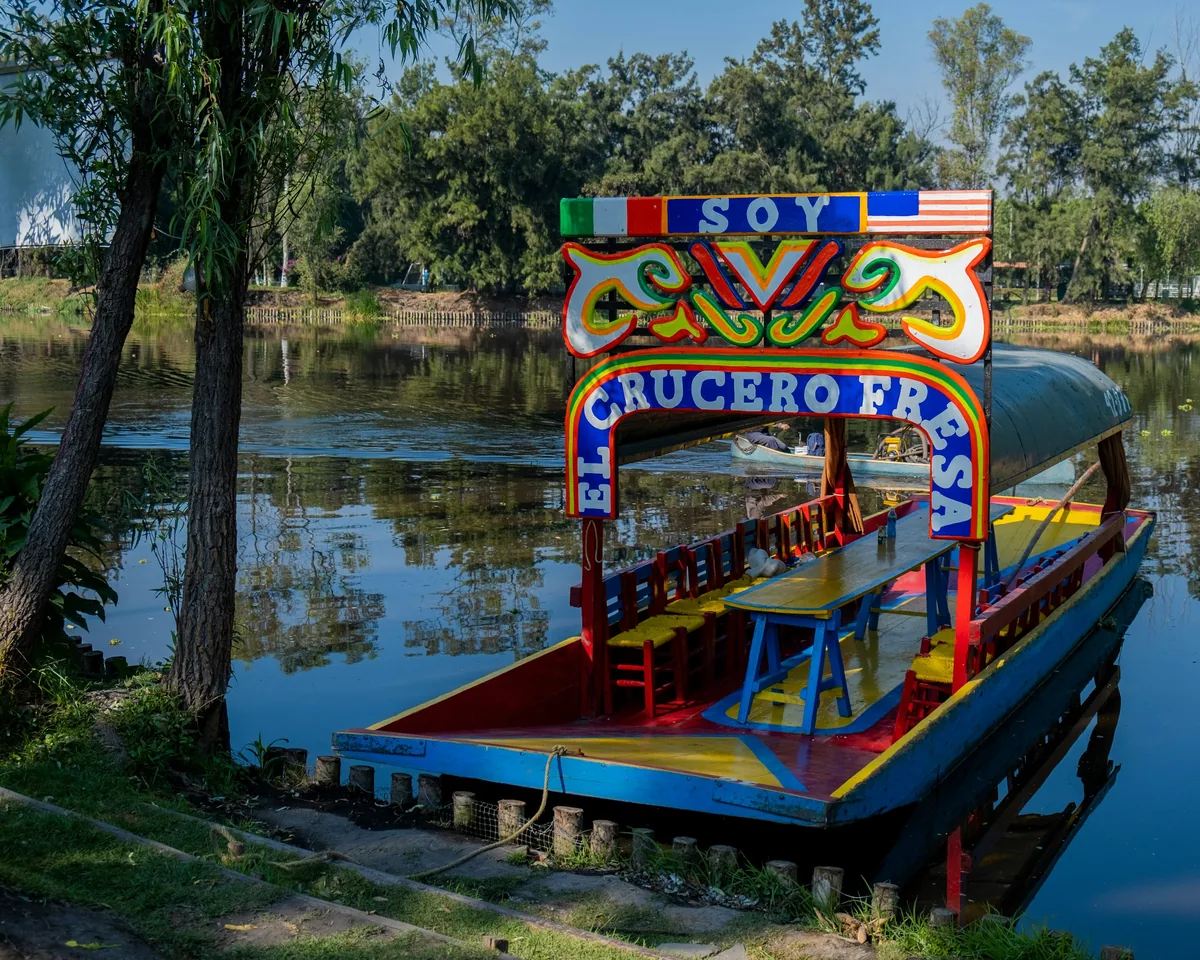
A UNESCO-listed network of canals and floating gardens in southern Mexico City, a remnant of the Aztec chinampa farming system, explored by colorful trajinera boats.
 Multi-Day Tours
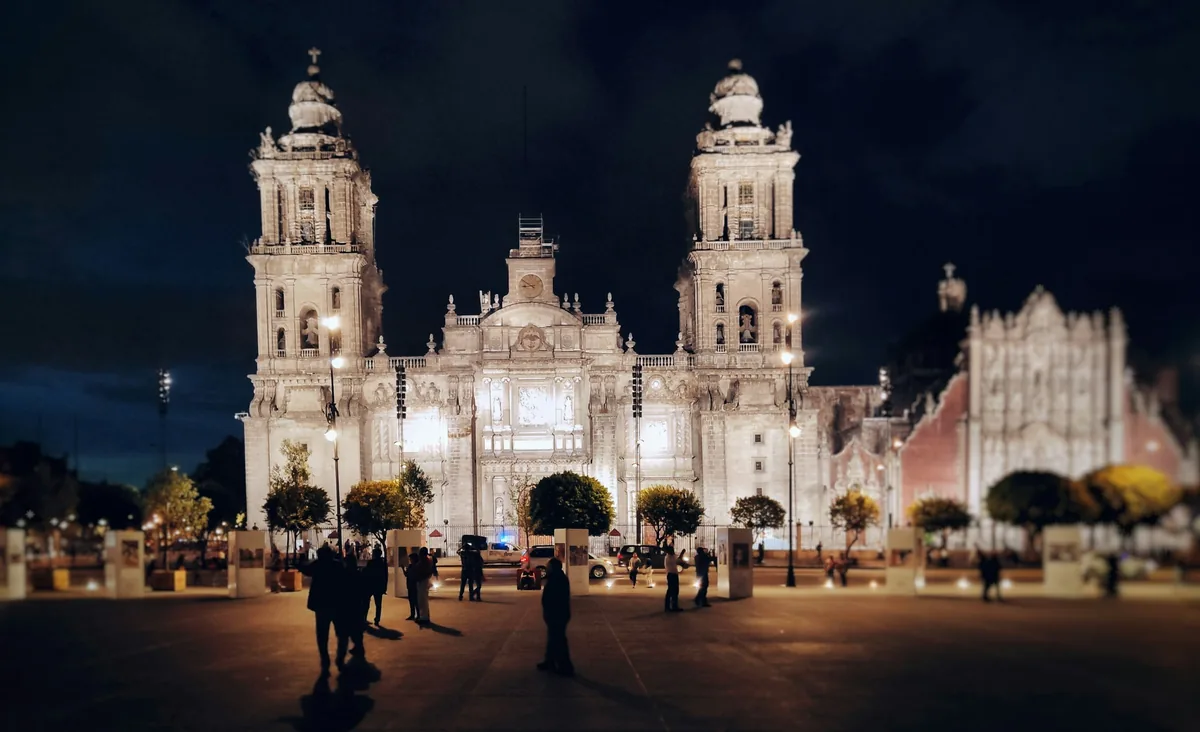
A 7-day deep dive into Mexico City, from lucha libre wrestling and the Historic Center to a trajinera boat ride through the canals of Xochimilco and a day trip to Teotihuacan.
 Multi-Day Tours
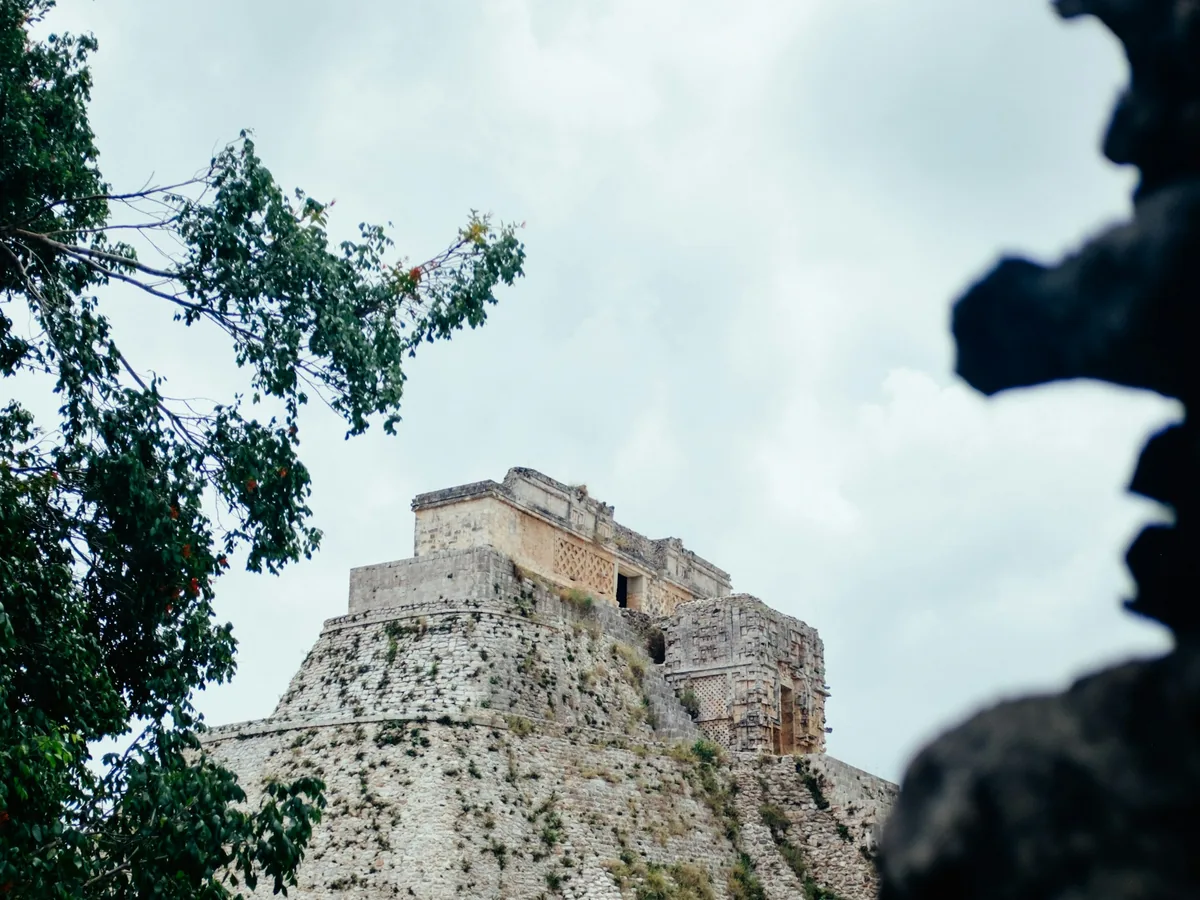
A 16-day route from Mexico City's museums and pyramids to the colonial Yucatan towns of Valladolid and Merida, cenote swimming, and five closing nights on the beaches of Tulum.
 Multi-Day Tours
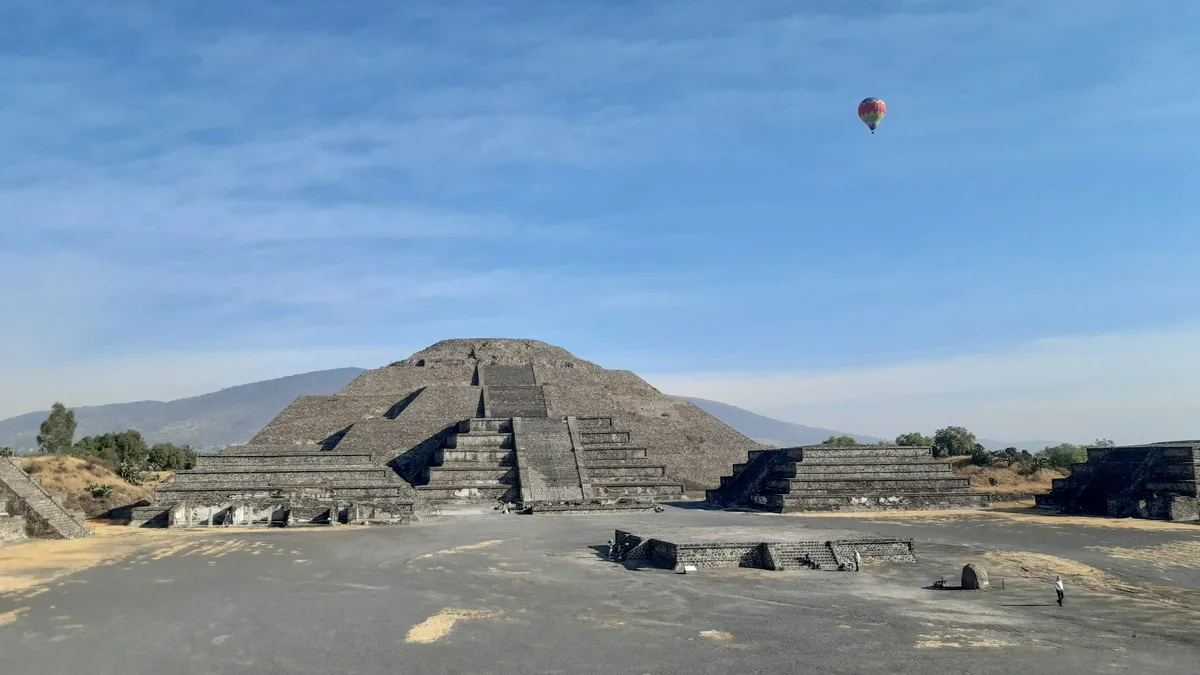
An 8-day route from Mexico City's museums and a taco-and-mezcal evening to a sunrise hot air balloon flight over Teotihuacan, then a countryside drive through Bernal, Xilitla, and San Miguel de Allende.
Visitor guide
Xochimilco is a borough in the south of Mexico City, famous for the network of canals and chinampa gardens that survive from the pre-Hispanic lake system of the Valley of Mexico. Visitors explore the waterways aboard brightly painted flat-bottomed boats called trajineras, and the area has been a UNESCO World Heritage Site since 1987.
The name comes from Nahuatl and is often translated as flower field, a reference to the crops grown on the chinampas. According to Wikipedia, the Xochimilca, one of the seven Nahua groups that migrated into the Valley of Mexico, are said to have settled the area in the distant past, and a leader named Acatonallo is credited with developing the chinampa system. Tenochtitlan conquered Xochimilco in 1430, after which the city coexisted with the Aztec Empire and contributed labor to its projects. In 1521 Hernan Cortes's forces attacked Xochimilco before the siege of Tenochtitlan, and the Spanish later built the San Bernardino de Siena church and monastery over the destroyed ceremonial center.
Chinampas are artificial agricultural plots built by heaping mud and soil onto rafts of branches anchored by trees, which eventually became fixed islands. Wikipedia estimates that roughly 170 kilometers of canals remain, the surviving remnant of a vast lake and waterway system that once linked most settlements in the Valley of Mexico. Several thousand chinampas still exist in their original form, and many of them continue to grow flowers and vegetables or house plant nurseries. Drainage projects, aquifer pumping and the spread of Mexico City have lowered water levels, and treated water now supplements the canals but is not potable.
Trajineras are gondola-like boats that are propelled with a pole through the shallow water, a method used for centuries. They are used both by tourists and by Mexico City residents celebrating on the water, and mariachi musicians often play for passengers. Cuemanco, a canal-side area with docks, serves as one of the departure points for boat trips.
One of the best-known stops in the canals is Isla de las Munecas, the Island of the Dolls. According to the account Wikipedia gives, the island belonged to Julian Santana Barrera, who, by legend, found a drowned girl and then a doll in the water and began hanging dolls there for about fifty years. He died in 2001, and visitors now bring more dolls. The story is a local legend rather than a documented history.
The axolotl, a salamander known for its ability to regenerate limbs, is the area's signature species, and the Aztecs associated it with the god Xolotl. It is now critically threatened by habitat loss, pollution and invasive fish such as tilapia and carp. The wetlands host a large share of the migratory bird species that visit Mexico, and Wikipedia reports about 700 species recorded in the area. The ahuejote, a native willow, helps prevent erosion along the canals.
UNESCO inscribed the canals and chinampa system in 1987, partly to protect the area from urban sprawl. Wikipedia notes ongoing concern over pollution and illegal settlement, and a 2006 UNESCO and UAM study reported significant deterioration. Beyond the waterways, the borough has notable cultural life: the San Bernardino de Siena church, built between 1535 and 1590, retains its original 16th-century altar, and Day of the Dead events with altars, parades and cemetery vigils are held across the borough. The Dolores Olmedo Museum mounts an annual large altar.
Xochimilco is a lively, social place, with boats often decorated with names and flowers, and it is on the southern edge of the city. A private guided visit with a driver can combine the canals with other southern Mexico City sites without arranging separate transport.
See every tour and attraction we cover in Mexico.