TorontoOntario · 36 tours
 Niagara FallsOntario · 25 tours
 New York CityNew York · 30 tours
 Las VegasNevada · 8 tours
 San FranciscoCalifornia · 16 tours
 VancouverBritish Columbia · 17 tours
 DubaiUAE · 54 tours
 Abu DhabiUAE · 5 tours
 Buenos AiresArgentina · 23 tours
 AthensGreece · 31 tours
 AucklandNew Zealand · 38 tours
 CancunMexico · 54 tours
No destinations match “”. Try searching all tours instead — that search understands full questions, not just place names.
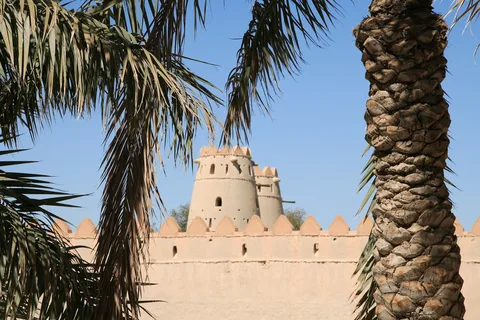
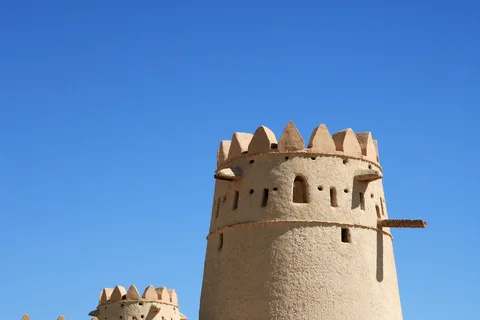
A fortress dating to the late 19th century, with exhibits on the fort's role protecting the region and on local heritage.
Visitor guide
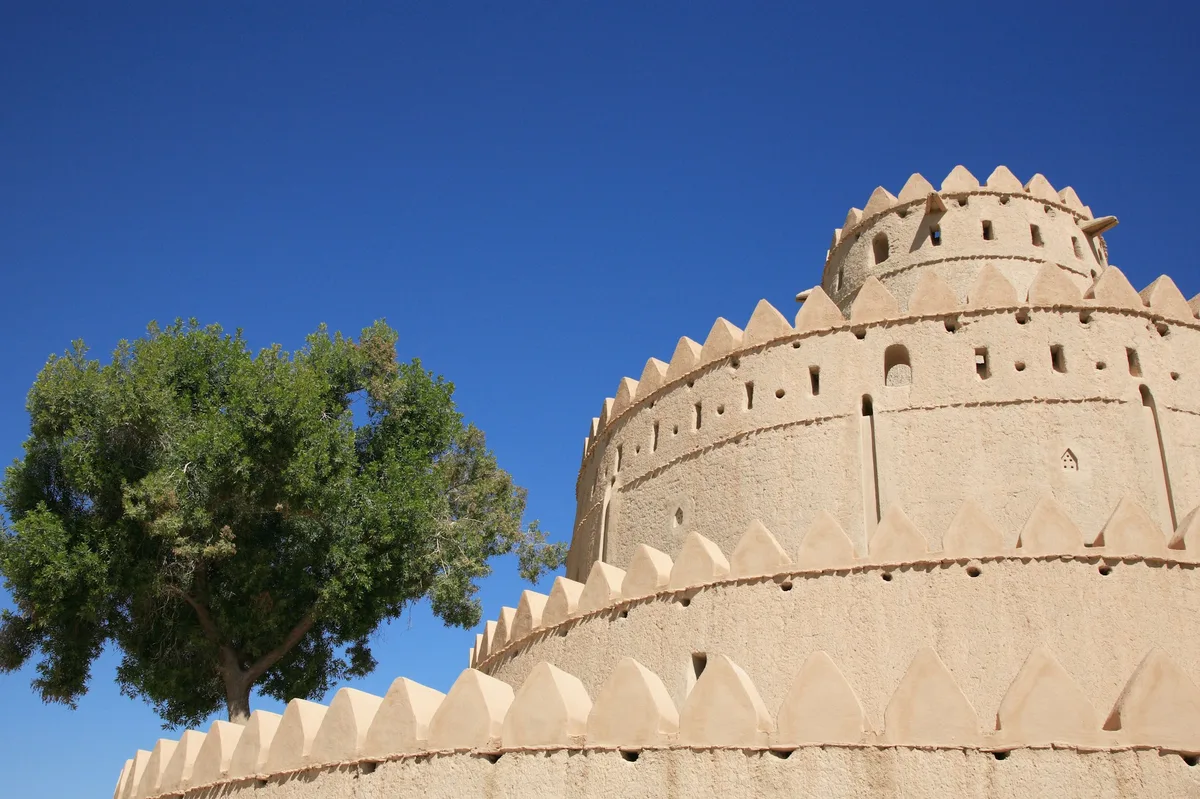
Al Jahili Fort is a late 19th-century fortress in the city of Al Ain in the Emirate of Abu Dhabi, United Arab Emirates. Begun in 1891 and completed in 1898, it was built to protect nearby date palm farms, it is one of the best-known historic buildings in the city and sits close to Al Ain Oasis, part of a UNESCO World Heritage property.
According to Wikipedia, Sheikh Zayed bin Khalifa Al Nahyan began building the fort in 1891 in the Al Jahili oasis to protect date palm farmers; Abu Dhabi Culture dates its completion to 1898. The wider article on Al Ain adds that he had taken the main local settlement from the Dhawahir tribe in 1877 and built a fort to assert control over the oasis. The site was strategic because it lay beside water sources and cultivated land, in a region where control of oases meant control of farming and trade routes.
A report by J. G. Lorimer in 1906 noted that the fort was built under Zayed bin Khalifa's rule, and Wikipedia says Percy Cox is reported to have visited the area in 1905.
The fort is square, described as 118 metres long and 8 metres high, with embrasures and triangular balconies along the top. Three round watchtowers, each about 5 metres across and 14 metres high, stand at its corners, while a rectangular tower at the north-western corner measures about 4 by 7 metres and is regarded as the stronger defensively. A mosque stands outside the walls.
Wikipedia says it resembles Mezyad Fort and is one of the larger forts in the city.
In 1955 the fort became a base for the Trucial Oman Levies, renamed the Trucial Oman Scouts in 1956. From here camel patrols carried first aid and basic medicine to remote villages around Al Ain, and a military band was formed at the fort in 1957. It has been a tourist attraction since 1971.
The fort was restored in the mid-1980s and again in 2007 and 2008, when facilities including a visitor office, shops, a cafe and a larger public square were added for exhibitions and cultural activities. A smaller replica of parts of the fort stands beside a bridge in Pakistan's Swat Valley, inaugurated in April 2013, according to Wikipedia.
The fort lies in southern Al Ain near the Sheikh Zayed Palace Museum and the oasis. It fits naturally into a day exploring the city's heritage, which also includes the Hili archaeological park and Jebel Hafeet. A private tour with a driver makes it easy to link these places, and the cooler months suit the walking involved. Details of exhibitions inside change over time and are best confirmed before travelling.
See every tour and attraction we cover in Al Ain.