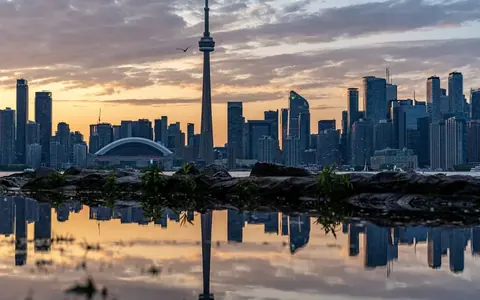
 TorontoOntario · 17 tours
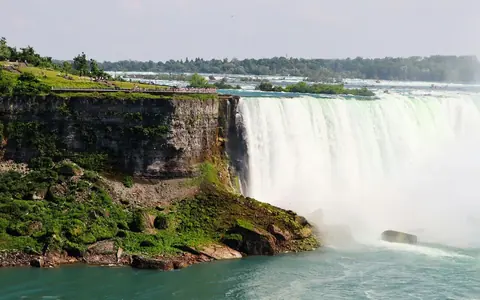 Niagara FallsOntario · 17 tours
 New York CityNew York · 8 tours
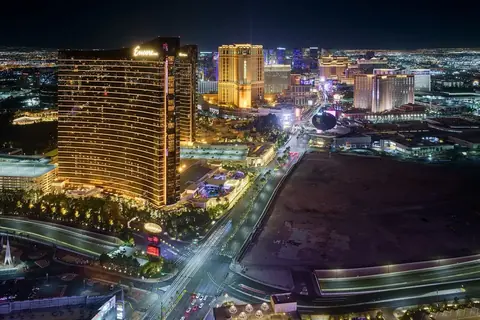 Las VegasNevada · 8 tours
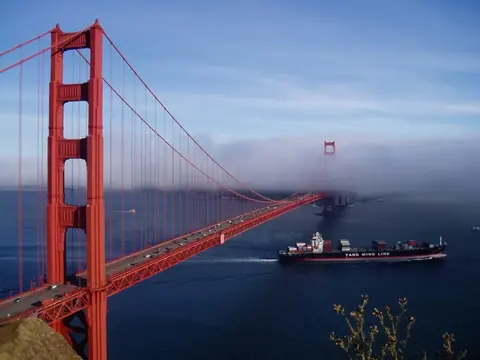 San FranciscoCalifornia · 16 tours
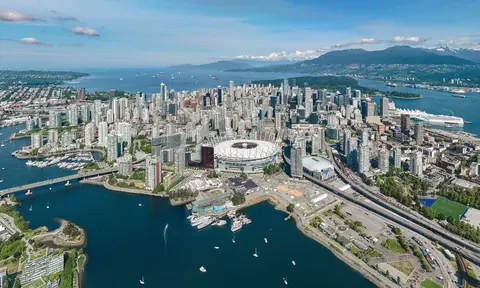 VancouverBritish Columbia · 17 tours
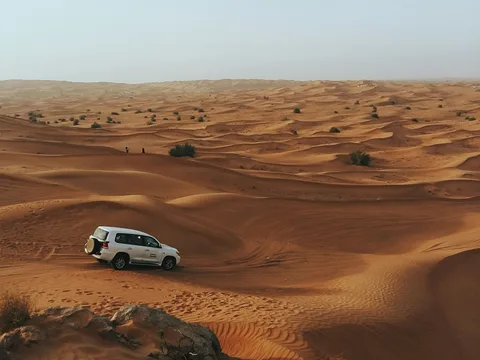 DubaiUAE · 44 tours
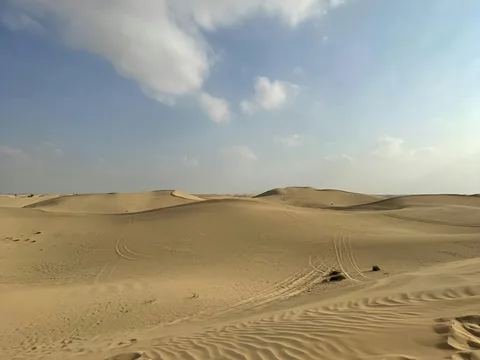 Abu DhabiUAE · 5 tours
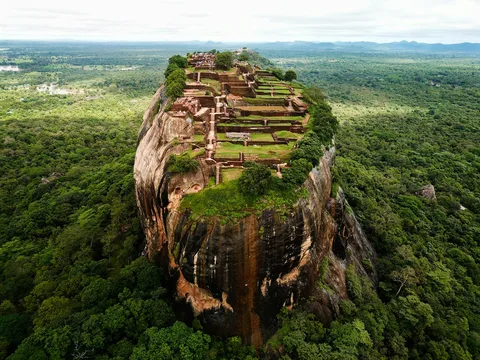 Sri LankaSri Lanka · 16 tours
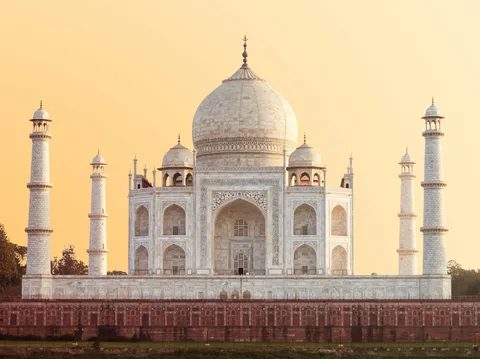 IndiaIndia · 13 tours
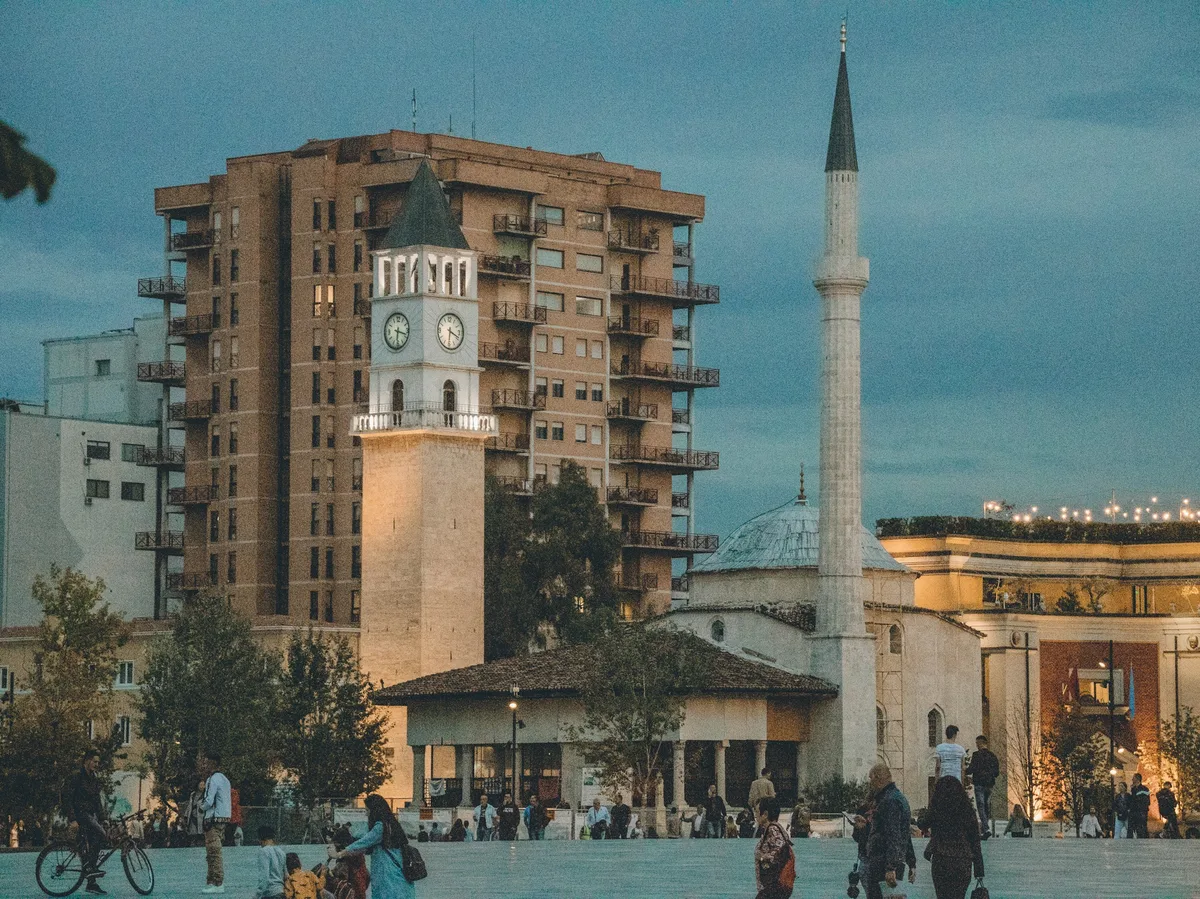
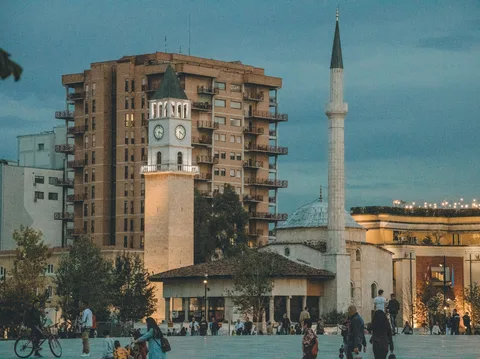 AlbaniaAlbania · 10 tours
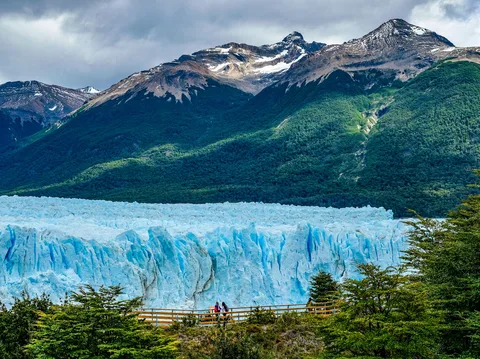 ArgentinaArgentina · 8 tours
No destinations match “”.
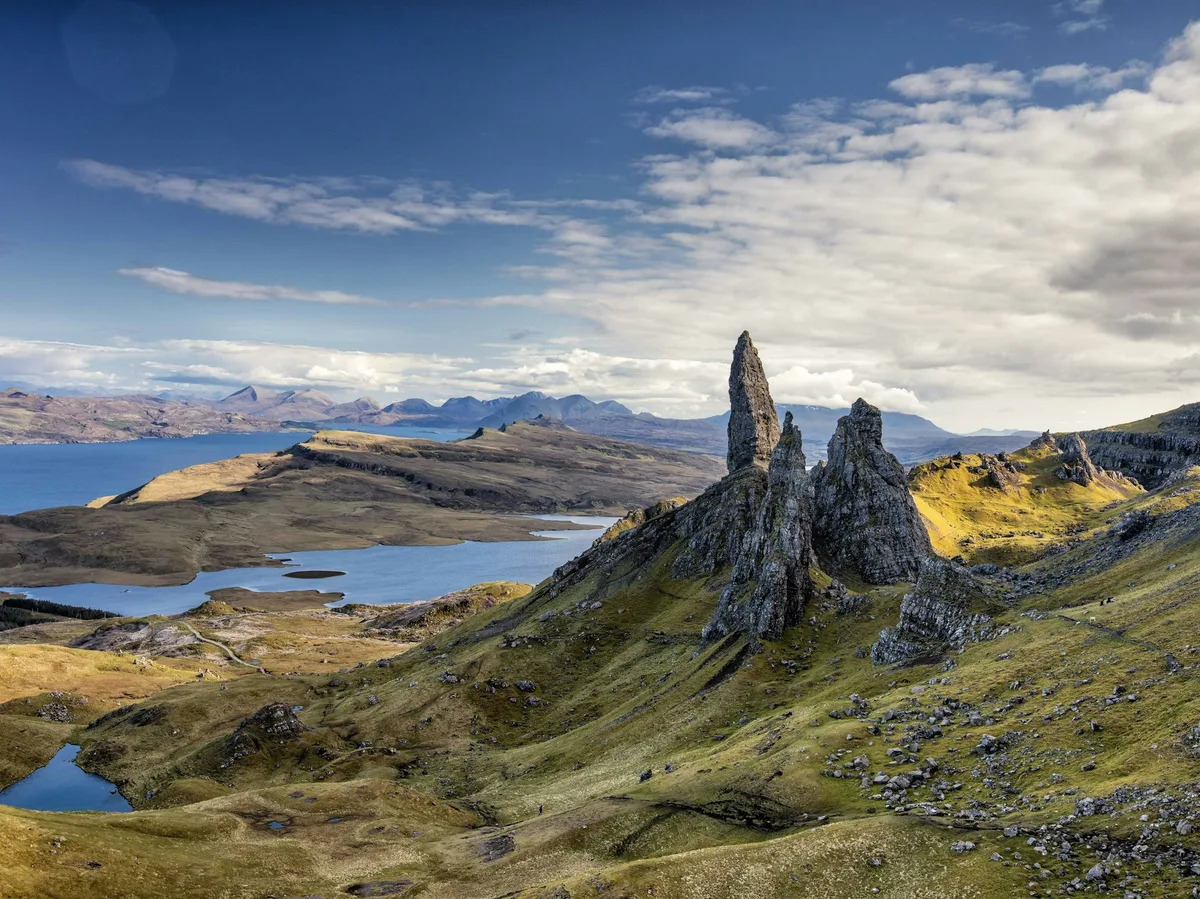
Voyzo runs 3 private tours across 1 destination in Ireland, covering 8 attractions — each with your own guide, driver, and vehicle, and an itinerary built around your group rather than a fixed bus schedule.
Ireland is an island in northwestern Europe shared between two jurisdictions: the Republic of Ireland, an EU member state of around 5 million people with Dublin as its capital and the euro as its currency, and Northern Ireland, part of the United Kingdom, with Belfast as its capital and the British pound as its currency. English is spoken throughout; Irish is a co-official language in the Republic, most visibly on road signs and place names.
Voyzo's routes cover both together, since a single trip crossing the open border between them is routine — there's no passport check between the Republic and Northern Ireland under their shared Common Travel Area. Dublin, Belfast, and Galway each bring their own mix of history and live traditional music, while the coastline supplies the real draw: the Cliffs of Moher's sheer drop into the Atlantic, the hexagonal basalt columns of the Giant's Causeway on the Antrim Coast, and Connemara's beaches, lakes, and bogland along the Wild Atlantic Way.
Most of Voyzo's Ireland routes were originally built as self-drive itineraries — the classic way to see the country's coastal roads. Voyzo runs each one instead with a private driver and vehicle, so the Wild Atlantic Way and the Antrim Coast stay part of the trip, not something to navigate to after a long day on narrow, winding roads.
The real stops Voyzo's own itineraries are built around — tap any attraction to learn more.
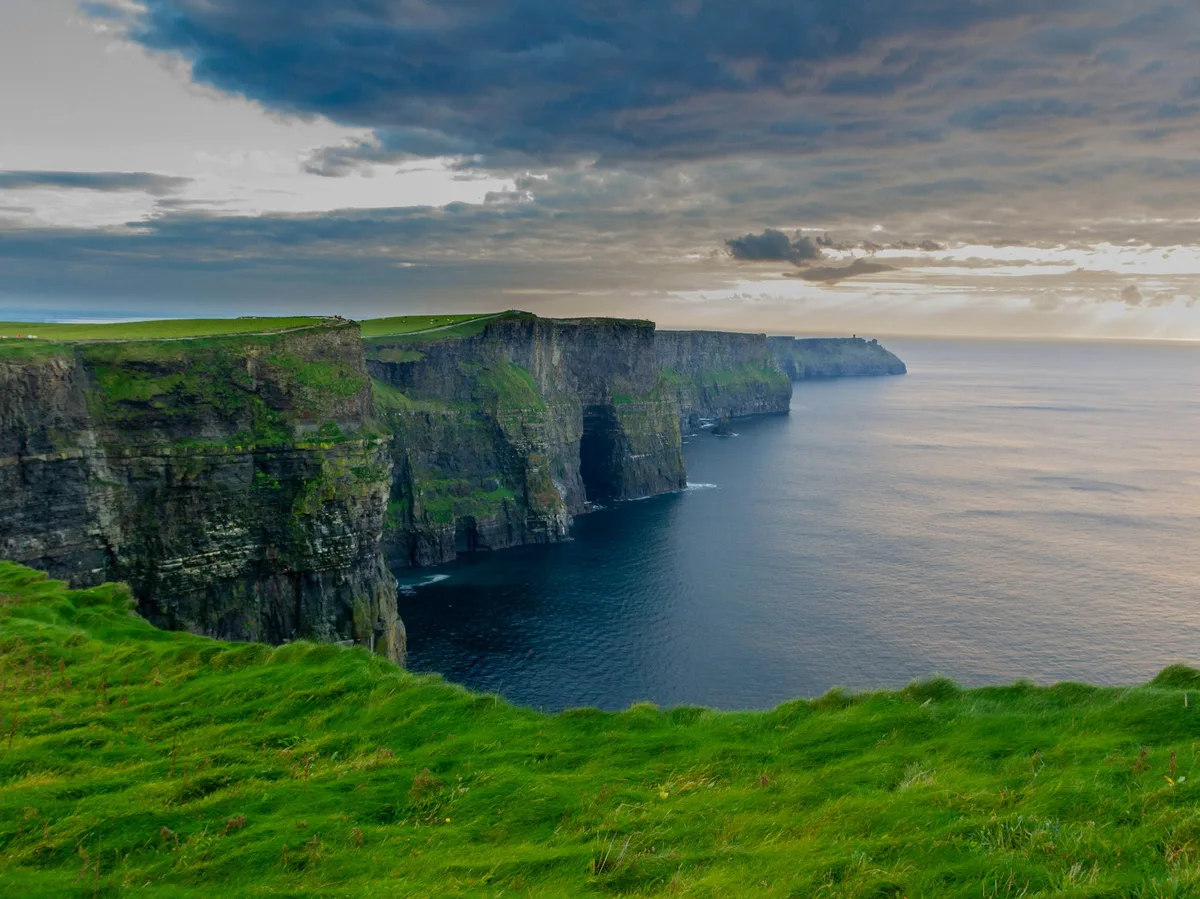
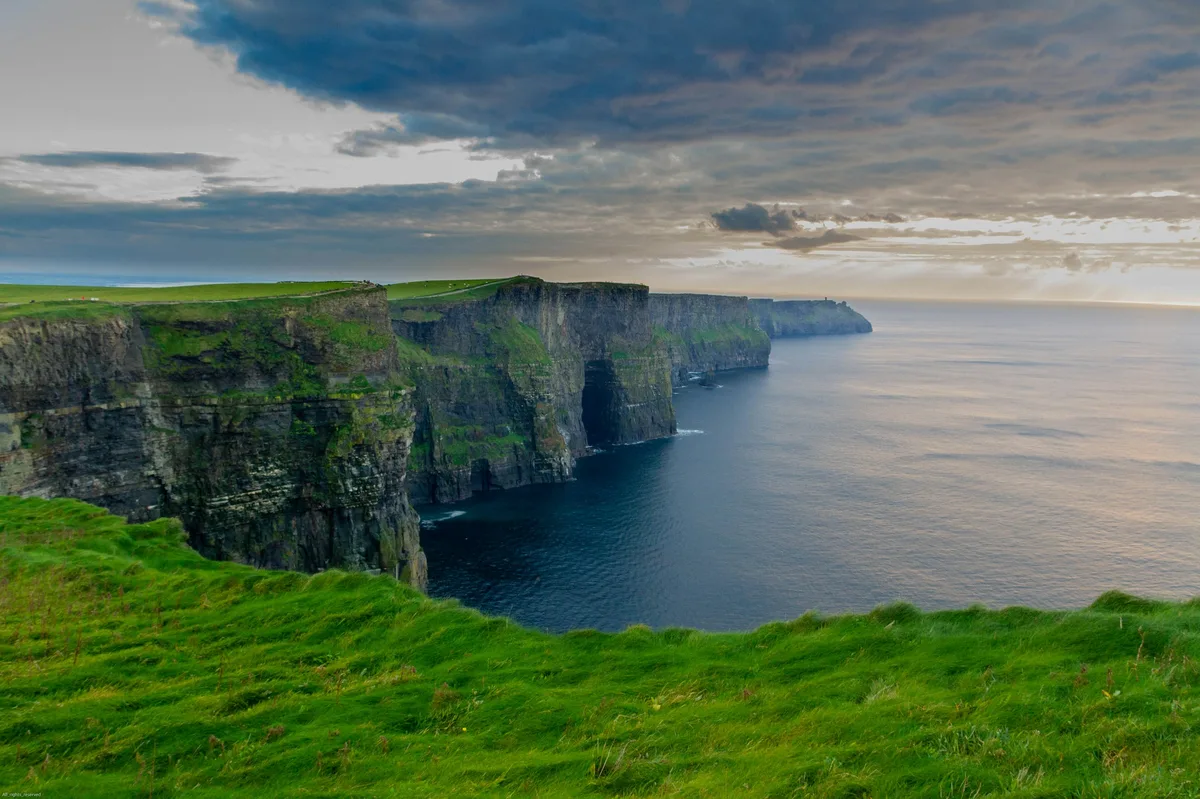 Cliffs of Moher
Ireland
Ireland's iconic 700-foot sea cliffs on the west coast of County Clare, walked on clifftop trails and viewed from the water on a boat cruise.
2
Cliffs of Moher
Ireland
Ireland's iconic 700-foot sea cliffs on the west coast of County Clare, walked on clifftop trails and viewed from the water on a boat cruise.
2
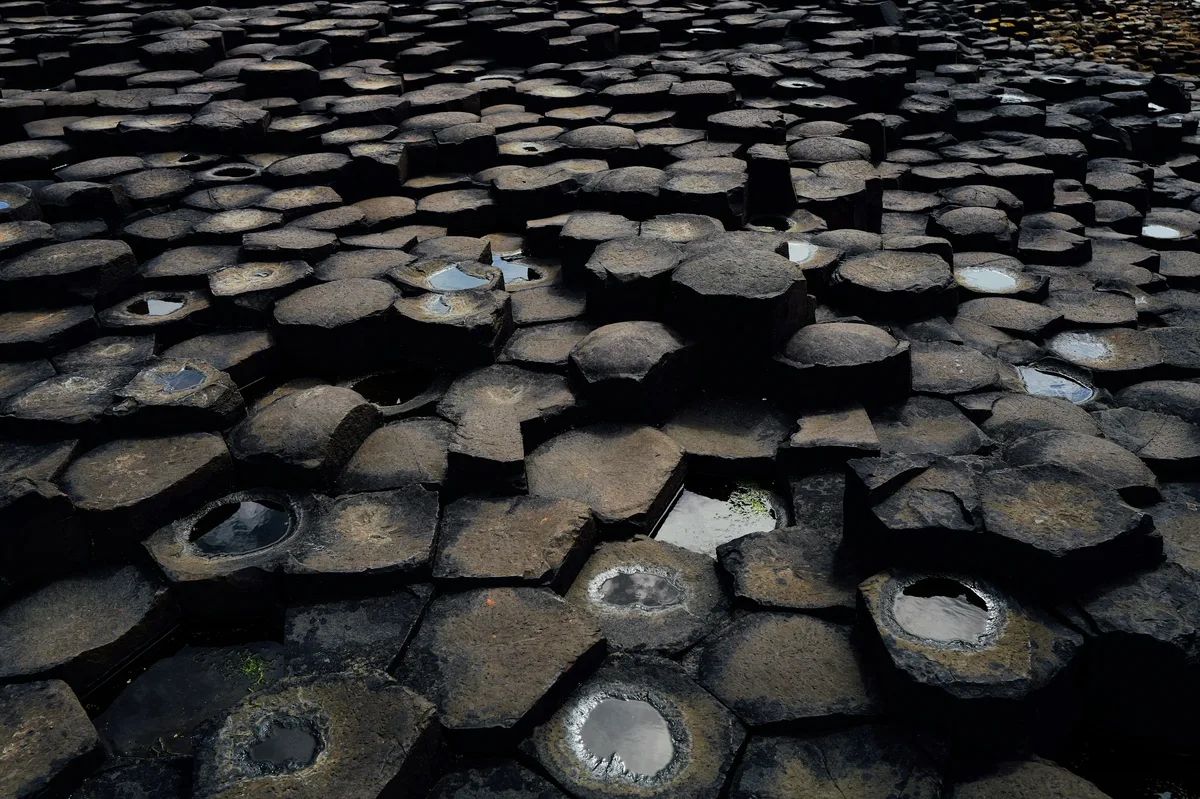 Giant's Causeway
Ireland
Ireland's only UNESCO World Heritage Site — around 40,000 interlocking hexagonal basalt columns on the Antrim Coast in Northern Ireland.
3
Giant's Causeway
Ireland
Ireland's only UNESCO World Heritage Site — around 40,000 interlocking hexagonal basalt columns on the Antrim Coast in Northern Ireland.
3
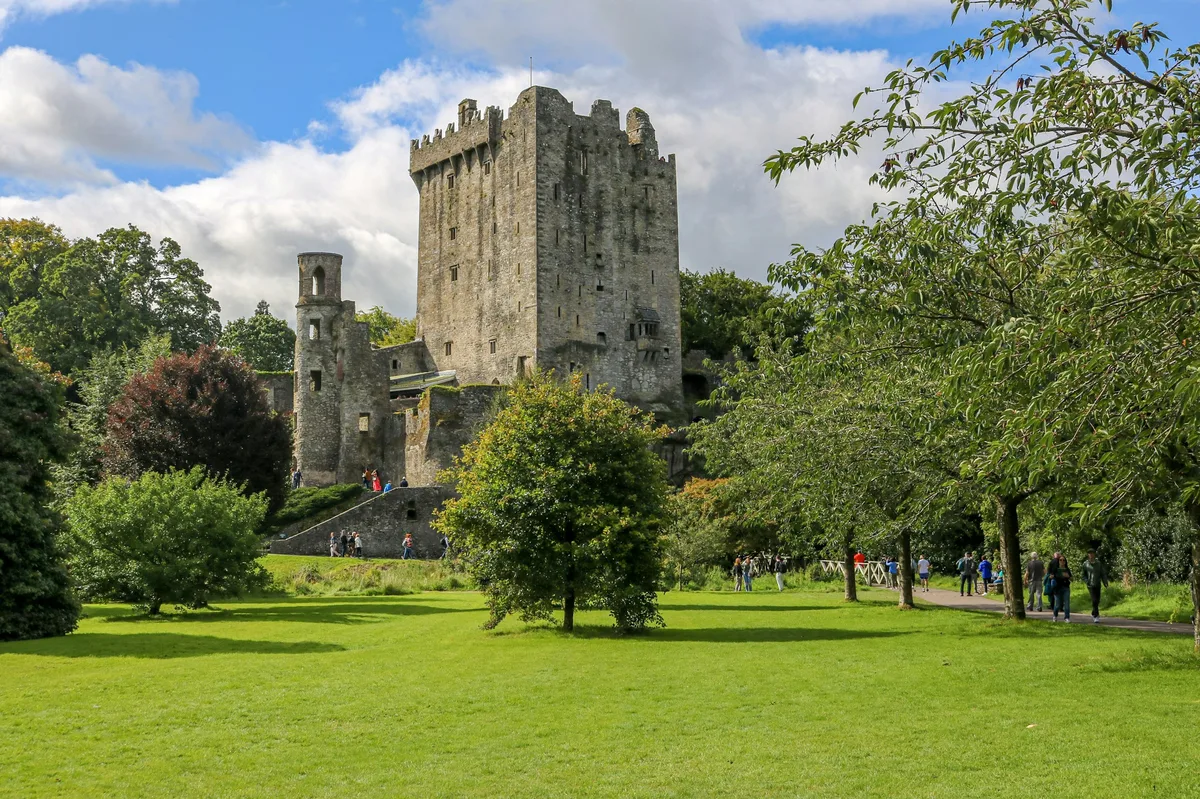 Blarney Castle
Ireland
A medieval stronghold near Cork famous for the Blarney Stone at its summit, set in extensive gardens and parkland.
4
Blarney Castle
Ireland
A medieval stronghold near Cork famous for the Blarney Stone at its summit, set in extensive gardens and parkland.
4
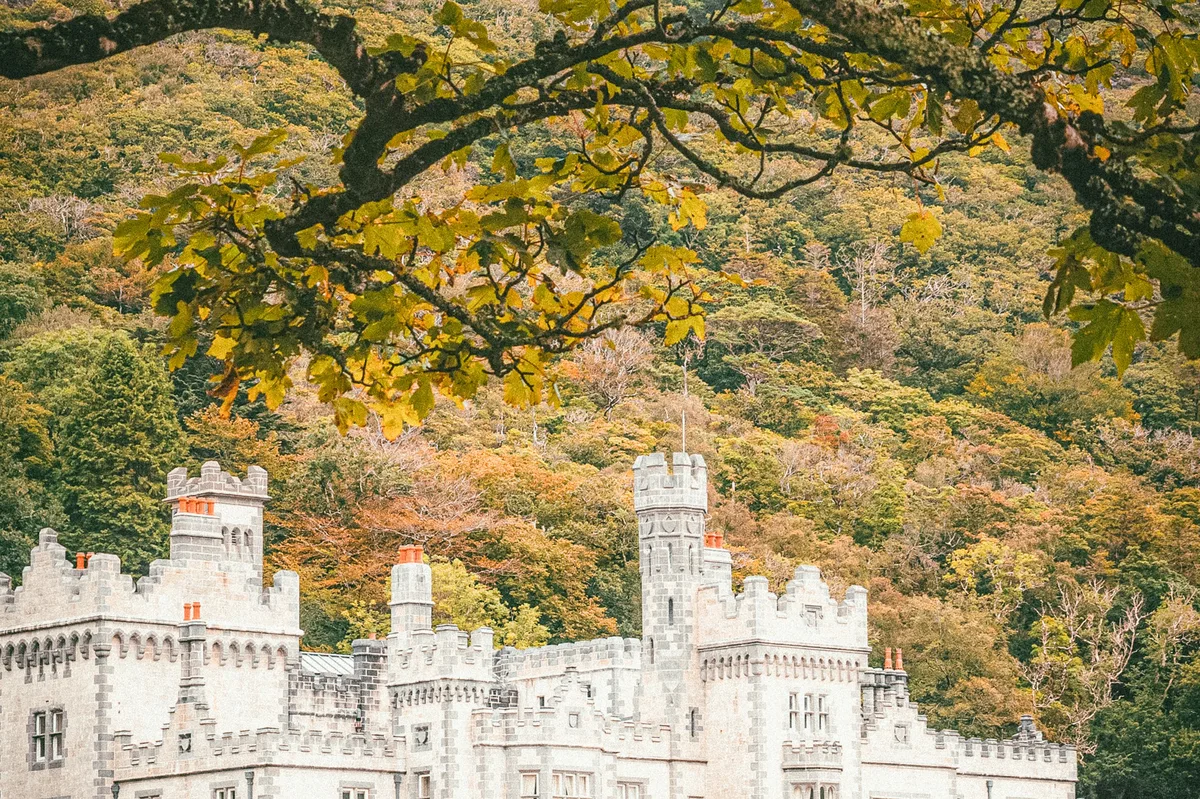 Kylemore Abbey
Ireland
A 19th-century castle turned Benedictine abbey on the shores of a lake in Connemara, County Galway, with a restored Victorian walled garden.
5
Kylemore Abbey
Ireland
A 19th-century castle turned Benedictine abbey on the shores of a lake in Connemara, County Galway, with a restored Victorian walled garden.
5
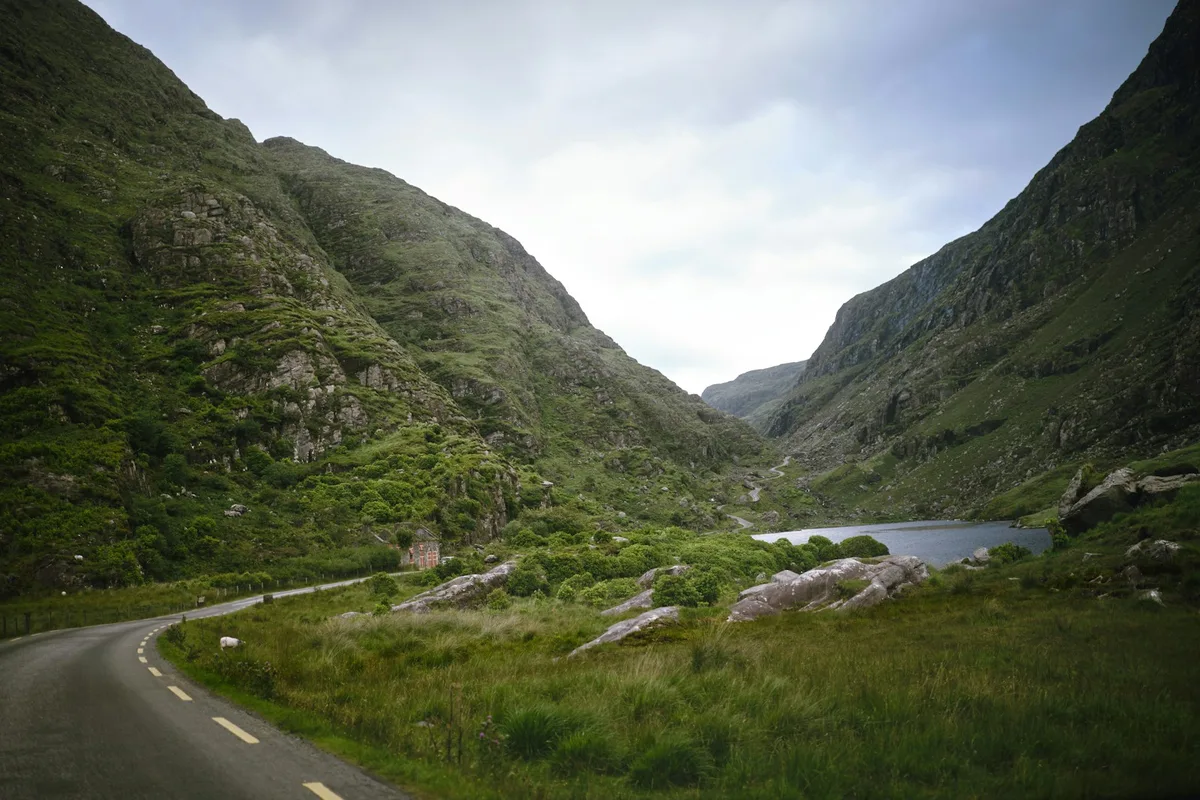 Ring of Kerry
Ireland
A 179-km scenic drive around the Iveragh Peninsula in County Kerry, looping past coastal cliffs, mountain passes, and the lakes of Killarney National Park.
6
Ring of Kerry
Ireland
A 179-km scenic drive around the Iveragh Peninsula in County Kerry, looping past coastal cliffs, mountain passes, and the lakes of Killarney National Park.
6
 Trinity College Dublin & the Old Library
Ireland
Ireland's oldest university, founded in 1592, home to the Old Library's Long Room and the illuminated medieval manuscript known as the Book of Kells.
7
Trinity College Dublin & the Old Library
Ireland
Ireland's oldest university, founded in 1592, home to the Old Library's Long Room and the illuminated medieval manuscript known as the Book of Kells.
7
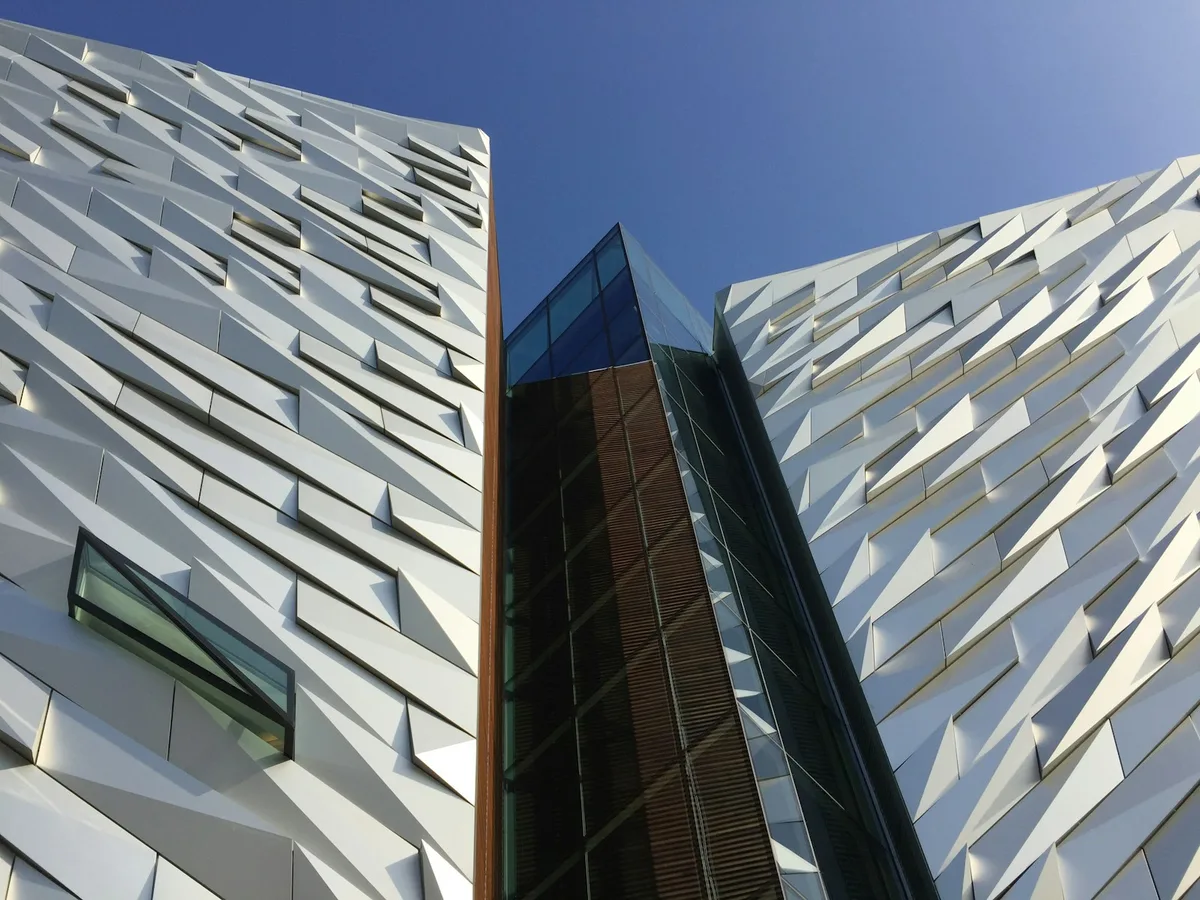 Titanic Belfast
Ireland
A museum on the site of the former Harland & Wolff shipyard where the Titanic was built and launched in 1911, telling the ship's story from construction to sinking.
8
Titanic Belfast
Ireland
A museum on the site of the former Harland & Wolff shipyard where the Titanic was built and launched in 1911, telling the ship's story from construction to sinking.
8
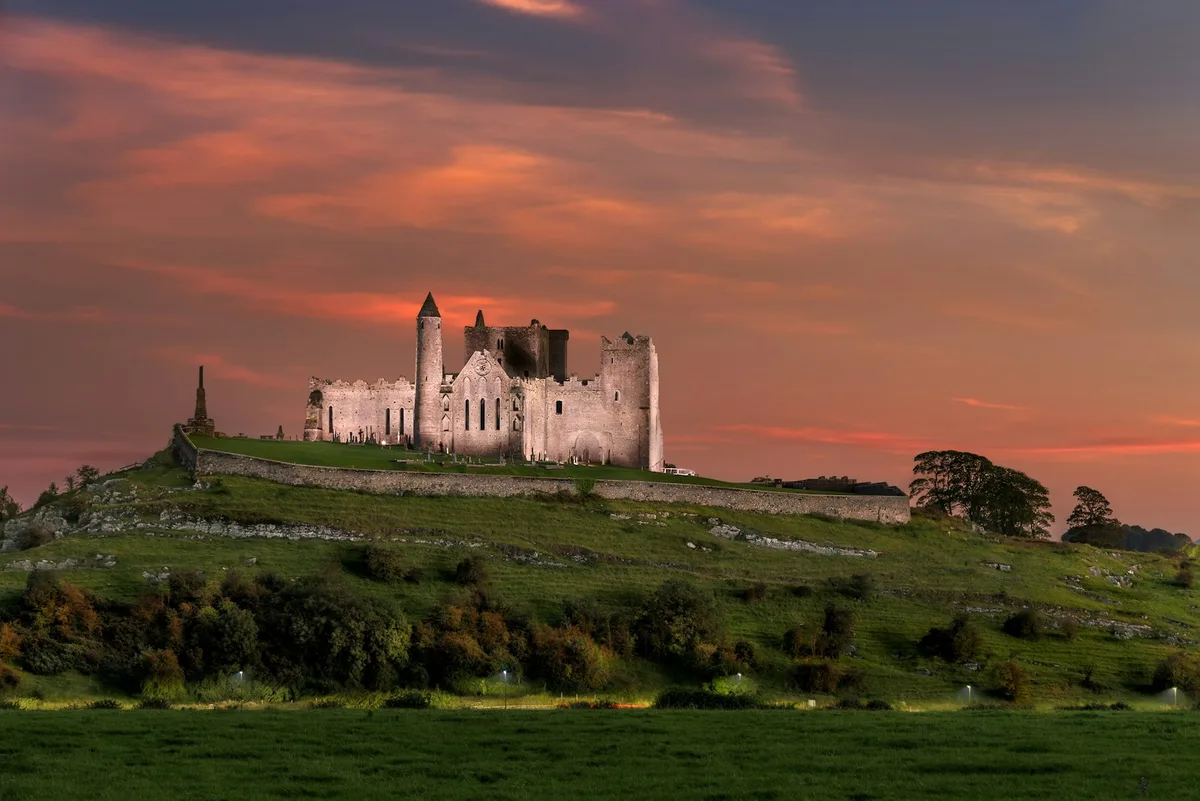 Rock of Cashel
Ireland
A dramatic limestone outcrop in County Tipperary topped with a cluster of medieval ecclesiastical buildings, once the seat of the kings of Munster.
Multi-Day Tours
Rock of Cashel
Ireland
A dramatic limestone outcrop in County Tipperary topped with a cluster of medieval ecclesiastical buildings, once the seat of the kings of Munster.
Multi-Day Tours
A 12-day road trip from Edinburgh through the Scottish Highlands and the Isle of Skye, then a short flight to Belfast to tour the Giant's Causeway, Galway's West Coast, and Dublin.
 Multi-Day Tours
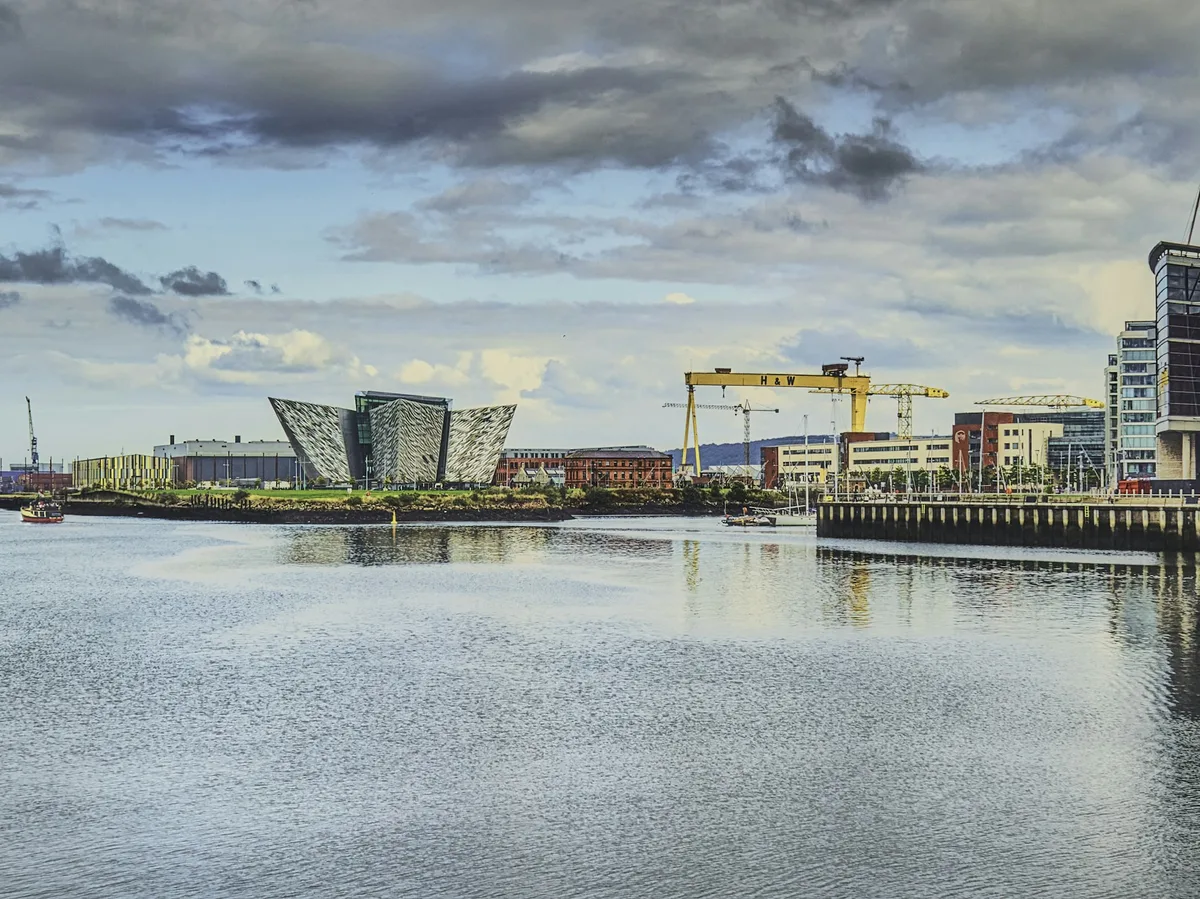
An 11-day private, driver-guided route from Dublin through Belfast, the Giant's Causeway, Londonderry, Donegal, and Connemara to Galway, before returning to Dublin.
 Multi-Day Tours
An 8-day family-paced loop from Dublin to Galway, Connemara, the Cliffs of Moher, Killarney, and Cork before returning to Dublin, built around family-friendly stops.
May through September brings the mildest weather and the longest daylight hours, useful for covering ground on coastal routes like the Ring of Kerry or the Antrim Coast. Weather is changeable year-round, so any season should plan for rain.
Ireland's best scenery — the Wild Atlantic Way, the Ring of Kerry, the Antrim Coast — sits along narrow, winding coastal roads with limited public transit, which is why private-driver touring is the practical way to link Dublin, Galway, Killarney, Belfast, and the Giant's Causeway in one trip.
Summers are mild (15–20°C/59–68°F) but rarely hot, and rain showers can appear with little warning in any season — a proper rain jacket matters more than heavy layers.
The Republic of Ireland uses the euro; Northern Ireland uses the British pound, since it's part of the UK — worth keeping in mind on routes that cross the border. Tipping 10–15% at restaurants is appreciated but not obligatory in either.
The border between the Republic of Ireland and Northern Ireland is open, with no passport checks, under the Common Travel Area — but the currency and, on some routes, the mobile network change, so it's worth being aware you've crossed.
Traditional live music sessions in pubs are a genuine, ongoing part of Irish social life, especially in Galway and Dublin — worth building an evening around rather than treating as a scheduled tourist stop.
Tell us your group size and dates — we'll take care of the rest.