TorontoOntario · 36 tours
 Niagara FallsOntario · 25 tours
 New York CityNew York · 30 tours
 Las VegasNevada · 8 tours
 San FranciscoCalifornia · 16 tours
 VancouverBritish Columbia · 17 tours
 DubaiUAE · 54 tours
 Abu DhabiUAE · 5 tours
 Buenos AiresArgentina · 23 tours
 AthensGreece · 31 tours
 AucklandNew Zealand · 38 tours
 CancunMexico · 54 tours
No destinations match “”. Try searching all tours instead — that search understands full questions, not just place names.
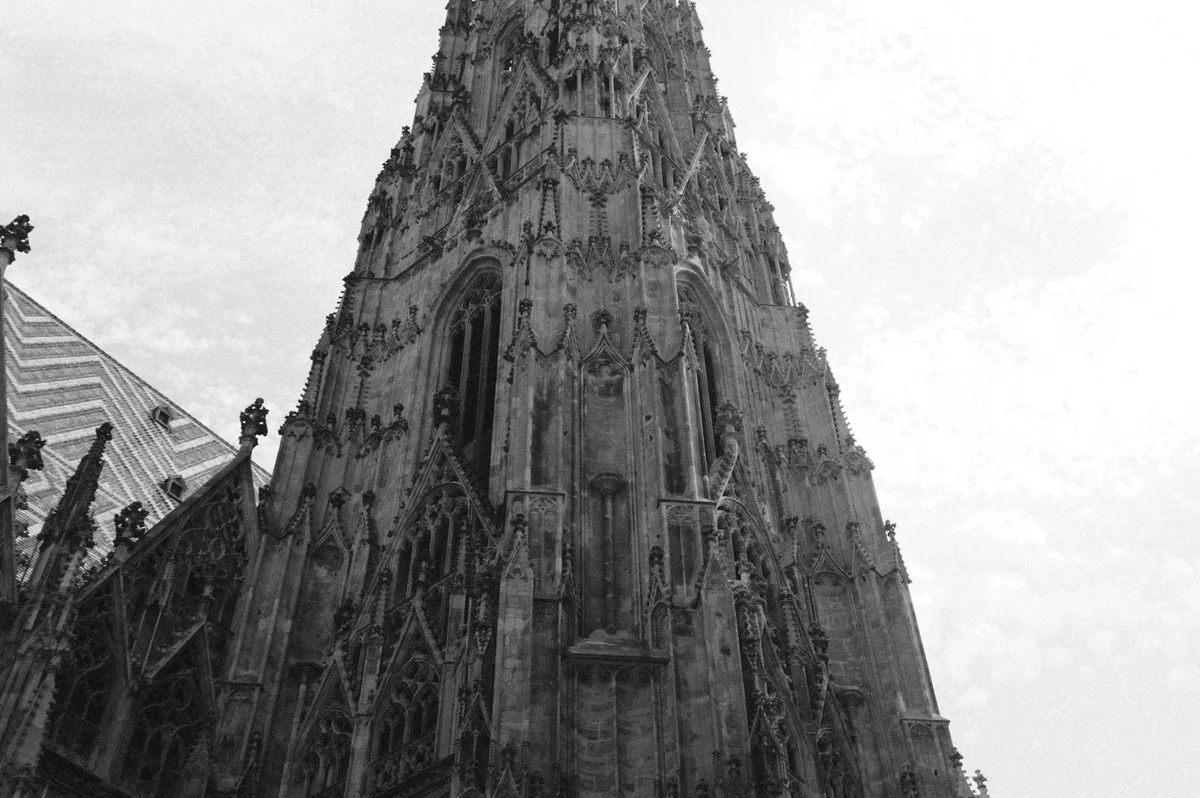
Vienna's Gothic centerpiece, its tiled roof and towering spire visible across the city — the heart of the historic Innere Stadt district.
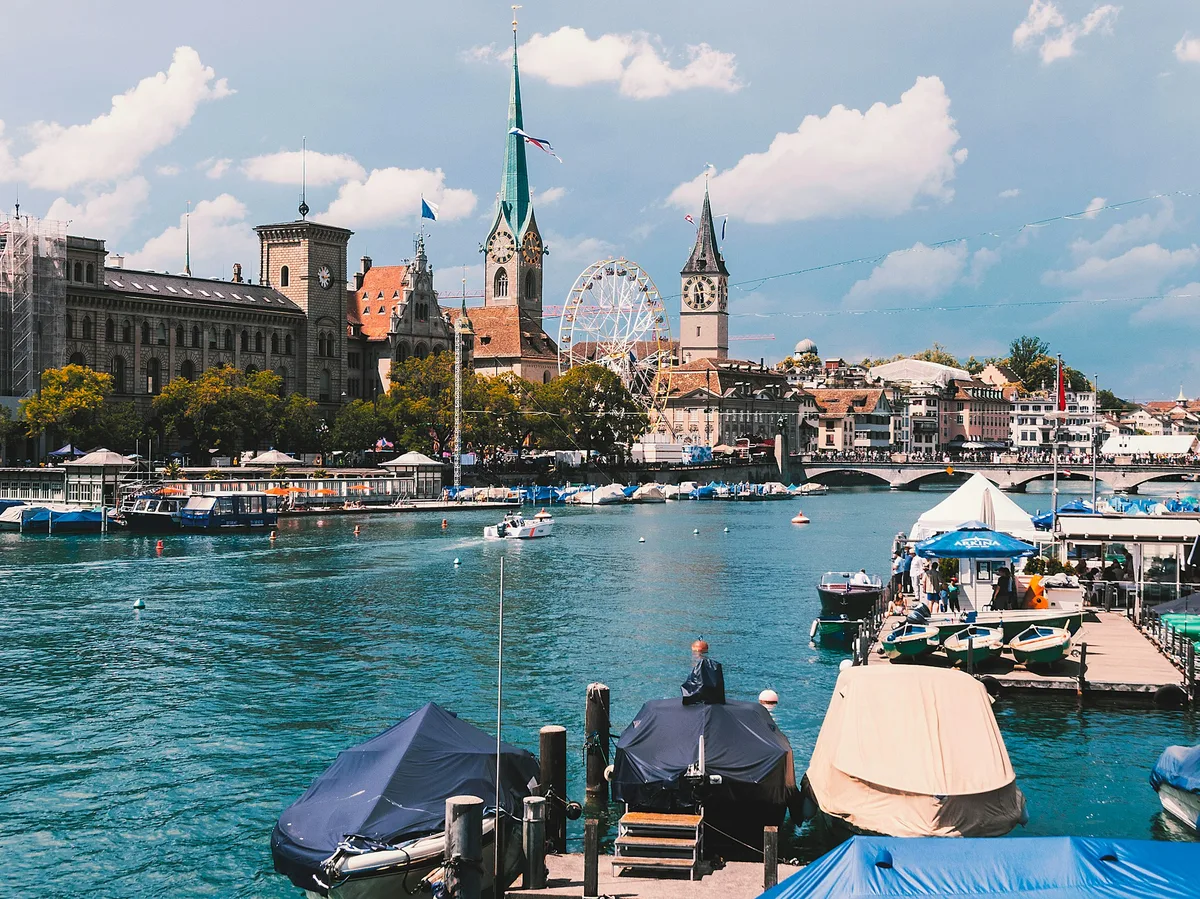 Multi-Day Tours
A 9-day private circuit through Central Europe's icons — Vienna and the Wachau Valley, Salzburg's Sound of Music sights, Munich and Neuschwanstein Castle, finishing in Zurich.
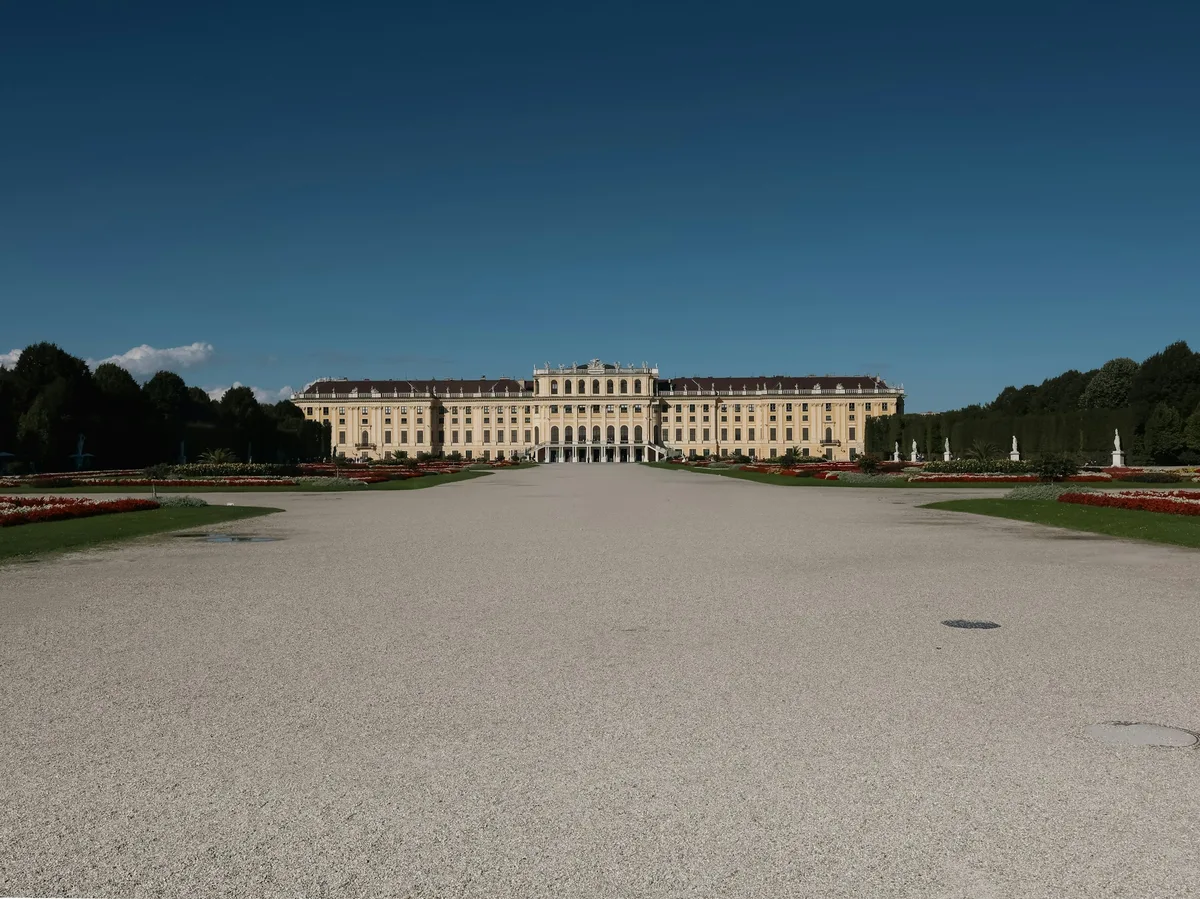 Multi-Day Tours Popular Pick
A 6-day private tour of Vienna — a Mozart concert, Schönbrunn Palace, the Kunsthistorisches Museum, traditional Heuriger wine taverns, and the city's culinary highlights.
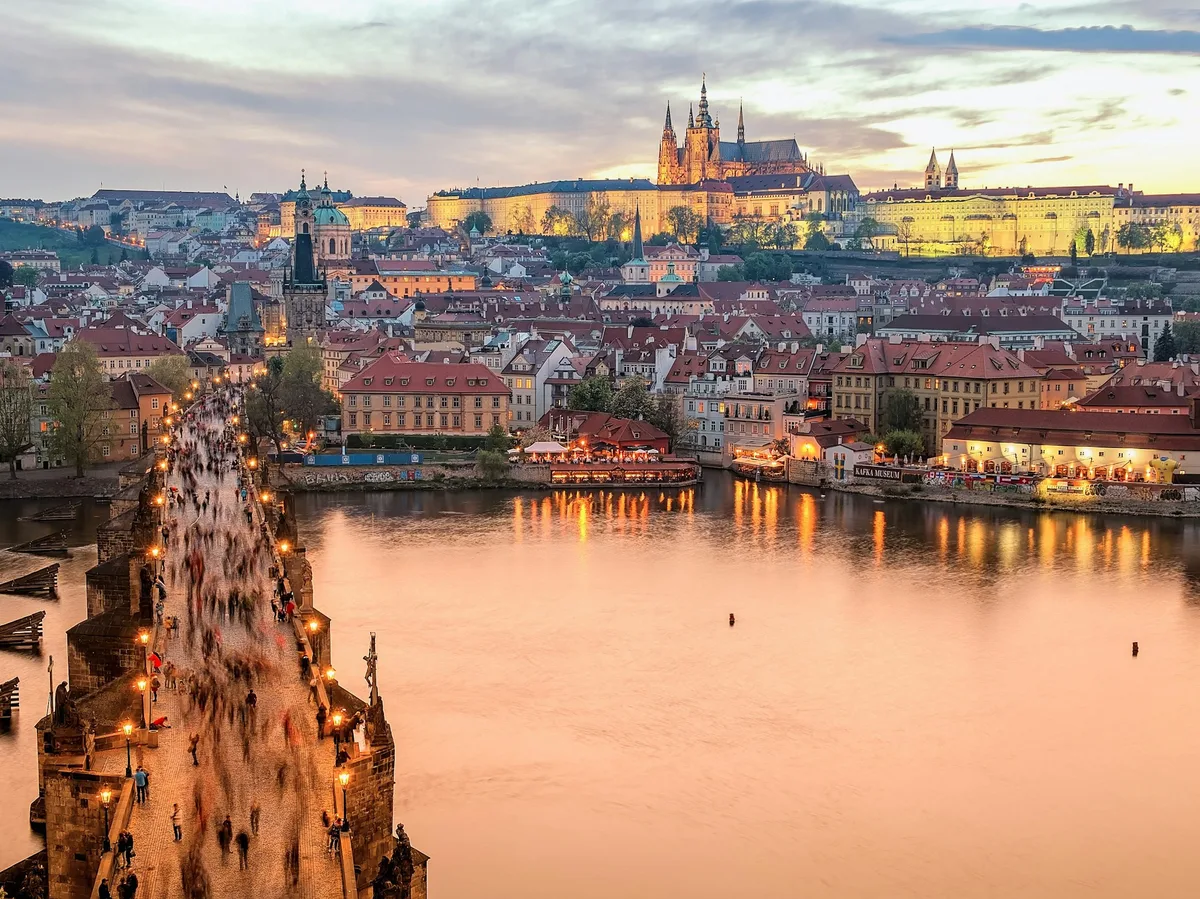 Multi-Day Tours
A 15-day private circuit through Austria, Germany, and Czechia's Christmas markets — starting and ending in Vienna, by way of Salzburg, Munich, Dresden, Prague, and Český Krumlov.
Visitor guide
St. Stephen's Cathedral (Stephansdom) is the Roman Catholic mother church of the Archdiocese of Vienna, Austria, and the seat of the city's archbishop. Its multi-coloured tiled roof and tall south tower make it one of the most recognisable symbols of Vienna, rising from the Stephansplatz in the historic Innere Stadt.
According to Wikipedia, the church grew out of the Treaty of Mautern of 1137 and was dedicated to Saint Stephen in 1147, in the presence of Conrad III of Germany. Excavations for a heating system in 2000 uncovered graves dated to the 4th century beneath the site, suggesting that older religious activity lay here before the first parish church. A fire in 1258 destroyed much of the early building, and a larger Romanesque replacement was consecrated in 1263, reusing the two western towers.
The Gothic form seen today was largely initiated under Duke Rudolf IV, who laid the cornerstone for a westward extension in 1359 and, in 1365, established a chapter of canons suited to a cathedral. Vienna did not receive its own diocese until 1469, with St. Stephen's as its mother church, and the see was raised to an archbishopric in 1722. Major construction and expansion continued until 1511, and restoration work has never fully stopped since.
The south tower, affectionately nicknamed the Steffl by Viennese, stands about 136 metres tall and took 65 years to build, from 1368 to 1433. It served as an observation and command post during the Ottoman Siege of Vienna in 1529 and the Battle of Vienna in 1683, and watchmen lived in the tower until 1955. The north tower was meant to mirror it, but work stopped in 1511 and the stump received a Renaissance cap in 1578, leaving it at roughly half the height.
The main entrance is the Giant's Door, or Riesentor, flanked by the two Roman Towers, which belong to the oldest parts of the church. The roof is covered with about 230,000 glazed tiles; on the south side they form a mosaic of the Habsburg double-headed eagle, while the north side shows the coats of arms of the City of Vienna and the Republic of Austria. The roof is so steep that rain largely cleans it and snow seldom settles.
Inside, the main nave holds 18 altars. The Baroque High Altar, built between 1641 and 1647, depicts the stoning of Saint Stephen. The Wiener Neustadt Altar, ordered in 1447 by Emperor Frederick III, was bought by the cathedral in 1885 after passing through two monasteries. The Maria Pötsch Icon, a Byzantine-style image brought from the Hungarian shrine of Máriapócs in 1697, is especially venerated by Hungarian visitors.
The stone pulpit is regarded as a masterwork of late Gothic sculpture. It was long attributed to Anton Pilgram, though Niclaes Gerhaert van Leyden is now thought more likely to be the carver. Beneath its stairs is the famous Fenstergucker, a stone figure peering out of a window that may be the sculptor's self-portrait. The cathedral has 22 bells in four belfries, led by the Pummerin, cast in 1951 and weighing about 20,130 kilograms, which Wikipedia describes as the largest bell in Austria. Its predecessor, partly cast from metal of seized Ottoman cannon, was destroyed in 1945.
On 12 April 1945, as Soviet troops entered Vienna, fires in nearby shops spread to the cathedral, and the roof framework collapsed. Protective brick shells built around the pulpit, Frederick III's tomb and other treasures limited the loss of artworks, though the carved choir stalls of 1487 could not be saved. Reconstruction began immediately, with a limited reopening in December 1948 and a full reopening on 23 April 1952. More than 600 metric tons of steel bracing now replace the original timber roof structure.
The cathedral is both a working church and a major landmark, so services can shape how and when parts of the interior are visited. Its surroundings in the pedestrian heart of the old city are best explored on foot, and a private guided visit allows time to link the cathedral with the nearby Hofburg and other Innere Stadt sights at an unhurried pace.
See every tour and attraction we cover in Austria.