TorontoOntario · 36 tours
 Niagara FallsOntario · 25 tours
 New York CityNew York · 30 tours
 Las VegasNevada · 8 tours
 San FranciscoCalifornia · 16 tours
 VancouverBritish Columbia · 17 tours
 DubaiUAE · 54 tours
 Abu DhabiUAE · 5 tours
 Buenos AiresArgentina · 23 tours
 AthensGreece · 31 tours
 AucklandNew Zealand · 38 tours
 CancunMexico · 54 tours
No destinations match “”. Try searching all tours instead — that search understands full questions, not just place names.
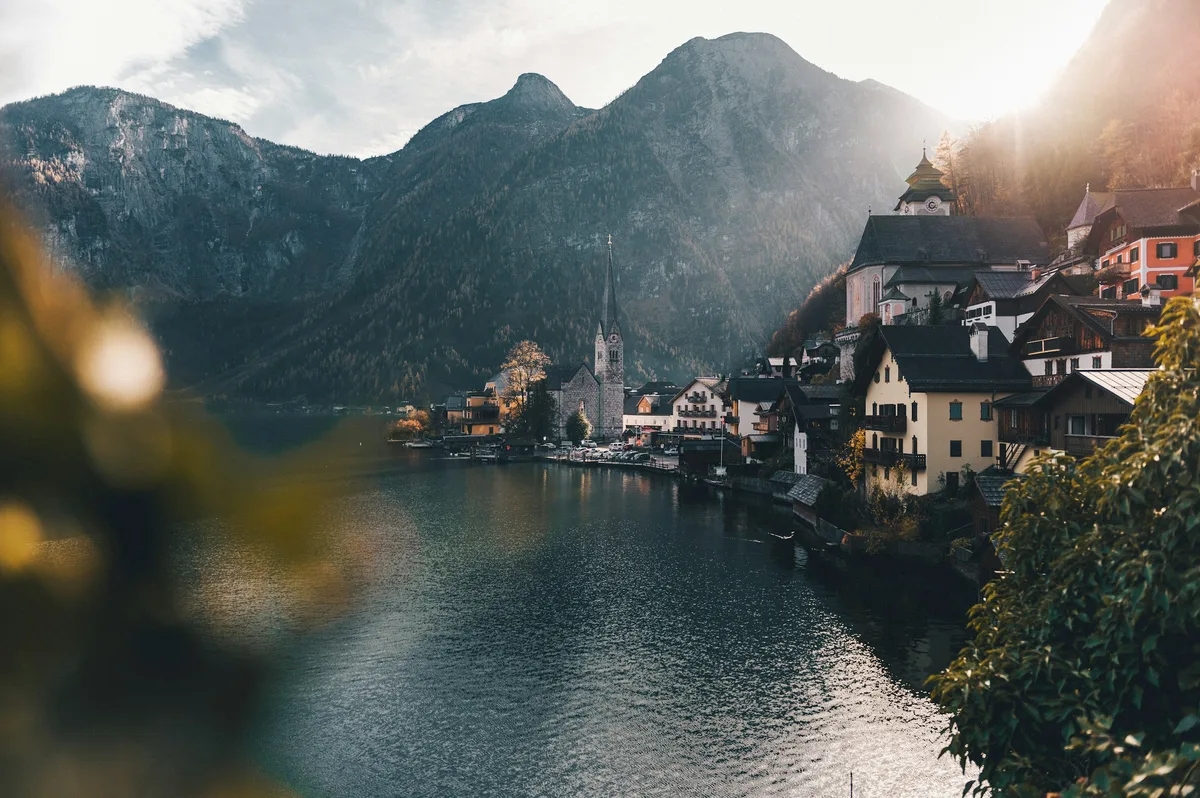
A lakeside village in the Salzkammergut, its pastel houses and church spire reflected in the Hallstättersee against a backdrop of the Austrian Alps — one of Europe's most photographed small towns.
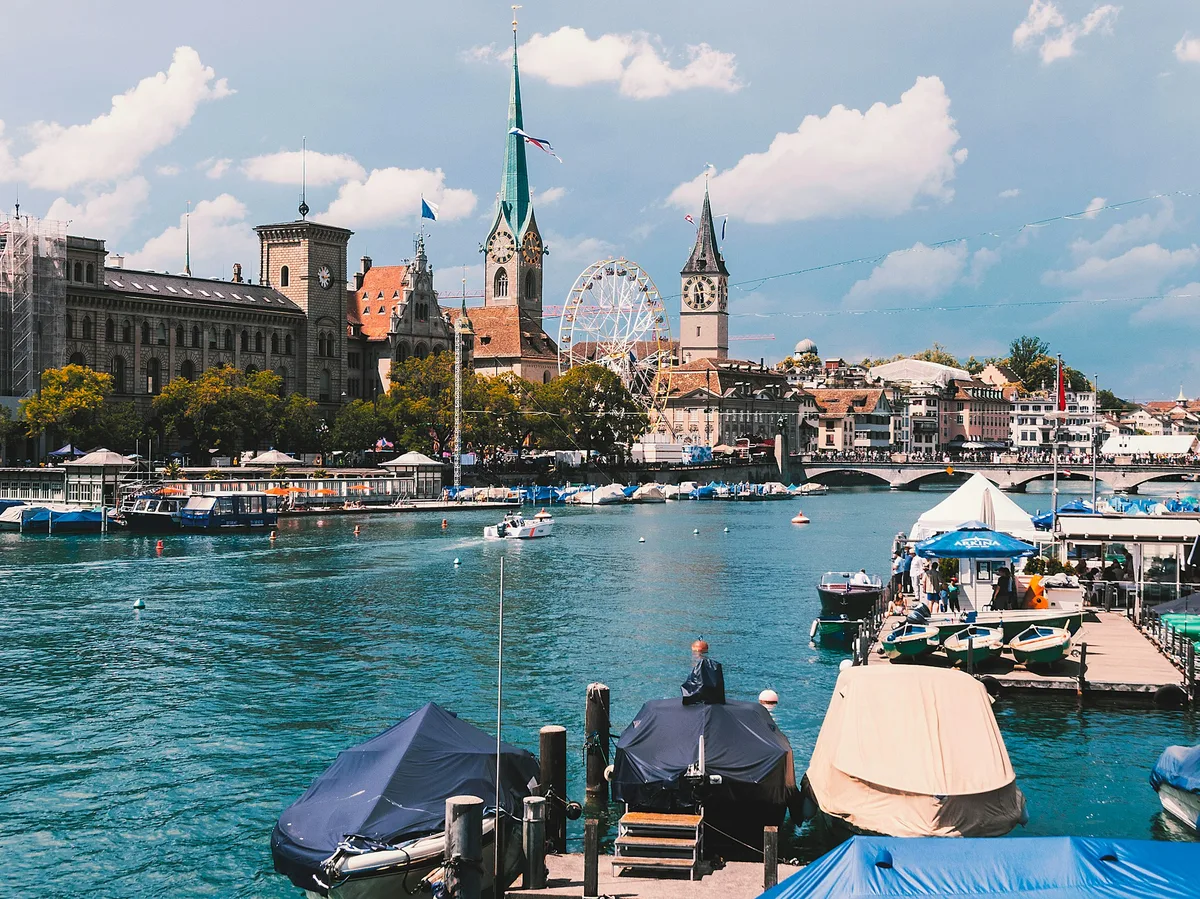 Multi-Day Tours
A 9-day private circuit through Central Europe's icons — Vienna and the Wachau Valley, Salzburg's Sound of Music sights, Munich and Neuschwanstein Castle, finishing in Zurich.
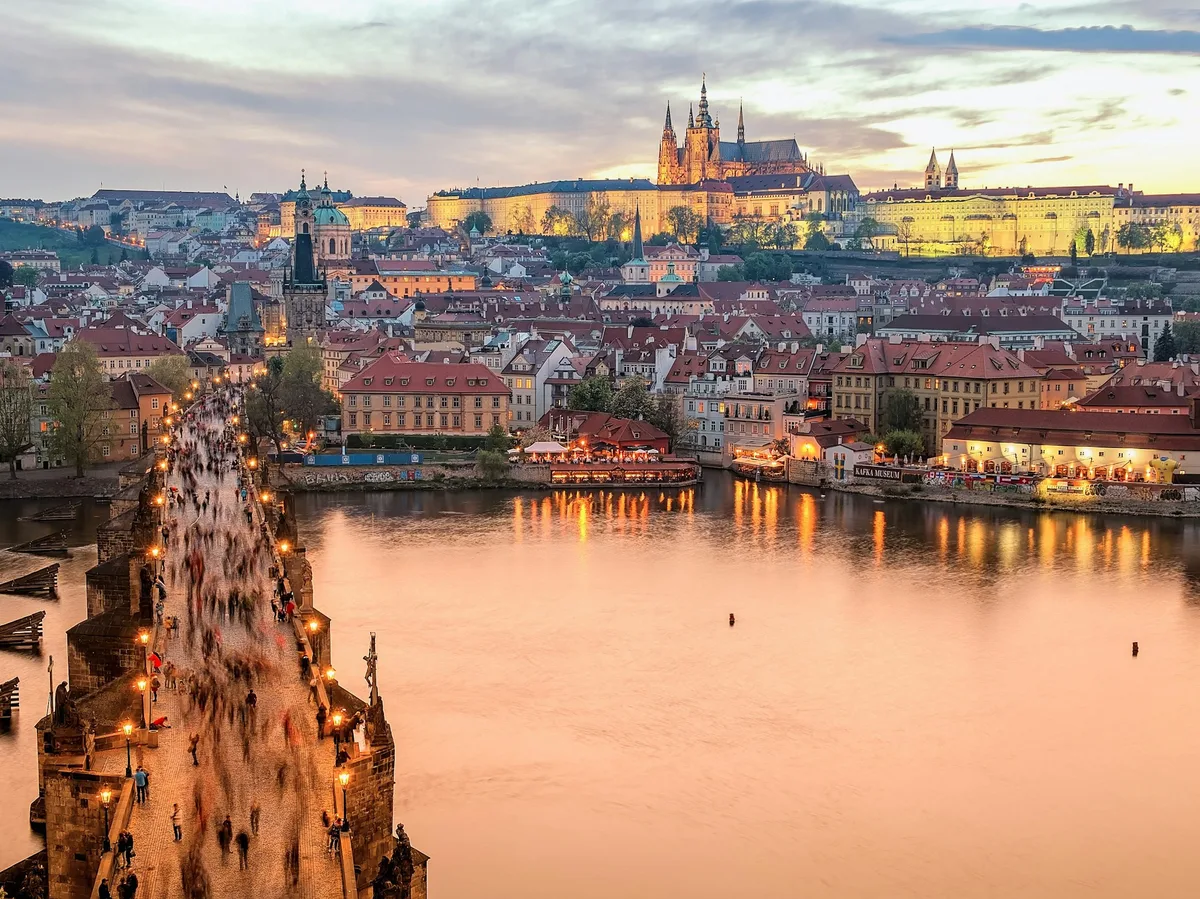 Multi-Day Tours
A 15-day private circuit through Austria, Germany, and Czechia's Christmas markets — starting and ending in Vienna, by way of Salzburg, Munich, Dresden, Prague, and Český Krumlov.
Visitor guide
Hallstatt is a small lakeside town in the Salzkammergut region of Upper Austria, set between the southwestern shore of the Hallstätter See and the steep slopes of the Dachstein massif. It is known for salt production reaching back to prehistoric times and gave its name to the Hallstatt culture of the Early Iron Age.
According to Wikipedia, salt production in Hallstatt became a day-to-day commercial activity in the Bronze Age, carried out in highly organised arrangements with specialist workers. The wealth this generated shows in the prehistoric cemeteries above the town. In 1846 Johann Georg Ramsauer discovered a large cemetery at the Salzberg mines and excavated it over the second half of the 19th century, eventually recording 1,045 burials. Roughly 1,300 burials with around 2,000 individuals have been found overall.
The Hallstatt period proper is dated to roughly the 8th to 5th centuries BC, the early European Iron Age. The style of grave goods is distinctive, and the salt in the mine workings has preserved organic materials such as textiles, wood and leather, including shoes, cloth and miners' backpacks. Major activity at the site appears to have ended around 500 BC for reasons that remain unclear. The Hallstatt salt mine, which Wikipedia describes as the world's oldest working salt mine, has 21 levels in the Northern Limestone Alps.
The town occupies a narrow strip of land between the lake and the cliffs, so little that houses climb the slope and every free patch was used. Until the late 19th century Hallstatt could be reached only by boat or narrow trails, and access between lakeside houses ran by boat or along an upper path through attics. The first road was built in 1890 along the west shore, partly by blasting rock.
Space was so limited that graves in the churchyard were reused: bones were exhumed after about ten years and moved to an ossuary. The Beinhaus in St. Michael's Chapel displays about 1,200 skulls, of which about 610 are painted with symbols, names and dates. Visitors are also told of a historic brine pipeline built roughly 400 years ago from hollowed-out tree trunks, a claim of record status that is repeated in tourism sources but should be treated as local lore.
Hallstatt forms the core of the Hallstatt-Dachstein/Salzkammergut Cultural Landscape, which UNESCO inscribed as a World Heritage Site in 1997. The listing recognises a landscape shaped by thousands of years of salt mining amid dramatic alpine scenery. In 2025, archaeologists announced the discovery of a Roman-era agate cameo depicting Medusa during excavations linked to construction of a new funicular station.
The Hallstatt Museum covers the region's prehistory and its role in the salt trade, with tools, weapons and burial objects from the Bronze and Iron Ages. The Skywalk, also called the World Heritage View, is a platform about 360 metres above the town with a panorama of the village, lake and Dachstein Alps. The lake itself is part of the setting and shapes the classic view of pastel houses and the church spire across the water.
Hallstatt has a population of only a few hundred and, per Wikipedia, became a leading Austrian example of overtourism after UNESCO listing and a surge of social-media attention from 2006 onwards. The town has introduced measures such as assigned time slots for tour buses, with preference for overnight guests. A private tour with a driver arriving at a managed time and spending longer in the area, rather than a quick photo stop, is a respectful way to see it.
See every tour and attraction we cover in Austria.