TorontoOntario · 36 tours
 Niagara FallsOntario · 25 tours
 New York CityNew York · 30 tours
 Las VegasNevada · 8 tours
 San FranciscoCalifornia · 16 tours
 VancouverBritish Columbia · 17 tours
 DubaiUAE · 54 tours
 Abu DhabiUAE · 5 tours
 Buenos AiresArgentina · 23 tours
 AthensGreece · 31 tours
 AucklandNew Zealand · 38 tours
 CancunMexico · 54 tours
No destinations match “”. Try searching all tours instead — that search understands full questions, not just place names.
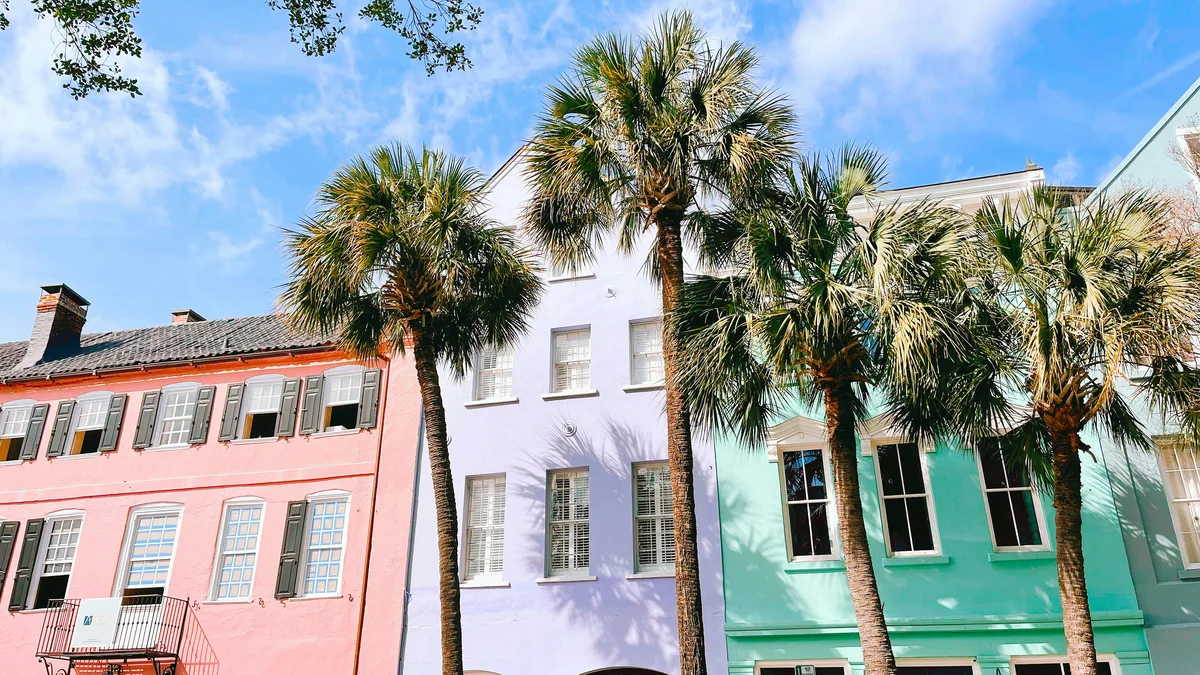
Rainbow Row is a real row of 13 historic houses along East Bay Street, painted in pastel shades of pink, yellow, blue, and green, forming the longest cluster of Georgian rowhouses in the United States. The buildings date mostly to the mid-1700s and were originally merchants' shops with living quarters above; their now-iconic colors were largely applied during a 1930s restoration. It remains one of the most photographed streets in Charleston's historic district.
 Private Tours
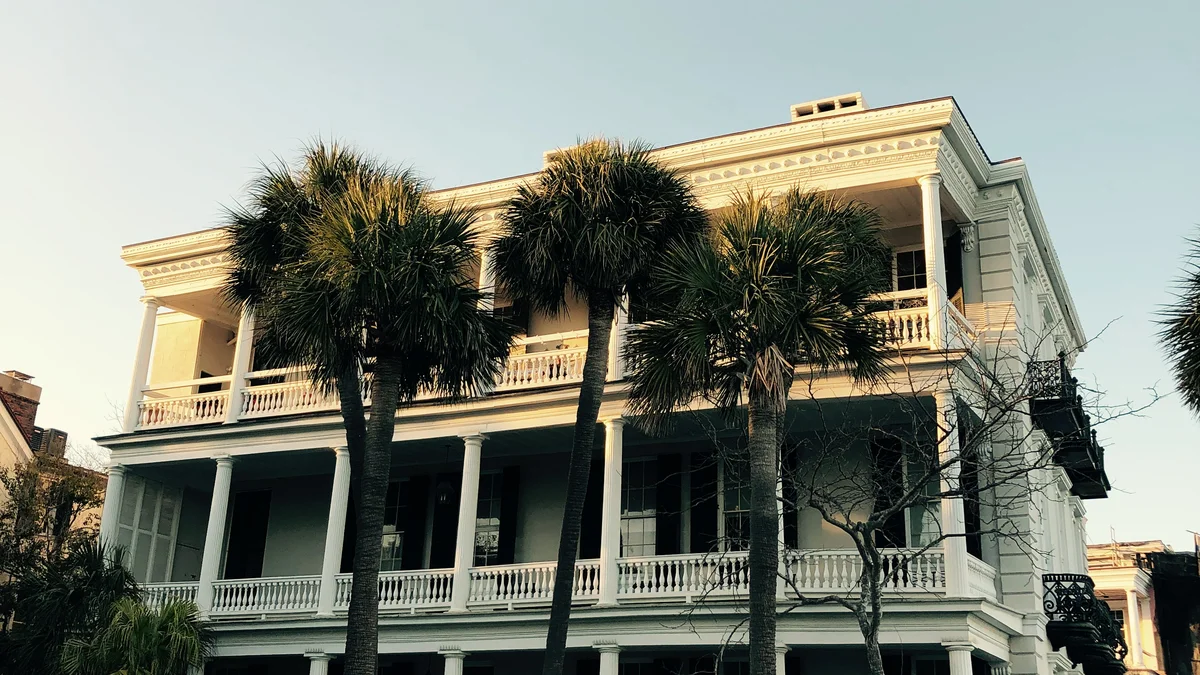
A private SUV driving tour, tailored to your group only, covering Charleston's real historic district, with a real named local guide.
 Private Tours
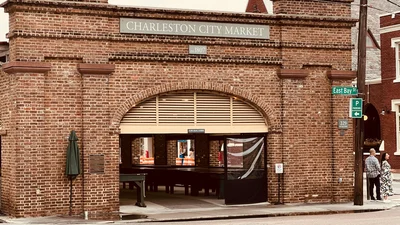
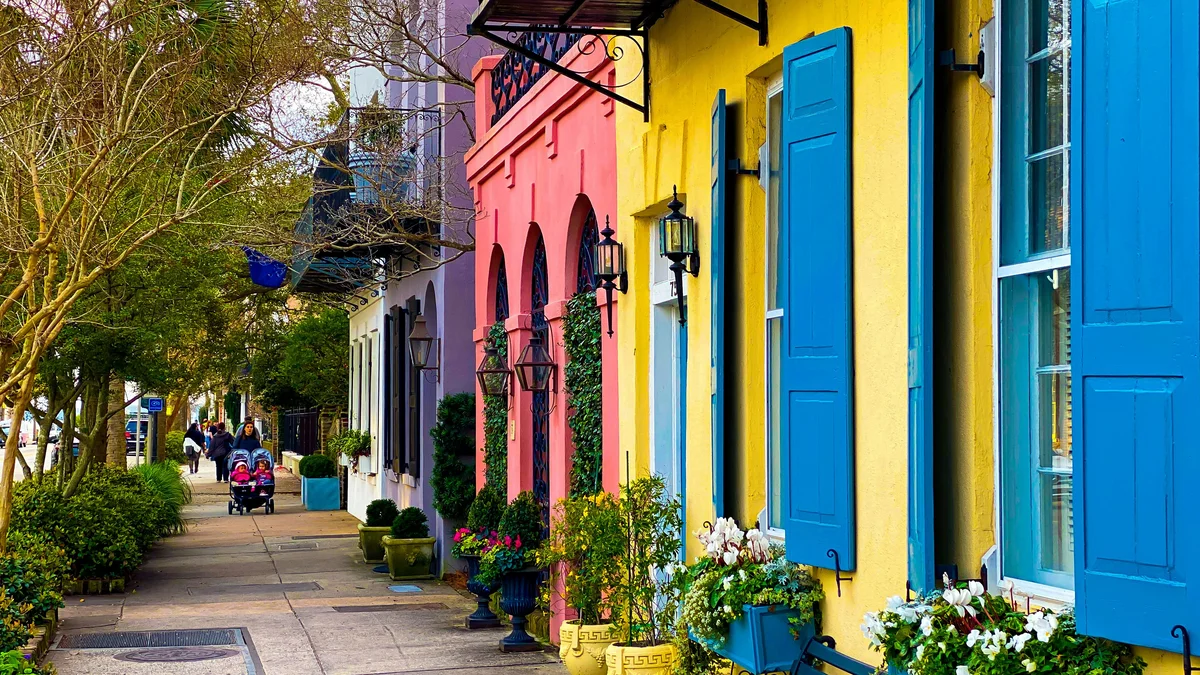
A private walking tour led by a real named local guide — Charleston City Market, St. Philip's Church, the Old Slave Market, Rainbow Row, and the Battery, with the city's real, sometimes difficult history told honestly.
Visitor guide
Rainbow Row is a block of thirteen historic buildings on East Bay Street in Charleston, South Carolina, commonly given as 83 to 107 East Bay Street, between Tradd and Elliott Streets. The row is named for the pastel colors applied during restorations in the 1930s and 1940s. Its story is as much about early preservation in Charleston as about color.
The buildings began as merchants' premises, with shops and counting rooms on the ground floor and living quarters above; Wikipedia notes exterior stairs in the back yards. The row originally faced the Cooper River, whose edge was later filled in. Sources disagree on construction dates: one account says surviving structures date from roughly 1720 to 1790, and a 1778 fire is said to have destroyed much of the neighborhood, so individual houses vary. After the Civil War the area declined to near-slum conditions as docks silted and trade moved elsewhere.
In the 1920s, Susan Pringle Frost, who helped found the Society for the Preservation of Old Dwellings (now the Preservation Society of Charleston) in 1920, bought several of the buildings, reportedly six, to save them from demolition, but could not fund restoration at first. In 1931 Dorothy Haskell Porcher Legge bought the Othniel Beale House at 99-101 East Bay with her husband, Judge Lionel Legge, restored it, and painted it pink. Accounts differ on the exact shade and on how many houses she bought. Other owners followed with their own restorations, and by 1945 most of the houses had been restored.
The pink is often attributed to colonial Caribbean color schemes, though that link is repeated without strong documentation. Popular stories that the colors helped sailors or enslaved people find shops are uncited and should be treated as legend. Charleston adopted a historical zoning ordinance in 1931, widely described as the first in the United States, and the city's Board of Architectural Review is reported to require owners on the row to keep the Colonial Caribbean palette.
The detail varies house to house. Wikipedia notes a Chinese Chippendale interior at No. 85, a Flemish gable roofline at No. 95, and an iron Victorian storefront at No. 105, the only one on the row to keep its storefront. The rear facades and gardens of 93-101 East Bay were used as a model for the original 1935 stage setting of Porgy and Bess. Most of the houses are private residences, so view them from the street.
The row is best appreciated on foot from the sidewalk on East Bay Street. Check local guidance for parking and traffic conditions.
On a Voyzo private tour, your driver can drop you at the row and collect you nearby, letting you add Rainbow Row to a longer Charleston itinerary without searching for parking.
See every tour and attraction we cover in Charleston.